
Planning a surf trip to Bali? We've been there, done that, and learned some hard lessons. The water's warm, the waves are perfect, but if you forget the right gear, you'll spend your trip wishing you'd packed smarter. Here are the 12 essential items we wish we'd brought on our first Bali surf trip, based on real experience at spots like Uluwatu, Padang Padang, and Canggu.
Skip straight to the complete master packing list at the bottom if you're in a hurry, but reading through these 12 items will save you from making the same mistakes we did.
What should I bring on a Bali surf trip?
At minimum, bring a lightweight wetsuit top or rashie, reef booties, spare fins and leg ropes, a ding repair kit, and reef-safe sunscreen. The water temps in Bali sit between 26-29°C year-round, so you won't need a full wetsuit, but protection from wind, sun, and coral matters. Most visiting surfers underpack medical supplies and overpack clothes.
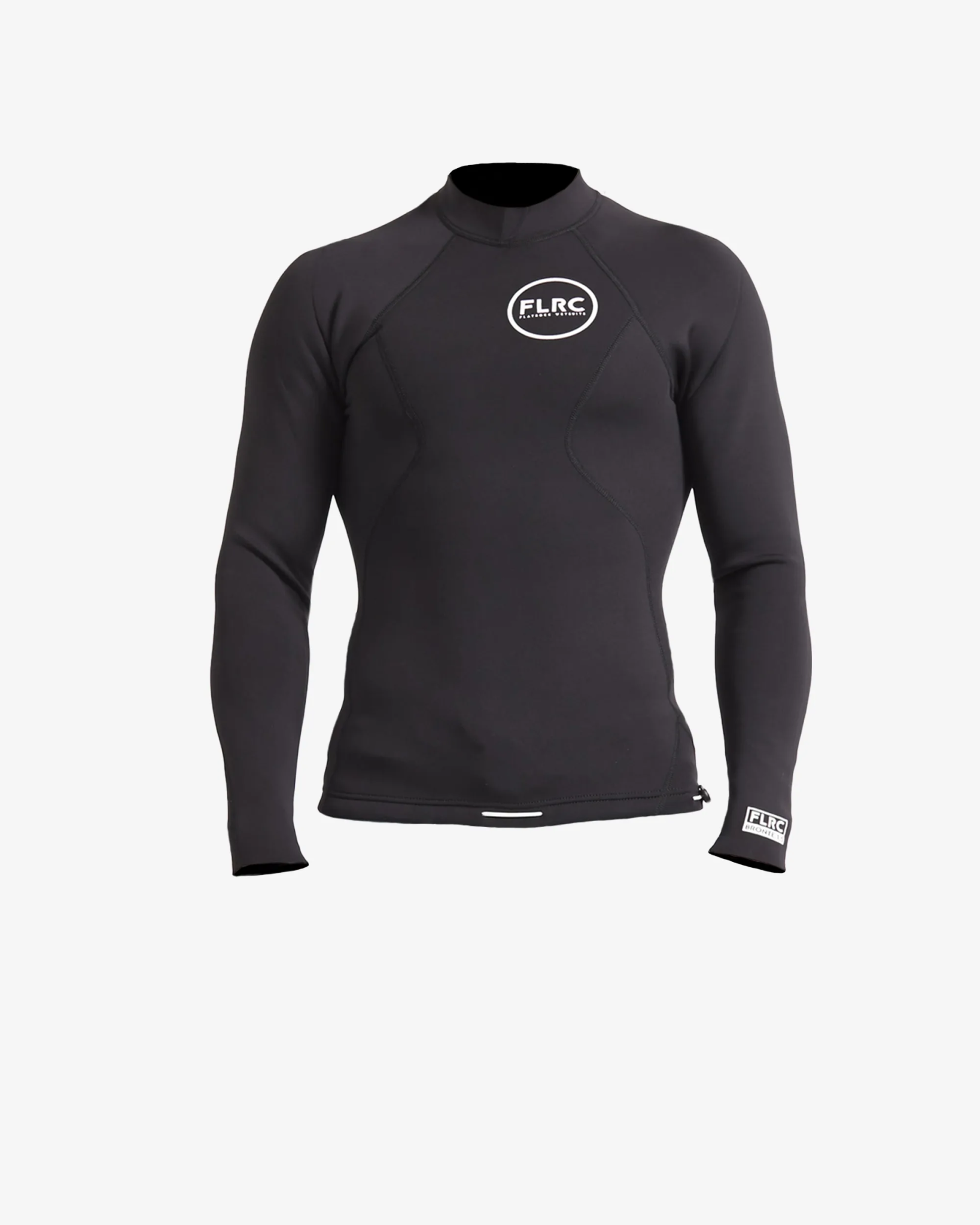
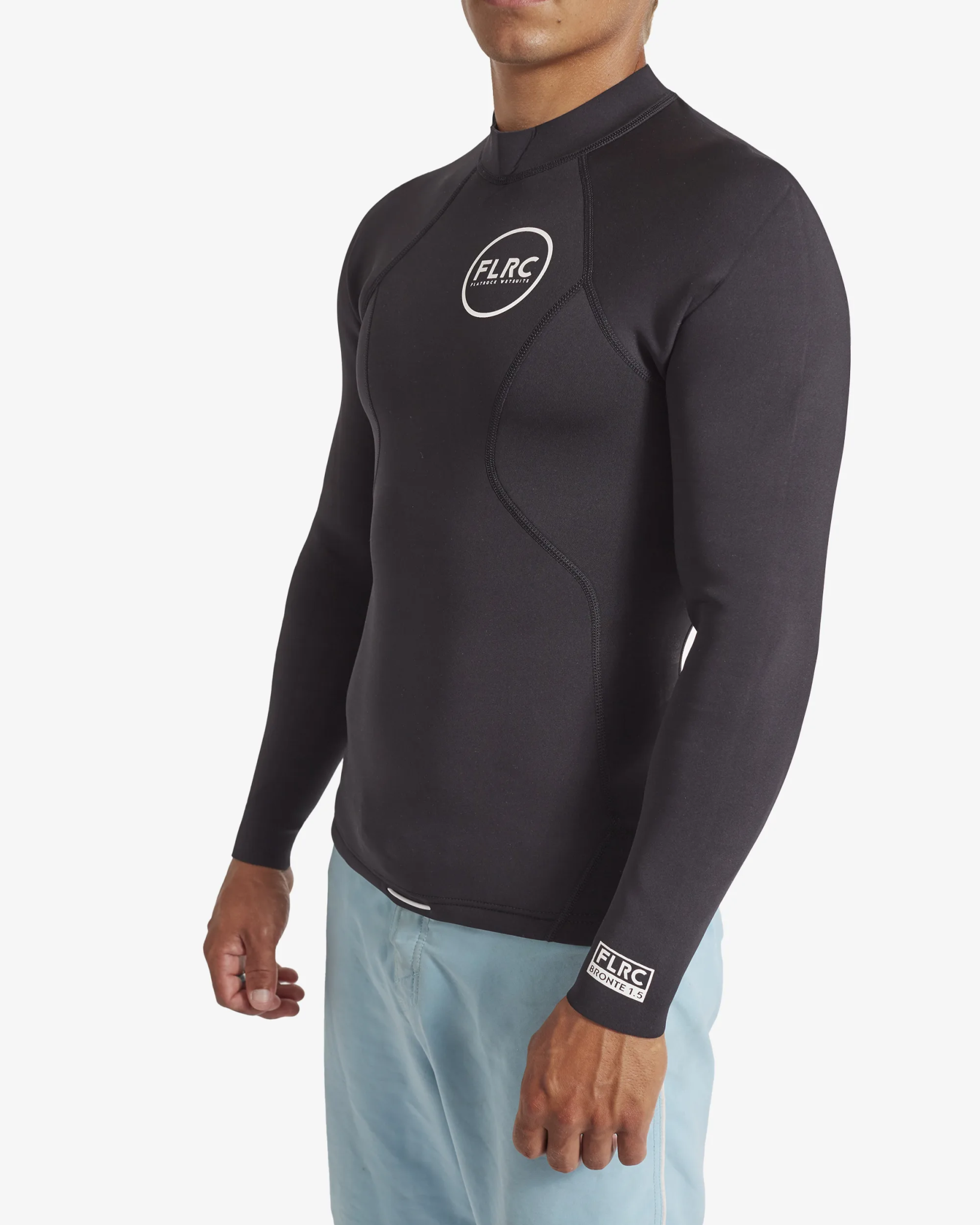
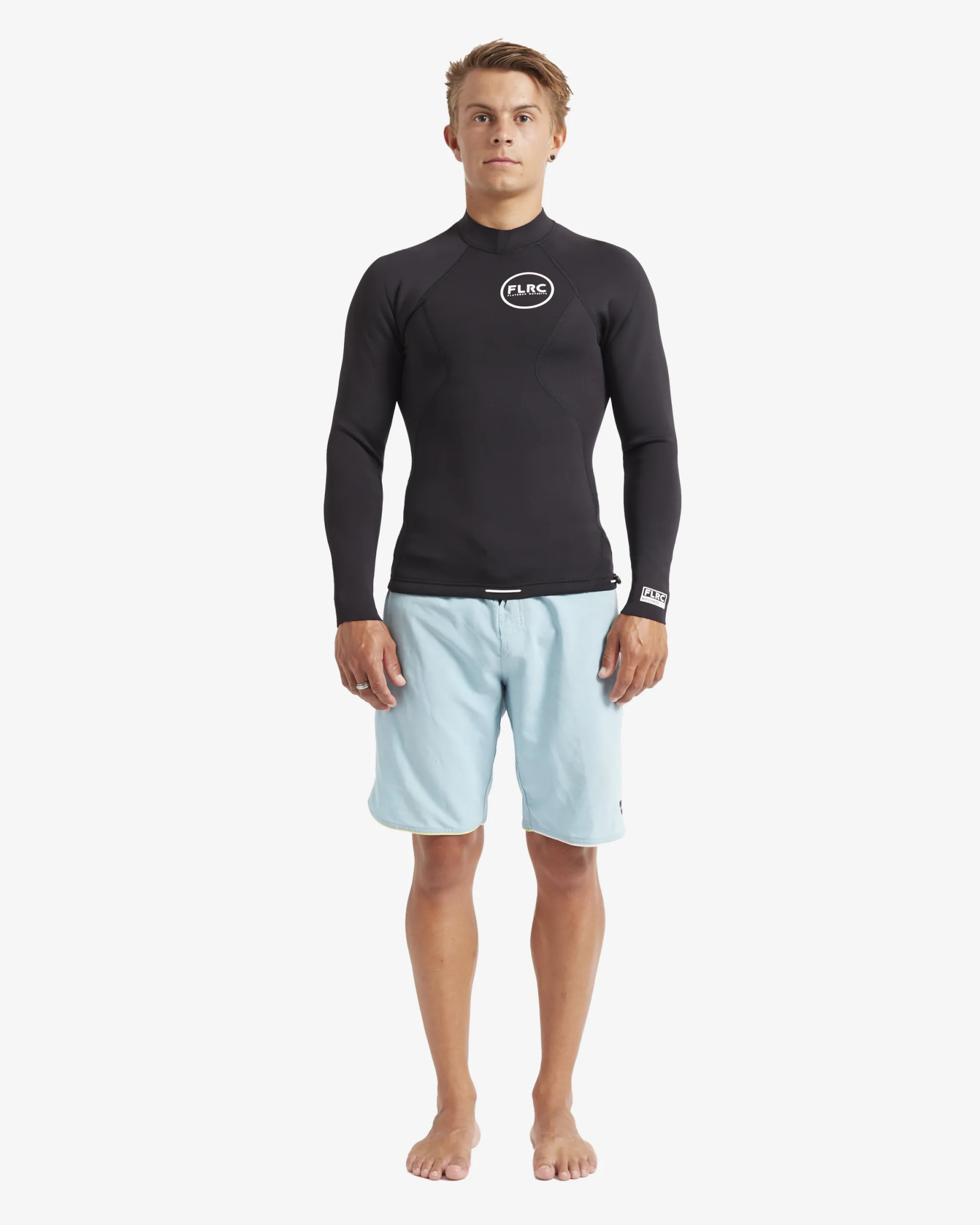
1. Lightweight wetsuit top or rashie
The water in Bali is genuinely like a bath, hovering around 27-28°C most of the year. A full-length wetsuit would cook you within minutes. The afternoon trades can whip up though, and after 4-5 hours in the lineup, even warm water and wind will chill you down.
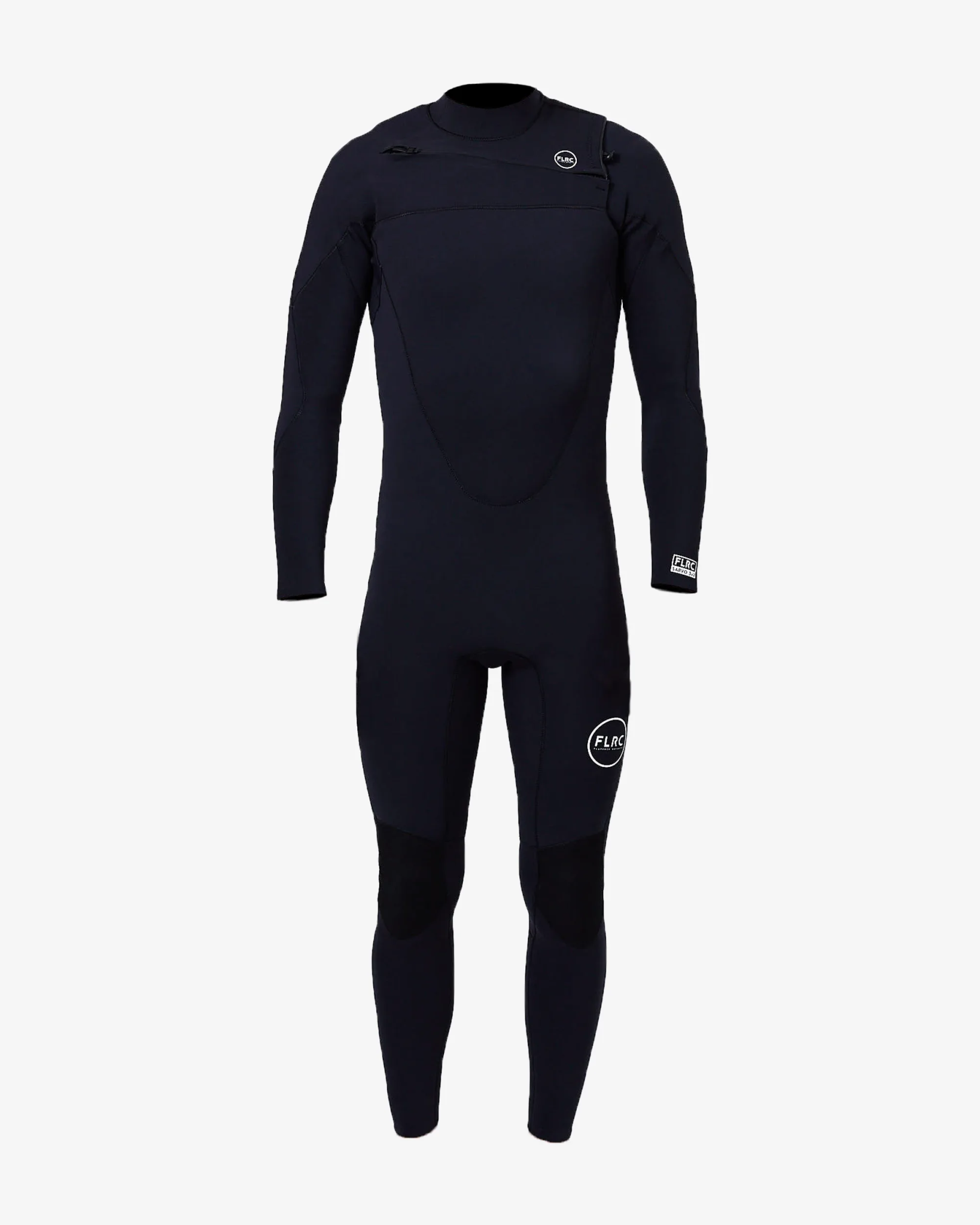
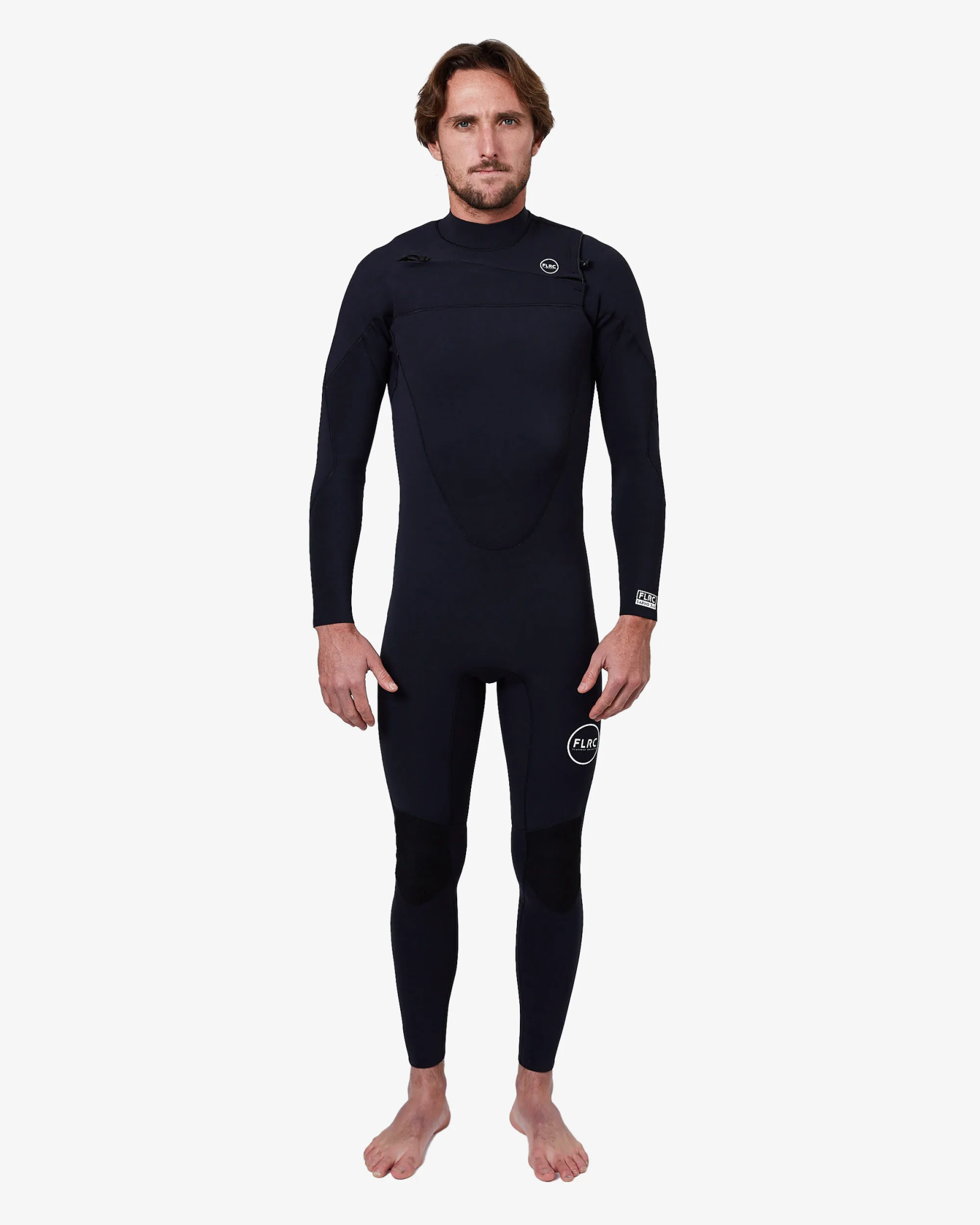
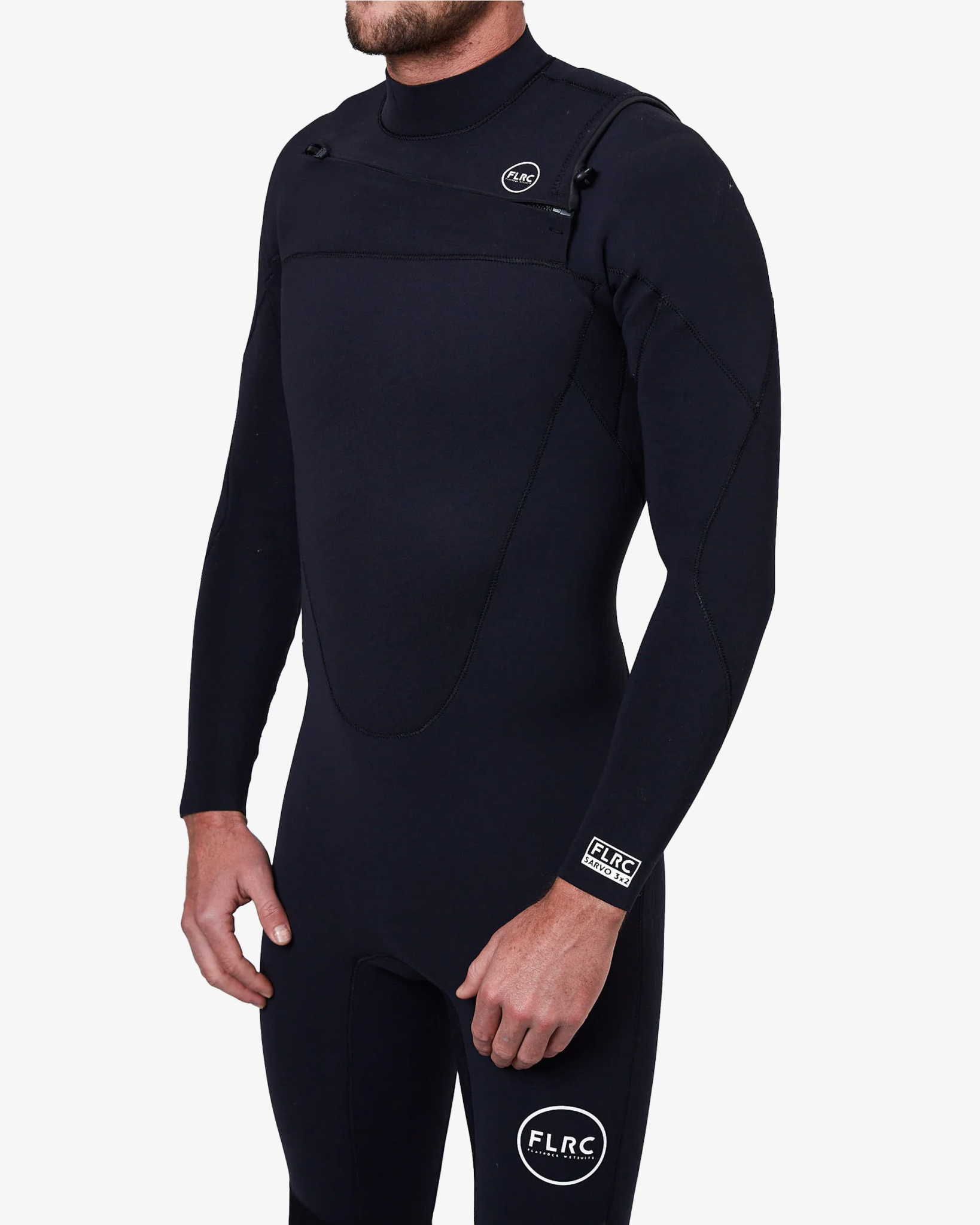
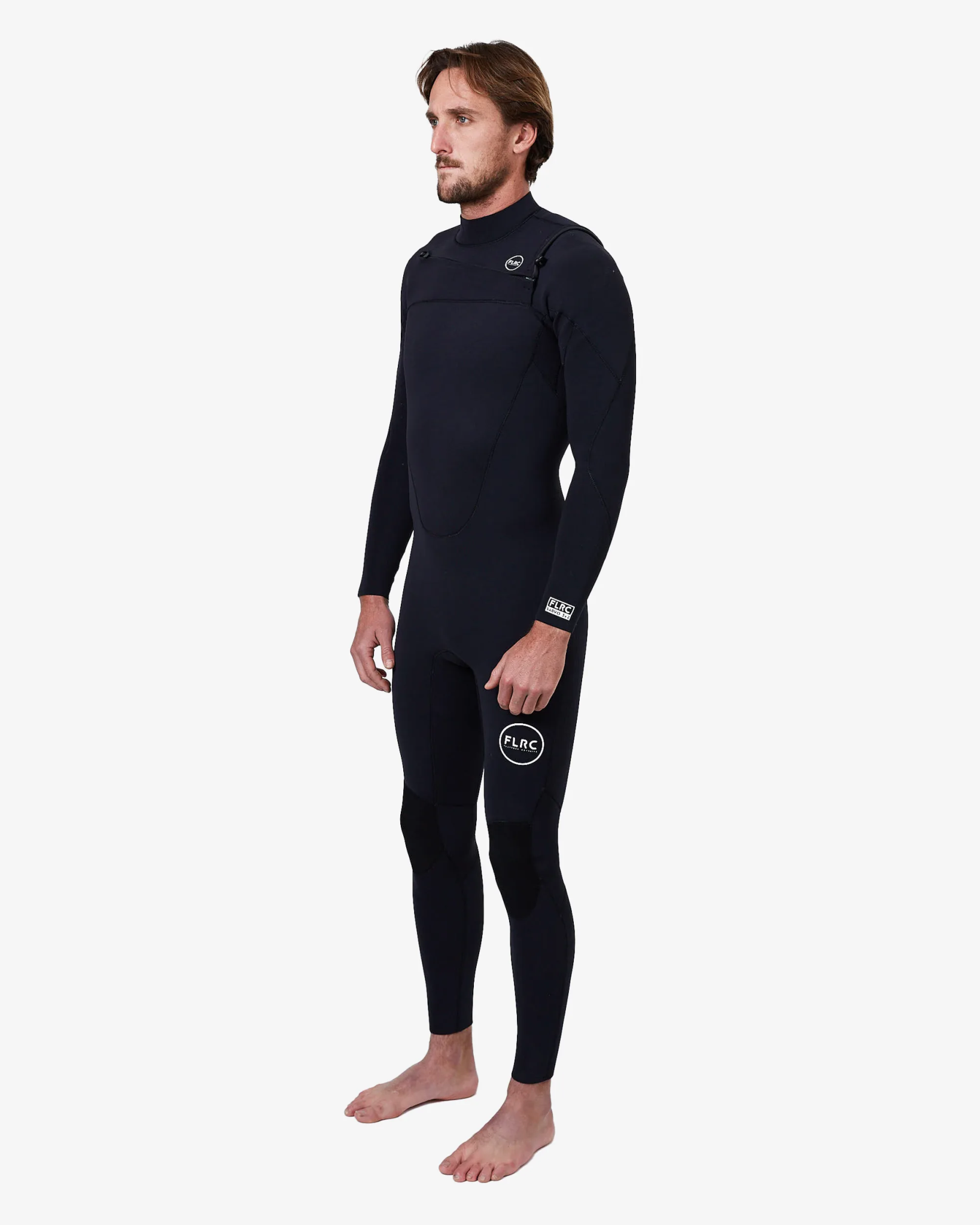
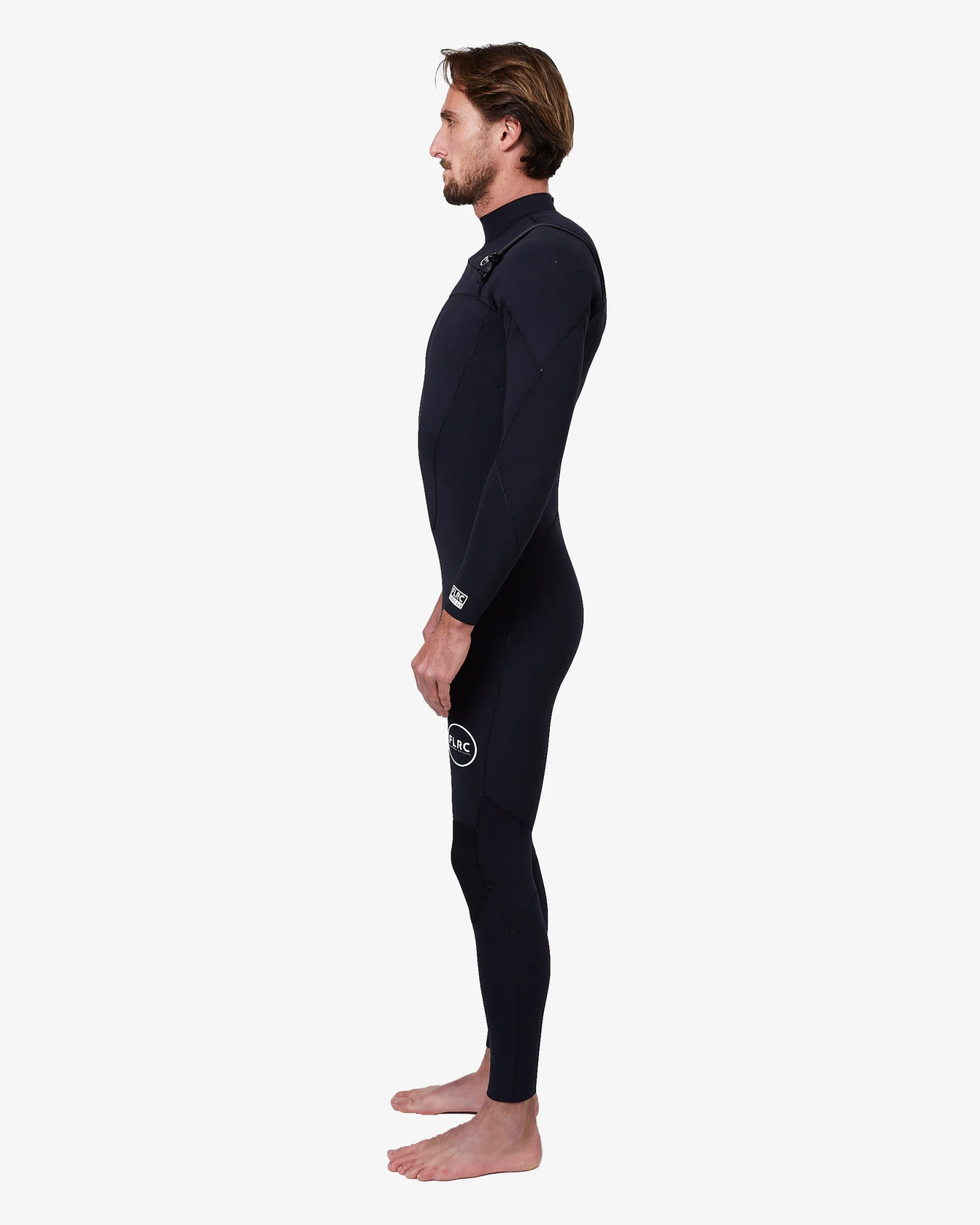
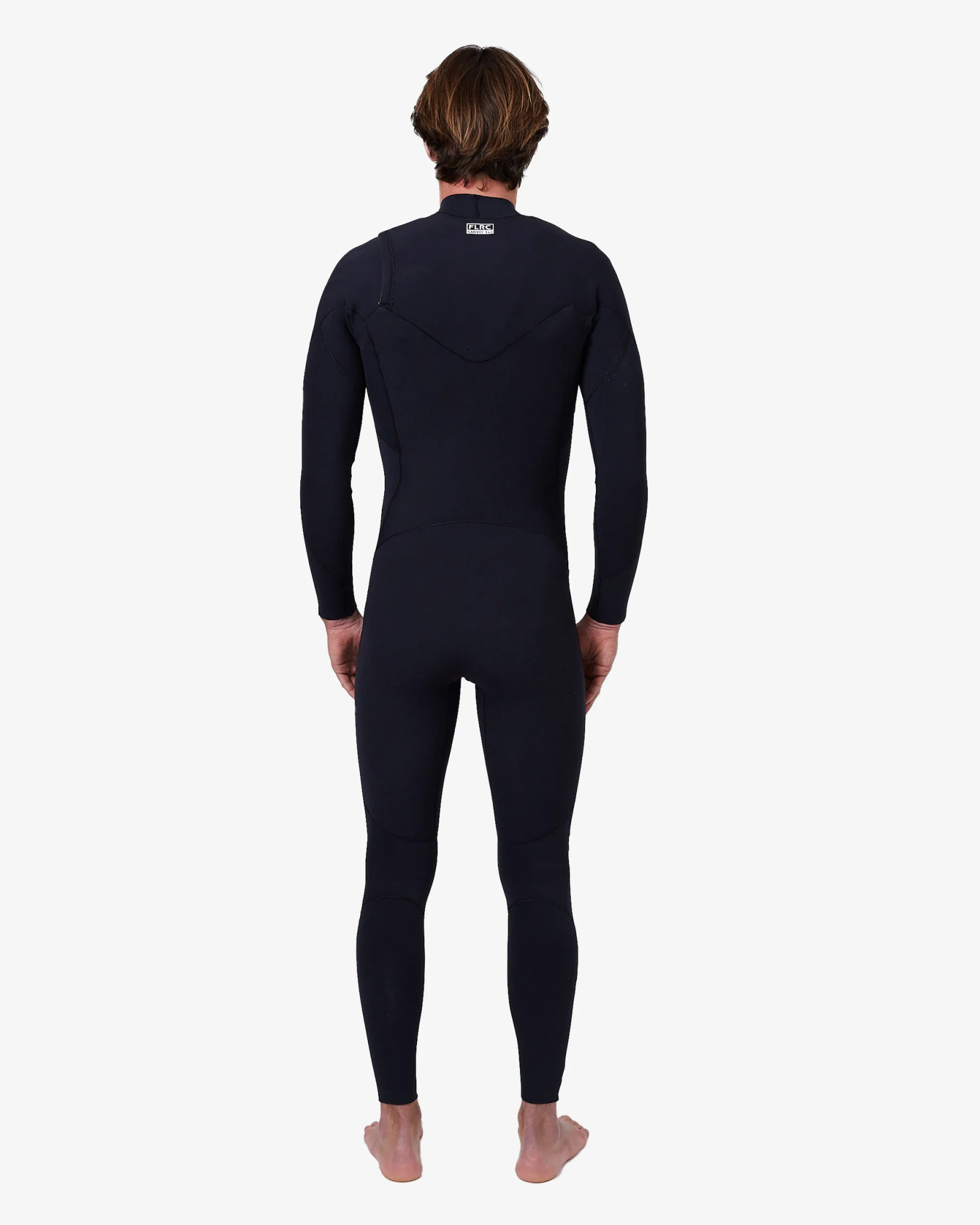
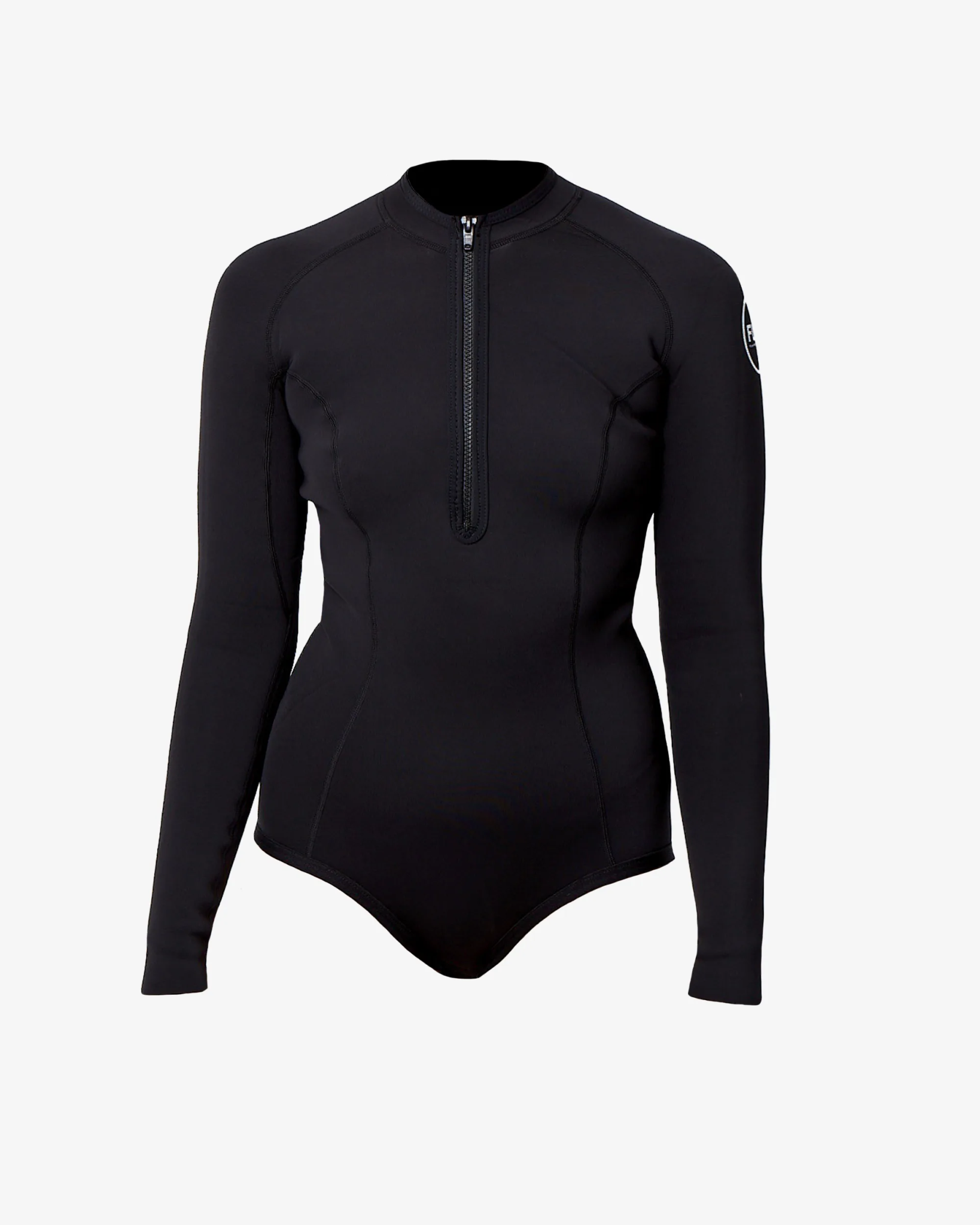
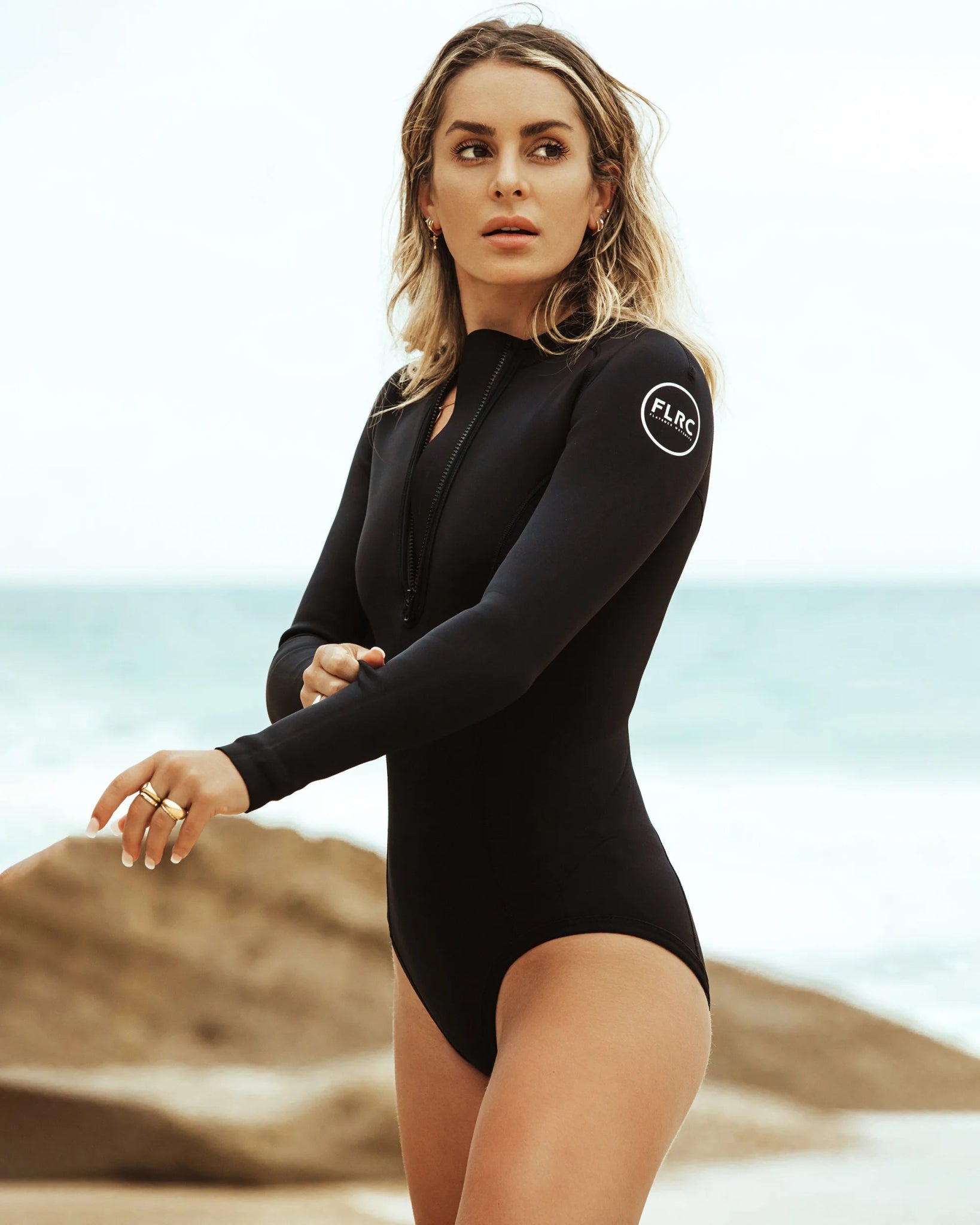
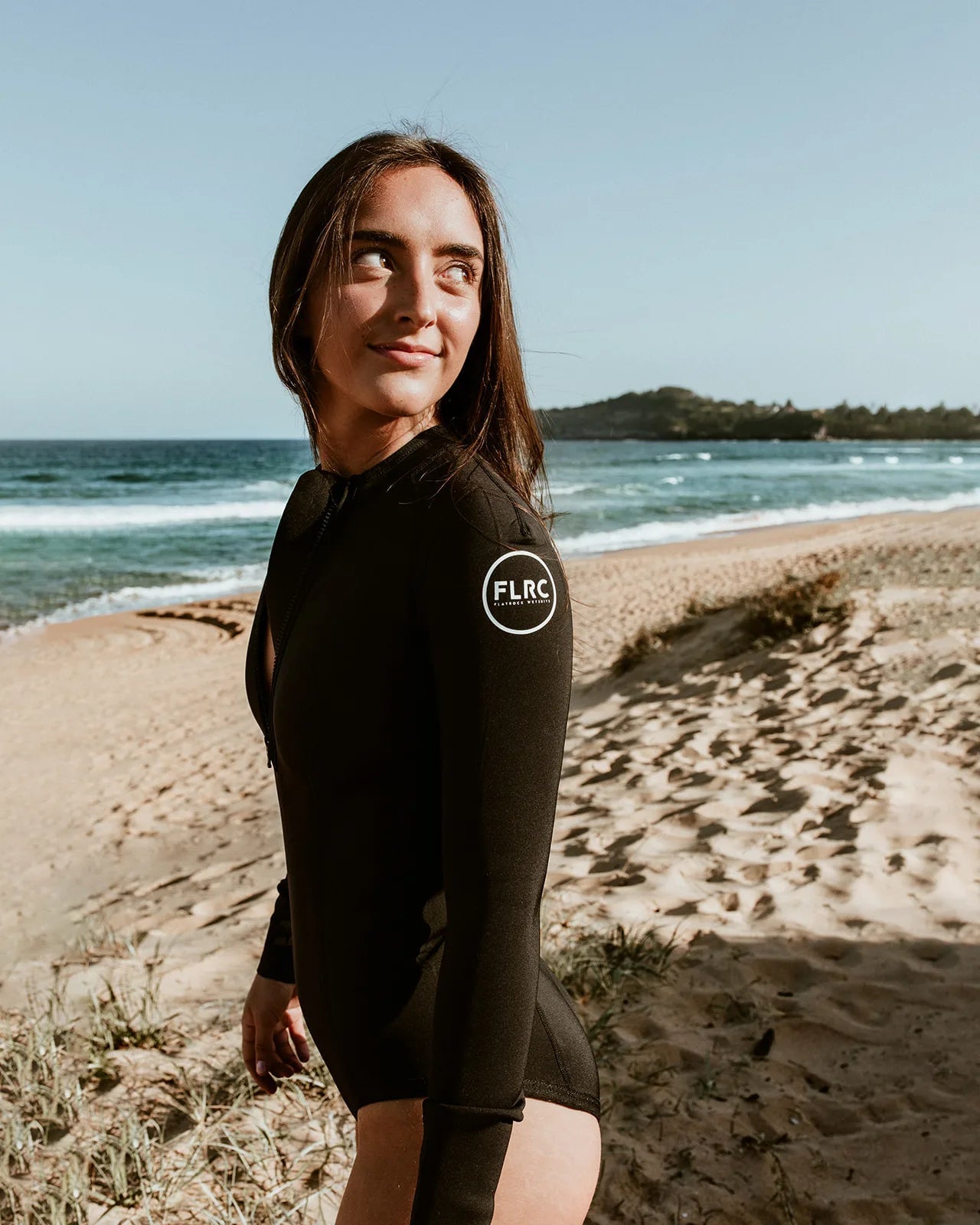
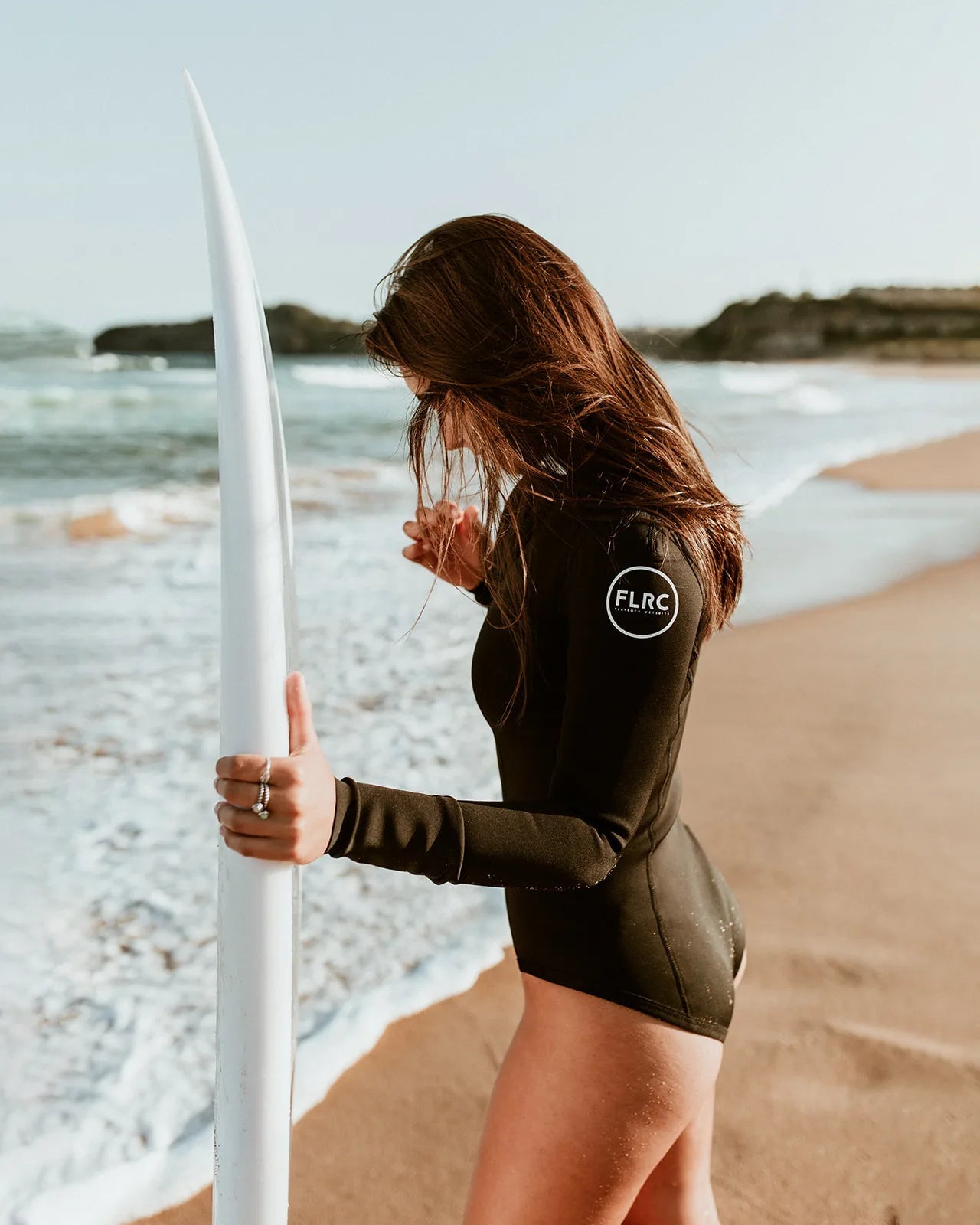
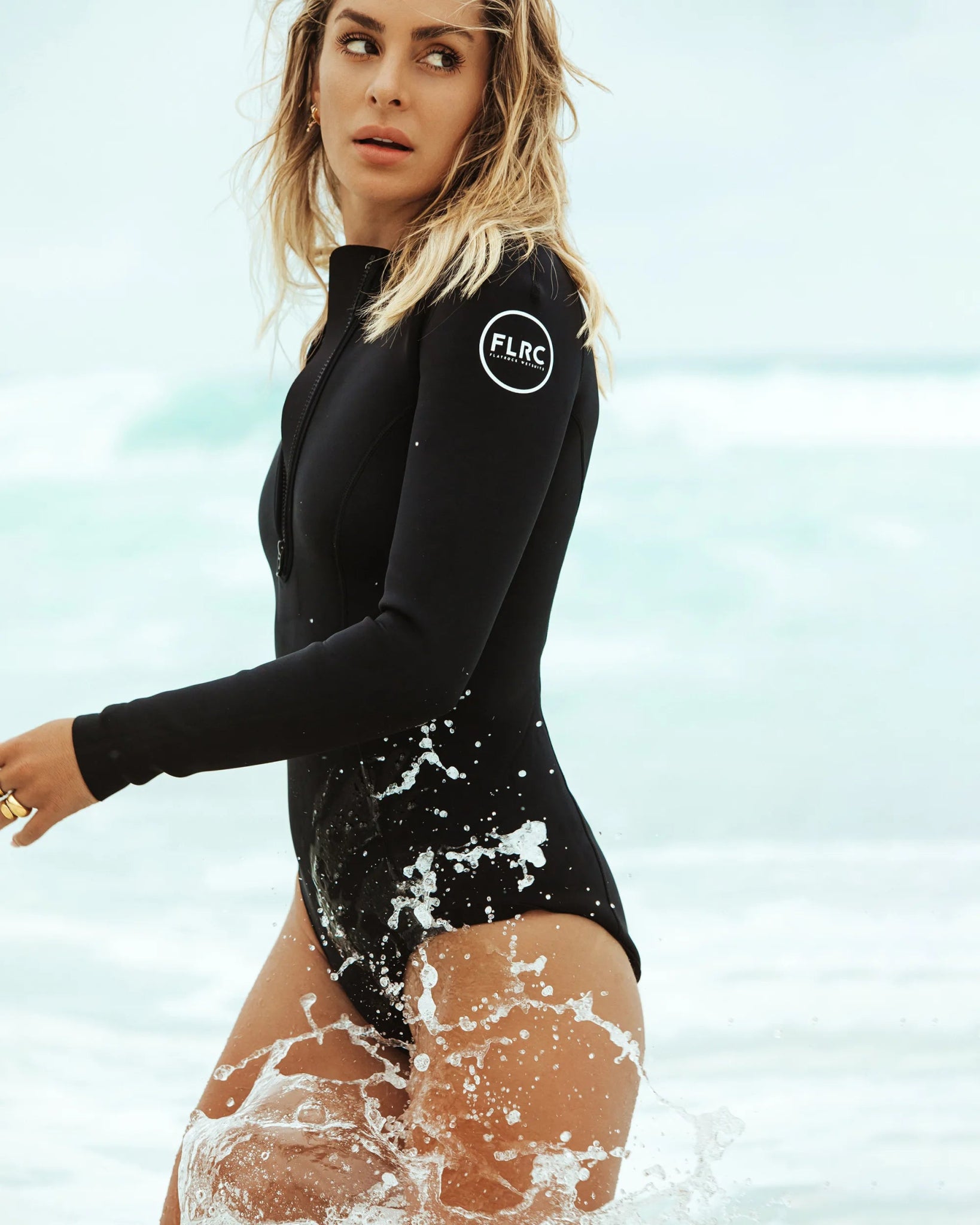
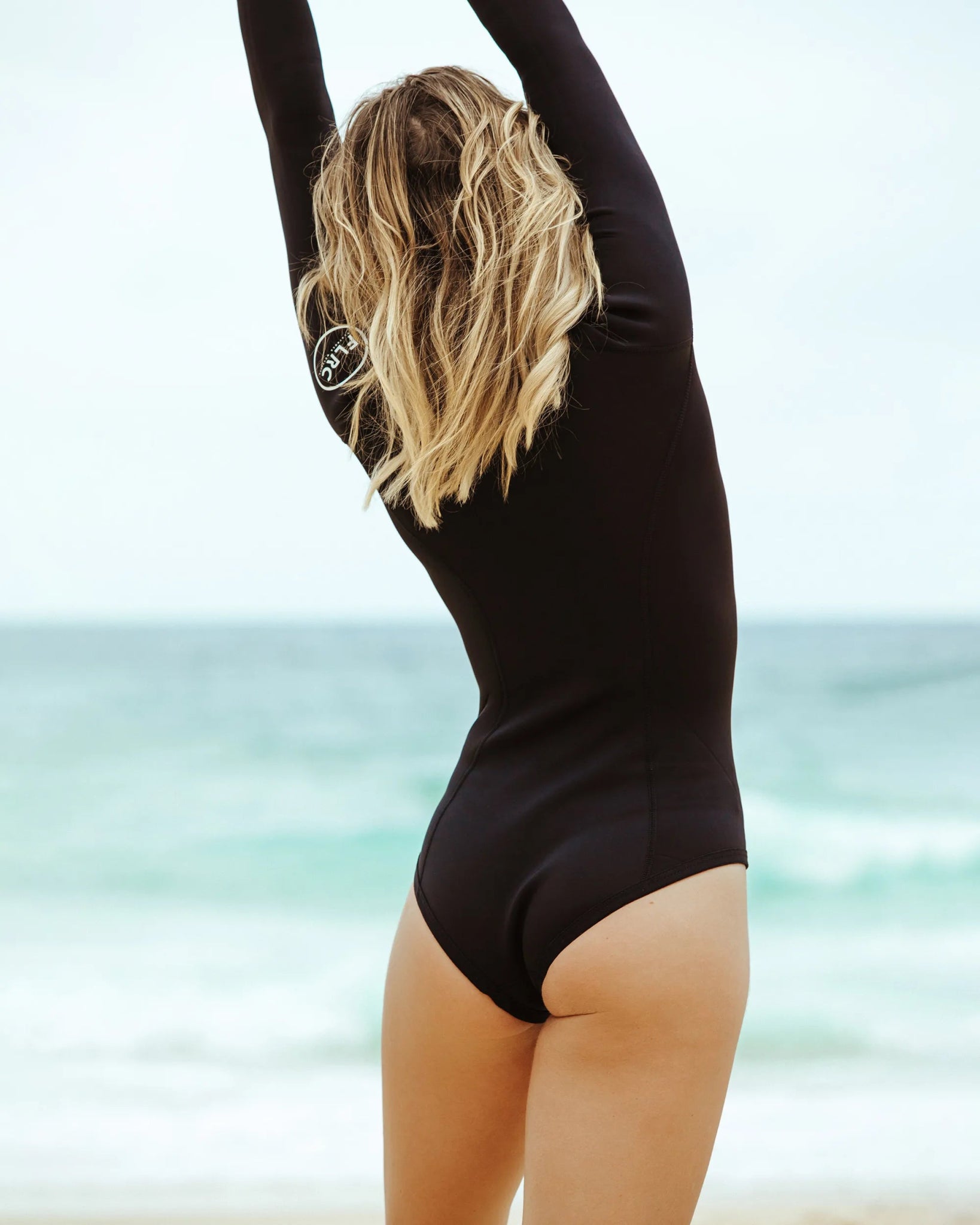
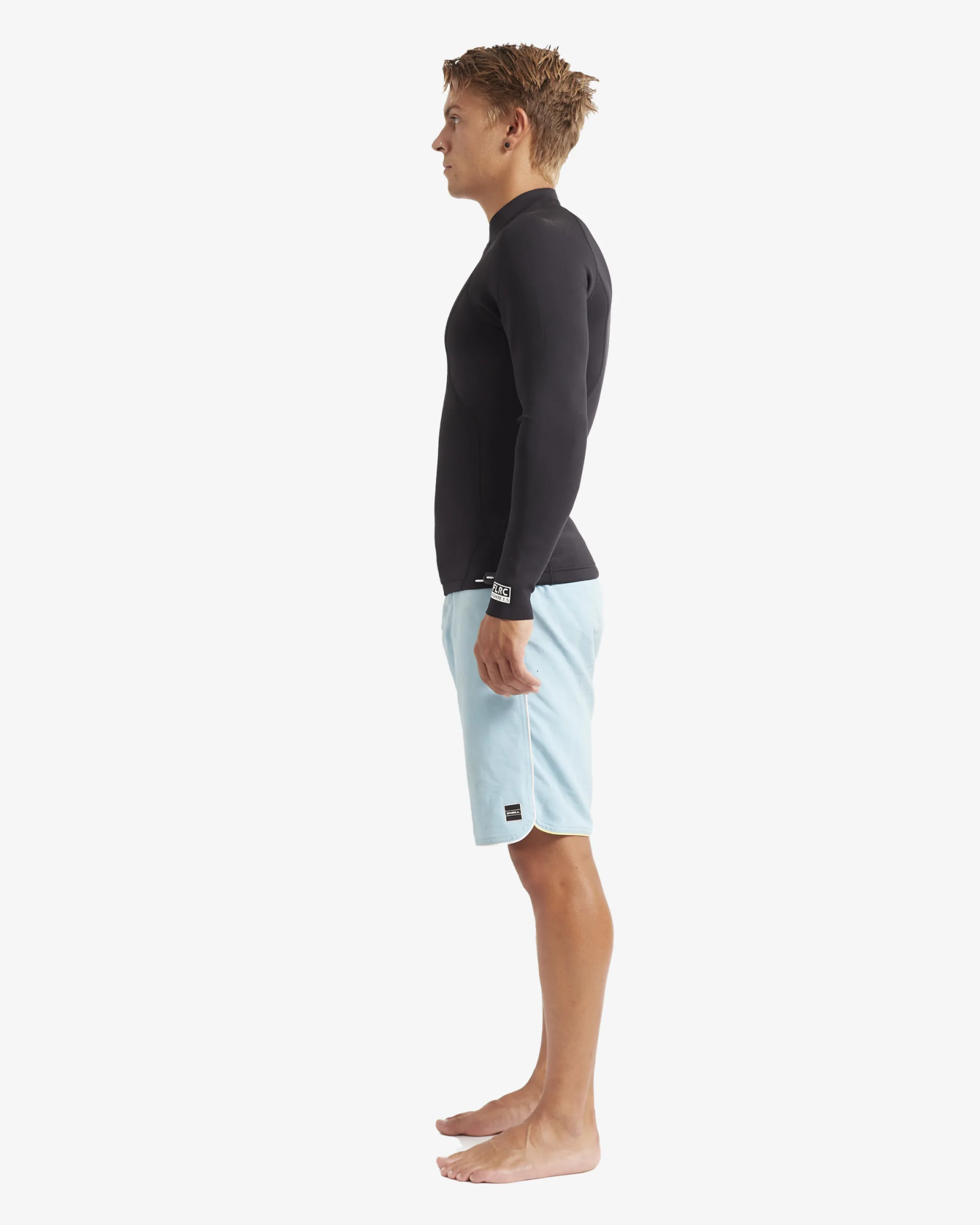
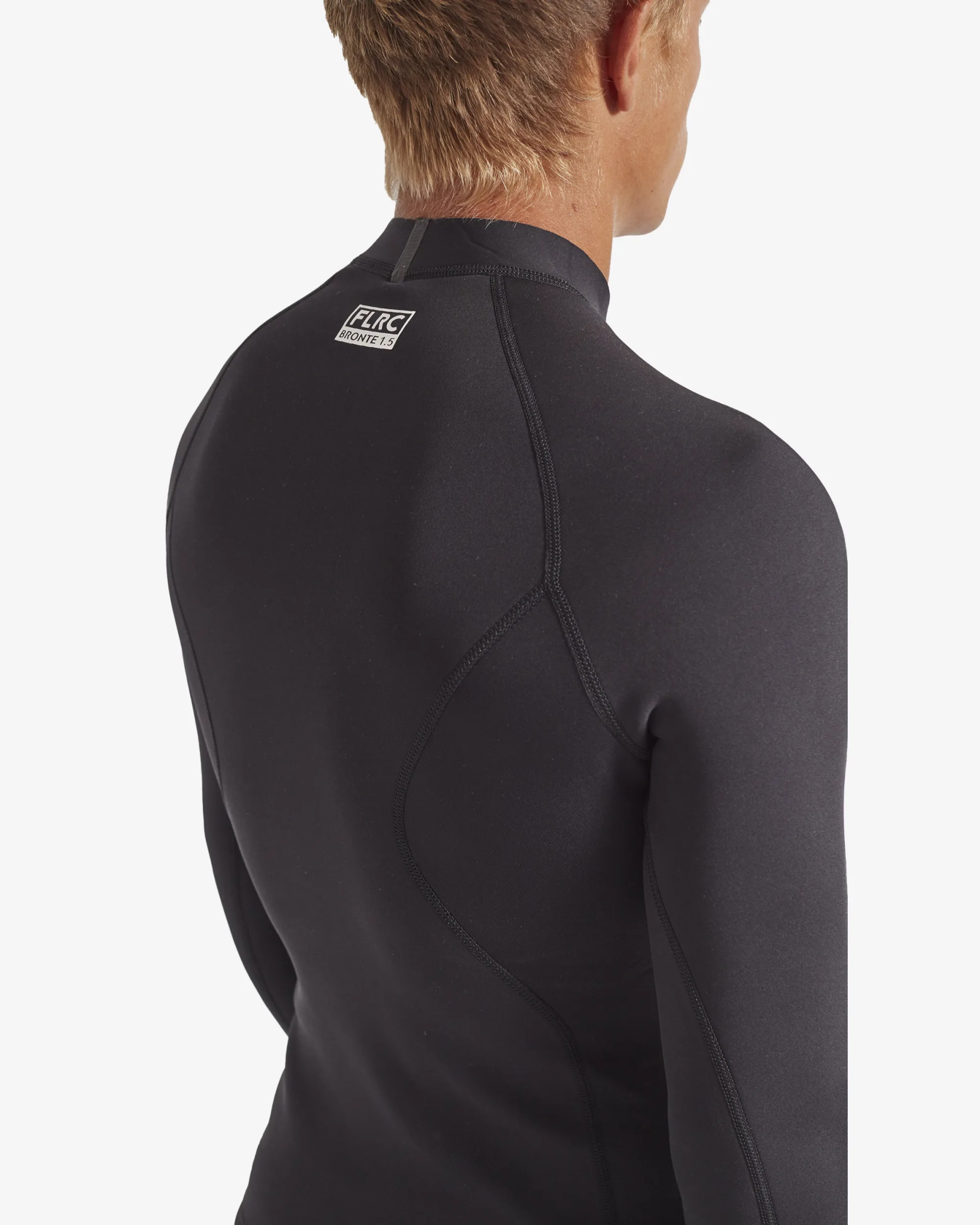
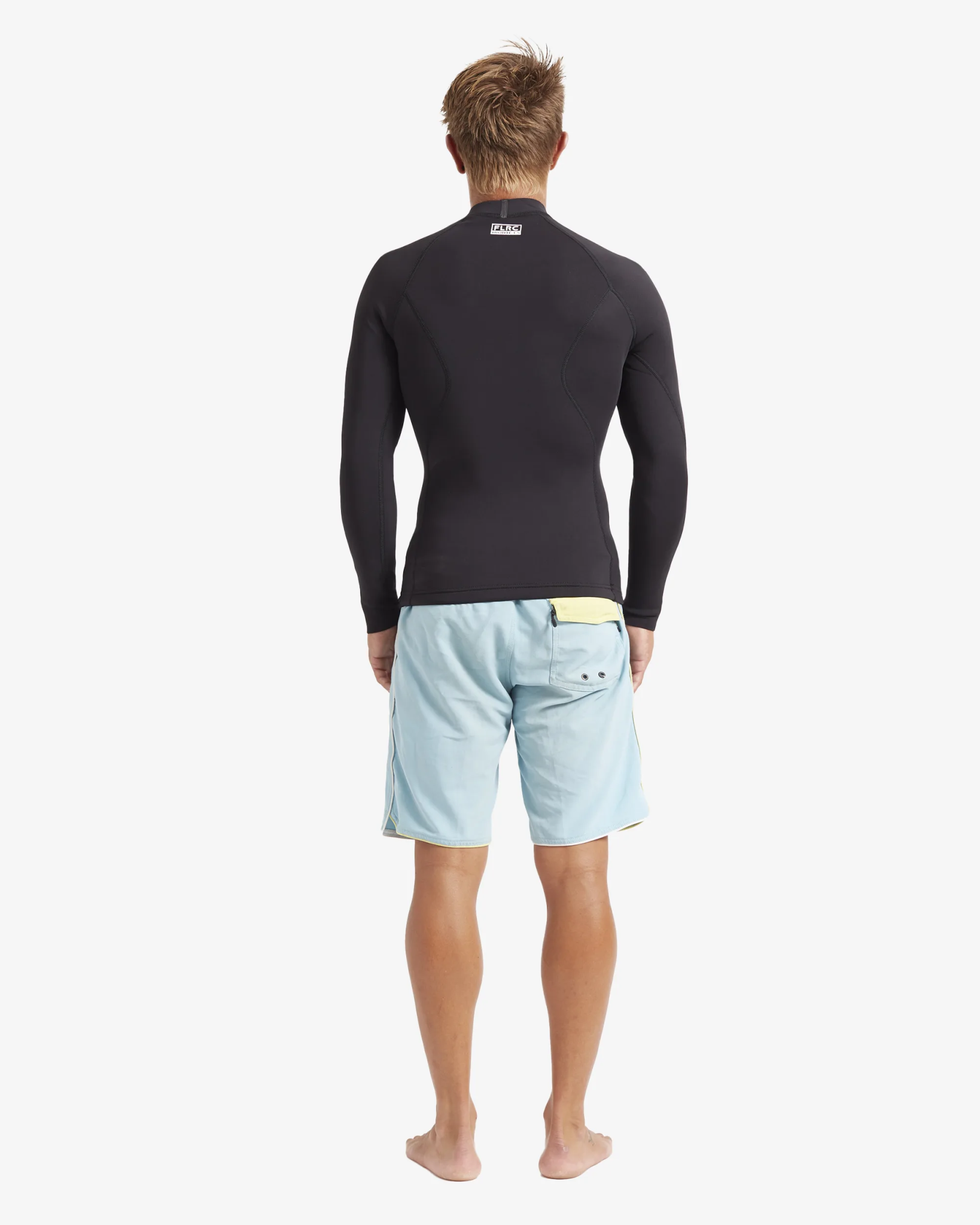
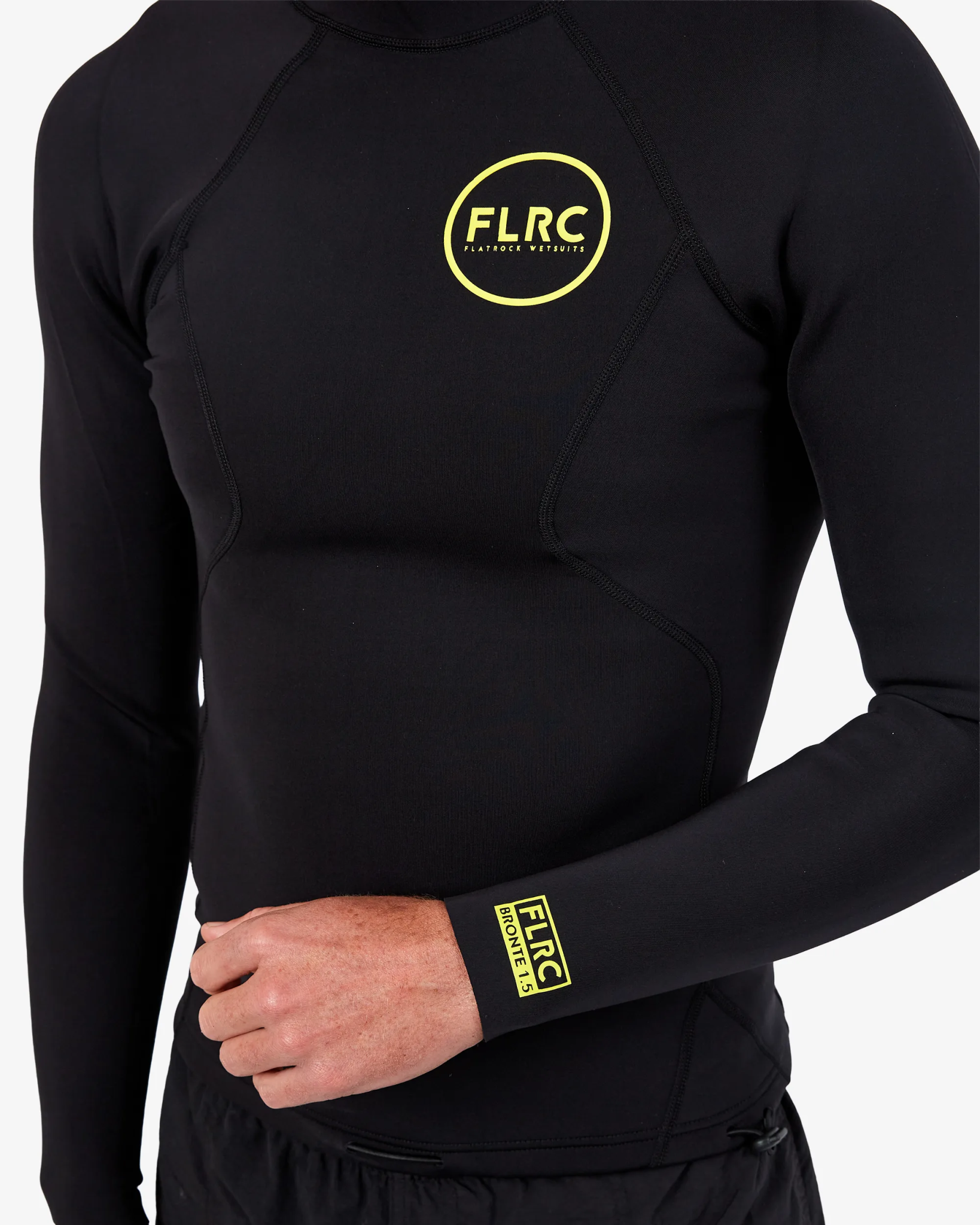
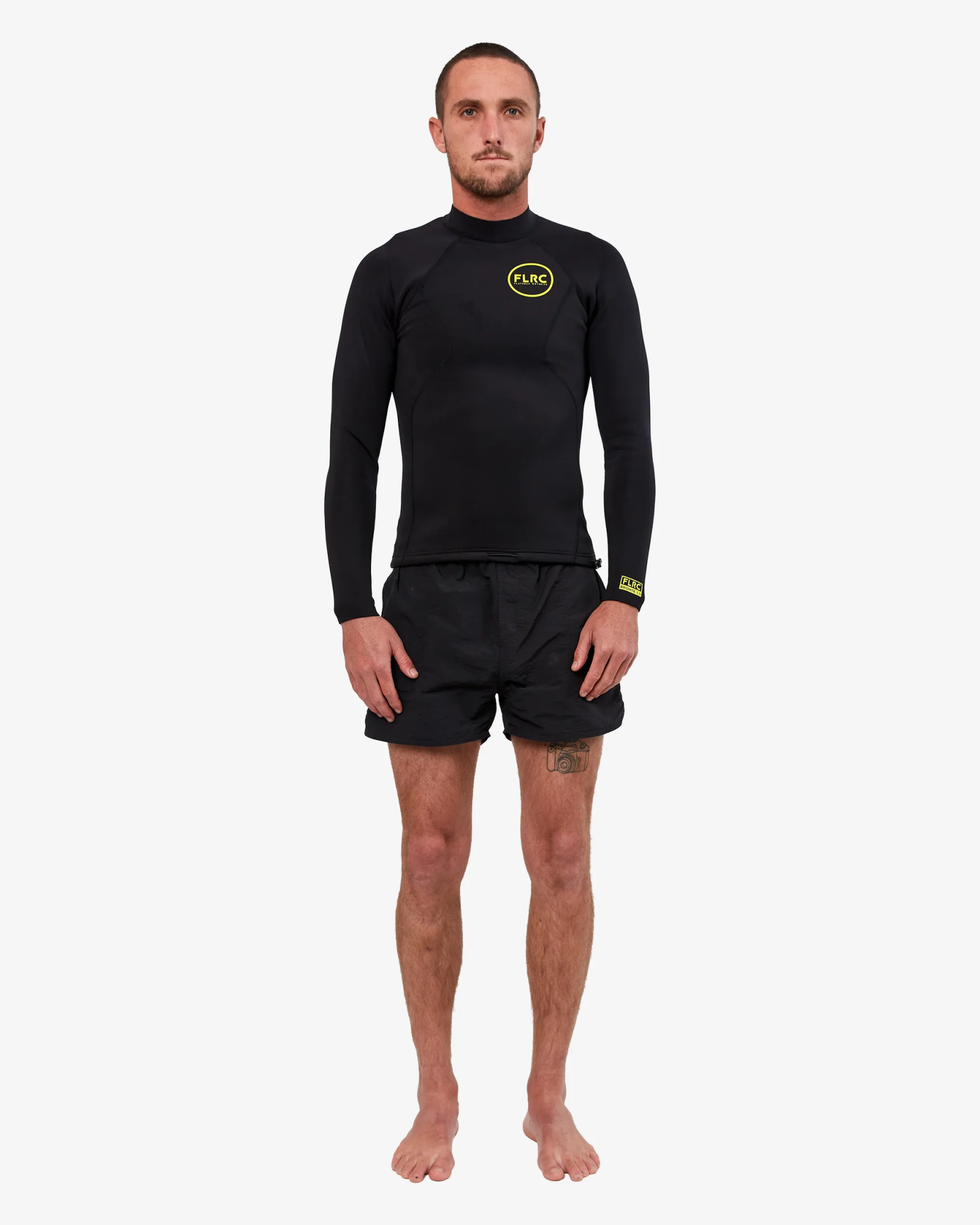
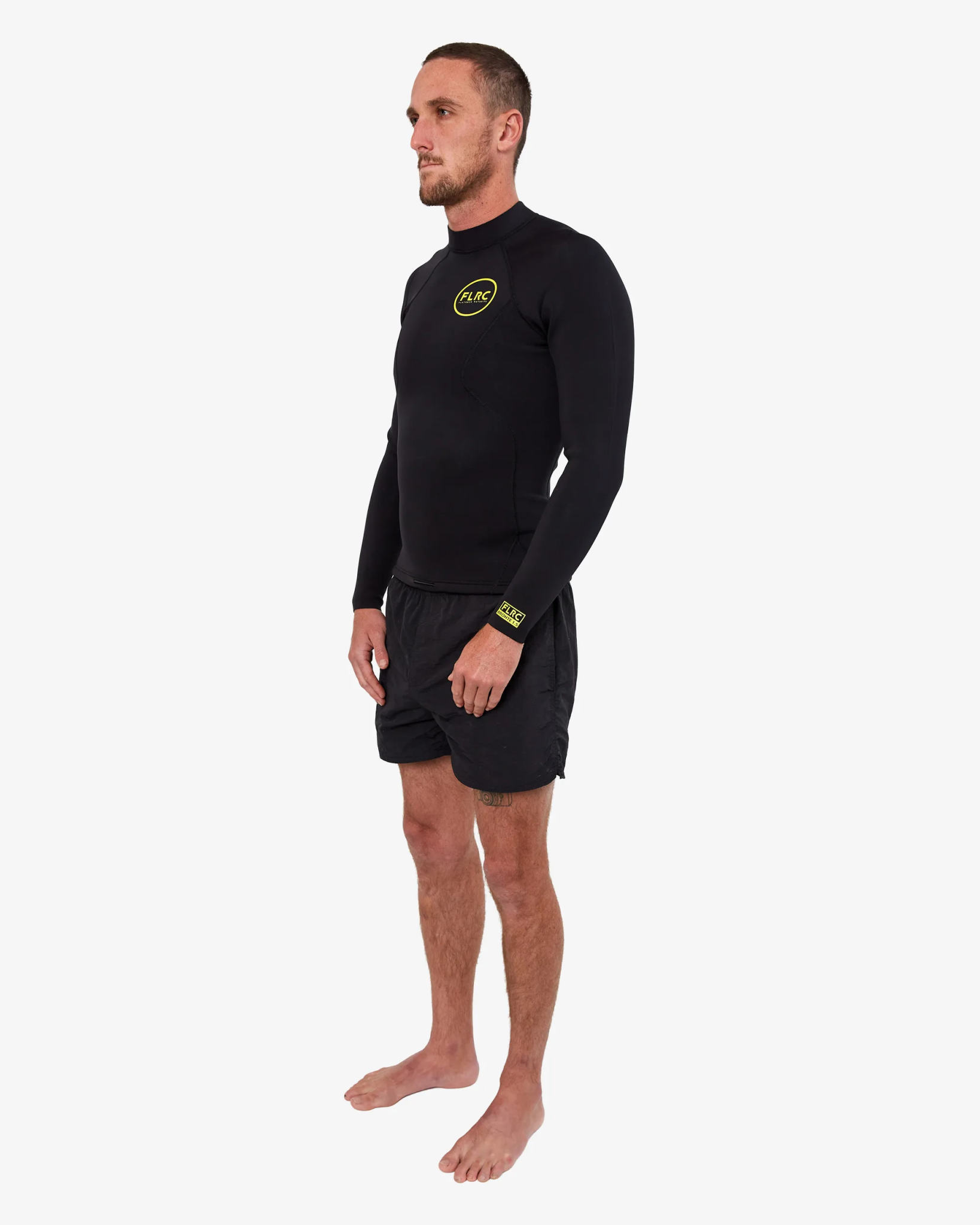
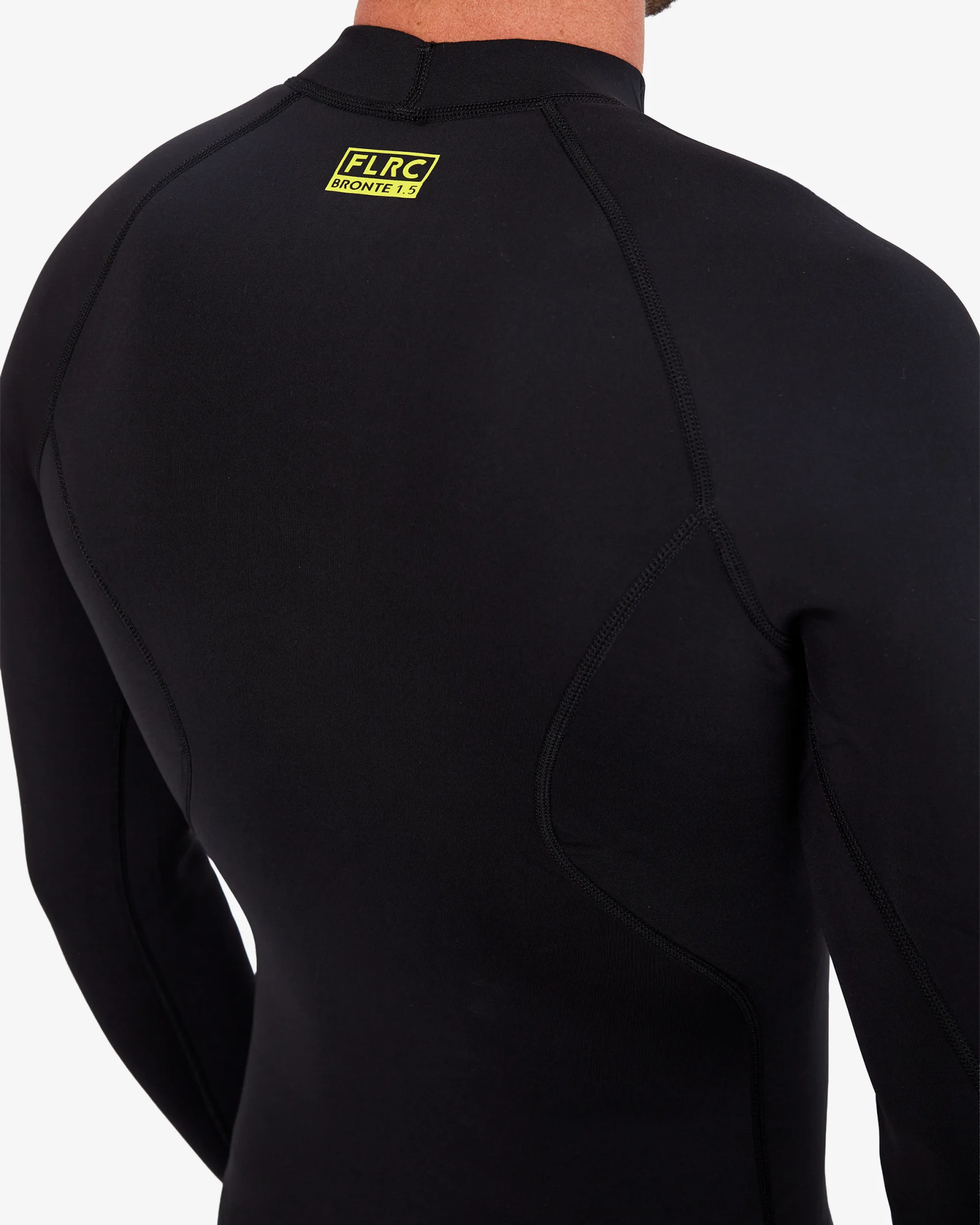
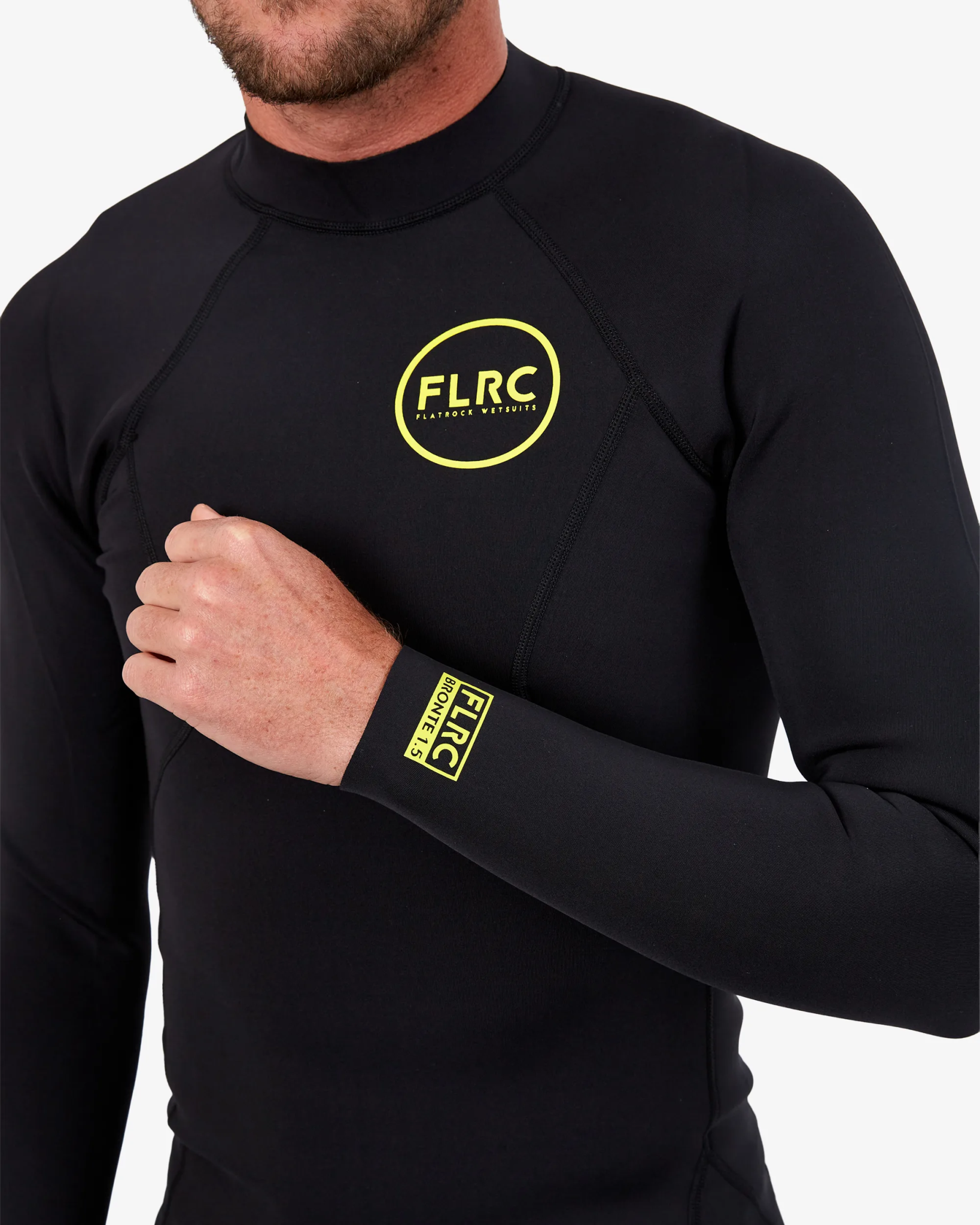
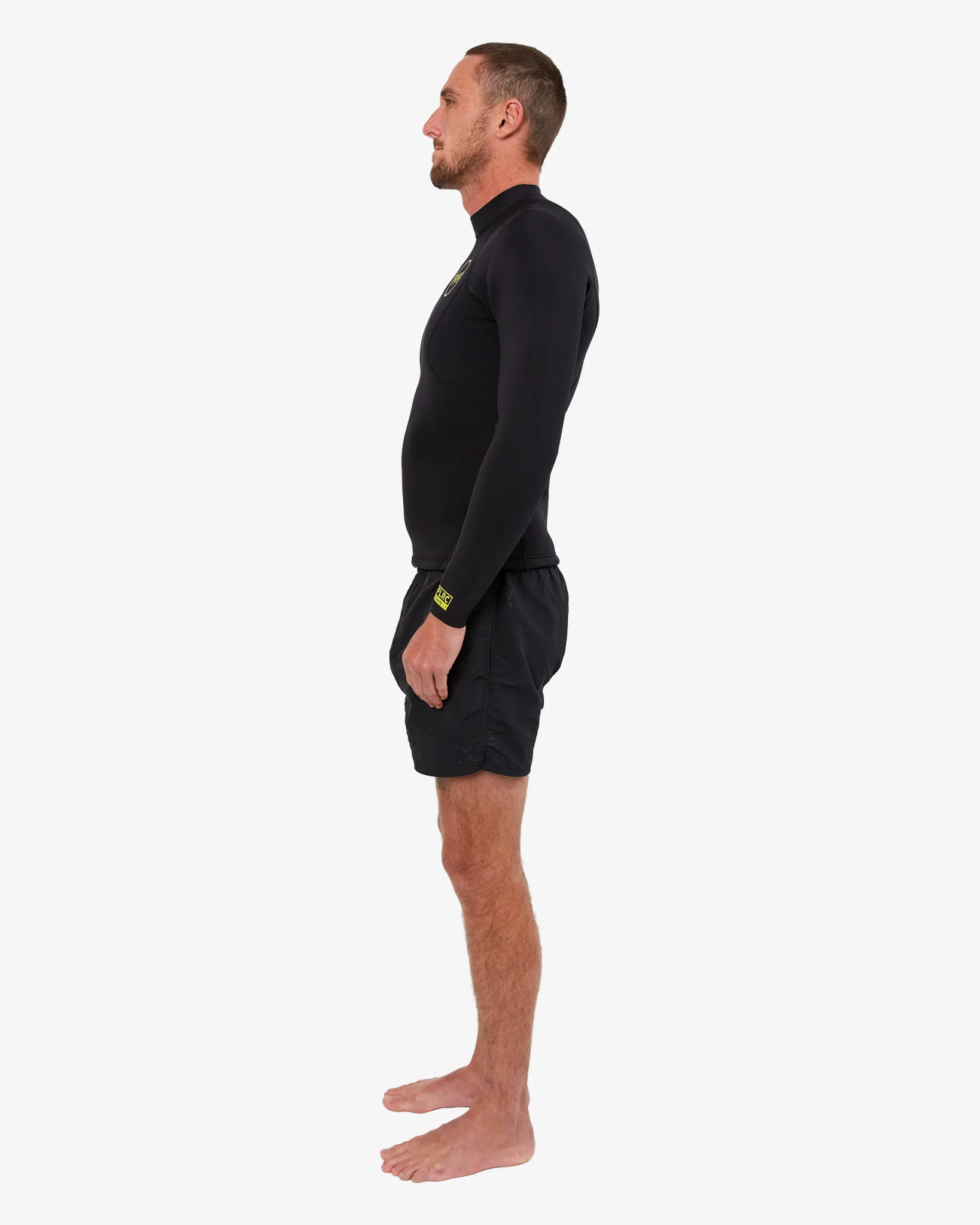
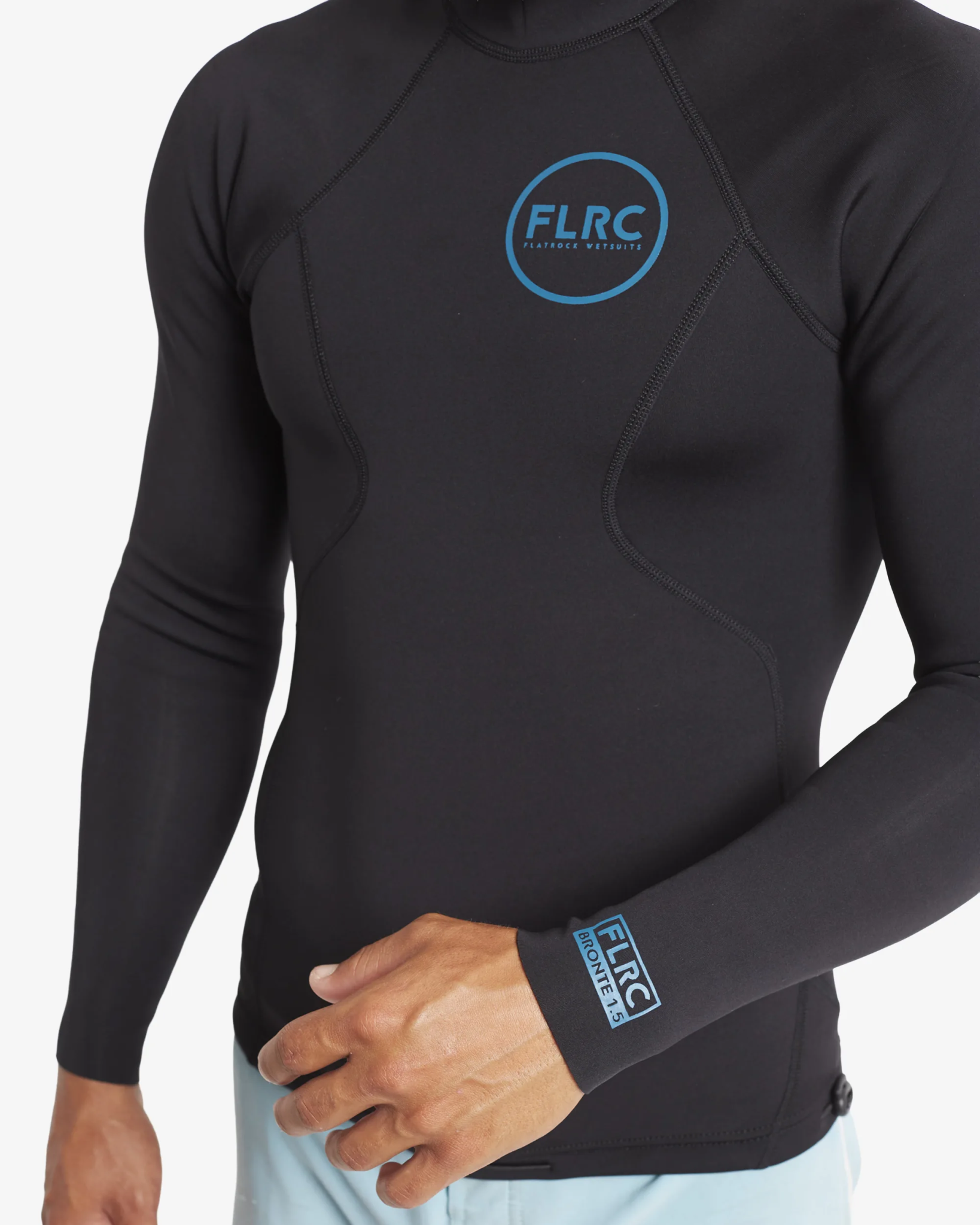
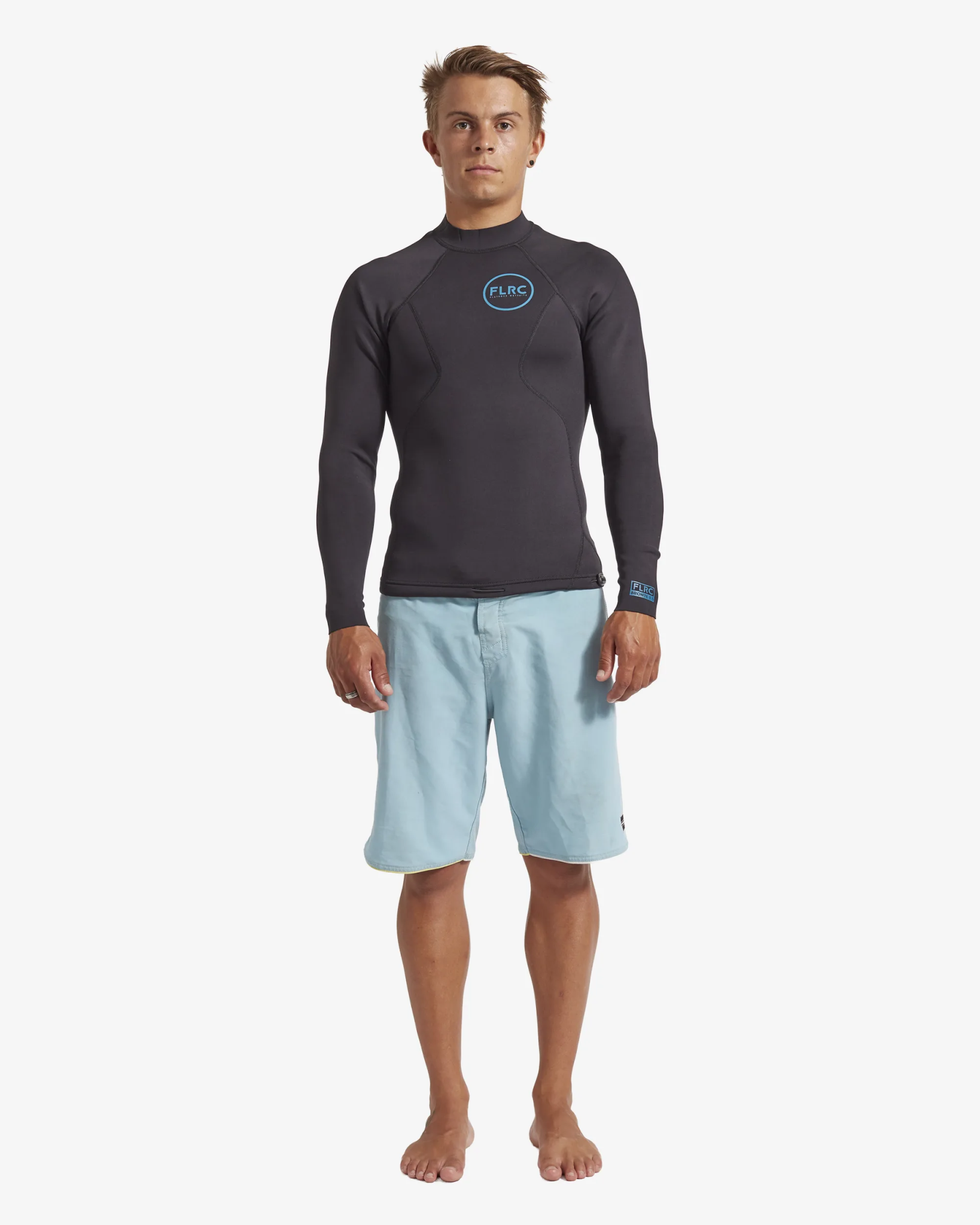
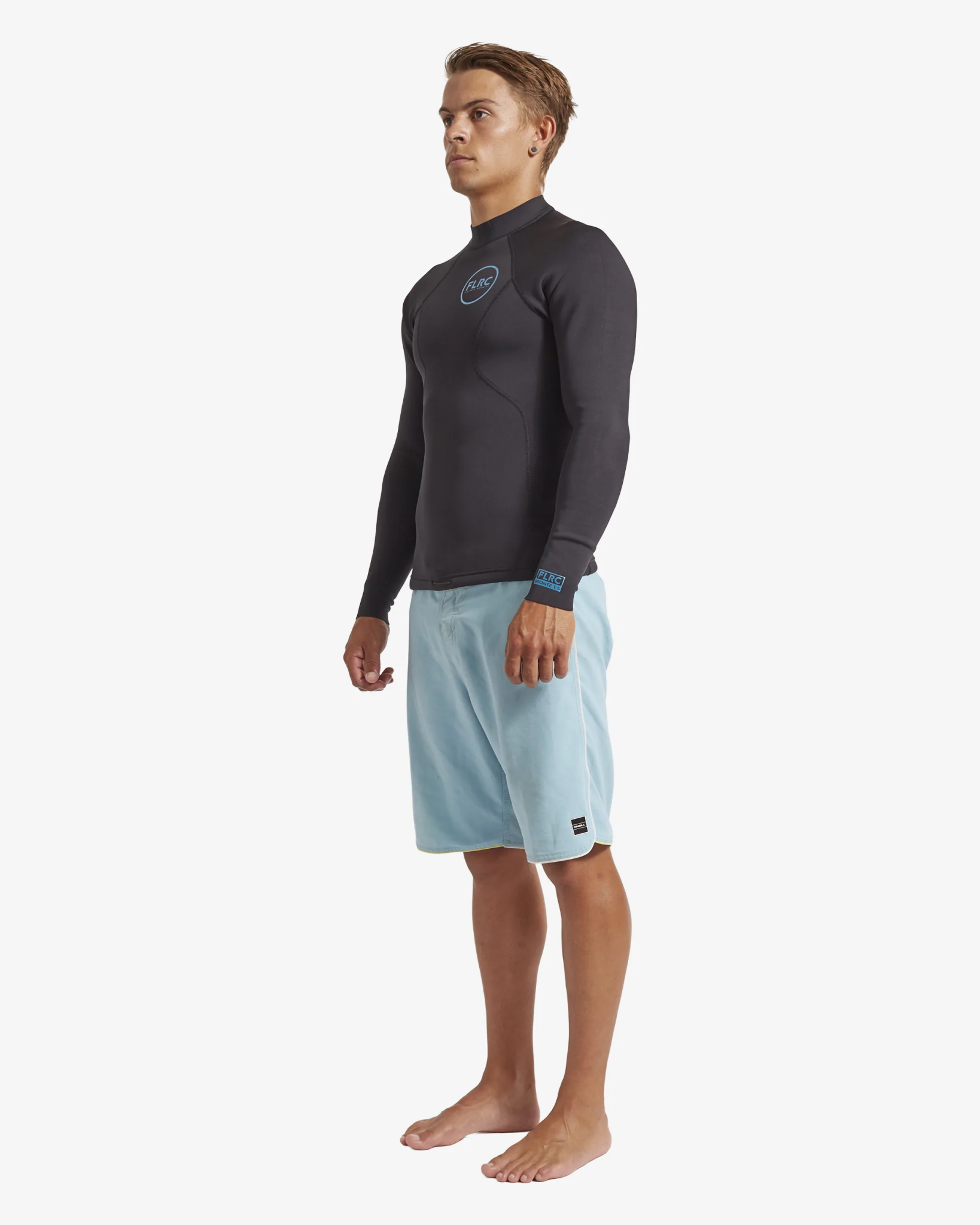
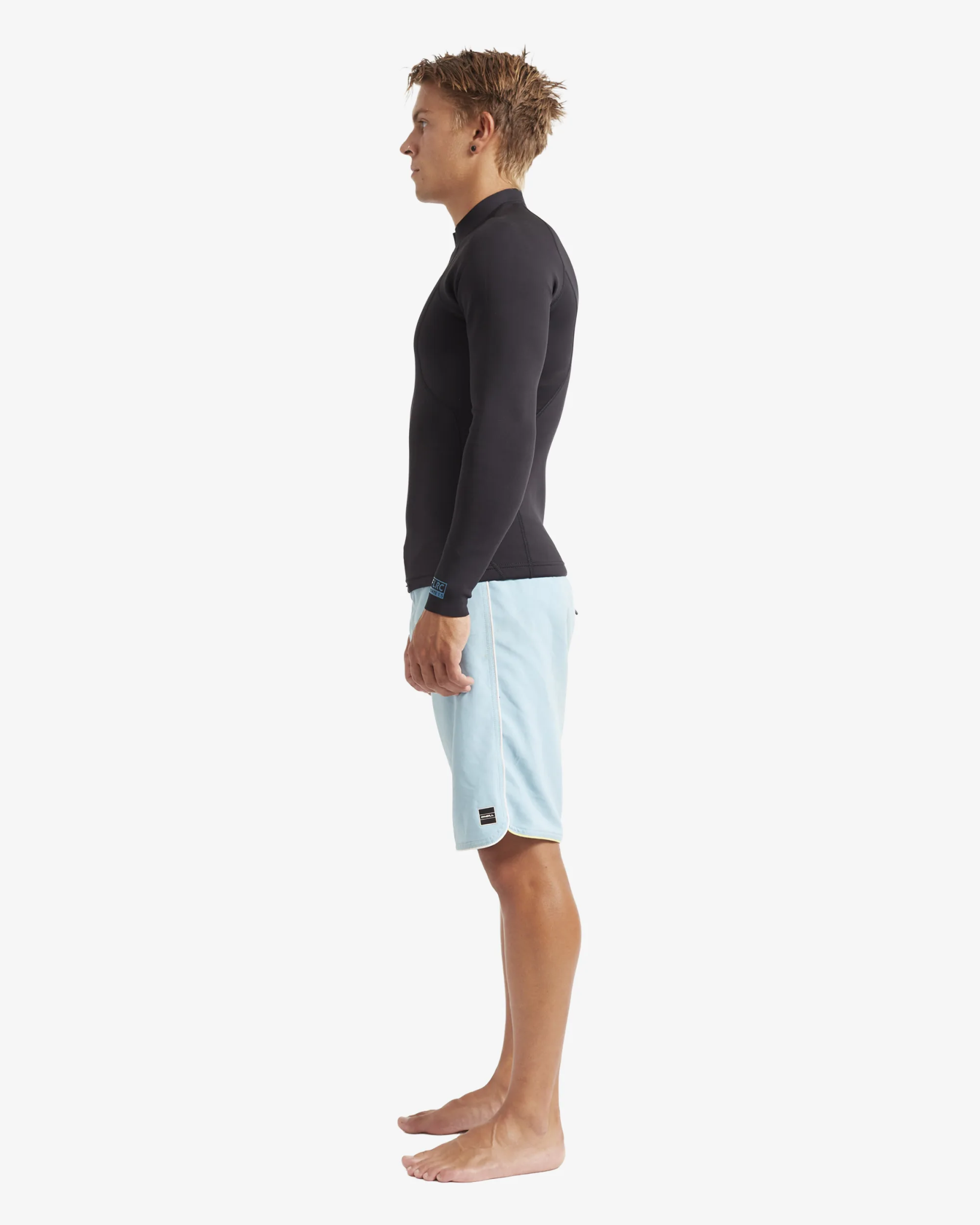
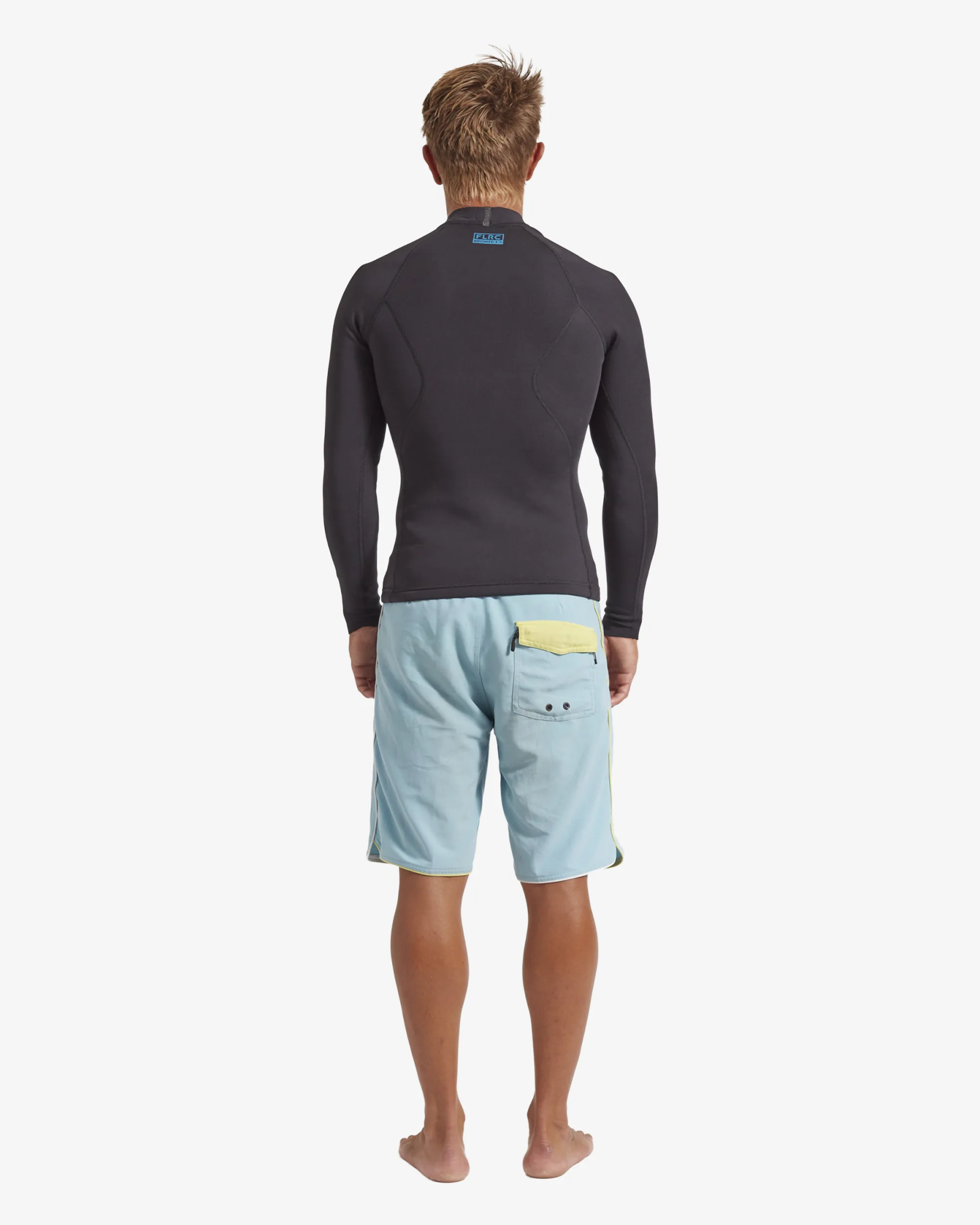
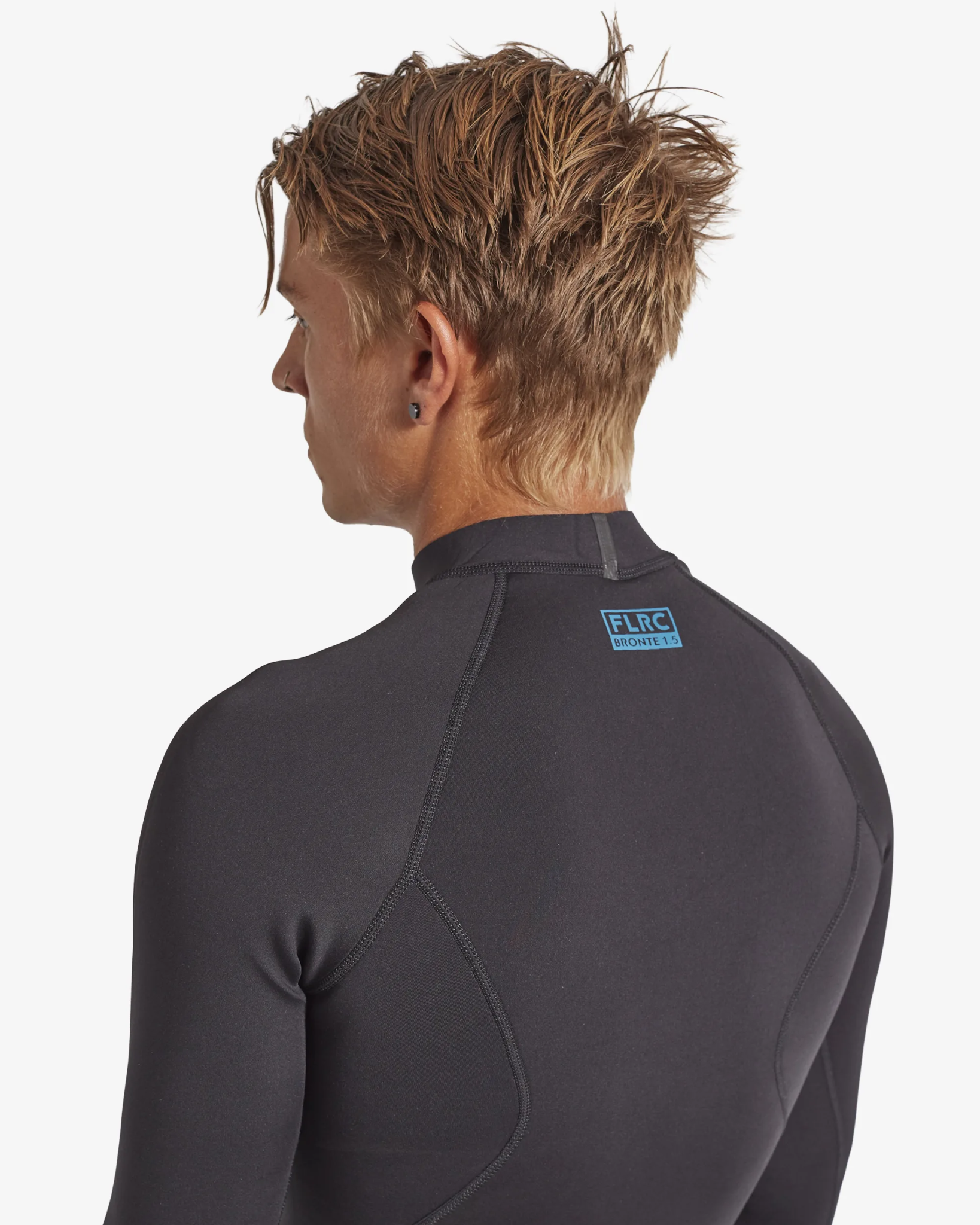
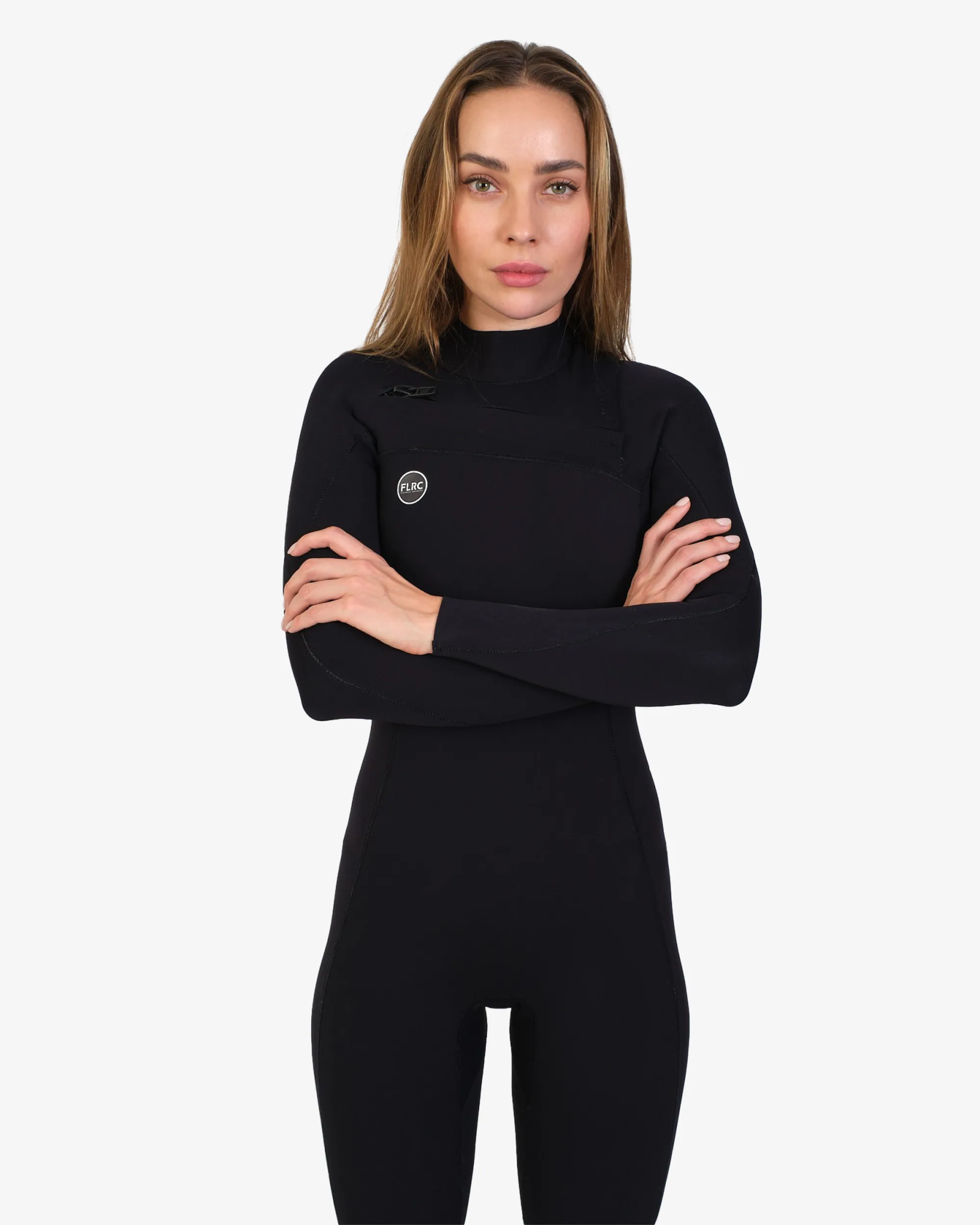
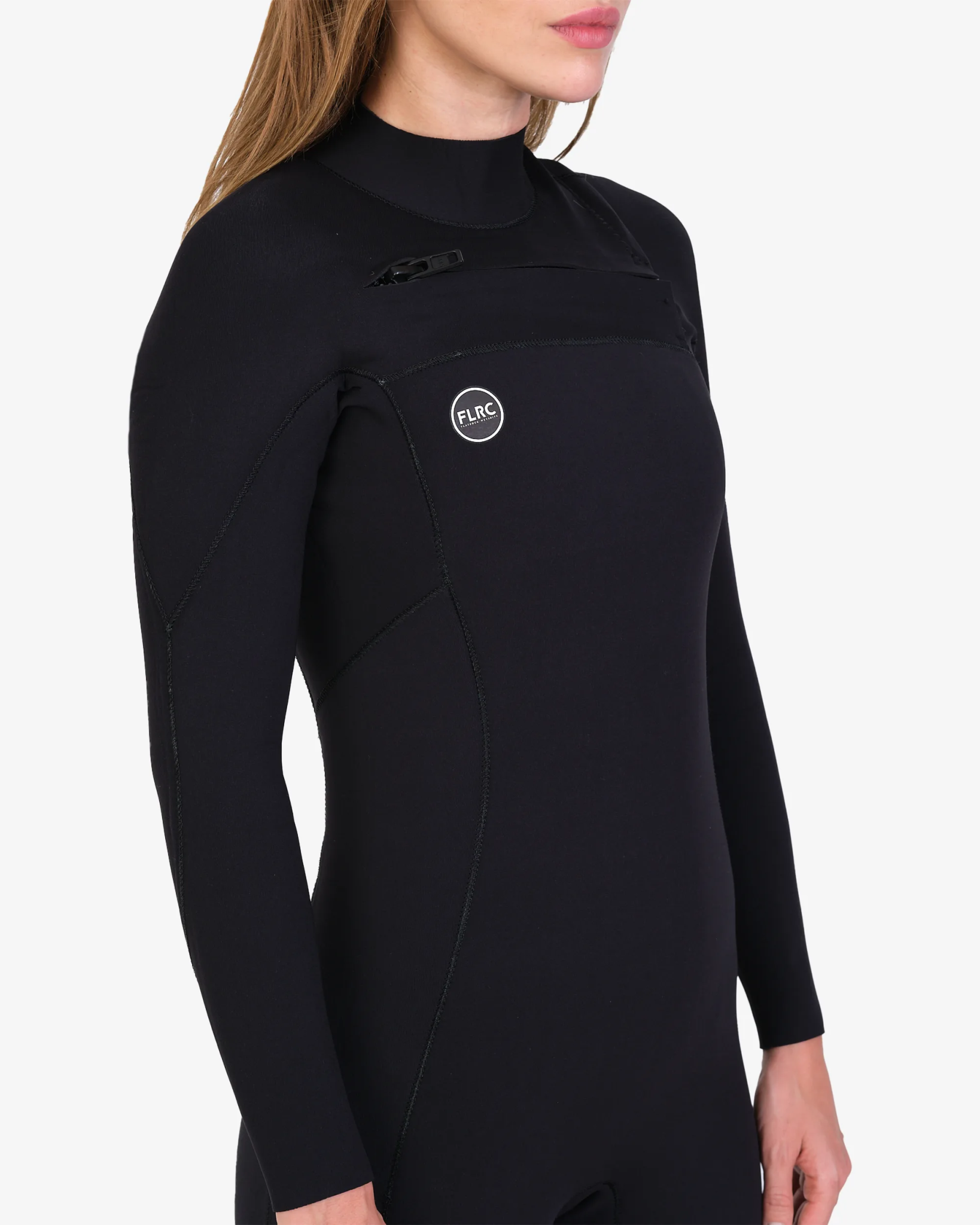
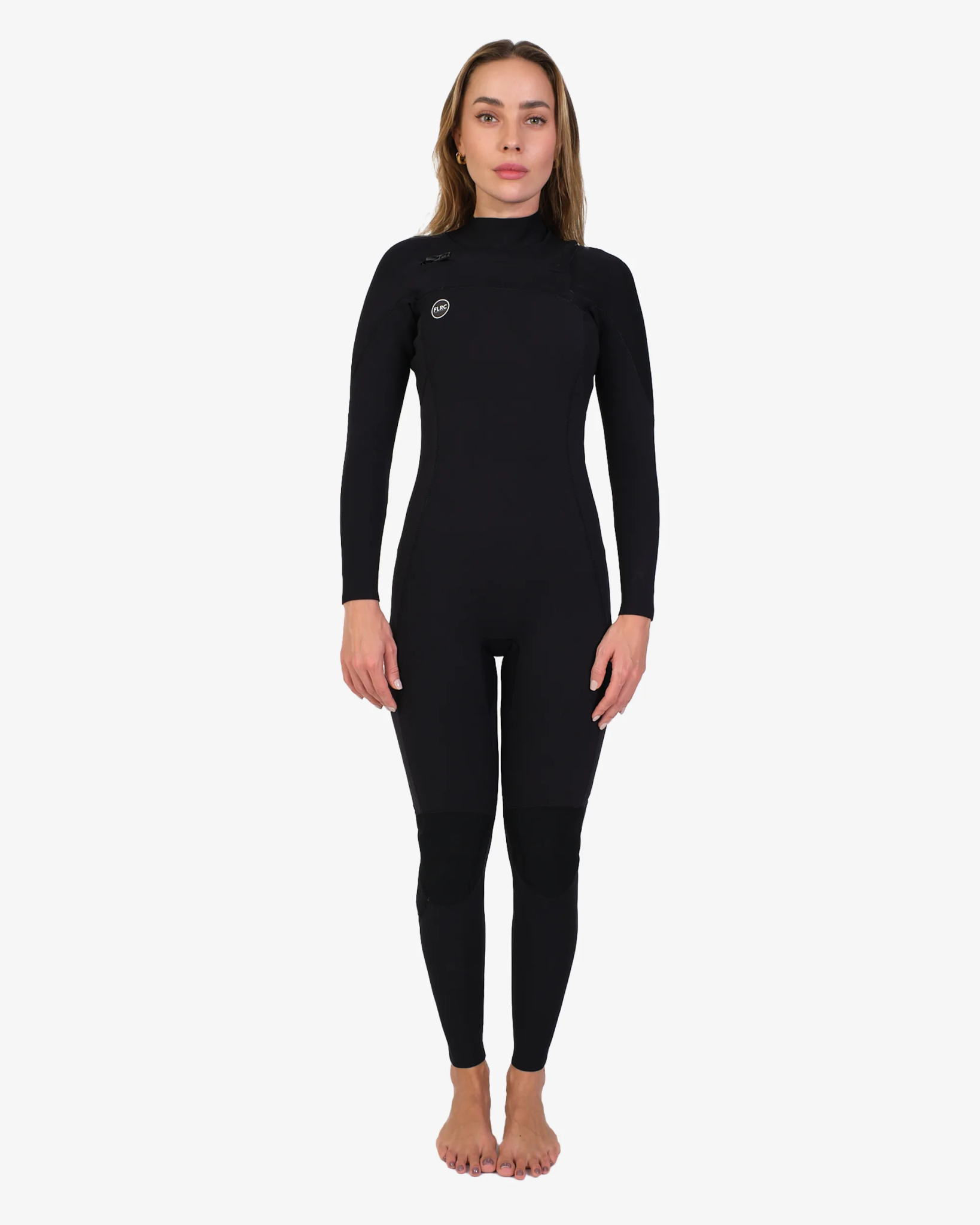
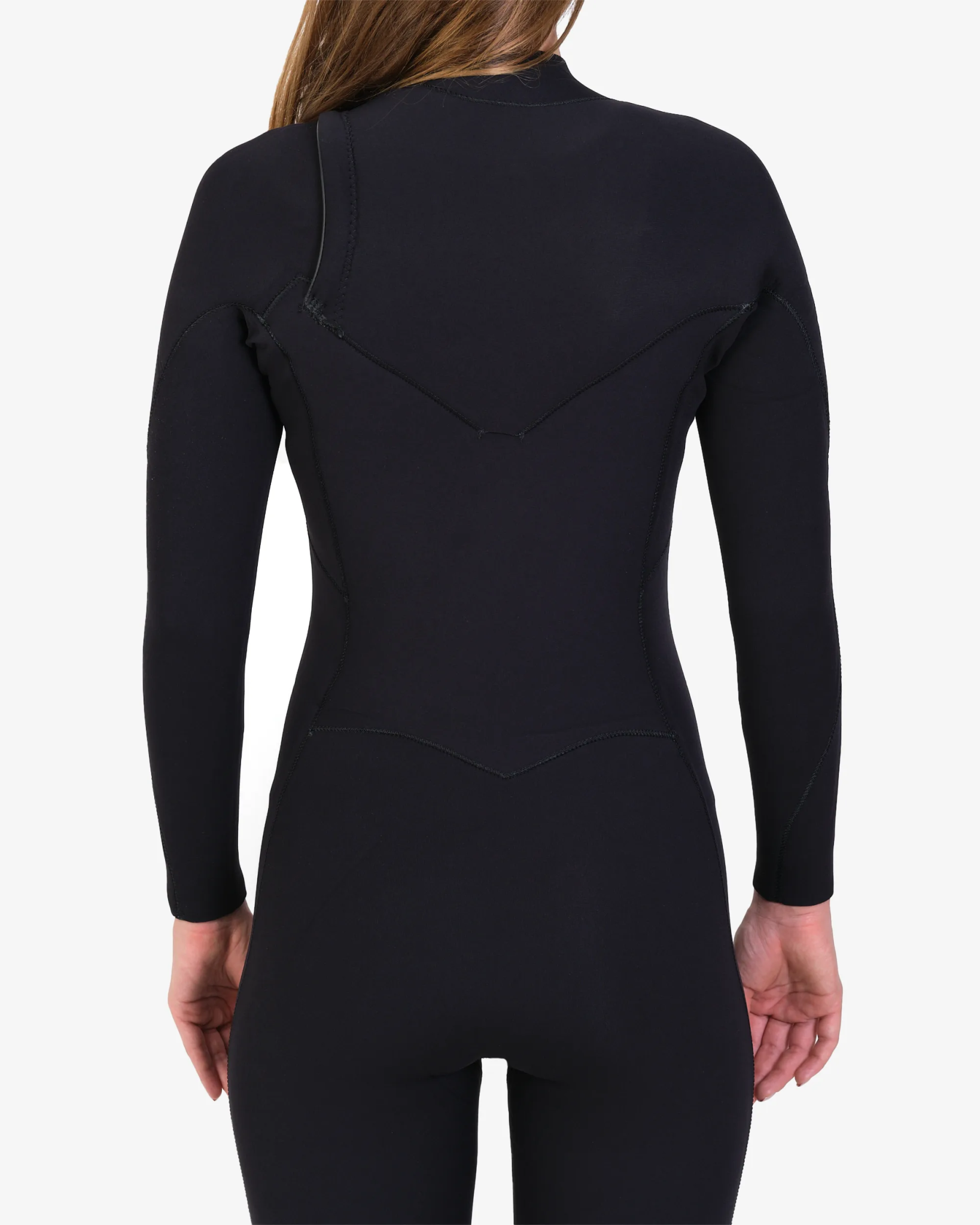
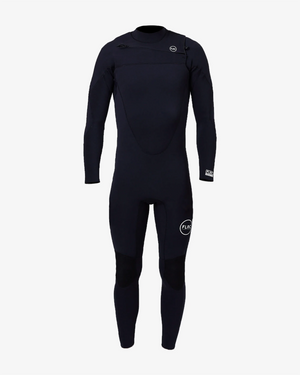
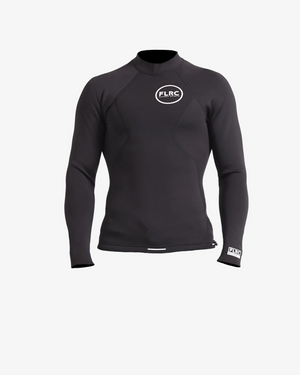
We recommend a lightweight 1.5mm wetsuit top that regulates your body temperature without overheating. Our Bronte Series 1.5mm wetsuit top is designed exactly for these tropical conditions. Alternatively, a quality long-sleeve rashie with UPF 50+ sun protection works if you run hot.
What thickness wetsuit do I need for Bali?
You don't need a wetsuit for Bali's water temperature, which ranges from 26°C in the cooler months (July-September) to 29°C in the wet season (November-March). A 1.5mm wetsuit top or quality rashie is all you need for wind protection and avoiding rash from extended sessions. Full-length wetsuits are completely unnecessary and will cause you to overheat.
2. Vaseline
When the surf is pumping at Uluwatu or Padang Padang, you'll paddle for hours straight. All that friction will turn your armpits into raw, burning misery by day two. Apply Vaseline or a similar petroleum jelly under your arms, on your inner thighs, and around your neck before you paddle out. It reduces friction and saves you from painful chafing that can ruin the rest of your trip.
This is one of those small things that makes a massive difference.
3. Ding repair kit
Whether it's from clipping a coral head at Bingin or an angry baggage handler having a bad day, your board will get dinged. Rather than pulling out your spare board immediately, a quick ding repair can get you back in the water the next day.
We've used solarez UV-cure resin kits before with good results. They cure in direct sunlight within minutes, perfect for Bali's tropical sun. Bring sandpaper, a small mixing stick, and spare resin. The repair won't be pretty, but it'll hold for the rest of your trip.
4. Imodium (loperamide)
That nasi goreng from the warung on your first night might taste incredible, but your stomach might have other opinions 12 hours later. Bali belly is real, and it's not fun. Imodium (loperamide) blocks you up when you've got the runs, buying you time to recover without being glued to the toilet.
If the surf is firing, you don't want to be stuck in your villa. Pack a small box of Imodium tablets and keep them in your day bag. Hopefully you won't need them, but when you do, you'll be grateful you brought them.
5. Spare fins and leg ropes
The waves in Bali range from mellow point breaks to fast, shallow barrels over sharp reef. You'll want fins that handle a variety of conditions without being too specialised. Bring at least one spare set, because losing a fin on a shallow reef or snapping a leg rope in overhead surf is a real possibility.
If you're using clip-in style fins, be aware they're more prone to popping out on heavy landings or wipeouts over shallow sections. Screw-in fins are more secure but require you to bring a fin key and spare screws.
Do I need reef booties for surfing Bali?
Yes, absolutely. Even experienced surfers will hit the coral at some point in Bali, whether it's kicking out in a shallow section, getting caught inside, or just misjudging the reef at low tide. Walking over sharp coral and sea urchins in bare feet is painful and risks infection in the tropical climate. Reef booties with 2mm thickness offer protection without overheating your feet in warm water.
6. Antiseptic cream
Cuts and scrapes from coral or reef turn nasty fast in the tropics. The warm, humid climate breeds bacteria, and even small wounds can become infected within days if not treated properly. Apply antiseptic cream like Dettol or Betadine to any cuts daily, keep them clean and dry when you're out of the water, and watch them for signs of infection (redness, swelling, heat, pus).
No one wants to spend their Bali trip in a local hospital dealing with a staph infection. Prevention is worth the effort.
7. Small gifts for locals
Indonesians are some of the kindest, most welcoming people you'll meet. We're visitors in their home, and a small token of appreciation goes a long way. Clip-on kangaroos or koalas are popular with kids, as are small Australian-themed souvenirs. It's a simple gesture that builds genuine connection and shows respect for the local community.
The hospitality you receive in Bali is incredible. A small gift is a meaningful way to say thank you.
8. Deck of cards
Our villa lost power for 24 hours during a storm, and suddenly we were without smartphones, Netflix, or internet. A deck of cards kept us entertained for hours, and honestly, it was one of the best nights of the trip. Cards don't need charging, they work in any weather, and they're a great way to wind down after a long day in the water.
Pack a deck. You'll use it more than you think.
9. Reef booties
The debate over wearing booties in warm water is ongoing, but here's the reality: Bali's best waves break over sharp coral reef. Even if you're a solid surfer, you'll eventually plant a foot on the reef, whether it's kicking out, getting caught inside, or misjudging depth at low tide. Coral cuts are painful and prone to infection.
We recommend 2mm neoprene reef booties with secure ankle straps. The thin neoprene won't overheat your feet in 27°C water, and the rubber sole protects against urchins and sharp coral. Yes, they feel a bit weird at first, but after your first session over shallow reef, you'll be glad you wore them.
10. Reef-safe sunscreen (and plenty of it)
With extended sessions in tropical sun, even us Aussies need to be careful. You'll be in the water for hours at a time, often with minimal shade, and the equatorial sun is intense. Bring reef-safe, zinc-based sunscreen that doesn't contain oxybenzone or octinoxate, both of which damage coral reefs.
Apply generously to your face, neck, ears, and the tops of your feet before each session. Reapply every 2 hours if you're out all day. Sunburn on a surf trip is miserable and entirely avoidable.
Should I take malaria tablets to Bali?
Malaria risk in Bali's main surf areas (Bukit Peninsula, Canggu, Sanur) is extremely low, and most Australian surfers don't take prophylaxis for short trips to these regions. If you're travelling to more remote parts of Indonesia (Sumatra, Mentawais, West Papua), malaria tablets are strongly recommended. Speak to your GP about what's right for your specific itinerary. We took them on a Mentawais trip and experienced zero side effects, but individual responses vary.
11. Waterproof camera or phone housing
You're about to surf some of the best waves of your life in one of the most beautiful places on Earth. Document it. Whether it's a waterproof action camera or a waterproof housing for your phone, bring something to capture the experience. You'll want photos of the lineups, your mates getting barrelled, and the stunning sunsets over the Indian Ocean.
And don't forget to call your mum. She'll want to know you're still alive.
Complete Bali surf trip packing list
Here's the full master list of everything you need to pack for a Bali surf trip, organised by category:
| Surf Gear | Clothes | Medical | Electronics | Personal |
| Reef booties | Shoes | Soap | Phone | Passport |
| Boardshorts (2-3 pairs) | Thongs | Toothbrush | Phone charger | Cash and wallet |
| Rashie or wetsuit top | Socks | Toothpaste | Camera | Deck of cards |
| Wetsuit top (1.5mm) | Underwear | Malaria tablets (if needed) | Camera charger | Small gifts for locals |
| Swimmers | Shorts | Antiseptic cream | Earphones | Travel insurance documents |
| Surfboards (2) | Pants | Vaseline | Power adapter (AU to EU plug) | Visa (if required) |
| Leg ropes (2 spares) | T-shirts | Reef-safe sunscreen | ||
| Fins (2 spare sets) | Light jumper | Imodium | ||
| Ding repair kit | Bath towel | Insect repellent | ||
| Surf wax (tropical) | Boardshorts | Bandaids and gauze | ||
| Beach towel | Paracetamol | |||
| Fin key (if screw-in fins) |
Frequently asked questions
What is the best time of year to surf Bali?
The dry season from May to September brings consistent south swells to the Bukit Peninsula (Uluwatu, Padang Padang, Bingin) with offshore winds and minimal rain. The wet season (November-March) offers cleaner conditions on the east coast and north-facing breaks like Sanur and Keramas, though rain and onshore winds are more common.
Do I need a wetsuit for surfing Bali?
No, you don't need a full wetsuit for Bali. Water temperatures range from 26-29°C year-round. A lightweight 1.5mm wetsuit top or long-sleeve rashie is sufficient for wind protection and preventing rash during extended sessions.
Can I rent surfboards in Bali or should I bring my own?
You can rent boards throughout Bali, especially in Canggu and the Bukit Peninsula, but the quality varies significantly. Experienced surfers should bring their own boards if possible, as rental boards are often beat-up and poorly maintained. Beginners and intermediates will find adequate rental options.
How much does it cost to surf in Bali in 2026?
Surfing in Bali itself is free at most breaks, though some spots like Padang Padang charge a small entrance fee. Daily expenses for surfers typically run between AUD $50-150 depending on accommodation and food choices, with budget guesthouses available from AUD $25/night and mid-range villas from AUD $80-150/night.
Are Bali surf breaks suitable for beginners?
Yes, Bali has excellent beginner breaks, particularly in Canggu (Batu Bolong, Old Mans) and Kuta Beach. These beaches offer sandy bottoms, gentle waves, and surf schools with lessons and board rentals. The famous reef breaks on the Bukit Peninsula (Uluwatu, Padang Padang) are for experienced surfers only due to shallow coral, strong currents, and powerful waves.
Before you head to Indonesia, check out our wetsuit thickness guide for Australia to make sure you've got the right gear sorted for your home breaks as well. If you're camping along the NSW coast before or after your trip, our guide to the best campsites near surf beaches in NSW is worth a read.