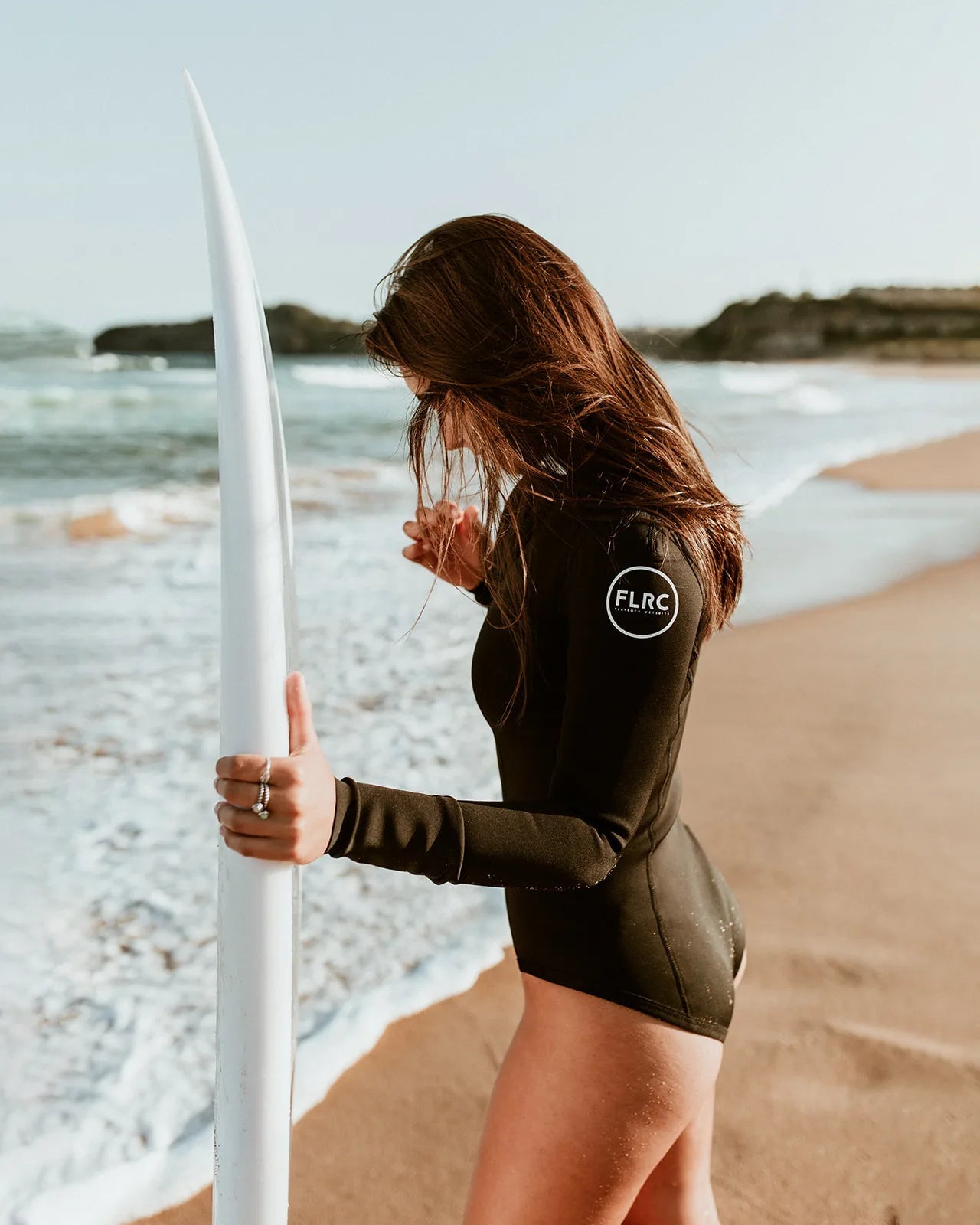


That first paddle-out in 14°C water hits different. Your chest tightens, your breathing goes shallow, and suddenly you're gasping like you've never surfed before. Cold water shock is real, and it doesn't care how fit you are. The good news? Your respiratory system can be trained to handle it.
Proper breathing prep before cold-water sessions isn't just about comfort. It's about safety, performance, and actually enjoying your surf instead of spending the first twenty minutes fighting your own lungs. Here's how to get your respiratory system ready for autumn and winter sessions.
Why Cold Water Messes With Your Breathing
When you hit cold water, your body triggers the cold shock response. Your breathing rate spikes, your chest constricts, and your diaphragm tenses up. This is an automatic survival mechanism, but it works against you when you're trying to duck-dive or paddle through sets.
Water temps below 18°C trigger this response in most people. In Victoria and Tasmania, where winter temps drop to 11-14°C, it's brutal. Even in Sydney, where winter bottoms out around 16-18°C, you'll feel it if you're not prepared.
The physiological response includes:
- Involuntary gasping and hyperventilation for 1-3 minutes
- Reduced breathing control and increased heart rate
- Decreased blood flow to extremities, prioritizing core organs
- Reduced CO2 tolerance, making breath-holds harder
You can't eliminate the cold shock response completely, but you can dial it way back through breathing preparation and gradual cold exposure.
Pre-session breathing routine (10 minutes)
Do this on the beach or in the car park before you paddle out. Takes ten minutes and makes a massive difference to how your first twenty minutes in the water feel.
Step 1: Diaphragmatic warm-up (2 minutes)
Sit or stand comfortably. Place one hand on your chest, one on your belly. Breathe in through your nose for 4 counts, letting your belly expand (not your chest). Your bottom hand should move, your top hand shouldn't. Exhale slowly through your mouth for 6 counts, pulling your belly button toward your spine.
Do this for 2 minutes. It activates your diaphragm properly and switches you from shallow chest breathing to deep belly breathing. Most people surf using only the top third of their lung capacity. This wakes up the whole system.
Step 2: Box breathing (3 minutes)
This is a Navy SEAL technique that calms your nervous system and improves CO2 tolerance:
- Inhale through your nose for 4 counts
- Hold your breath for 4 counts
- Exhale through your mouth for 4 counts
- Hold empty for 4 counts
- Repeat
Do 5-6 full cycles. This regulates your autonomic nervous system and trains your body to stay calm under stress. When cold water hits and your breathing wants to spike, this muscle memory kicks in.
Step 3: Dynamic breath holds (3 minutes)
Take a deep breath in, then exhale fully and hold your breath while doing gentle movements: arm circles, torso twists, walking in place. Start with 20-30 second holds, rest for 30 seconds, repeat 4-5 times.
This simulates the oxygen demand of paddling while training your CO2 tolerance. It's closer to actual surf conditions than static breath holds.
Step 4: Cold exposure breathing (2 minutes)
If you're wearing a wetsuit, splash cold water on your face and neck while doing controlled breathing: slow 4-count inhales, 6-count exhales. This triggers the mammalian dive reflex (which slows your heart rate) while training your body to maintain breathing control during cold exposure.
If it's properly cold (Victoria, Tasmania, winter SA), wet your face and do 10-15 slow breaths before you zip up. Your body starts adapting before you're even in the water.
The first paddle-out: active breathing strategy
Your pre-session routine prepares you, but the first paddle-out still requires active management. Here's the technique:
Controlled exhales through your mouth. When cold water first hits your chest, force yourself to exhale slowly and fully. Don't gasp. Don't hold your breath. Long, controlled exhales signal to your nervous system that you're not drowning, which dampens the panic response.
Rhythm before power. Paddle at 70% intensity for the first two minutes, focusing on breathing rhythm: inhale for two strokes, exhale for two strokes. Once your breathing stabilizes, you can increase intensity. Sprinting straight into the impact zone while gasping is how you end up flogged before you've even caught a wave.
Use the lulls. Between sets, do 3-4 deep belly breaths. Reset your rhythm. Most people stay in shallow chest breathing the entire session, which kills endurance.
Building long-term cold water tolerance
These pre-session techniques work immediately, but if you surf cold water regularly, invest in building actual respiratory adaptation:
Daily breathing practice. Five minutes of box breathing or diaphragmatic breathing every morning builds baseline CO2 tolerance and breathing control. It carries over to every surf session.
Cold showers. End your shower with 30-60 seconds of cold water while maintaining slow, controlled breathing. This trains the exact response you need in the ocean. Start at 30 seconds, build to 2 minutes over a few weeks. Research from the Netherlands shows regular cold exposure reduces the cold shock response by up to 50%.
Freediving training. If you're serious, take a freediving course. The breathing and relaxation techniques transfer directly to cold-water surfing. You'll also improve your duck-diving and hold-down tolerance.
Gear considerations for breathing comfort
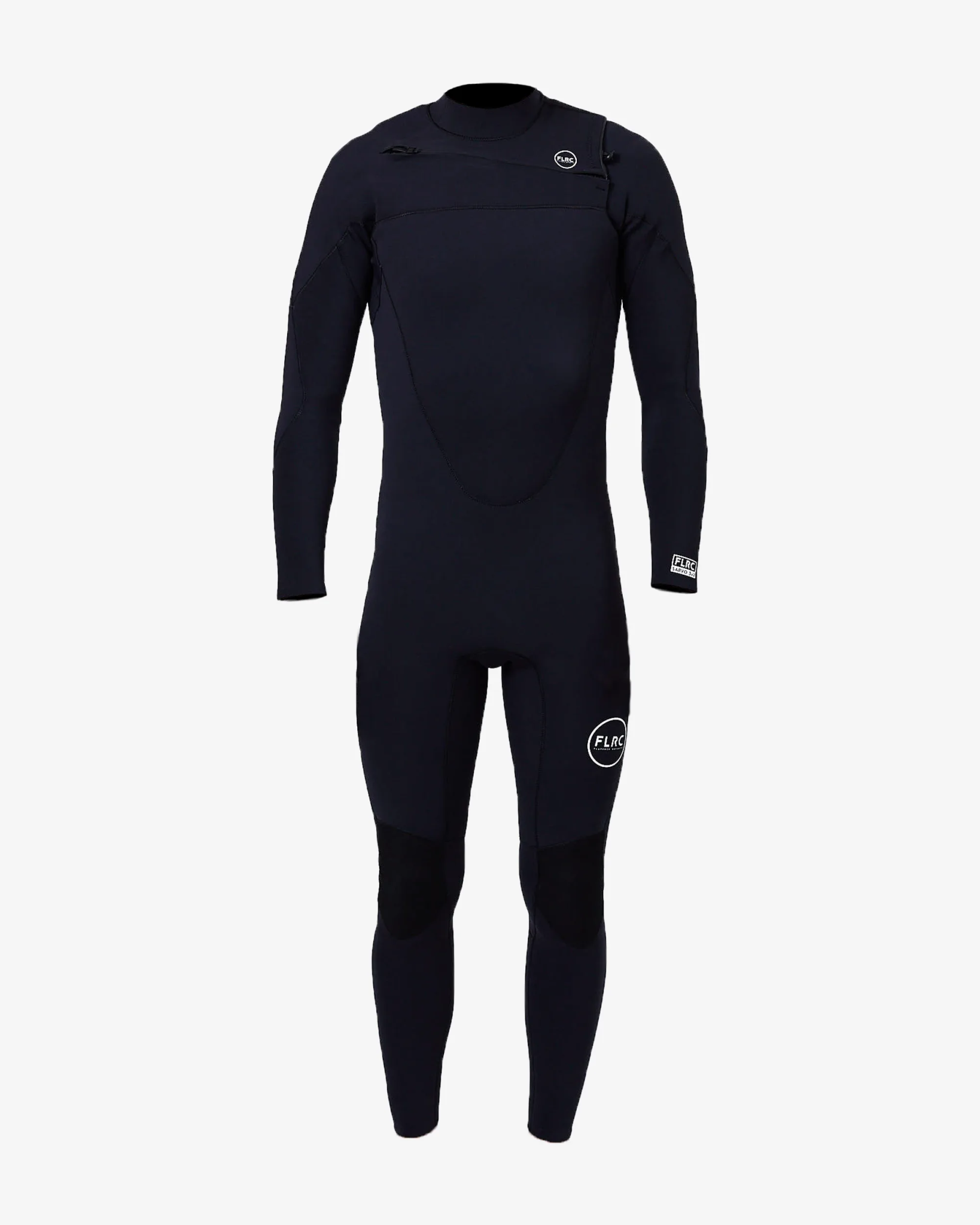
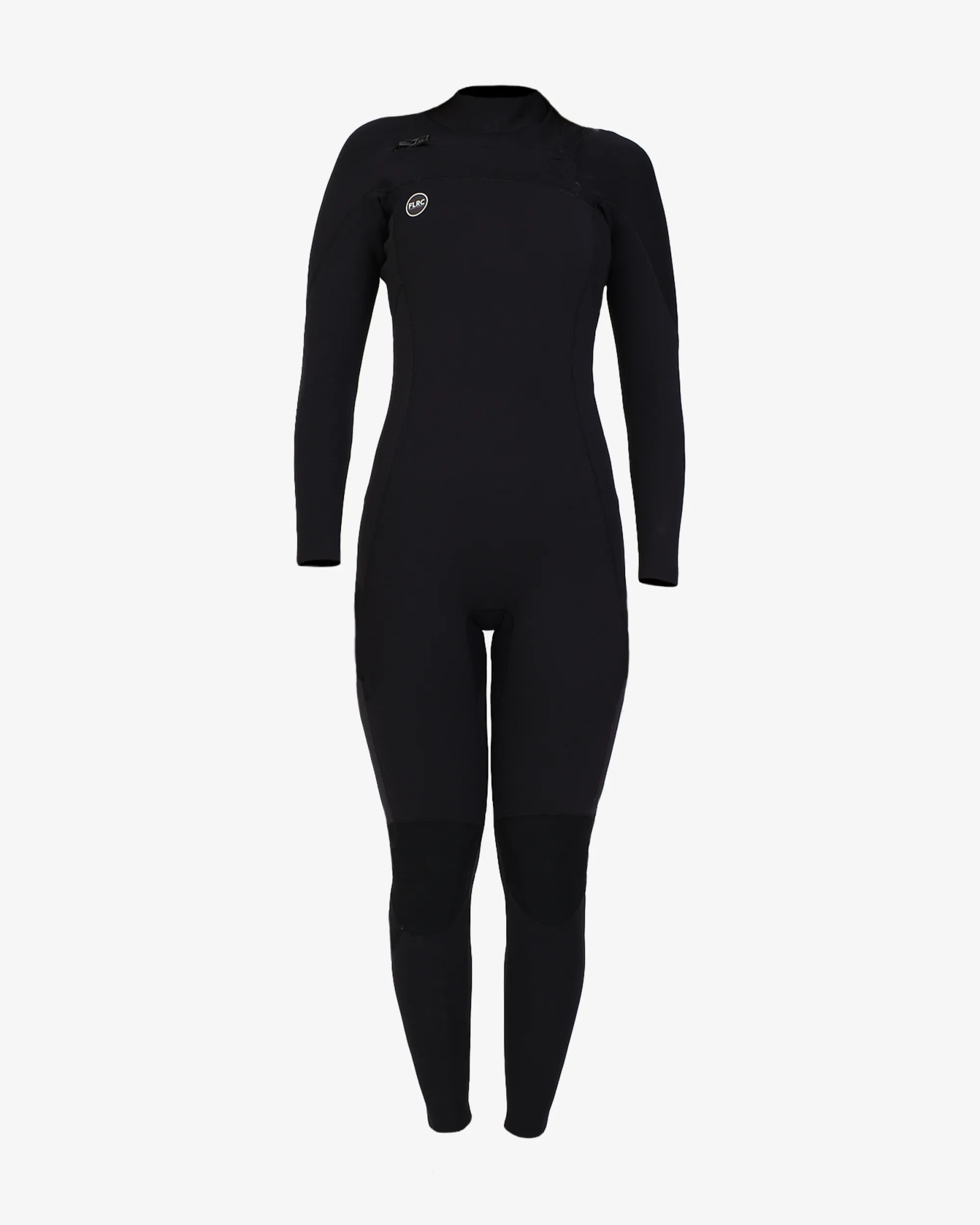
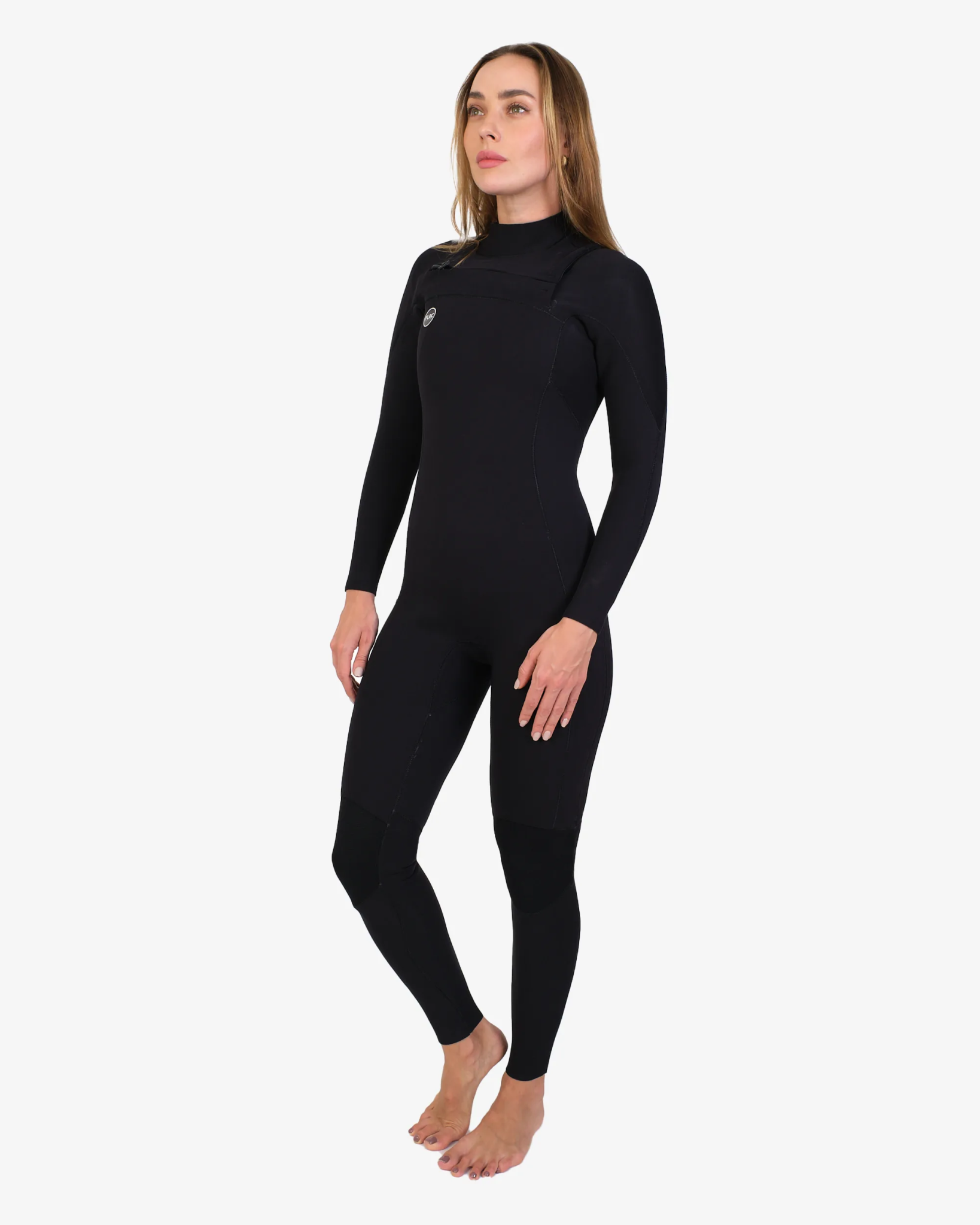
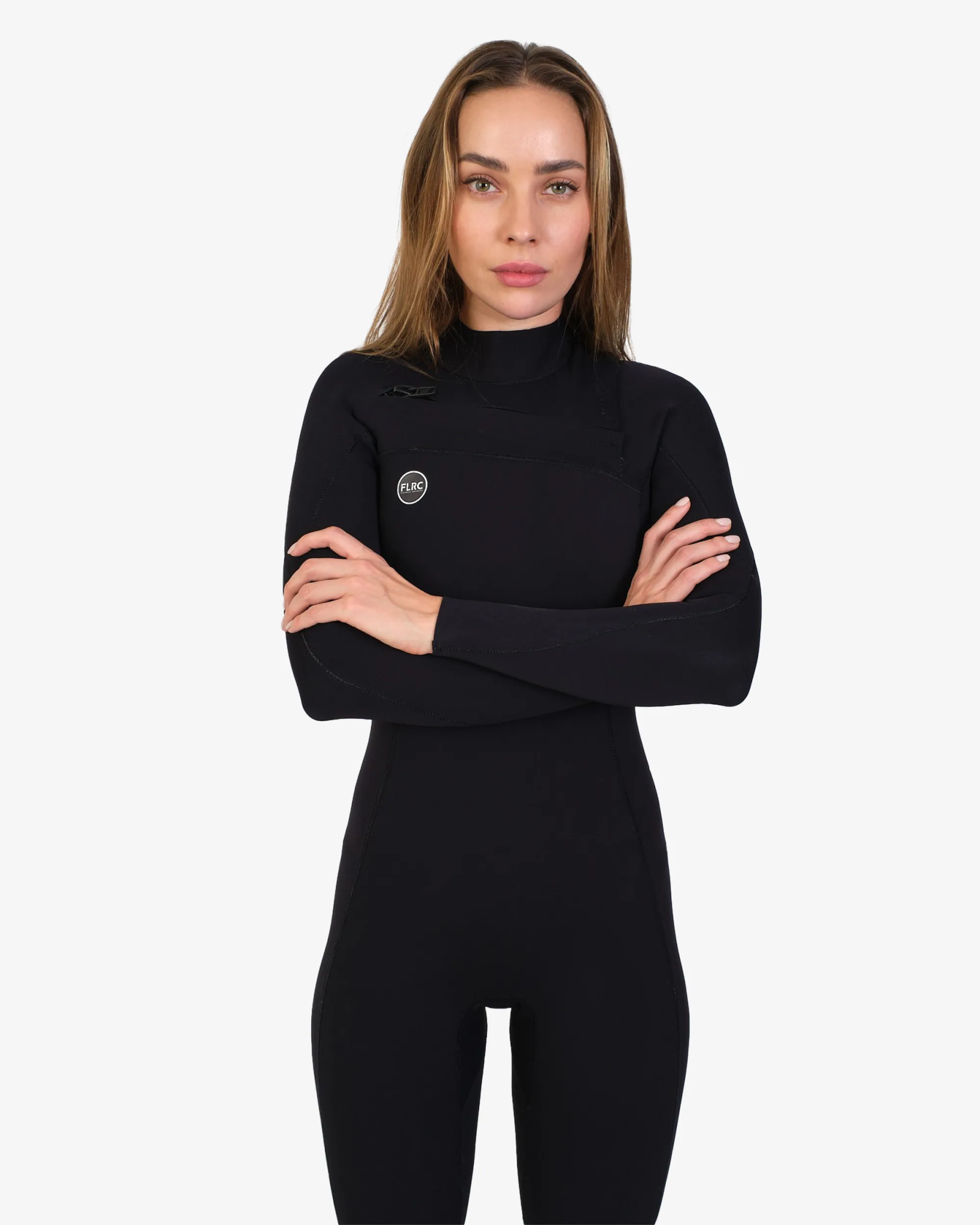
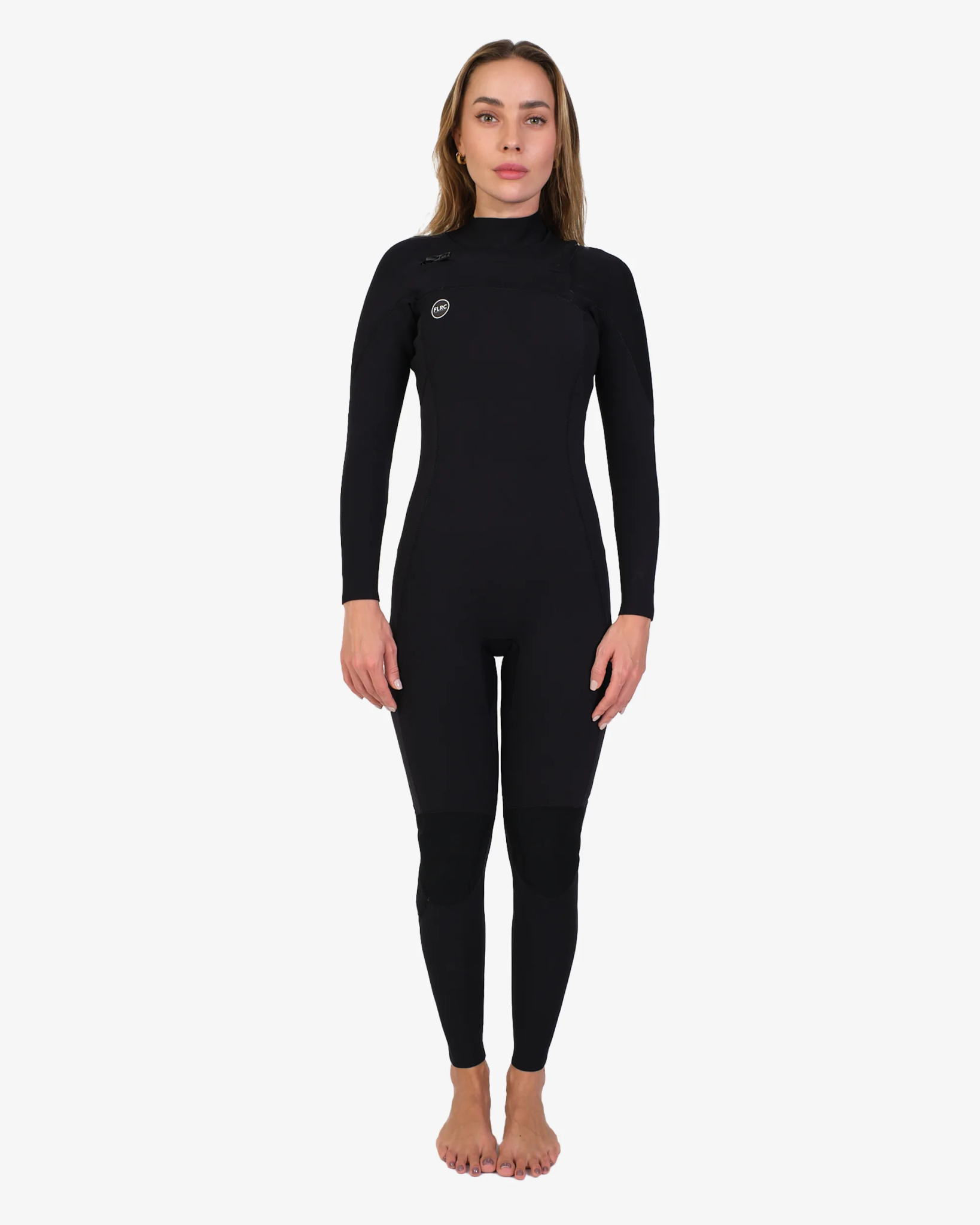
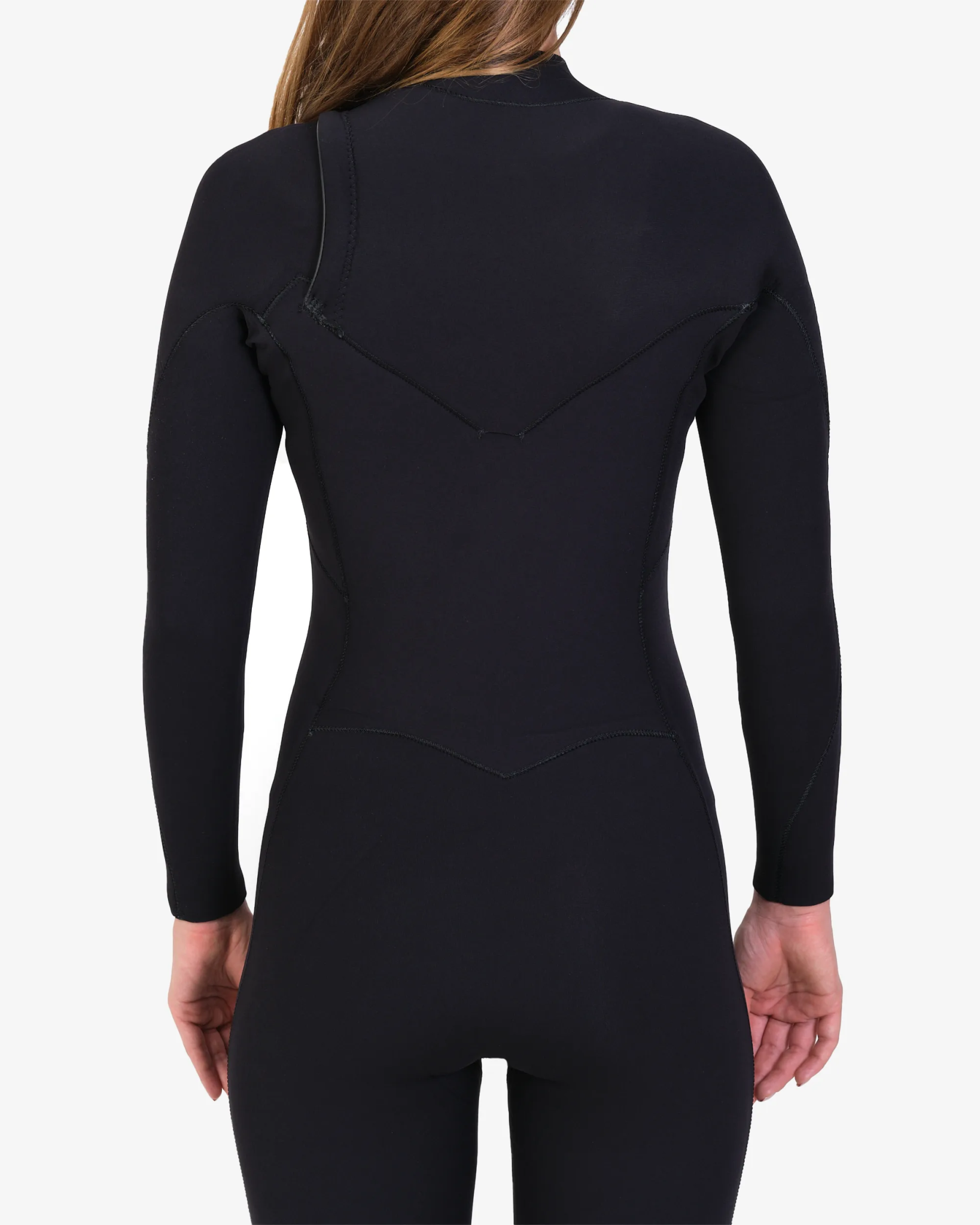
No amount of breathing prep compensates for a poorly fitted wetsuit. If your suit is too tight across the chest, it restricts diaphragm movement and forces shallow breathing. If it's too loose, cold water flushes through and triggers constant cold shock.
For Sydney winter (around 18-19°C), a properly fitted 3/2mm steamer is the baseline. Victoria and Tasmania need 5/4mm minimum, often with a hood. The hood matters more than you'd think: your mammalian dive reflex gets triggered by cold water on your face, and a hood with a smooth-skin seal reduces that trigger significantly.
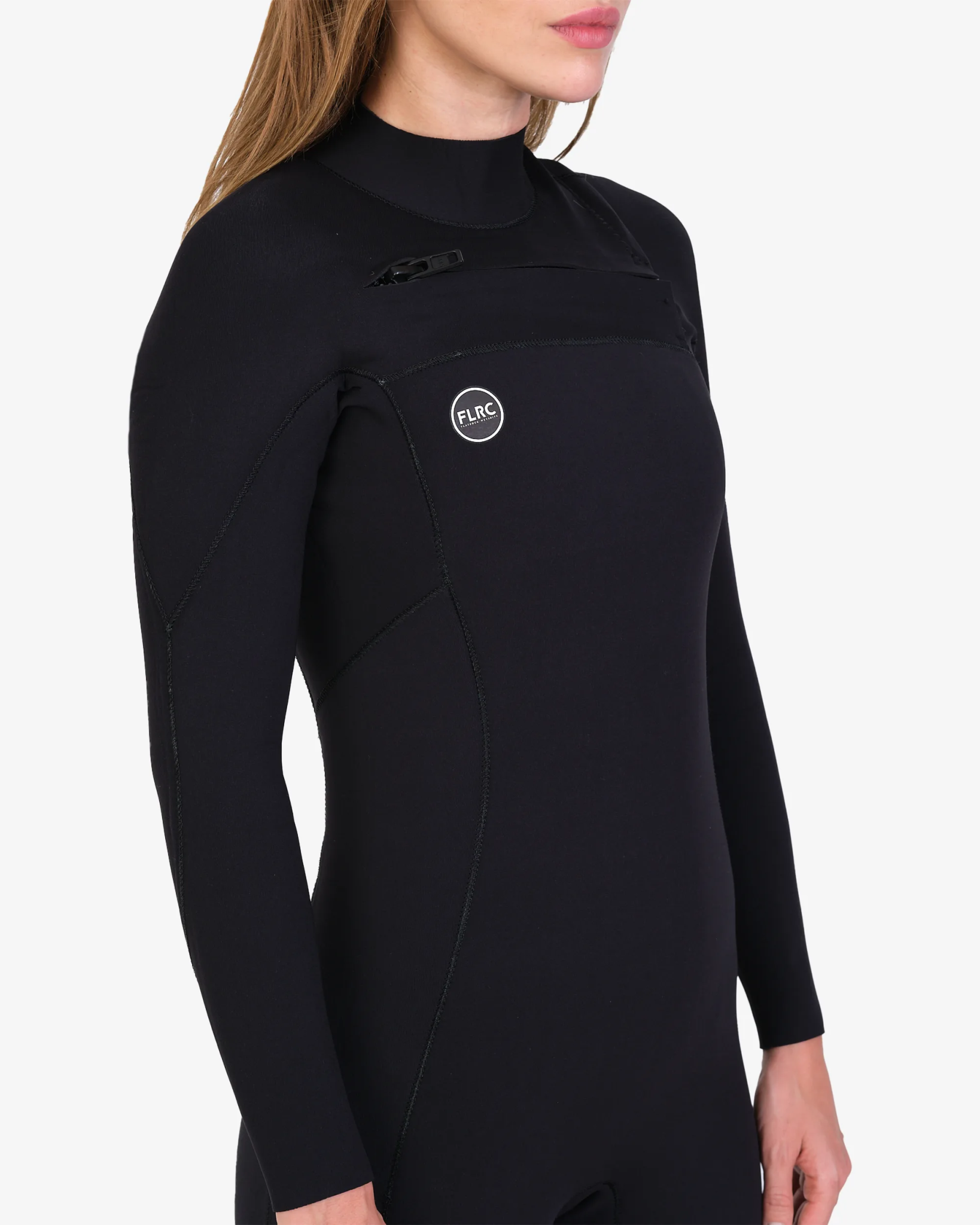
Chest-zip suits allow better chest expansion than back-zip. If you're between sizes, go for the fit that allows full breathing movement over the fit that looks better. You can't perform if you can't breathe.
Recognize when cold is dangerous
Cold water breathing prep improves performance and comfort, but it doesn't make you immune to hypothermia or cold water drowning. Know the warning signs:
- Uncontrollable shivering (mild hypothermia starting)
- Inability to regulate breathing after 5+ minutes in the water
- Confusion, slurred speech, loss of coordination
- Numbness in extremities affecting paddling ability
If you're experiencing any of these, get out. No wave is worth it. Most cold water incidents happen because people ignore early warning signs.
In water below 15°C, even experienced surfers should limit sessions to 60-90 minutes and surf with others. Solo dawn patrols in winter are high-risk.
The bottom line
Cold water breathing prep is a ten-minute investment that transforms your session. It reduces the shock response, improves paddling endurance, and makes those 6am winter surfs actually enjoyable instead of a sufferfest.
Start with the pre-session routine: diaphragmatic warm-up, box breathing, dynamic holds, cold exposure breathing. Use it before every cold session until it becomes automatic. Build long-term tolerance with daily breathing practice and cold showers.
And remember: your lungs adapt faster than you think. After two weeks of consistent practice, you'll notice a significant difference. After a month, you'll paddle out in 14°C water and wonder why it ever felt hard.
The cold isn't going anywhere. But with proper breathing prep, it stops being the thing you fight and becomes just another part of the session.