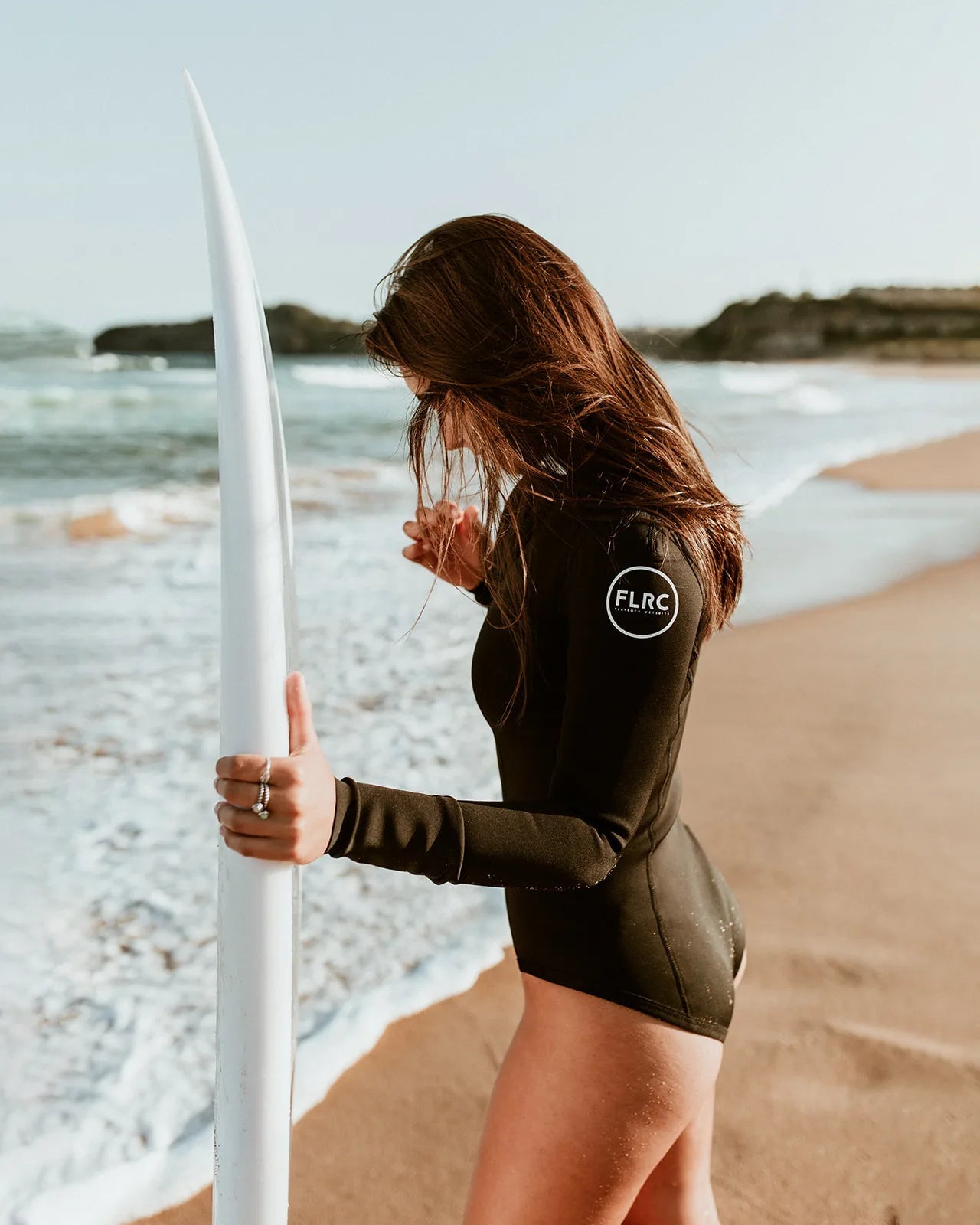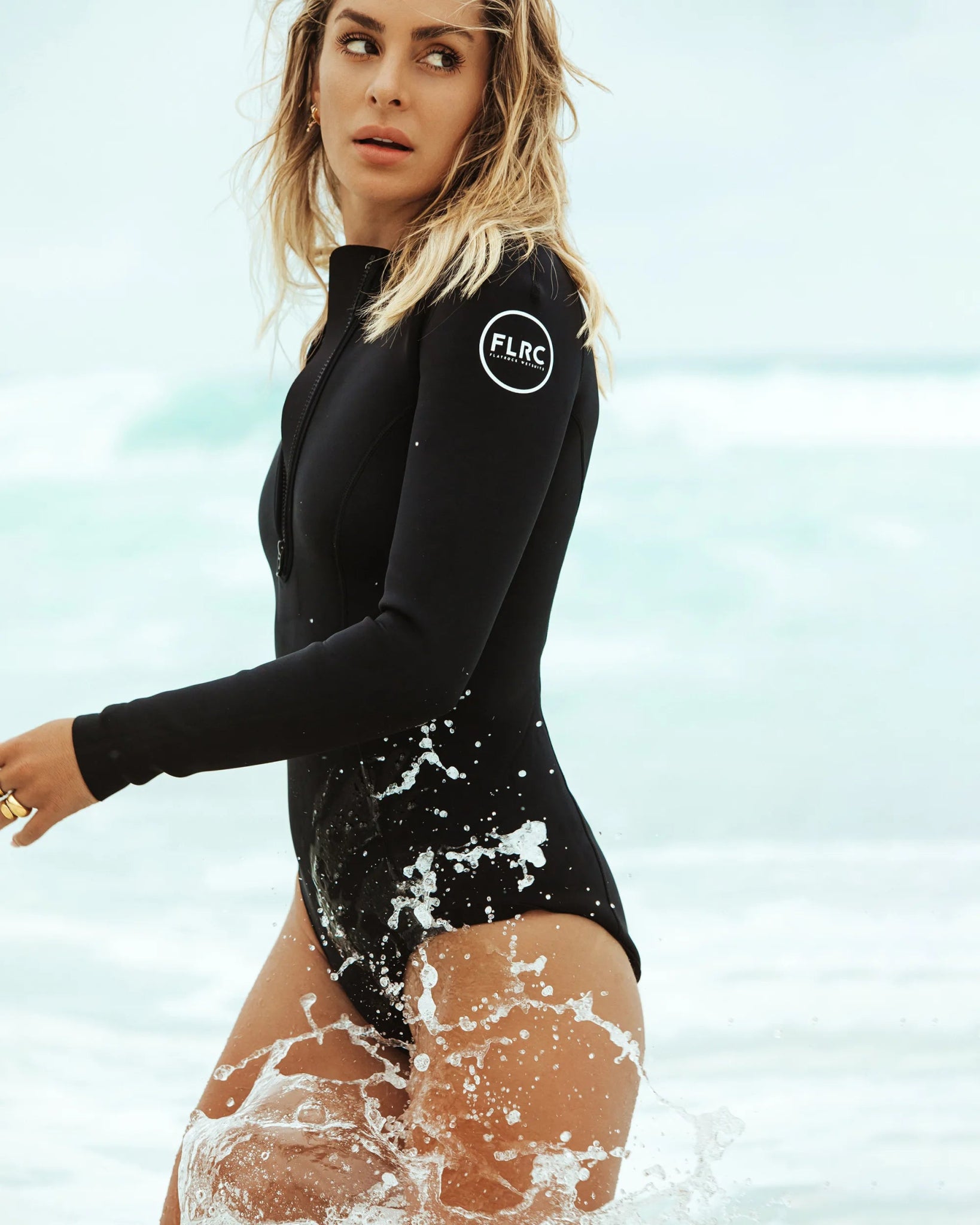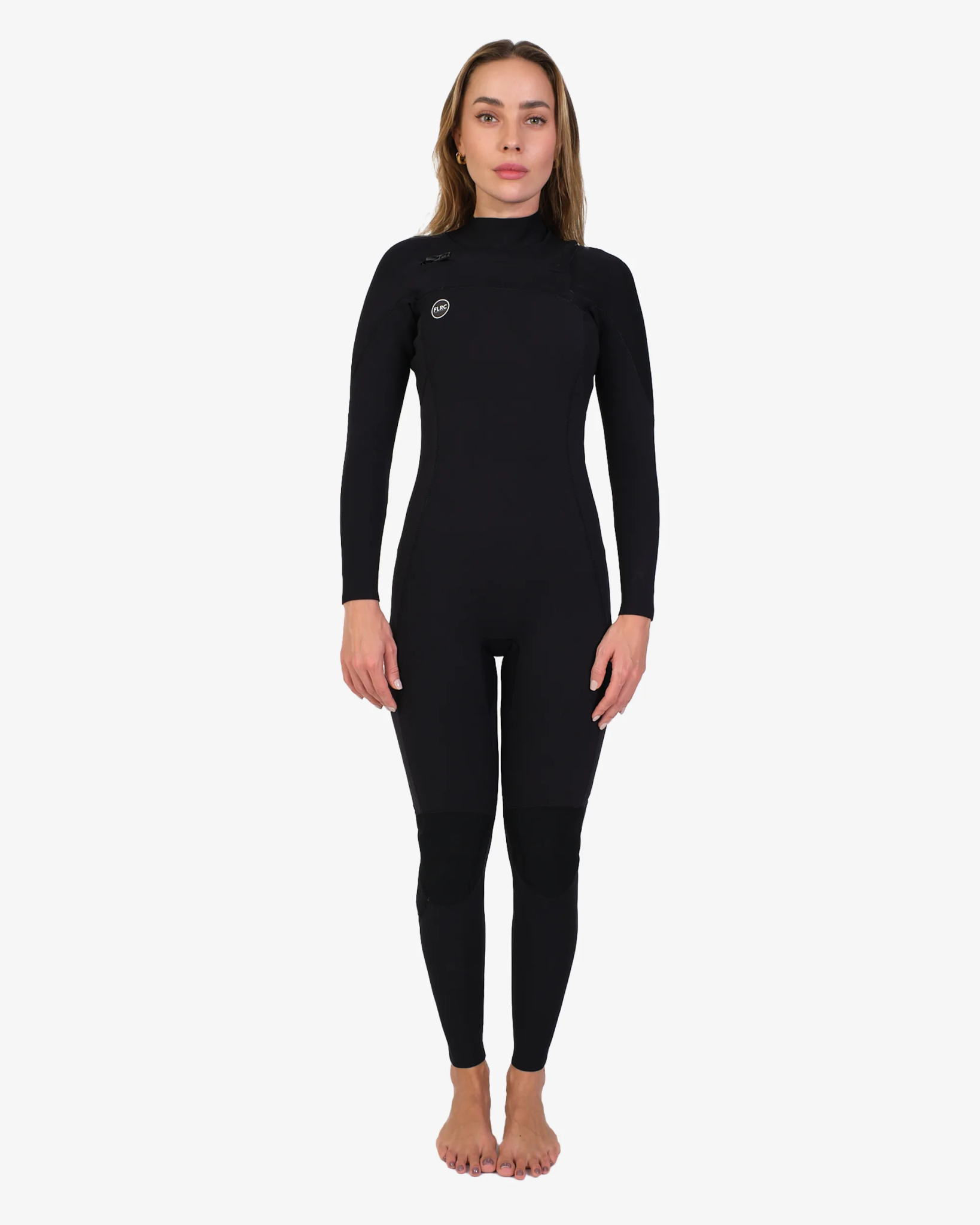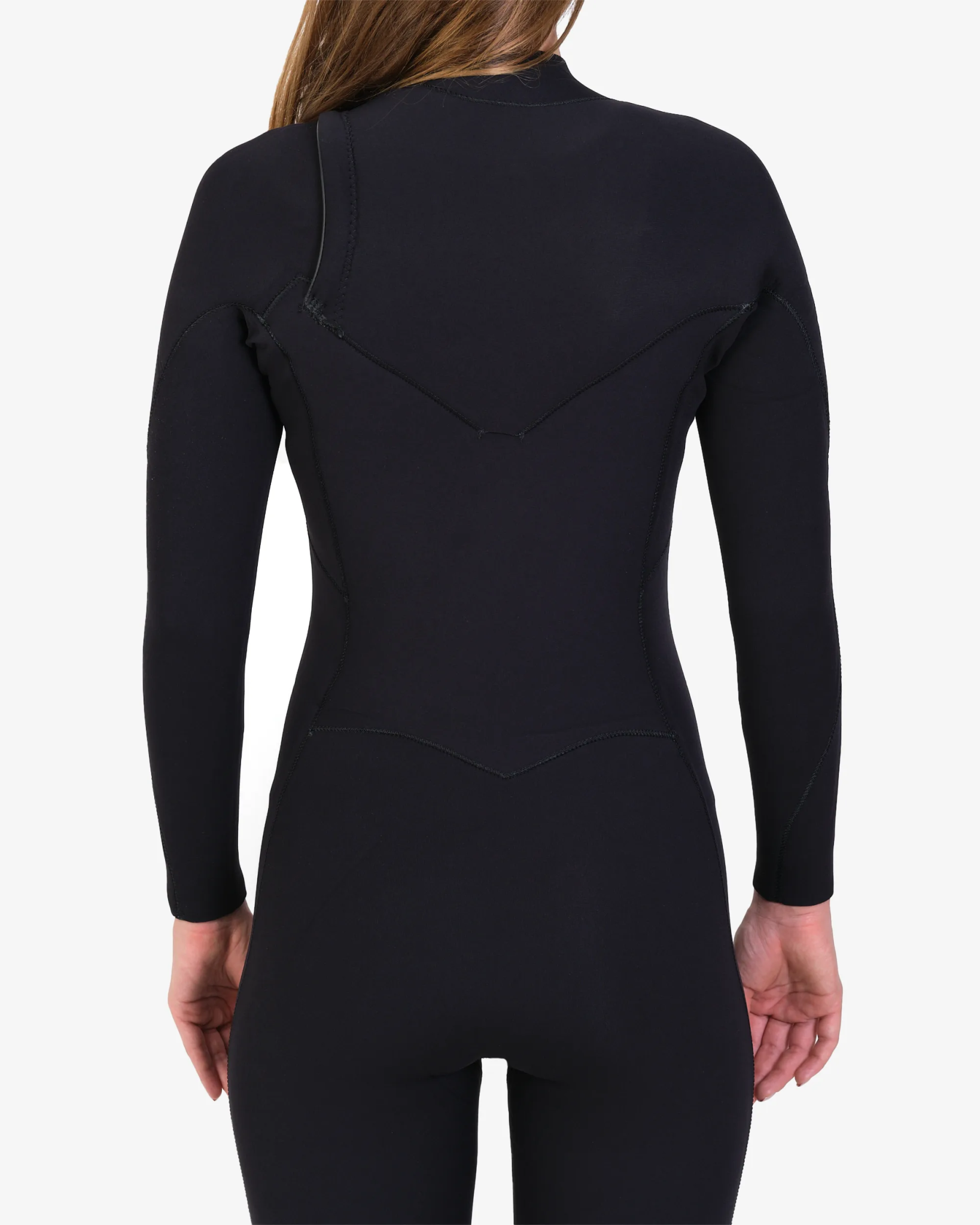


Paddling out at dawn on a crisp winter morning, steam rising off the lineup as you duck-dive into a clean, hollow set, there's nothing quite like it. But this wasn't always the Australian surfing experience. For decades, winter meant staying out of the water, watching perfect waves break unridden while surfers waited for warmer months. The shift from winter avoidance to winter obsession is one of the biggest changes in Australian surf culture, driven by wetsuit technology, Victoria's surf scene, and a complete rethink of what makes a surf session worthwhile.
What was early winter surfing like in Australia?
In the 1950s and early 1960s, Australian surfers treated winter like a necessary evil. Water temps along the NSW coast dropped to 15-16°C between June and August, while Victoria's Surf Coast regularly saw 12-14°C readings. Without proper thermal protection, a typical winter session lasted maybe 20 minutes before violent shivering forced you back to the beach. Blokes wore woollen jumpers under canvas board shorts, which provided zero insulation once wet and added several kilos of waterlogged weight.
The first neoprene vests appeared in Australian surf shops around 1962, imported from California where surfers faced similar cold-water challenges. These early 2mm vests covered the torso but left arms, legs, and head completely exposed. They were better than nothing, but not by much. A typical Sydney winter session in 1965 still meant numb fingers within ten minutes and blue lips by the time you caught your third wave.
Surfing magazines from this era tell the story. Winter issues focused on travel to Queensland's warm water or board maintenance projects. Winter surf reports, when they appeared at all, were brief: "Solid swell running but too cold for most." The assumption was clear, winter waves were wasted waves.
How did wetsuit technology change winter surfing?
The breakthrough came in stages through the late 1960s and 1970s. Full-body wetsuits arrived in Australia around 1967, primitive 3mm suits with crude stitching that leaked at every seam. According to early adopters, these suits extended session time from 20 minutes to maybe 45, enough to make a difference but far from comfortable.
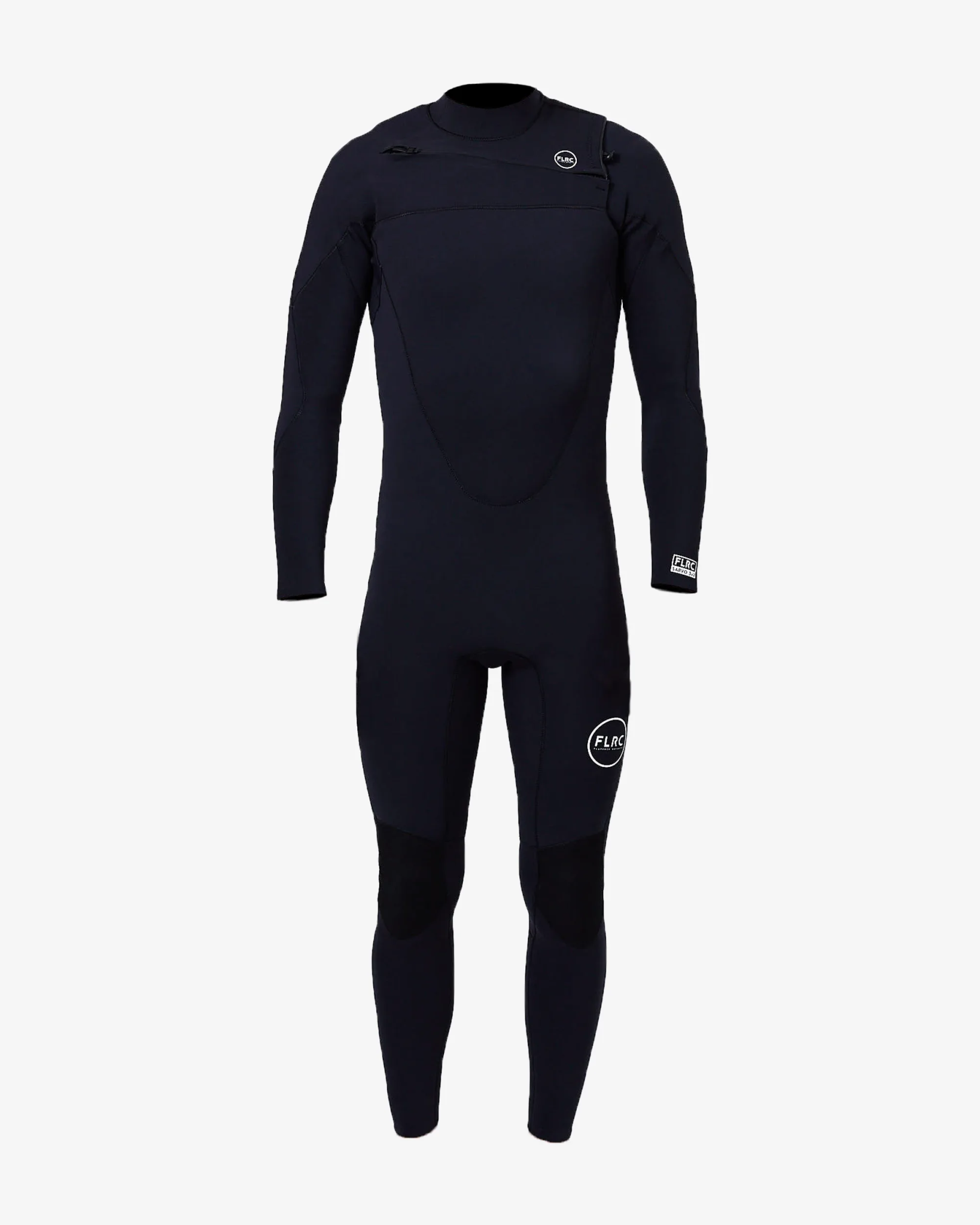
The real shift was the steamer design with sealed seams, which reached Australia in the early 1970s. These 3/2mm suits used blind-stitched seams that cut down water entry, paired with neoprene that was more flexible than earlier versions. For the first time, surfers could stay out for 90 minutes or more in 16°C water without losing all feeling in their extremities.
By 1975, Victorian surfers were experimenting with 4/3mm suits for their brutal winter conditions. Torquay became the testing ground for cold-water gear development in Australia, with local surfers providing direct feedback to manufacturers. Boots appeared around 1976, initially clunky neoprene slippers that made pop-ups awkward but kept feet functional in sub-15°C water. Hoods followed a few years later, though many surfers resisted them as too restrictive.
The progression continued through the 1980s and 1990s with better neoprene formulations, more flexible materials, and improved seam construction. By 2000, a quality 4/3mm steamer with taped seams could keep you warm in 14°C water for two hours. Modern 5/4mm suits use materials and construction techniques that would have seemed like science fiction to 1960s surfers.
Why did Victoria become the heart of Australian winter surf culture?
While wetsuit technology made winter surfing possible, Victoria's surf community made it desirable. The Surf Coast's geography delivers powerful, consistent swells year-round, but winter brings the biggest and cleanest conditions. Water temps between June and August range from 12-14°C, cold enough to deter casual surfers but perfect for those properly equipped.
Bells Beach sits at the centre of this cultural shift. The first Bells Beach Easter competition ran in 1961, held in autumn when water temps hovered around 16°C, barely tolerable even for the era's hardy surfers. By the mid-1970s, as wetsuit technology improved, the event's prestige grew. Winning Bells meant something different than winning a Queensland contest. It required not just skill but toughness, the ability to perform in cold, powerful waves while wearing a full wetty.
This created a new archetype in Australian surfing: the cold-water specialist. Victorian surfers developed techniques specific to winter conditions, earlier takeoffs to account for thicker wetsuits reducing paddling speed, adjustments for reduced flexibility, strategies for maintaining core temperature during long heats. These weren't just adaptations; they were advantages. Victorian surfers consistently dominated national competitions through the 1980s and 1990s, comfortable in conditions that made their northern counterparts hesitant.
The Rip Curl Pro Bells Beach, which became part of the World Championship Tour in 1973, legitimised cold-water surfing on a global stage. Professional surfers from Hawaii, California, and Brazil had to master 14°C water and heavy wetsuits to remain competitive. The event, still running today as the longest-running professional surfing competition in the worldproved that cold water and quality waves weren't mutually exclusive.
When did dawn patrol become a winter tradition?
The cultural shift from avoiding winter to seeking it out accelerated in the 1990s and early 2000s. Dawn patrol, once a summer ritual for beating crowds and offshore winds, became synonymous with winter surfing. The reasons were practical and aesthetic.
Winter mornings along the Australian coast offer conditions rarely seen in summer: glassy surfaces from overnight offshore winds, fewer surfers in the lineup, and that particular quality of light when the sun rises over a clean swell. Water temps, while cold, remain relatively stable through winter. Sydney sits at 16-17°C from June through August, Melbourne at 12-13°C, and even Tasmania's coldest surf spots bottom out around 11°C, uncomfortable but manageable with proper gear.
The dawn patrol aesthetic evolved into something almost spiritual. Surfers began sharing sunrise session photos, steam rising from neoprene-clad shoulders, golden light catching the lip of a clean set wave. This imagery defined a new era of Australian surf culture, one that valued experience over comfort, quality over convenience.
Technology enabled this shift but didn't create it. Modern 4/3mm and 5/4mm wetsuits make 6am winter sessions physically tolerable, but the appeal runs deeper. Winter surfing became a marker of commitment, a way to prove you were a "real" surfer rather than a weekend warrior waiting for perfect conditions.
How did water temperature data shift perceptions?
As surfers gained access to accurate water temperature forecasting in the 2000s, the psychological barrier around winter surfing began to crack. Historical data revealed that Australian winter water temps, while cold, rarely reached the extremes surfers imagined. Sydney's coldest recordings, around 15°C in late August, are warmer than a typical British summer session. Melbourne's 12°C winter average, while genuinely cold, is far from the 8-10°C conditions Tasmanian surfers regularly handle.
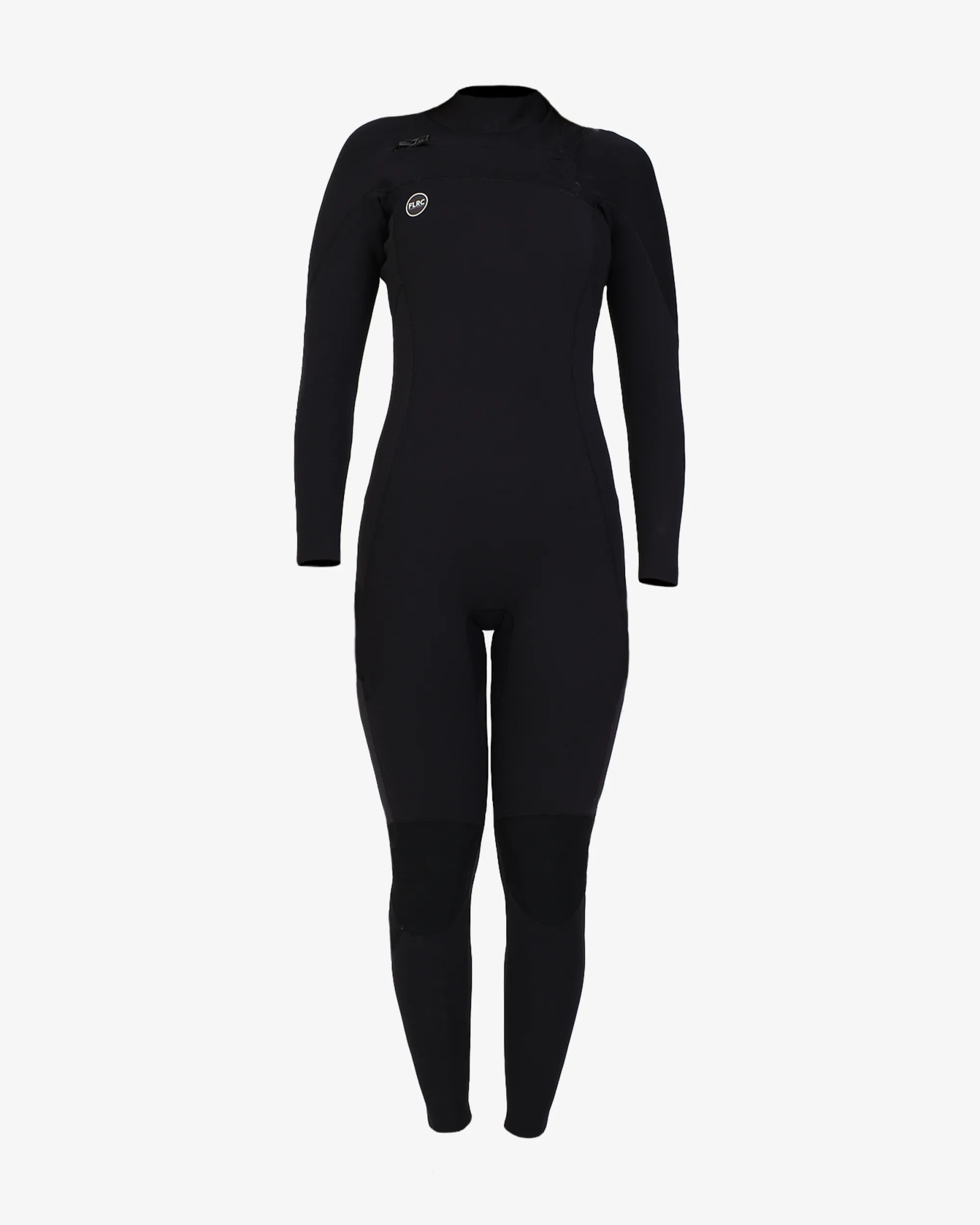
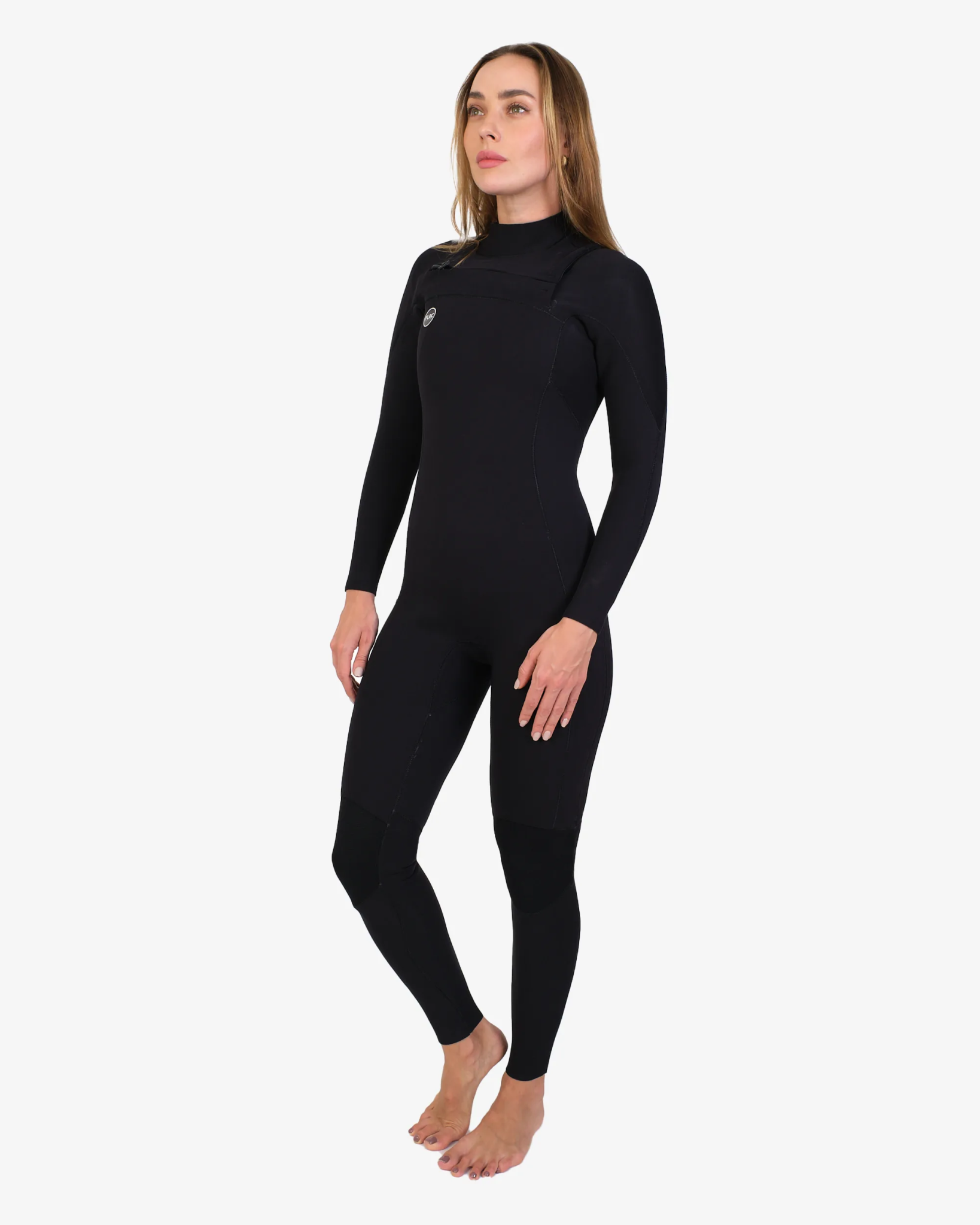
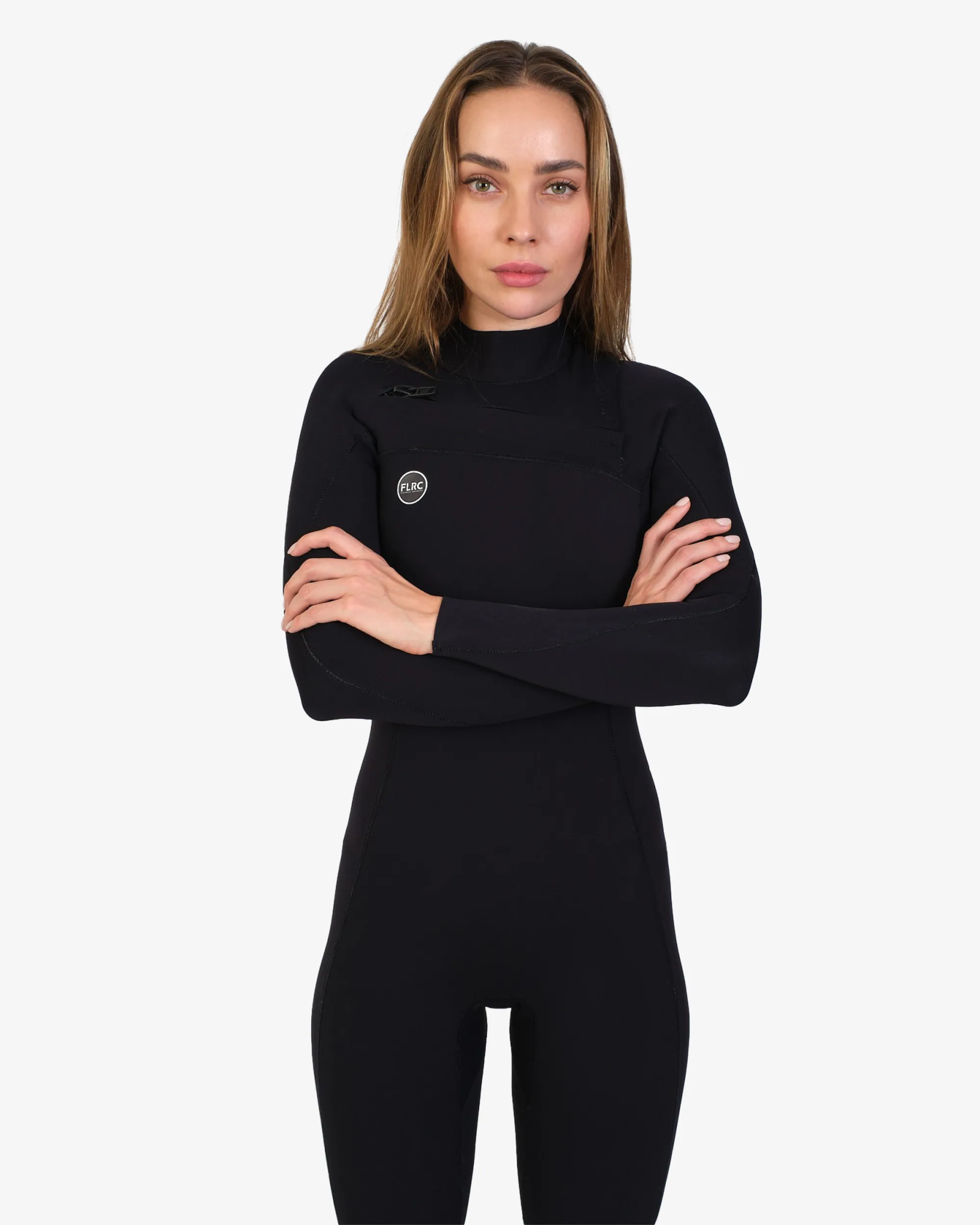
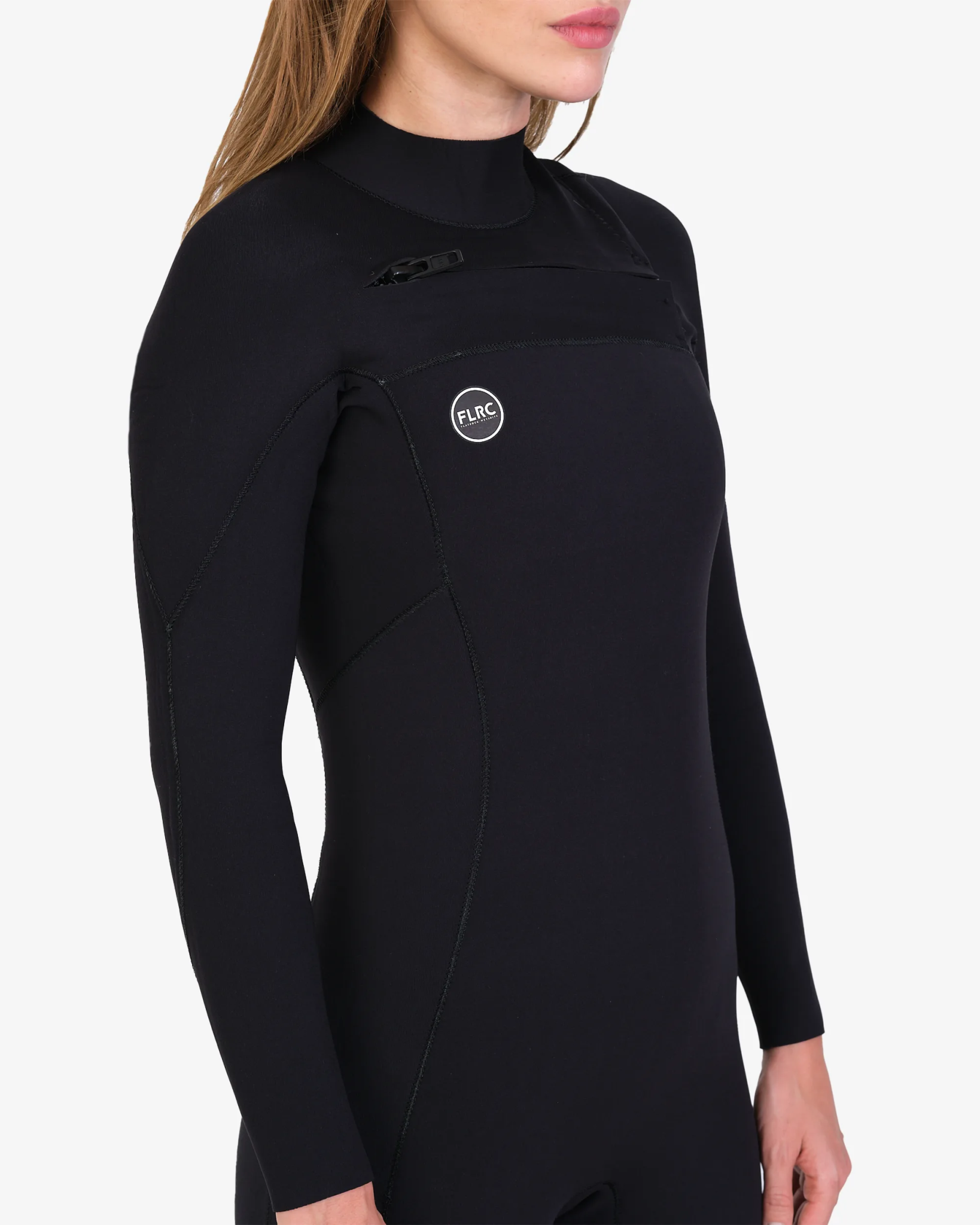
Surf forecasting websites started including water temperature alongside swell and wind data, normalising it as just another variable to consider. The conversation shifted from "Is it too cold?" to "What thickness do I need?" We get this question constantly, and our answer depends on location and personal cold tolerance. Our wetsuit thickness guide for Australia breaks down recommendations by region and season, but the general rule holds: a quality 3/2mm steamer handles most NSW winter conditions, while Victoria and Tasmania require 4/3mm minimum with boots for the coldest months.
This data-driven approach removed the mystery and fear around winter surfing. Surfers realised they weren't facing Arctic conditions, just moderately cold water that proper gear could easily manage. The result was a surge in winter surf participation through the 2010s and into the current decade.
What role did boots and hoods play in the evolution?
Neoprene boots and hoods, once considered unnecessary accessories, became essential tools for serious winter surfers. Boots evolved from clunky slip-ons to split-toe designs that preserved board feel while protecting against cold and reef cuts. By the 2010s, most Victorian surfers wouldn't paddle out in July without 5mm boots, and many NSW surfers adopted 3mm booties for the coldest winter mornings.
Hoods remained more controversial. The sensory deprivation, the way they muffle sound and restrict peripheral vision, initially put many surfers off. But for extended sessions in sub-14°C water, a hood prevents the ice-cream headache that comes from repeated duck-dives. Tasmanian surfers embraced hoods early, often pairing them with 5mm gloves for winter sessions at exposed breaks.
The key insight was that these accessories didn't just make surfing tolerable; they made it enjoyable. A properly fitted boot extends your session from one hour to three. A hood eliminates the headache that ruins the drive home. These aren't luxuries; they're the difference between suffering through winter and actively seeking it out.
How has modern winter surf culture changed Australian surfing?
Modern Australian winter surf culture looks nothing like the 1960s version. Winter is now peak season for serious surfers, a time when crowds thin out, swells pump more consistently, and conditions favour quality over quantity. The shift is particularly visible in NSW, where winter once meant empty lineups at spots like Maroubra and Cronulla. Now, dawn patrol on a clean winter morning draws more surfers than a mediocre summer arvo.
This shift has economic and environmental dimensions. Australian wetsuit manufacturers now generate most of their annual revenue between April and September, designing specifically for Southern Hemisphere winter conditions. Surf tourism has adapted too, with Victorian accommodation providers offering "winter surf packages" targeting surfers who want uncrowded waves and don't mind the cold.
The environmental angle is subtle but significant. Winter surfing requires less travel. Instead of chasing warm water in Queensland or Indonesia, surfers can find quality waves close to home. A winter dawn patrol session produces zero carbon emissions beyond the drive to the beach, often shorter than a summer road trip to a less crowded spot.
Culturally, winter surfing has created a new competitive edge. Surfers who maintain fitness and skill through winter arrive at summer in peak form, while those who take three months off struggle to regain their timing. Coaches now recommend year-round consistency over seasonal intensity, and proper warm-up routines become even more critical in cold water to prevent injury.
What does the future of winter surfing look like?
As of winter 2026, Australian cold-water surfing has reached full maturity. Wetsuit technology continues improving incrementally (lighter materials, better stretch, improved durability) but the fundamental problem is solved. A modern 4/3mm steamer keeps you warm enough, flexible enough, and comfortable enough to surf for hours in any Australian winter conditions.
The next frontier is accessibility. Winter surfing no longer requires toughness or extreme cold tolerance, just the right gear and basic technique. We're seeing more beginners start their surf journey in winter, attracted by smaller crowds and the appeal of learning in less chaotic conditions. Parents bring kids out in 3/2mm spring suits on mild winter days, building skills before the summer crowds arrive.
The psychological shift is complete. Winter is no longer something Australian surfers endure; it's something we anticipate. The forecast check on a June morning carries the same excitement as a summer swell, sometimes more. Clean, offshore winter mornings with 16°C water and head-high sets represent surfing at its purest, stripped of the summer circus and reduced to just you, your board, and waves that demand full attention.
This evolution, from punishment to paradise, represents more than technological progress. It reveals something fundamental about surf culture's adaptability. Give surfers the tools to access waves year-round, and they'll redefine what surfing means. Winter surfing isn't just tolerable now; it's often the best surfing of the year. The waves are better, the crowds are smaller, and the experience feels more authentic. Early surfers avoided winter because they had no choice. Modern Australian surfers seek it out because they do.
Frequently asked questions
What wetsuit thickness do I need for Australian winter surfing?
For NSW winter surfing, a 3/2mm steamer handles most conditions when water temps sit around 18-19°C. Victoria and Tasmania require 4/3mm minimum, with many surfers opting for 5/4mm suits in the coldest months. Your cold tolerance and session length matter too, if you feel the cold after an hour, size up.
When did Bells Beach become a professional surfing competition?
The Rip Curl Pro at Bells Beach joined the World Championship Tour in 1973. It's now the longest-running professional surfing competition in the world and helped legitimise cold-water surfing on a global stage.
How cold does the water get during Australian winter?
Sydney winter water temps drop to 15-17°C between June and August. Victoria's Surf Coast ranges from 12-14°C, and Tasmania can reach 11-12°C in the coldest months. These are cold but manageable with proper gear.
Do I need boots and a hood for winter surfing in Australia?
Boots are essential for Victorian and Tasmanian winter surfing, highly recommended for extended NSW sessions in the coldest months. Hoods are optional for most NSW surfers but necessary for Victoria and Tasmania when water drops below 14°C. They prevent the ice-cream headache from repeated duck-dives and extend your session considerably.
Is winter surfing better than summer in Australia?
Winter typically offers more consistent swells, cleaner conditions from offshore winds, smaller crowds, and better wave quality. The trade-off is colder water and the need for proper thermal protection. Many experienced surfers prefer winter sessions for exactly these reasons, the waves are better and the experience feels more authentic.