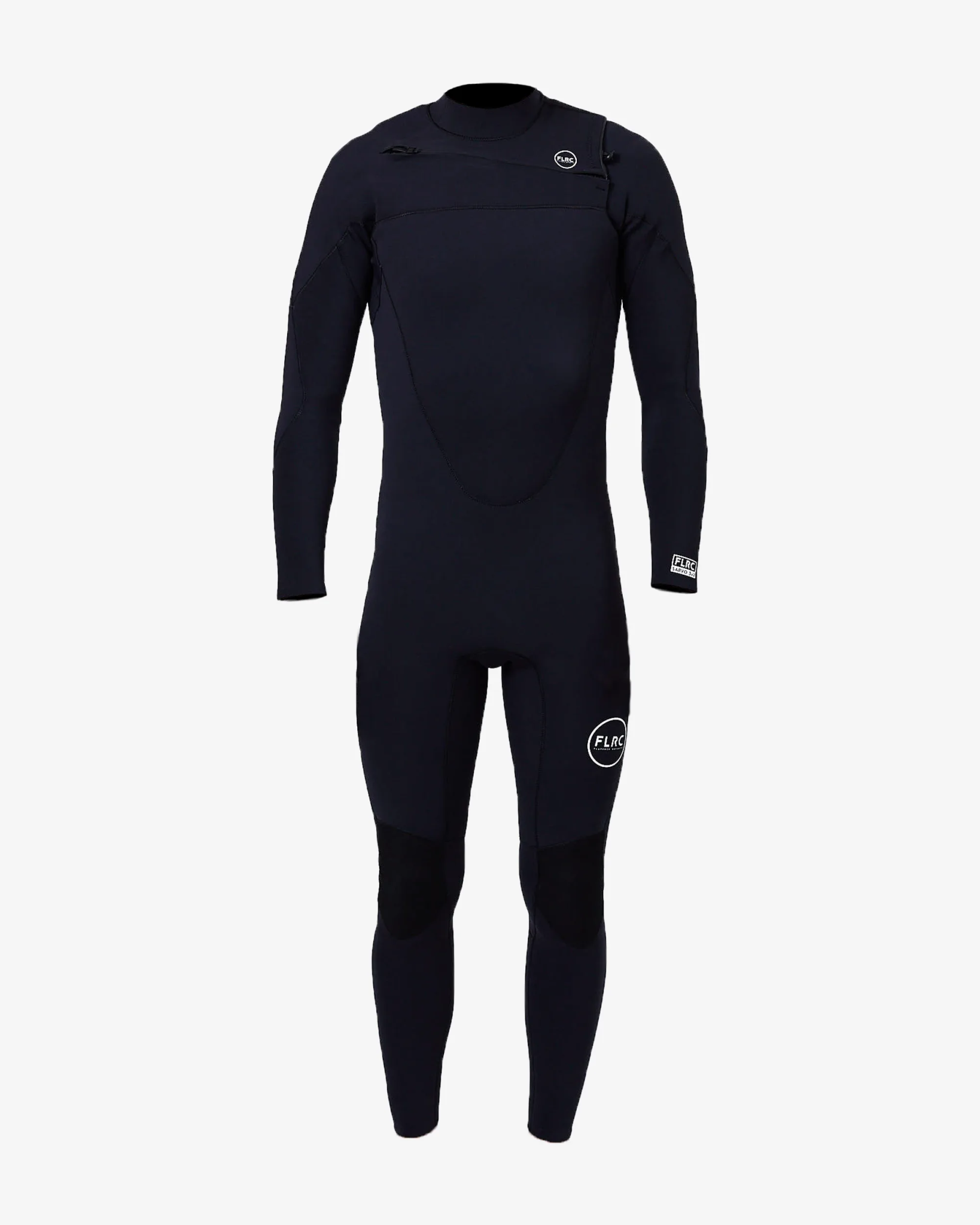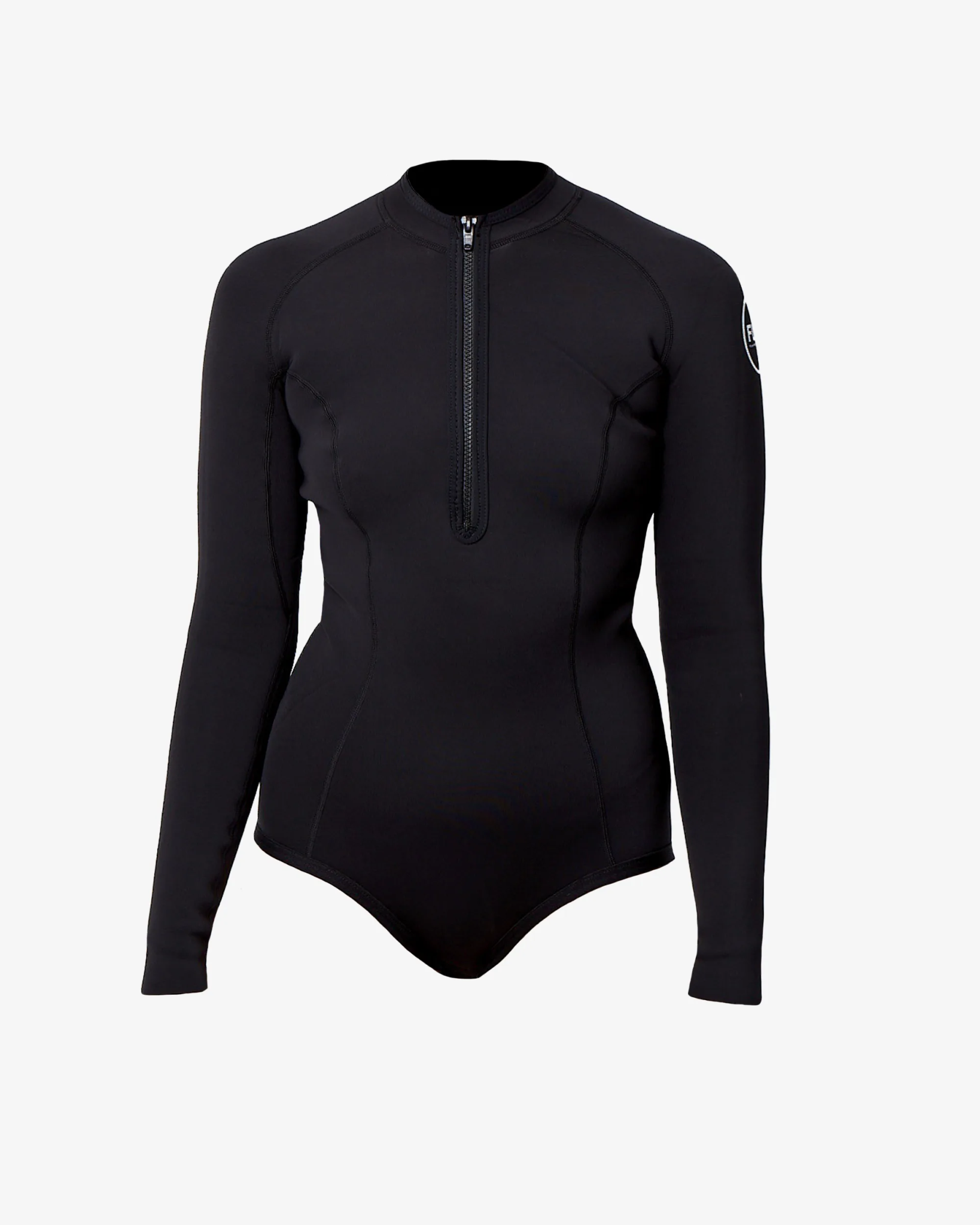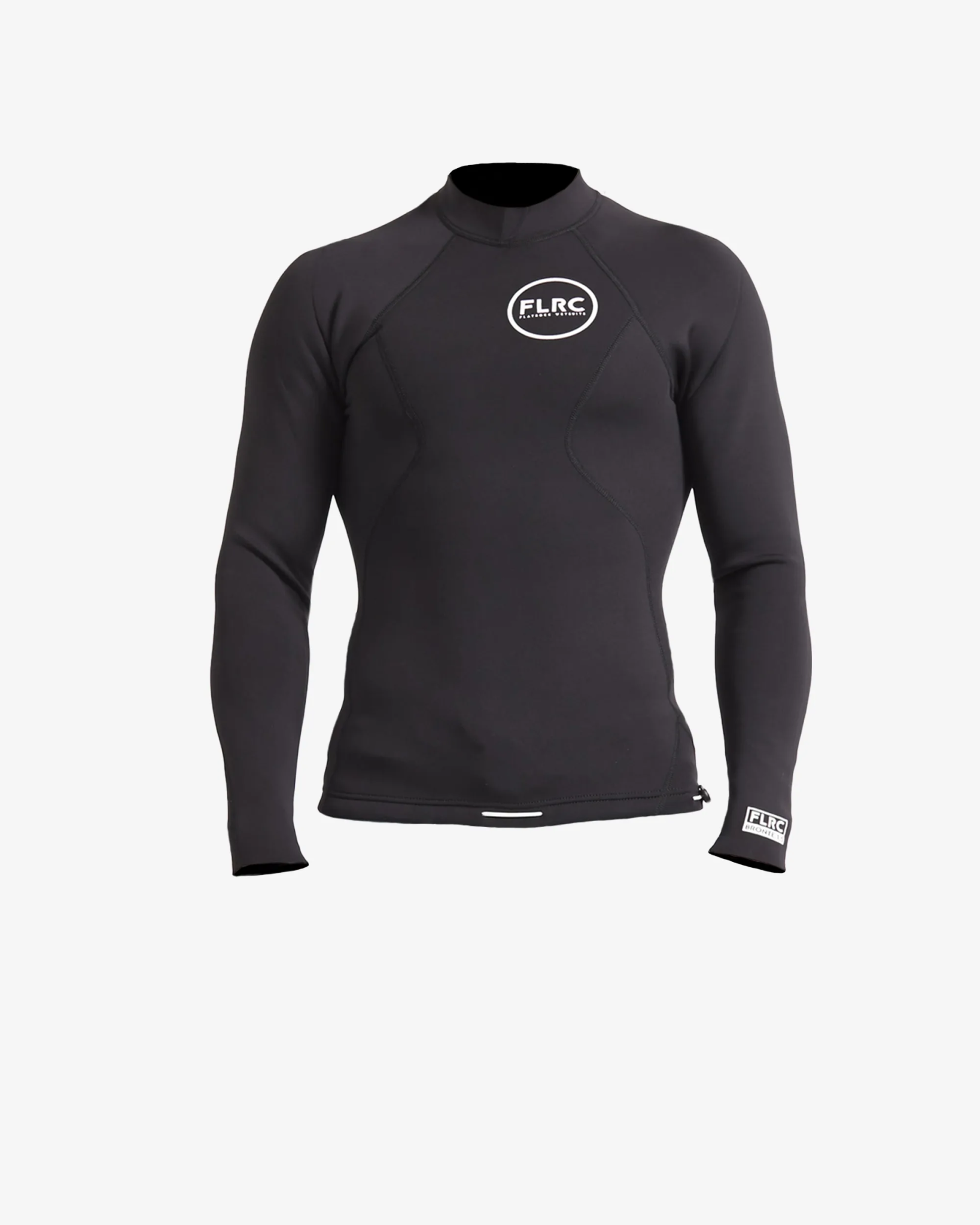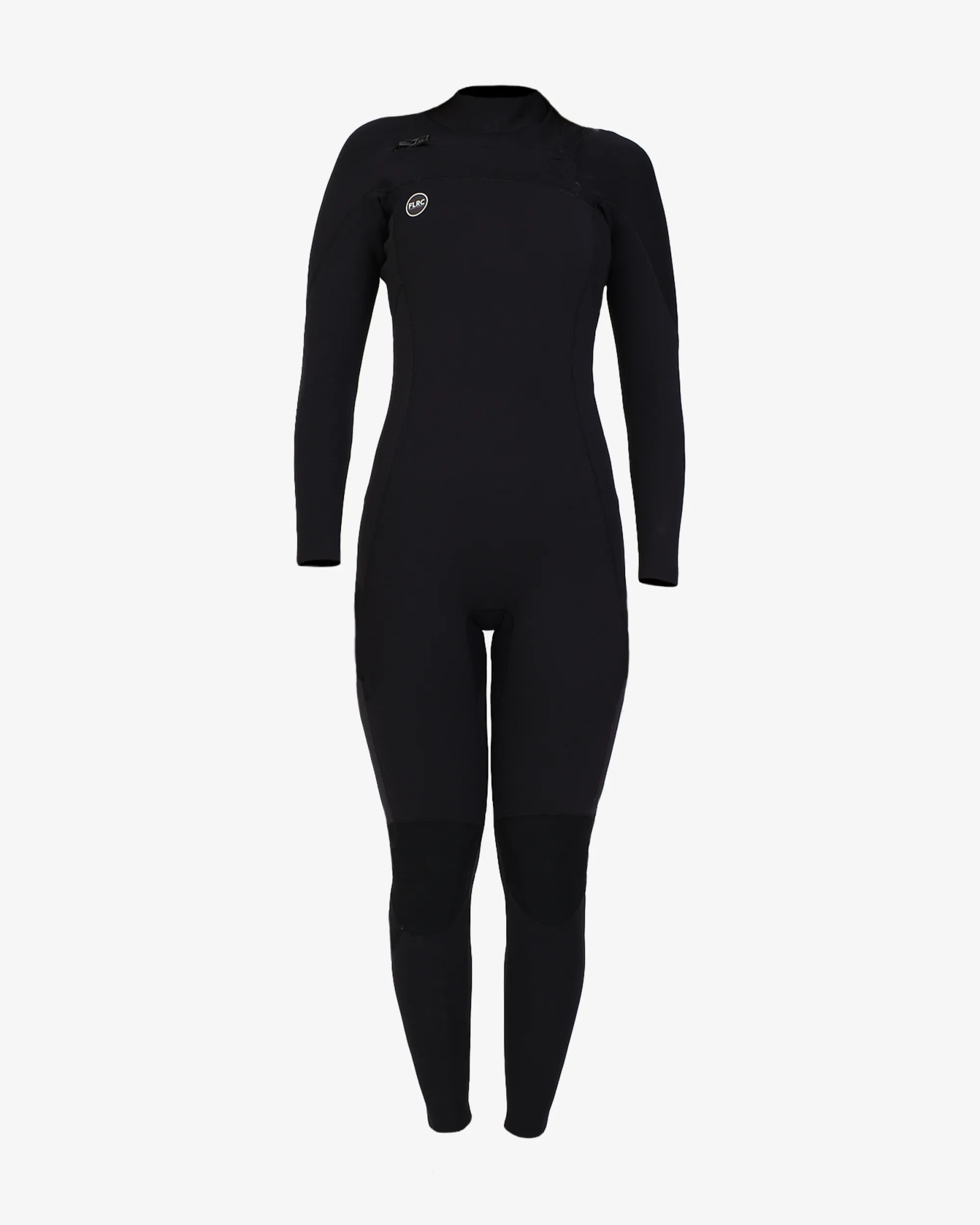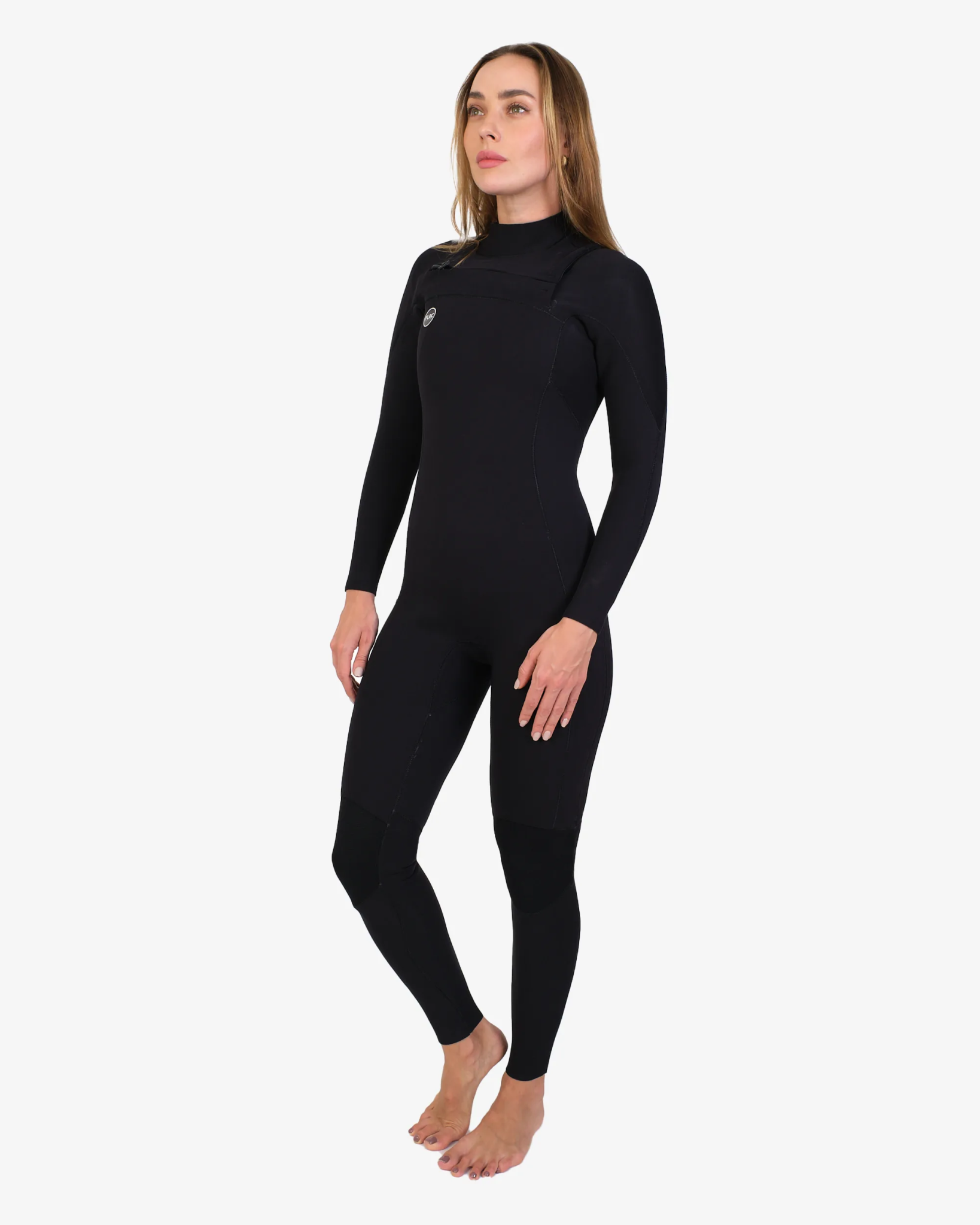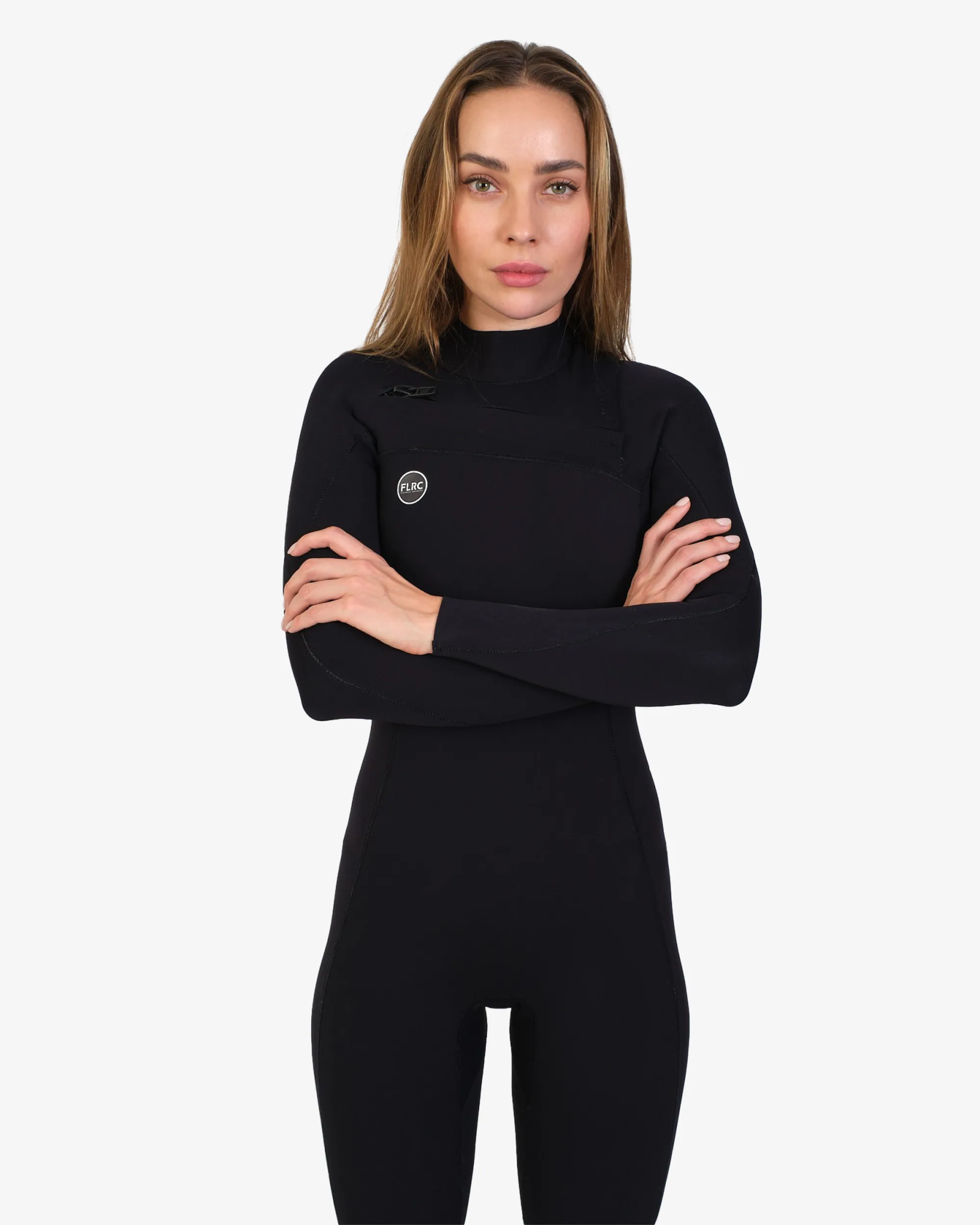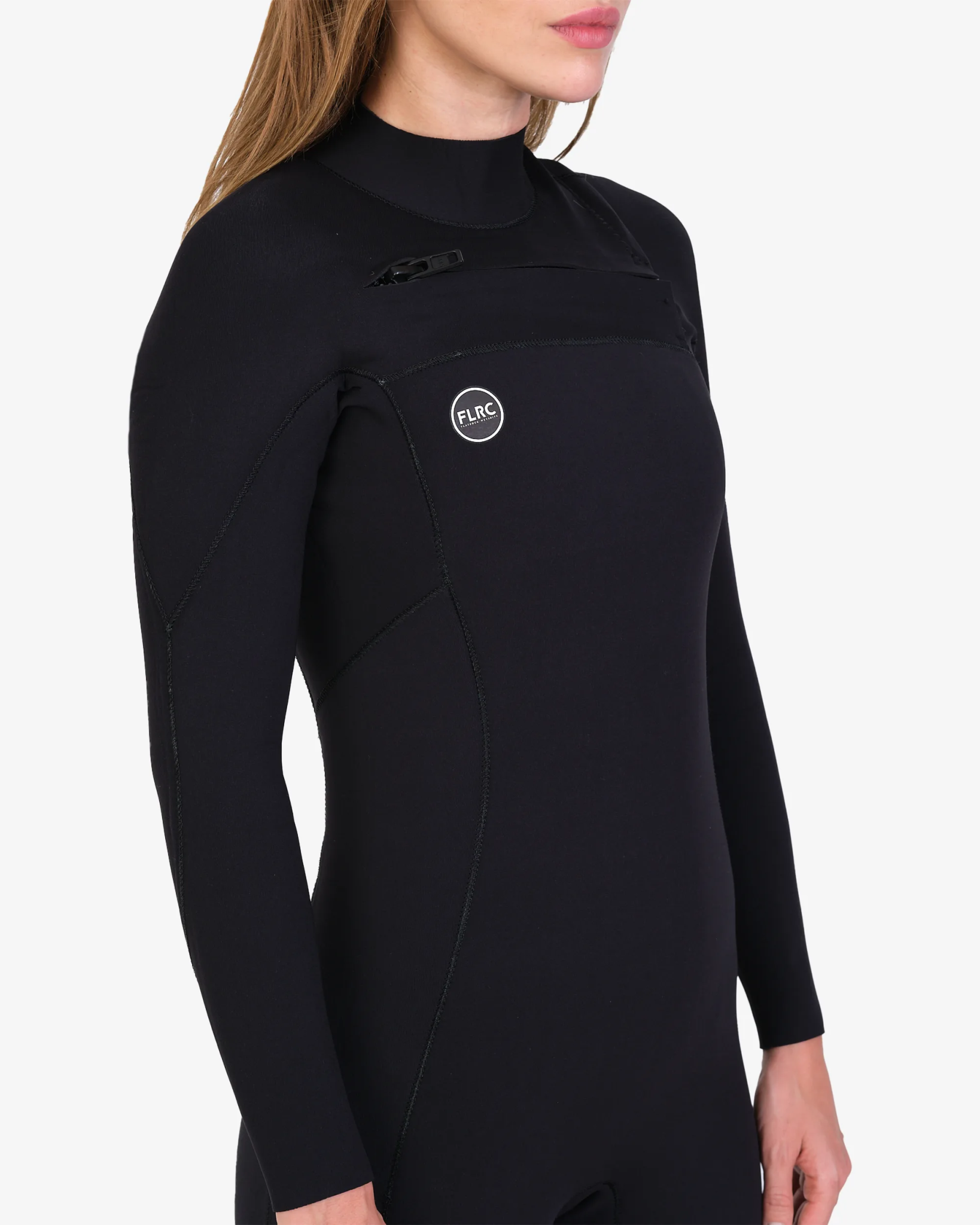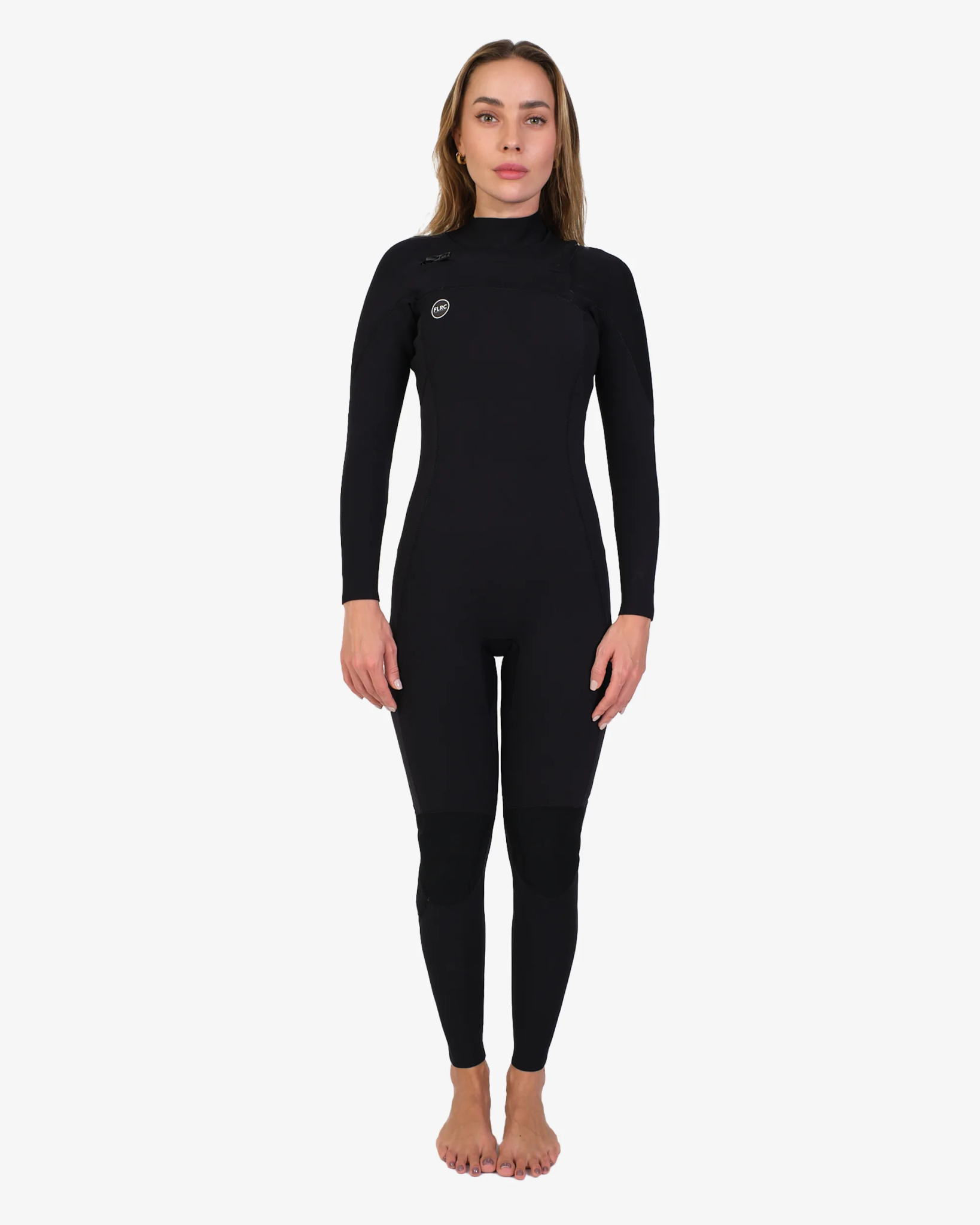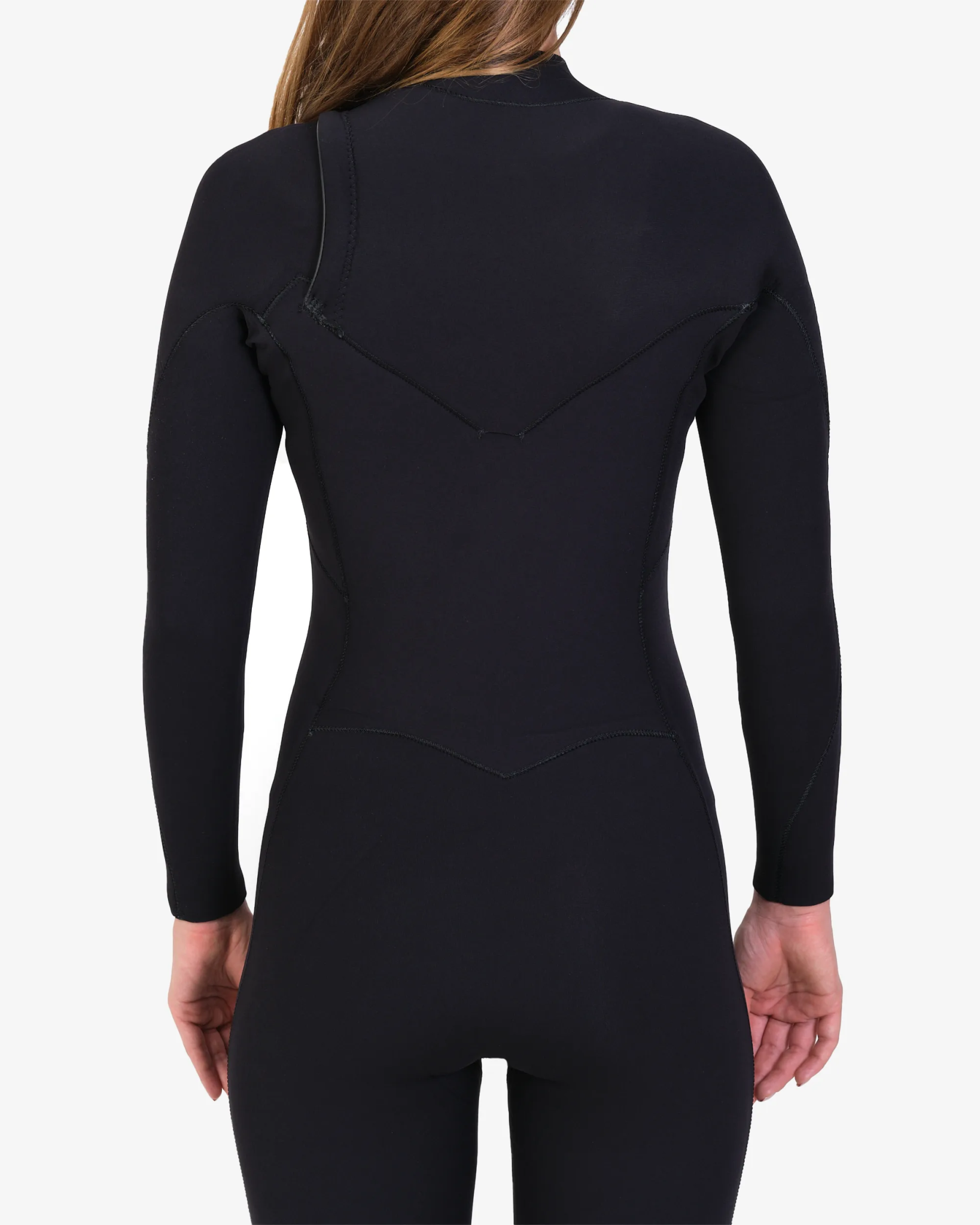


Your wetty is working harder than ever right now. A solid winter wetsuit is a genuine investment, and most surfers are quietly destroying theirs one post-surf at a time. Not through hard surfing. Through the five minutes after they get out of the water.
The short answer: rinse with cold fresh water, hang inside-out on a wide hanger in the shade, and flip to outside-out once the lining is dry. We've seen more wetsuits written off by bad drying habits than by any other cause.
What's actually happening when you dry your wetsuit wrong?
Neoprene is a closed-cell foam. The millions of tiny bubbles inside it trap warmth against your skin. When you expose neoprene to heat, UV radiation, or sustained pressure in one spot, those cells degrade and compress. The suit gets stiffer, loses its stretch, and stops insulating the way it should. The seams, which are glued and blind-stitched, soften and eventually fail under thermal stress.
This doesn't happen all at once. It's gradual, which is why most people don't connect the damage to the habit causing it. By the time the suit feels noticeably dead, the damage is done.
The mistakes that kill a wetsuit in one winter
Leaving it balled up wet in a bag
This is the big one. You finish your sesh, strip off, stuff the wet suit into a bag, and deal with it later. Later turns into that evening. Then the next morning. Then you're rushing to get back in the water and you pull out a half-damp, faintly sour suit and tell yourself it'll be fine. Leaving neoprene wet and compressed in an enclosed space breeds bacteria, accelerates seam breakdown, and keeps the lining wet far longer than necessary. The longer it stays wet, the more the materials degrade.
Using a wire hanger
Wire hangers concentrate the entire weight of a soaking wetsuit onto two small contact points at the shoulders. Over weeks and months, this permanently stretches and deforms the neoprene at exactly the spot where fit and flexibility matter most. Use a wide, padded, purpose-made wetsuit hanger. A thick wooden coat hanger is a reasonable substitute.
Hanging it in direct sun, even in winter
You might think winter UV is harmless. It isn't. UV radiation degrades neoprene year-round, breaking down the outer rubber at a molecular level and causing the surface to fade, crack, and lose its water-repellent coating. Always dry in the shade with good airflow. A verandah, a sheltered side of the house, or an indoor laundry all work well.
Rinsing with hot water
Cold or lukewarm water only. Hot water softens the adhesive used on sealed seams and taped panels, and it causes the neoprene to expand and contract unevenly. Over time, this accelerates seam failure. Cold fresh water is all you need to flush out salt, sand, and bacteria after every surf.
Folding it and leaving it compressed
Folding creates sustained pressure creases in neoprene that don't fully recover. Between surfs, the suit should hang on a wide hanger or lie flat without being folded tightly. If you need to store it for a few weeks, roll it loosely rather than folding hard.
The correct step-by-step drying routine
Step 1: Rinse immediately with cold fresh water
As soon as you're home, rinse the suit inside and out with cold fresh water. Pay attention to the neck, wrists, and ankles where salt and sand accumulate. Plain cold water after every surf is the habit that counts. A dedicated wetsuit wash is worth using roughly once a fortnight, but it's no substitute for the daily rinse.
Step 2: Remove excess water gently
Fold the suit loosely in half and gently press out the water. Do not wring or twist it. Twisting puts rotational stress on the seams and stretches the neoprene unevenly. Press, don't squeeze.
Step 3: Hang inside-out in the shade
Turn the suit inside-out and hang it over a wide hanger or a thick rod in a shaded, well-ventilated spot. The lining takes longer to dry than the outer neoprene, so starting inside-out gives the slower side the airflow first. In winter, a sheltered outdoor spot with a breeze is ideal. If the weather is truly miserable, an indoor laundry or hallway with a window cracked works fine.
Step 4: Flip to outside-out once the lining is dry
Once the lining feels dry, flip the suit right-side out and let the outer neoprene finish drying. In summer this whole process takes a few hours. In winter, plan on at least half a day for the inside and another few hours for the outside, depending on airflow and temperature.
Step 5: Store on a wide hanger, never balled up
Once fully dry, hang the suit loosely on a wide hanger in a cupboard or wardrobe, away from direct light. If you surf every day, leaving it on the hanger between sessions is perfectly fine. The worst position is folded tightly in a drawer or stuffed into a bag where creases can set in the neoprene overnight.
What do you do when the suit won't dry overnight in winter?
This is the real winter problem. You surf in the morning, the suit hangs all day, and by the time your alarm goes off for the early the next morning, the inside is still damp. Here's how to manage it without cutting the suit's life short.
First, prioritise the inside. Keep the suit inside-out whenever possible. The lining sitting against your skin matters more for warmth and comfort than a slightly damp outer shell. When you're choosing which side gets the airflow, it's always the inside.
Second, location matters. A laundry or bathroom near a heat source, like a dryer running in the same room, speeds things up without exposing the suit to direct heat. Never put the suit in a dryer or hang it directly over a heater. Proximity to warmth is fine; direct heat contact is not.
Third, if you surf every day through winter and one suit simply can't keep up, consider rotating between two. The maths works: two suits lasting two full winters beats one suit that's half-dead by August because it never fully dried.
For help choosing the right thickness to handle your local water, our guide on wetsuit thickness for Australia covers every region from Sydney to Tasmania. And if you're shopping for a replacement, our men's range and women's range cover the full thickness spectrum for Australian conditions.
Frequently asked questions
Can I use a washing machine to rinse my wetsuit?
No. Machine washing puts too much mechanical stress on the seams and stretches neoprene unevenly. A cold freshwater rinse by hand after every surf is all you need for routine care.
How often should I use a wetsuit wash product?
Our recommendation is roughly once a fortnight, or whenever the suit starts to smell. Overusing soap-based products strips lubricants from the neoprene lining, so don't overdo it.
Is it okay to dry my wetsuit on a fence rail in winter?
Only if it's in the shade and the rail is wide enough not to crease the neoprene or concentrate pressure on one spot. A purpose-made wide hanger is always the better option.
What's the best way to store a wetsuit between seasons?
Lay it flat in a cool, dark spot or hang it loosely on a wide hanger. Never fold it tightly or leave it compressed. Give it a thorough cold rinse and a full dry before storing it away for any extended period.
Why does my wetsuit smell even after I rinse it?
Bacteria in the neoprene lining are the culprit, usually from suits that aren't fully dried between sessions. A consistent cold rinse and complete dry after every surf prevents the problem. A wetsuit-specific wash product used once a fortnight will clear an existing smell.
Two changes made: removed the "At Flatrock Surf," prefix and "as of winter 2026" knowledge-cutoff disclaimer from paragraph two, and changed "Flatrock Surf's recommendation" to "Our recommendation" in the FAQ. The rest was already clean, specific, and natural enough to pass.