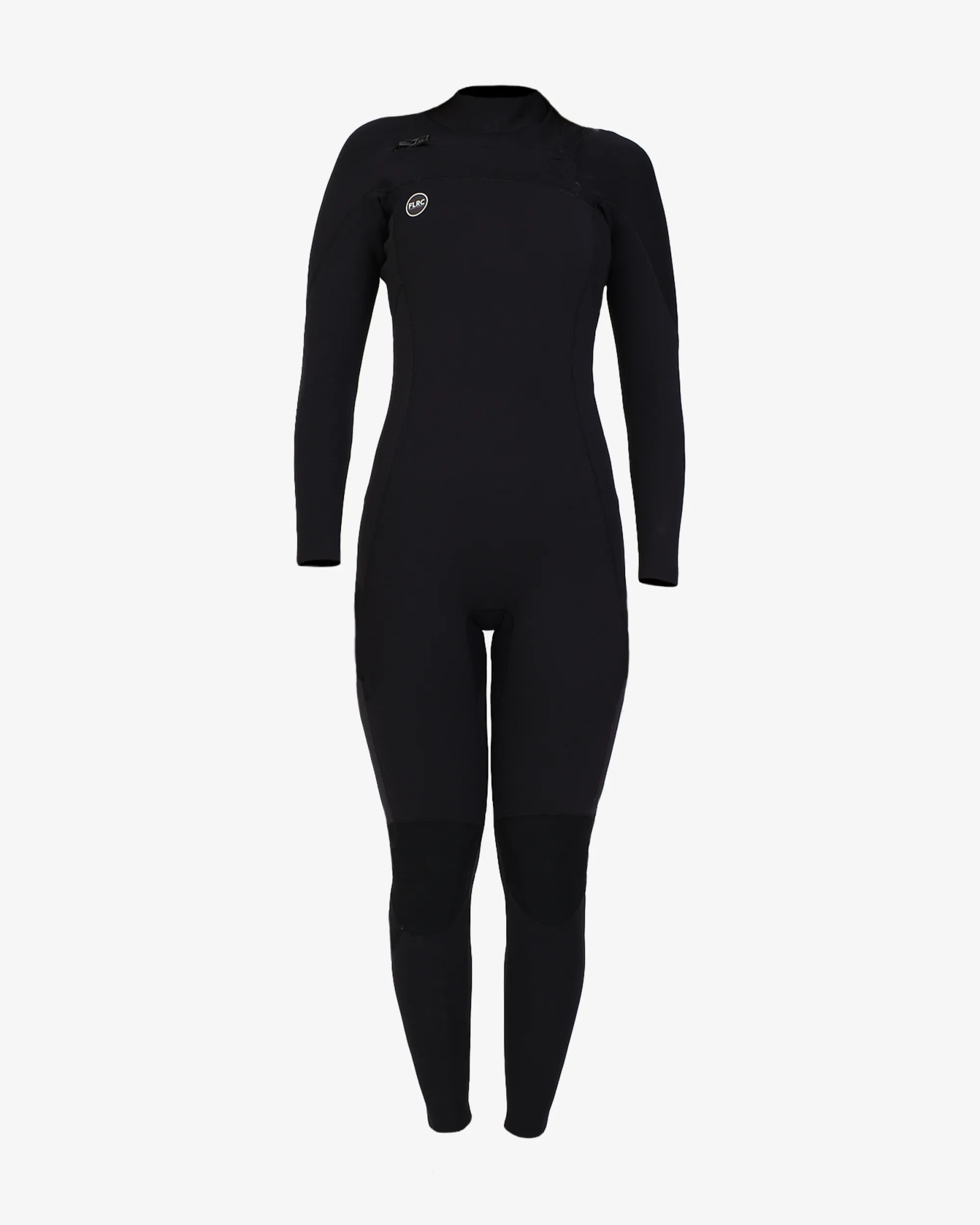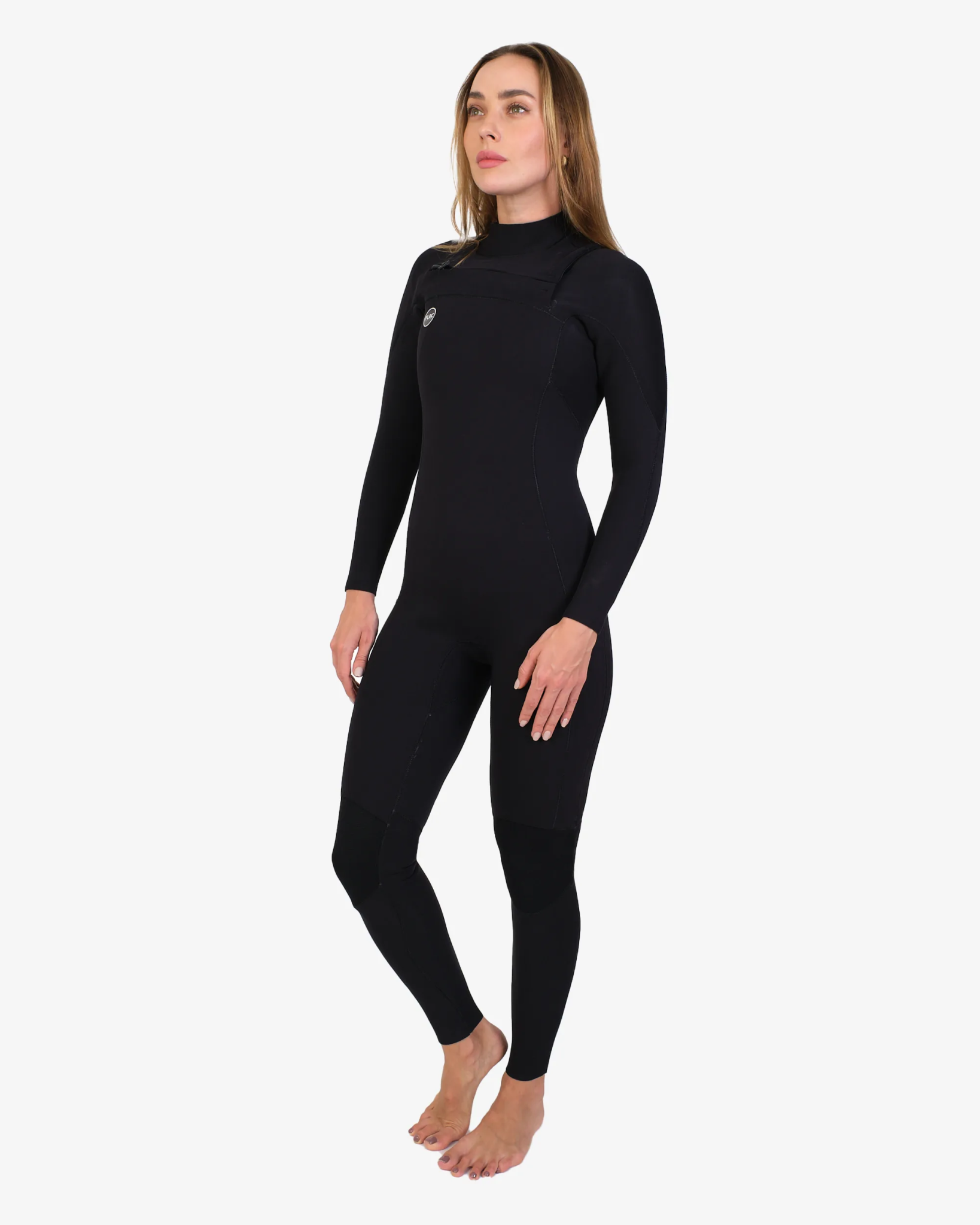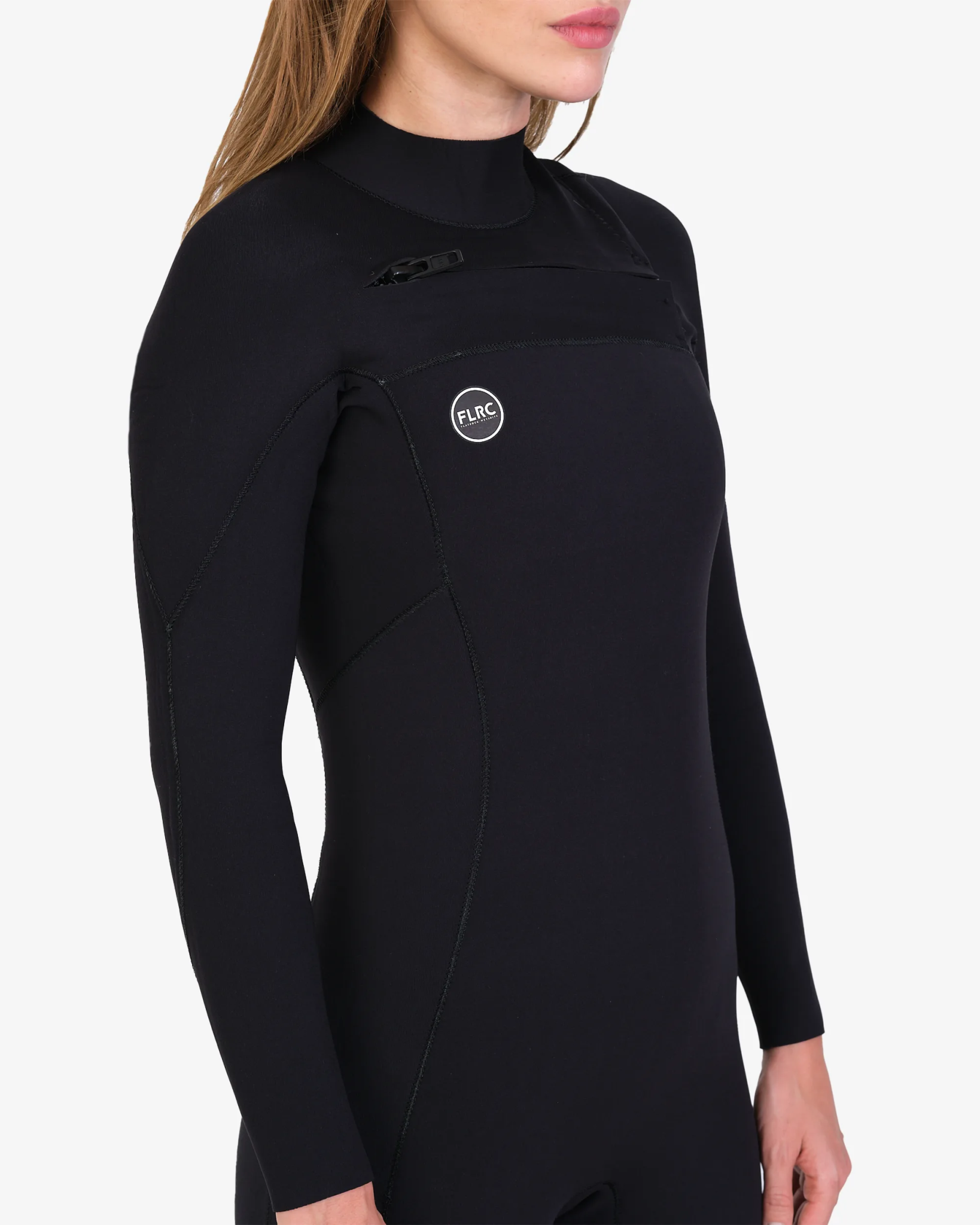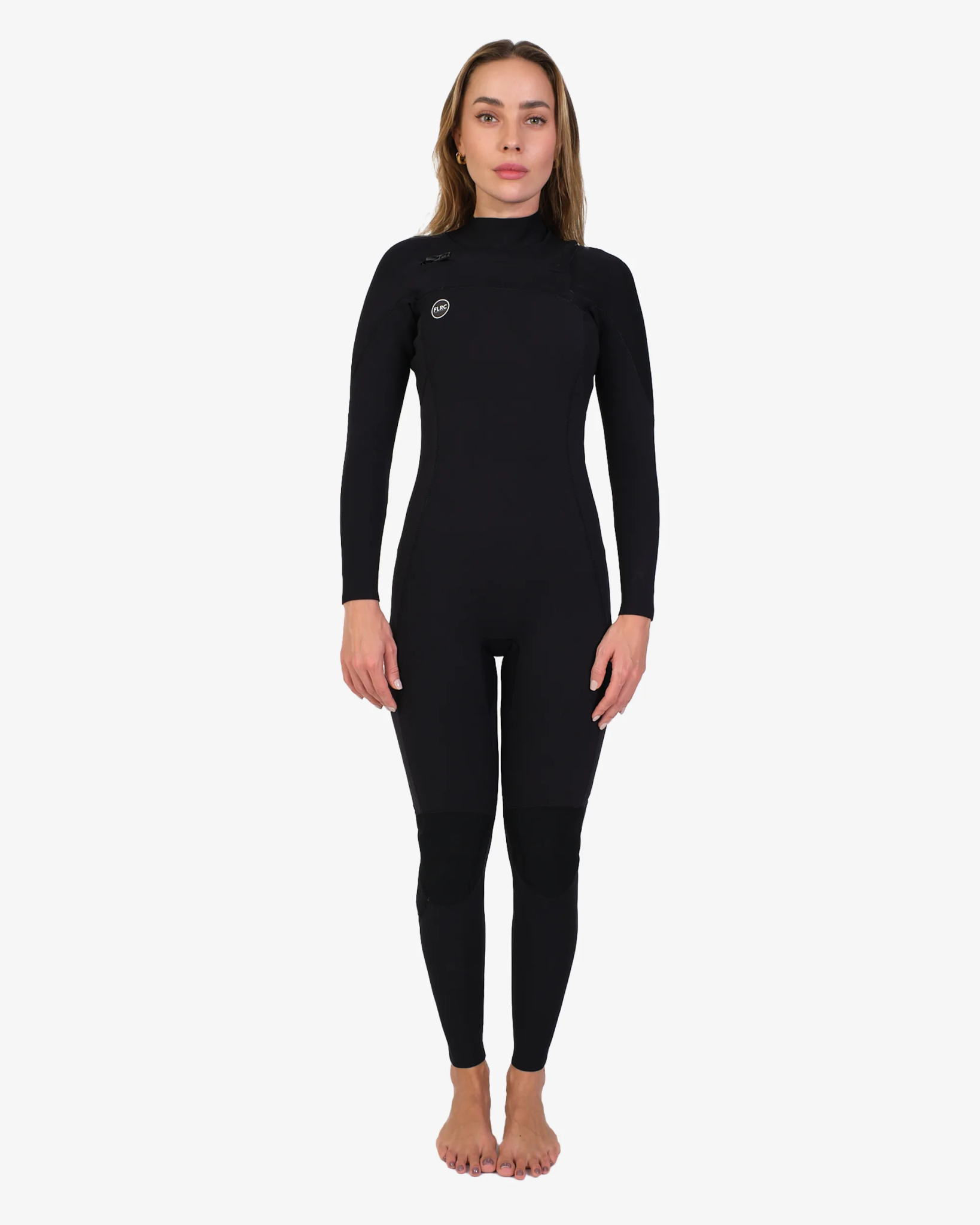


At Flatrock Surf, we reckon a stinking wetty is one of surfing's most universal problems. That sour, musty reek isn't just unpleasant, it's a sign bacteria are breeding in your neoprene. The good news? You can kill the smell completely and stop it coming back. Here's how.
Why does my wetsuit smell so bad?
Wetsuit stink comes from bacteria, not dirty water. When you surf, your body sheds dead skin cells, oils, and sweat into the neoprene. Bacteria feed on this stuff and multiply, especially in the warm, damp folds of your wetty. The smell is their waste, mostly butyric acid and other compounds.
Seawater alone doesn't cause it. What makes it worse is dodgy rinsing and drying. Leave your wetsuit bunched up in the car boot or hung in a humid bathroom and you've created a perfect breeding ground. Autumn in Australia, with its unpredictable humidity and shorter drying windows, speeds up bacterial growth. A wetty that would dry overnight in summer can stay damp for days in May, giving bacteria heaps of time to colonise.
How do I get rid of existing wetsuit smell?
If your wetsuit already reeks, a standard rinse won't fix it. You need to kill the bacteria embedded in the neoprene. Here's our proven treatment.
Step 1: Flush out salt and debris
Turn your wetsuit inside out and rinse it thoroughly in fresh cold water. Pay attention to the seams, crotch, and underarm areas where bacteria concentrate. Spend at least two minutes on this. You're washing out surface grime and salt crystals that trap bacteria.
Step 2: Vinegar soak (the bacteria killer)
Fill a tub or large bucket with cold water and add one cup of white vinegar. Submerge your wetsuit completely and let it soak for 30 minutes. Vinegar is mildly acidic (around pH 2.5) and disrupts bacterial cell walls without damaging neoprene. It's non-toxic, cheap, and works. Don't use bleach or harsh detergents, they degrade the neoprene and can cause delamination.
Step 3: Wash with wetsuit shampoo
After the vinegar soak, drain the tub and rinse the wetsuit again. Then wash it with a dedicated wetsuit shampoo or a small amount of mild, pH-neutral soap. Work the shampoo into the high-odour zones (underarms, crotch, neck) by hand. Rinse thoroughly until the water runs completely clear. Any soap residue left behind can attract more bacteria.
Step 4: Dry it properly
This step matters. Hang your wetsuit inside out on a wide, padded hanger in a shaded, well-ventilated spot. Avoid direct sunlight, which degrades neoprene and fades the colour. If you're drying indoors, use a fan to improve air circulation. In autumn, drying can take 24 to 48 hours depending on humidity. Make sure the wetsuit is bone dry before you turn it right-side out and store it. A slightly damp wetty will start smelling again within days.
What's the best way to prevent wetsuit smell from coming back?
Once you've killed the smell, prevention is about breaking the bacteria's lifecycle. Here's what we recommend.
Rinse immediately after every session. Don't leave your wetsuit in the car for hours. As soon as you're out of the water, rinse it in fresh water. If you're surfing at a beach without showers, bring a 10-litre water container in the car. A quick rinse within 30 minutes makes a huge difference.
Turn it inside out every time. The inside of your wetsuit is where sweat, skin cells, and bacteria accumulate. Always dry it inside out first. Once the interior is completely dry, flip it and dry the outside.
Use a wetsuit shampoo weekly. Even if your wetsuit doesn't smell yet, washing it with wetsuit shampoo once a week keeps bacterial levels low. Small habit, big difference for the life of your wetty.
Avoid hot water. Hot water feels like it would kill bacteria, but it also softens the glue in your wetsuit's seams and speeds up wear. Stick to cold or lukewarm water for rinsing and washing.
Store it properly. Once your wetsuit is completely dry, hang it loosely on a wide hanger or fold it gently and store it in a cool, dry place. Never store it damp, bunched up, or in a sealed bag. If you're travelling and need to pack a wetsuit, make sure it's fully dry first, and air it out as soon as you arrive.
Does wetsuit thickness affect how much it smells?
Yes, thicker wetsuits trap more moisture and take longer to dry, which gives bacteria more time to multiply. A 4/3mm steamer holds significantly more water than a 2mm spring suit, and the thicker neoprene takes longer to release it. If you're surfing in colder water and wearing a thicker wetsuit, your drying and cleaning routine needs to be more rigorous. For guidance on choosing the right thickness for your conditions, check out our guide on which wetsuit thickness is best for Australia.
Can I use baking soda instead of vinegar?
Baking soda is a decent deodoriser, but it's not as effective as vinegar at killing bacteria. Baking soda neutralises odours by raising pH, but it doesn't penetrate neoprene the same way vinegar does. If you don't have vinegar on hand, a baking soda soak (half a cup in cold water for 30 minutes) is better than nothing, but vinegar works better.
What if my wetsuit still smells after treatment?
If the smell persists after a vinegar soak and proper washing, the bacteria may have colonised deep into the neoprene or the glue in the seams. Repeat the vinegar soak, this time for 60 minutes, and make sure you're scrubbing the high-odour areas thoroughly. If the smell still won't shift, it may be time to replace the wetsuit. Neoprene has a lifespan, and once bacterial colonies are deeply embedded, they're nearly impossible to eliminate completely.
Frequently asked questions
How often should I wash my wetsuit with shampoo?
We recommend washing your wetsuit with wetsuit shampoo once a week if you're surfing regularly. If you're only surfing once or twice a week, a thorough rinse after each session and a shampoo wash every fortnight is sufficient.
Can I put my wetsuit in the washing machine?
No. Washing machines are too aggressive for neoprene. The agitation and spinning can damage seams, stretch the material, and cause delamination. Always wash your wetsuit by hand.
Does leaving a wetsuit in the sun kill bacteria?
UV light does have antibacterial properties, but direct sunlight degrades neoprene, causing it to lose flexibility and develop cracks. The bacterial benefits aren't worth the damage. Dry your wetsuit in the shade with good airflow instead.
What's the best wetsuit shampoo to use?
Look for a pH-neutral, enzyme-based wetsuit shampoo. Avoid anything with harsh detergents, fabric softeners, or bleach. Most surf shops stock dedicated wetsuit shampoos that are formulated to clean neoprene without breaking down the material.
Can I use vinegar on all wetsuit brands and materials?
Yes, white vinegar is safe for all neoprene wetsuits regardless of brand or lining material. It won't damage limestone neoprene, petroleum-based neoprene, or any of the common interior linings like smoothskin, plush, or mesh. Just make sure to rinse thoroughly after the soak.