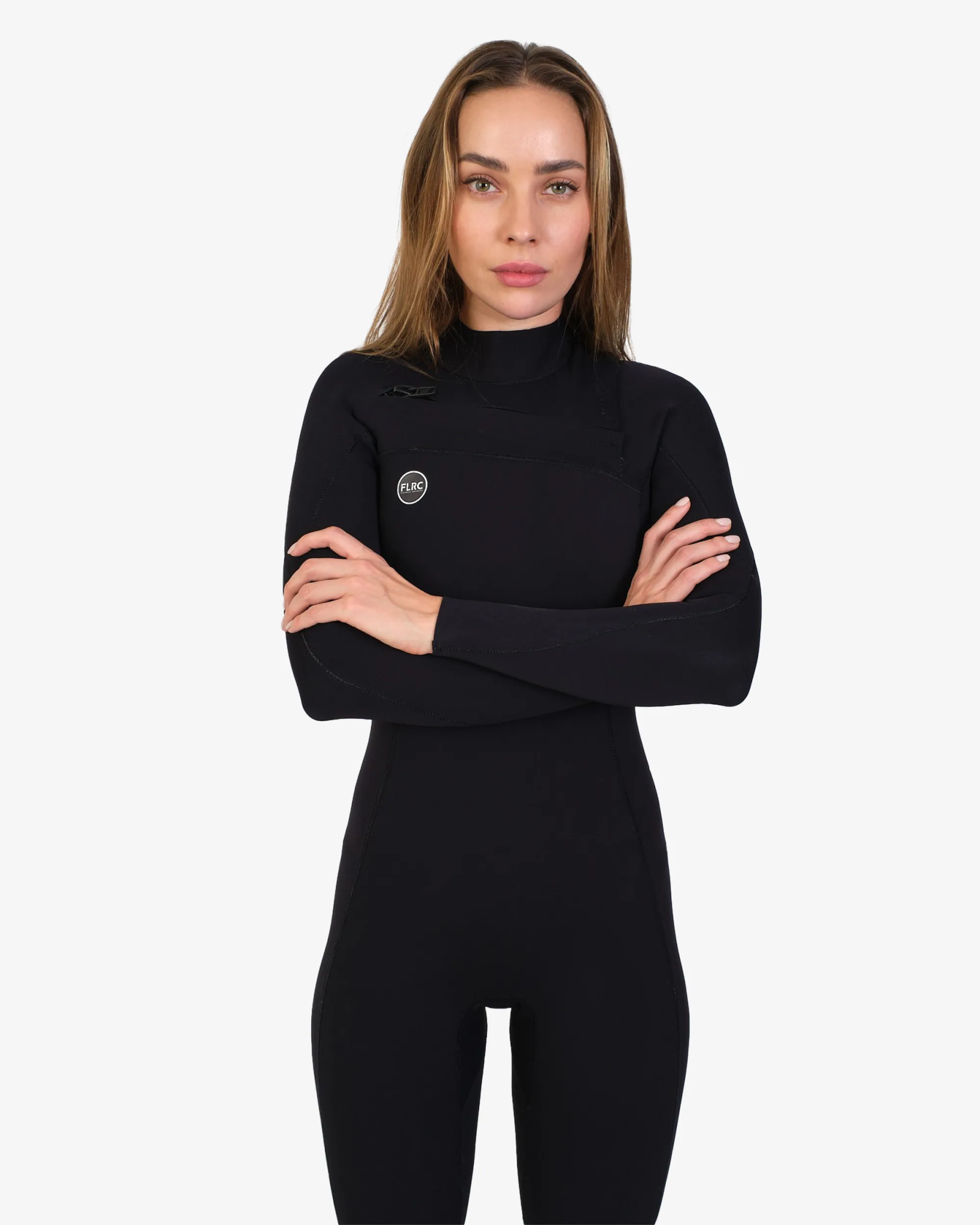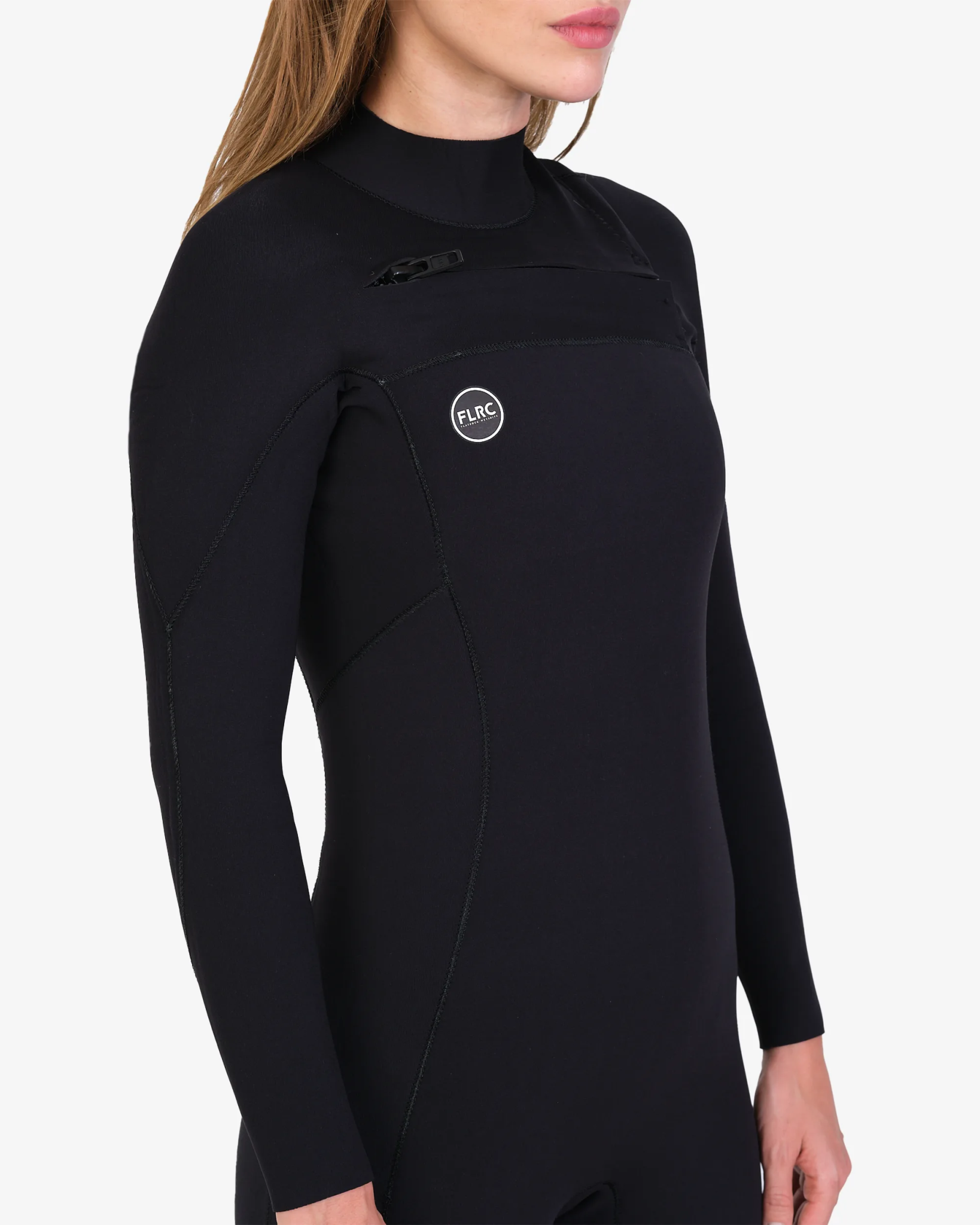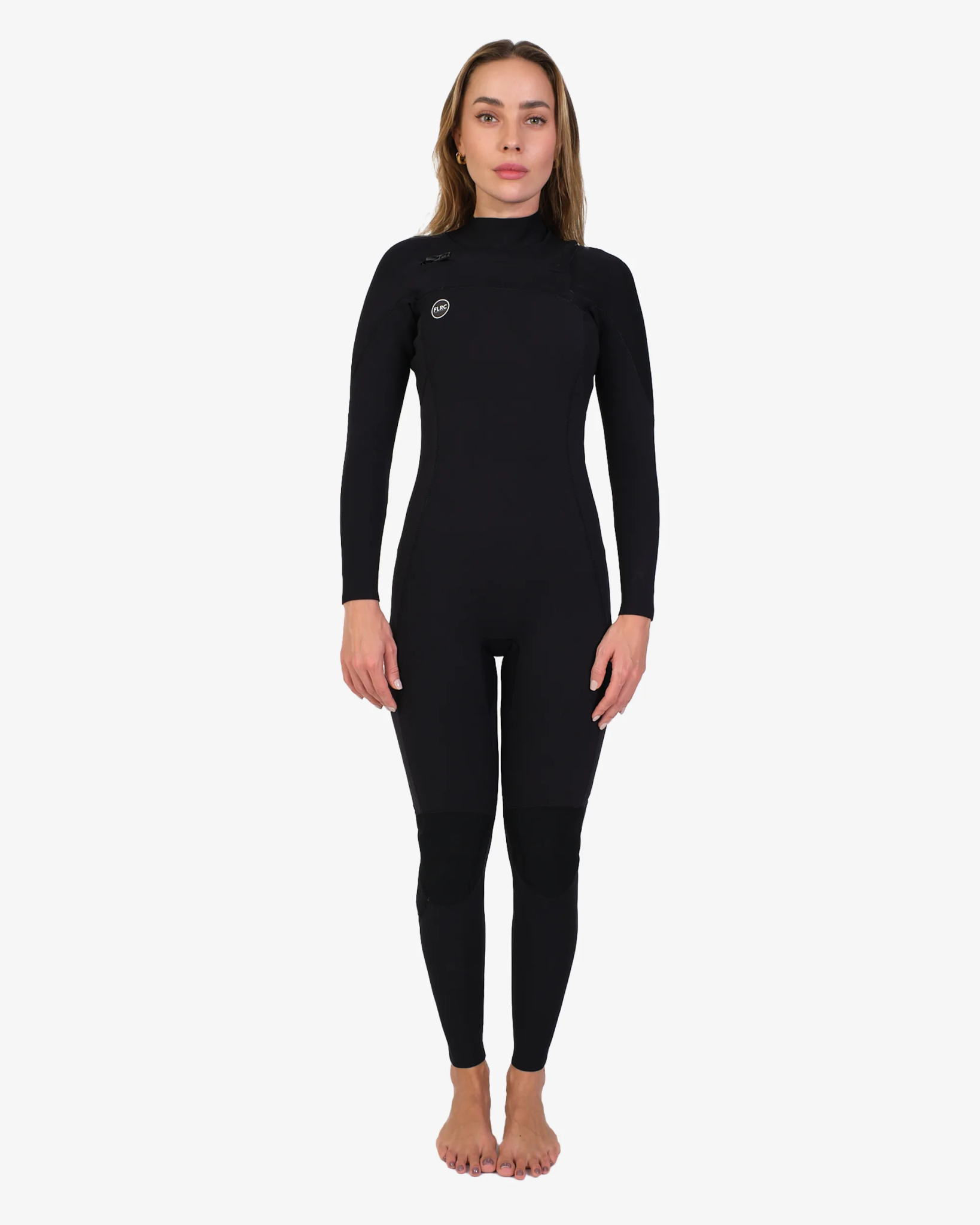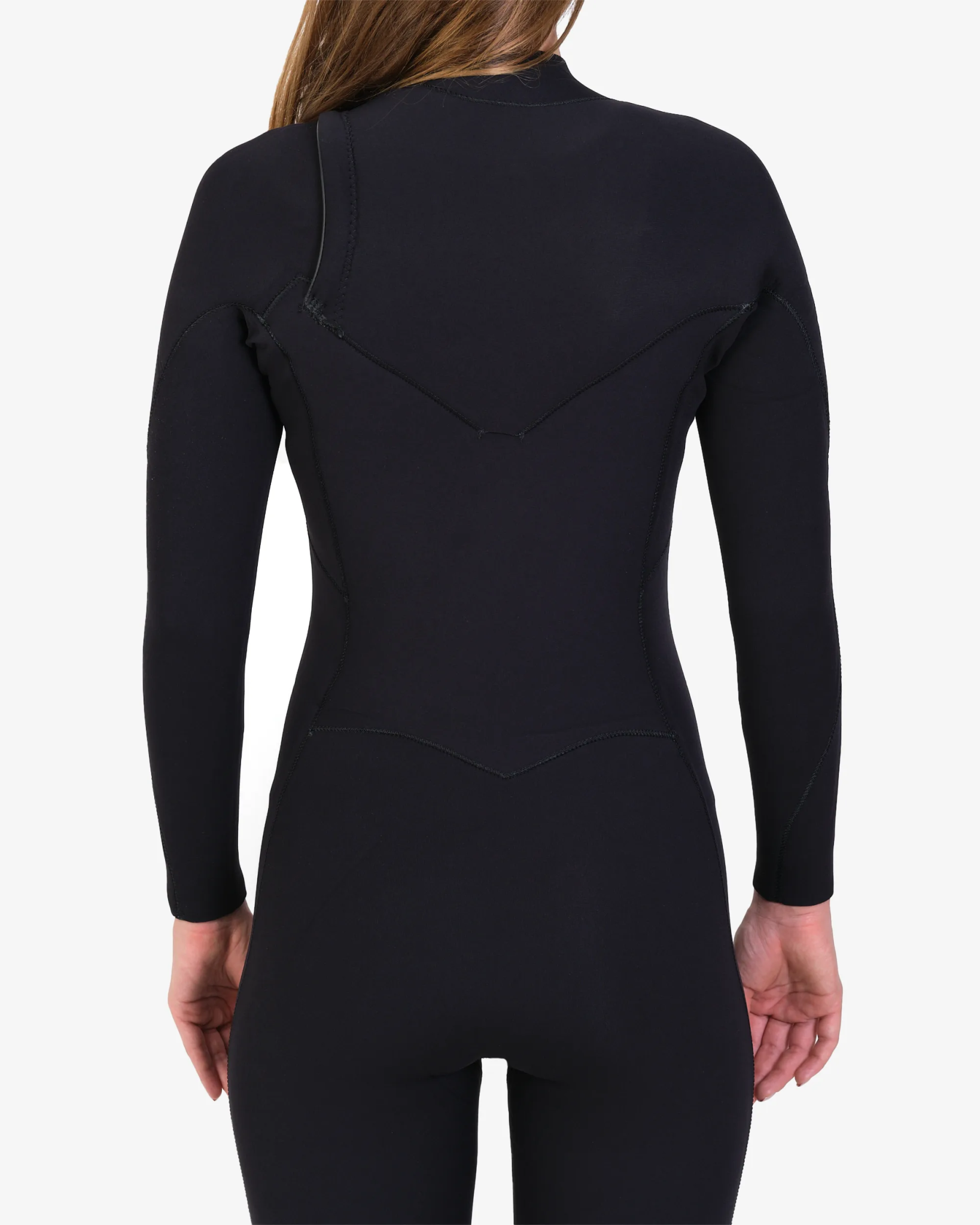


Winter surfing in Australia isn't about throwing on a thicker wetsuit and toughing it out. We reckon winter is when you build the foundation that makes you a better surfer year-round. From June through August, water temperatures drop to 12°C in Tasmania, 14°C along the Victorian coast, and 16-17°C in Sydney. Cold water demands more from your body, your mind, and your preparation. But if you train for it properly, winter sessions become some of the most rewarding surf you'll get all year.
This guide covers the physical conditioning, mental strategies, and practical cold-water tactics that turn winter from something you endure into something you actually look forward to.
Why winter surfing requires different preparation
Cold water changes everything. Your body works harder to maintain core temperature, your muscles tighten up faster, and your cardiovascular system cops more load from the moment you paddle out. A 3/2mm wetty that feels comfortable in 20°C water starts to fall short once the water drops below 14°C. Your hands and feet lose dexterity. Your breath shortens. And if you're not properly warmed up, the risk of muscle strains and shoulder injuries increases.
Winter also means shorter daylight hours. Dawn patrol starts in the dark, and arvo sessions finish as the sun drops. Motivation becomes harder when your bed is warm and the car park thermometer reads 8°C. This is where physical fitness and mental preparation become non-negotiable. You can't rely on enthusiasm alone to get you through a cold-water season.
Building paddle endurance in a wetsuit
Paddling in a 4/3mm or 5/4mm wetsuit requires 15-20% more effort than paddling in boardshorts. The neoprene restricts your shoulder rotation slightly, and the extra insulation adds weight. If your paddle fitness isn't dialled in before winter hits, you'll fatigue faster and spend more time sitting in the lineup instead of catching waves.
We build paddle-specific endurance through two approaches: in-water volume and dry-land conditioning. In the water, aim for at least two longer sessions per week where you're paddling for 45-60 minutes continuously. Don't just sit and wait for sets. Paddle between peaks, work on positioning, move around. Treat it like a paddle workout, not just a surf.
On land, resistance band exercises targeting your lats, rotator cuffs, and rear deltoids replicate the paddle motion without the impact. Attach a resistance band to a fixed point at chest height, step back to create tension, and pull through the full paddle stroke. Three sets of 20 reps, three times per week, builds the muscular endurance you need for winter sessions. Add in pull-ups and swimmer's presses to strengthen your shoulders and upper back.
If you're serious about winter fitness, check out our guide to lower back mobility exerciseswhich also covers shoulder and hip flexibility work that's critical for cold-water paddling.
Pre-surf warm-ups you actually need in winter
Skipping a warm-up in summer might cost you the first wave. Skipping it in winter can cost you your shoulder. Cold muscles don't stretch, they tear. A proper winter warm-up takes 10-12 minutes and covers three areas: raising your core temperature, activating your shoulders and hips, and priming your cardiovascular system.
Start with 3-4 minutes of light cardio to get your heart rate up and your blood flowing. Jog around the car park, do jumping jacks, skip rope if you've got one. Don't skip this. Your body needs to shift out of rest mode before you ask it to paddle through cold water.
Next, shoulder and hip activation. Arm circles forward and backward, 20 reps each direction. Slow, controlled movements through your full range of motion. Then band pull-aparts or resistance band rows if you've got a band in the car. If not, push-ups work. The goal is to activate your rotator cuffs and upper back before you load them with paddling.
For hips, do 10 deep bodyweight squats, then leg swings front-to-back and side-to-side. Your pop-up relies on hip mobility, and cold hips don't fire properly. Finish with 5-10 walk-out push-ups: stand tall, walk your hands out to a push-up position, do one push-up, walk your hands back, stand up. This movement pattern mimics the pop-up and gets your whole body switched on.
We've written a detailed breakdown of the best warm-up routine for surfingwhich includes video demonstrations and a printable checklist you can keep in your car.
What wetsuit thickness do you actually need?
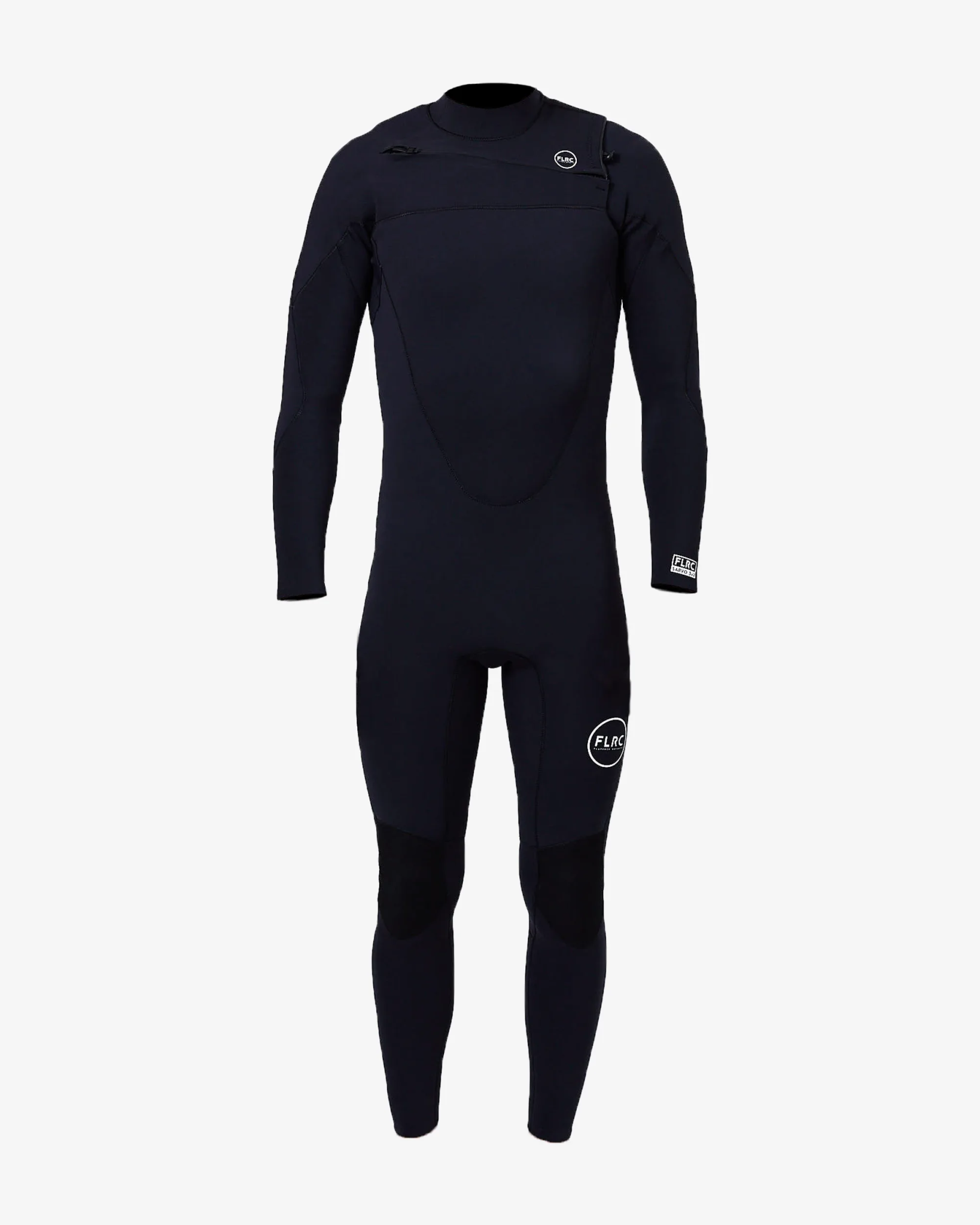
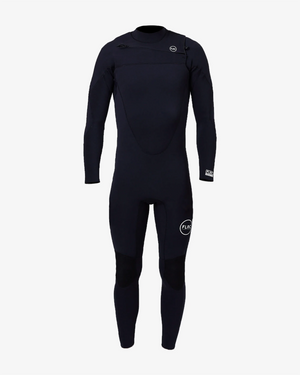
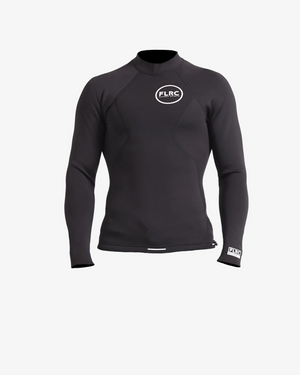
Wetsuit thickness is not negotiable in winter. Underdressing for cold water doesn't make you tougher, it makes you hypothermic. Here's what we recommend based on winter water temperatures across Australia.
Sydney and northern NSW (around 18-19°C)
Best for: Most winter surfers in this region
A 3/2mm steamer is the baseline for Sydney winter, with a 4/3mm if you run cold. Water temps sit around 18-19°C from June to August, and a 3/2mm steamer with sealed seams keeps your core warm for 90-minute sessions. If you're surfing early mornings or late arvo when air temps drop to single digits, consider adding a 2mm neoprene beanie. Booties are optional for most Sydney surfers, but if you've got poor circulation or you're doing longer sessions, 3mm split-toe boots make a noticeable difference.
For a detailed breakdown of wetsuit thickness across all Australian regions and seasons, read our complete wetsuit thickness guide.
Victoria, South Australia, southern NSW (12-16°C)
Best for: Cold-water regions with extended winter seasons
Victoria's Surf Coast and South Australian breaks call for a 4/3mm with boots at minimum, and a 5/4mm through the coldest weeks. Water temps drop to 12-14°C in the peak of winter, and the wind chill factor off the Southern Ocean makes it feel colder. Boots and gloves aren't optional here, they're essential. A 5mm boot with a good strap system keeps your feet functional, and 3mm gloves let you maintain grip on your rails without losing all dexterity.
If you're surfing Bells, Winki, Waitpinga, or any of the exposed southern breaks, a hood becomes worth considering once water temps hit 13°C or below. You lose significant body heat through your head, and a 2mm hood can extend your session time by 30-40 minutes.
Tasmania (10-13°C)
Best for: Committed cold-water surfers
Tasmanian winter surfing is full cold-water kit: 5/4mm wetsuit, 5mm boots, 3mm gloves, 2mm hood. No shortcuts. Water temps drop to 11°C in some areas, and without proper insulation, you're looking at 20-30 minutes max before your core temperature starts dropping. Invest in quality gear. Cheap wetsuits fail in Tasmanian winter, and when your wetsuit fails at 11°C, it's not just uncomfortable, it's dangerous.
Staying motivated through short days and cold mornings
Winter motivation is a skill you train, not a feeling you wait for. When your alarm goes off at 5:45am and it's pitch black and 6°C outside, you need systems in place, not willpower.
First, commit to a minimum session frequency and stick to it regardless of how you feel. Three surfs per week is manageable for most people and keeps your fitness and skills sharp. Write it in your calendar. Treat it like a meeting you can't skip. On the days you don't feel like going, remind yourself that you'll regret not going more than you'll regret going.
Second, make the pre-surf process as frictionless as possible. Pack your wetsuit, boots, gloves, towel, and warm clothes the night before. Fill a thermos with hot water or tea. Have your wax, leash, and wetsuit repair kit in your car permanently. The fewer decisions you have to make at 6am, the less resistance you'll face.
Third, find a crew. Winter surf mates are worth their weight in gold. Sort out a regular dawn patrol crew or commit to meeting someone at a specific break on specific days. Social accountability works when internal motivation doesn't.
Fourth, focus on post-surf reward, not pre-surf dread. Keep a towel robe or changing poncho in your car. Bring a thermos of coffee or hot chocolate. Plan a solid breakfast. The 20 minutes after a winter surf, when you're warm and dry and caffeinated and watching the ocean from the car park, is one of the best feelings in surfing. That's what you're working towards, not the paddle-out in 14°C water.
Winter-specific injury prevention
Cold muscles, thick wetsuits, and heavy water create a perfect injury trifecta. Shoulder strains, lower back tweaks, and neck stiffness are all more common in winter. Prevention is straightforward but non-negotiable.
Warm up properly every single session, as outlined above. No exceptions. Your 35-year-old shoulder is not as forgiving as your 18-year-old shoulder was, and cold water amplifies that reality.
Stretch after every surf, not just when you feel tight. Focus on shoulders, lower back, and hip flexors. Spend 5-10 minutes post-session doing gentle static stretches while your muscles are still warm from the session. This is injury prevention, not performance enhancement. You're maintaining mobility so you can surf again tomorrow.
Monitor your shoulder load. If you're surfing four or five times a week through winter, your shoulders are under significant repetitive strain. Add rest days. Do shoulder mobility work. If you feel a twinge or ache that doesn't go away after a day or two, take a week off. A week off now prevents a month off later.
Consider your neck as well. Thick hoods, heavy wetsuits, and constant duck-diving put strain on your neck muscles. Neck stretches and strengthening exercises (chin tucks, isometric neck holds) keep your cervical spine healthy through winter.
Practical cold-water tactics for better sessions
Beyond fitness and mindset, small tactical adjustments make winter sessions more productive.
Use petroleum jelly or a dedicated anti-chafe balm on your neck, underarms, and inner thighs before pulling on your wetsuit. Wetsuit rash is worse in winter because the neoprene is thicker and stiffer, and once you get a raw spot, it takes longer to heal in cold conditions.
Pee before you get in the wetsuit, not after you're suited up. Obvious, but worth saying. And yes, everyone pees in their wetsuit in winter. It's warm for about 15 seconds. Don't feel bad about it.
If you're surfing a break with a long paddle-out, pace yourself. Don't redline in the first five minutes trying to get outside. You'll burn through your energy reserves and your core temperature will drop faster. Steady, controlled paddling keeps you warmer and gets you outside just as fast.
When you come in, get out of your wetsuit immediately. Don't stand around in the car park chatting in a wet wetsuit. Your core temperature is already dropping. Strip down, dry off, get into warm clothes. Everything else can wait.
Rinse your wetsuit in fresh water after every session, even in winter. Salt crystals degrade neoprene, and a wetsuit that's cared for properly lasts three seasons instead of one. Hang it inside out in a shaded, ventilated area. Never leave it in the car boot or in direct sunlight.
How to know when conditions are too dangerous
Winter brings bigger swells, stronger currents, and colder water. Knowing when to sit one out is part of winter surf competence, not cowardice.
If water temperature is below 12°C and you don't have full cold-water gear (5/4mm wetsuit, boots, gloves, hood), don't go out. Hypothermia onset is rapid below 12°C, and if you get into trouble, you won't have the motor function or decision-making capacity to self-rescue.
If the swell is bigger than your skill level and you're surfing alone, don't go out. Winter swells are heavier and more powerful. A wave that's manageable in summer can be genuinely dangerous in winter when the water is 14°C and you're wearing 7mm of neoprene.
If you're feeling even slightly unwell (cold, flu, fatigue), skip the session. Your immune system is already under load in winter, and cold-water exposure when you're run down increases illness risk. One missed session beats being sick for a week.
Winter as a training opportunity, not a test of toughness
The surfers who improve most over winter are the ones who treat it as a training block, not a survival test. Winter is when you build paddle endurance, refine your technique in heavier water, and develop the mental resilience that carries through to the rest of the year.
Set specific winter goals: increase your session length by 15 minutes, improve your duck-dive efficiency in thick neoprene, nail a new manoeuvre in powerful winter surf. Track your sessions, note what's working, adjust your approach. Winter surfing is a skill set, and like any skill set, it improves with deliberate practice.
By the time spring rolls around and the water warms up, you'll be fitter, stronger, and more competent than the surfers who sat out the cold months. That's the real payoff of winter surf training.
Frequently asked questions
What wetsuit thickness is best for Sydney winter surfing?
We recommend a 3/2mm steamer for Sydney winter, where water temperatures sit around 18-19°C between June and August. Add booties and a beanie if you're doing longer sessions or surfing early mornings. The 4/3mm thickness with sealed seams keeps your core warm for 90-minute sessions without overheating on milder days.
How long should I warm up before a winter surf session?
A proper winter warm-up takes 10-12 minutes and should include light cardio to raise core temperature, shoulder and hip activation exercises, and movement patterns that mimic paddling and pop-ups. Start with 3-4 minutes of jogging or jumping jacks, then do arm circles, band pull-aparts or push-ups, bodyweight squats, and walk-out push-ups. Never skip your warm-up in cold water.
Do I need boots and gloves for Victorian winter surfing?
Yes. Water temperatures along the Victorian Surf Coast drop to 12-14°C in winter, and boots and gloves are essential, not optional. We recommend 5mm boots with a good strap system and 3mm gloves as a baseline for Victorian winter conditions. Without them, you'll lose dexterity in your hands and feet within 20-30 minutes.
How do I stay motivated to surf in winter when it's dark and cold?
Commit to a minimum session frequency (three surfs per week), pack your gear the night before to reduce friction, find a regular dawn patrol crew for accountability, and focus on post-surf reward rather than pre-surf dread. Keep a thermos of coffee, a warm towel robe, and dry clothes in your car. Motivation is a trained skill, not a feeling you wait for.
What's the most important injury prevention step for winter surfing?
Warming up properly before every session is the single most effective injury prevention tactic for winter surfing. Cold muscles don't stretch, they tear, and shoulder strains are more common in winter when surfers skip their warm-up routine. Spend 10-12 minutes on light cardio, shoulder activation, and hip mobility work before you paddle out.