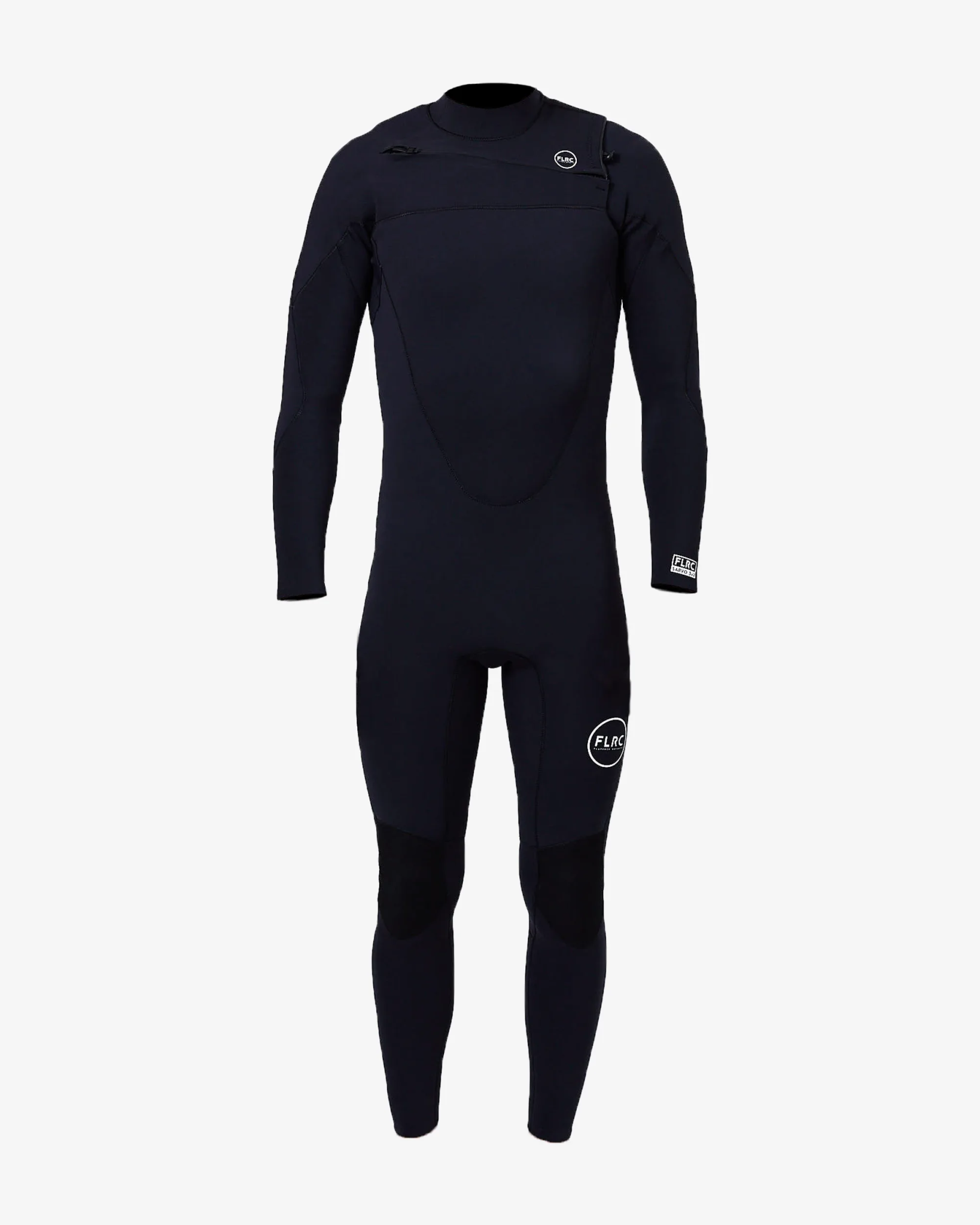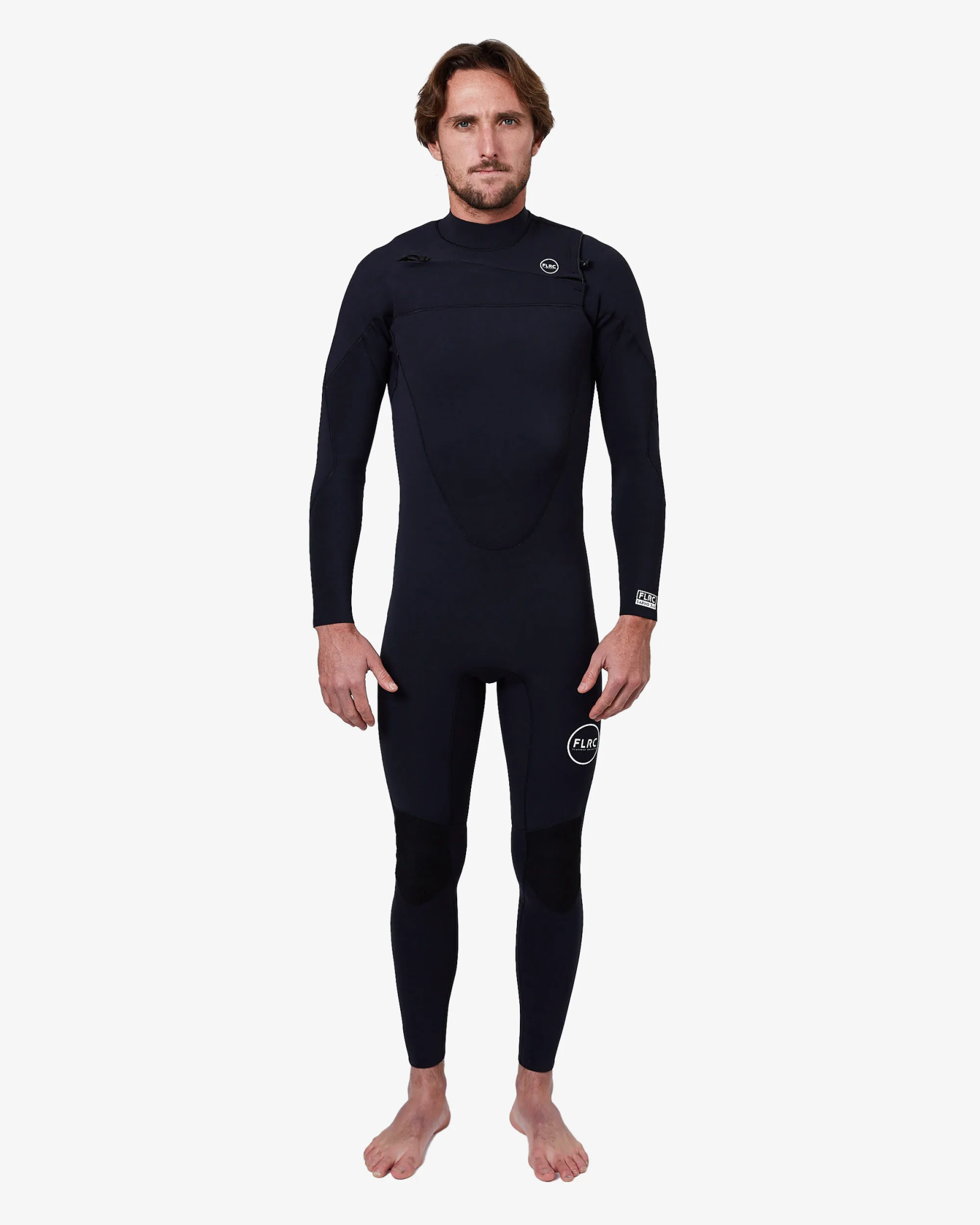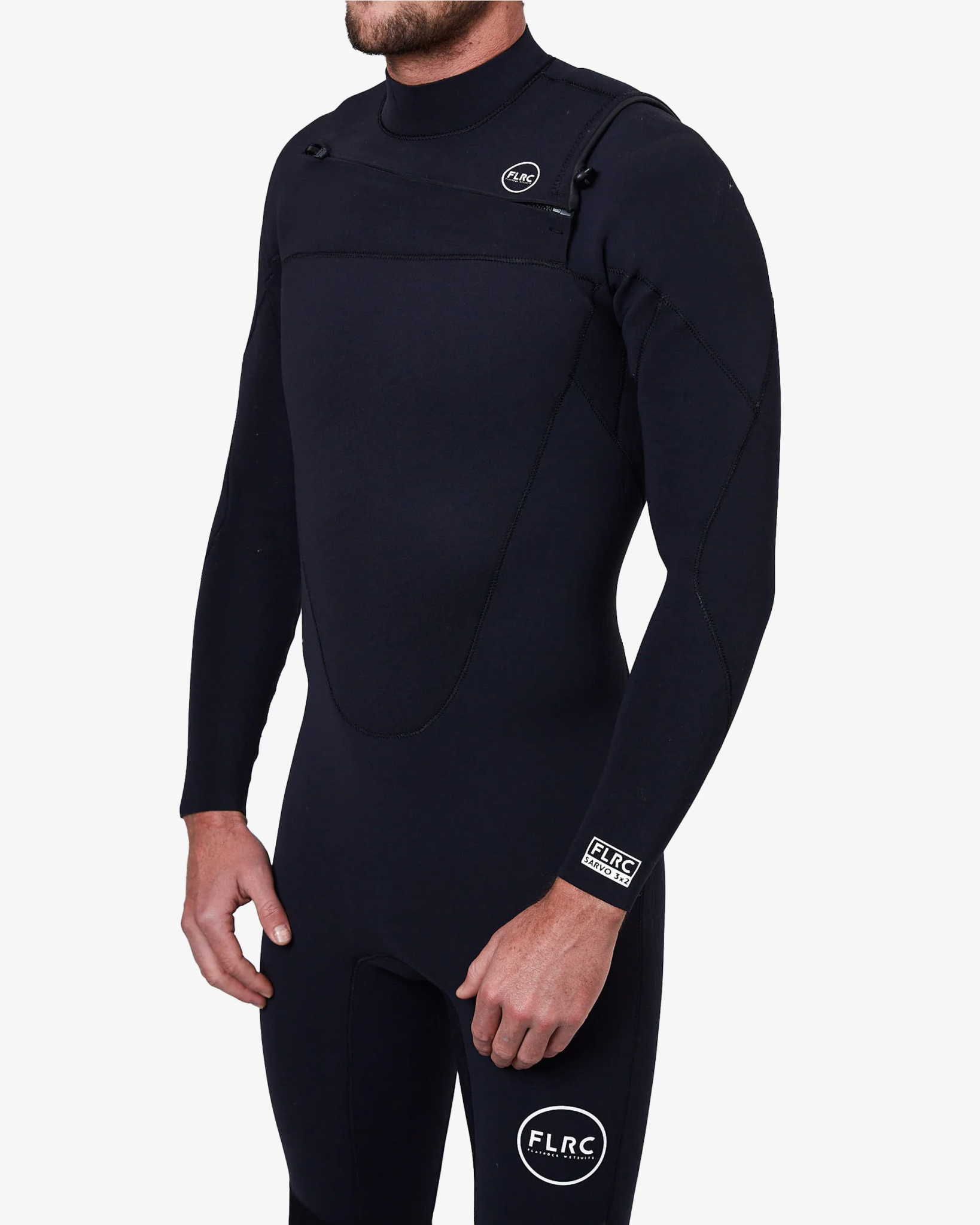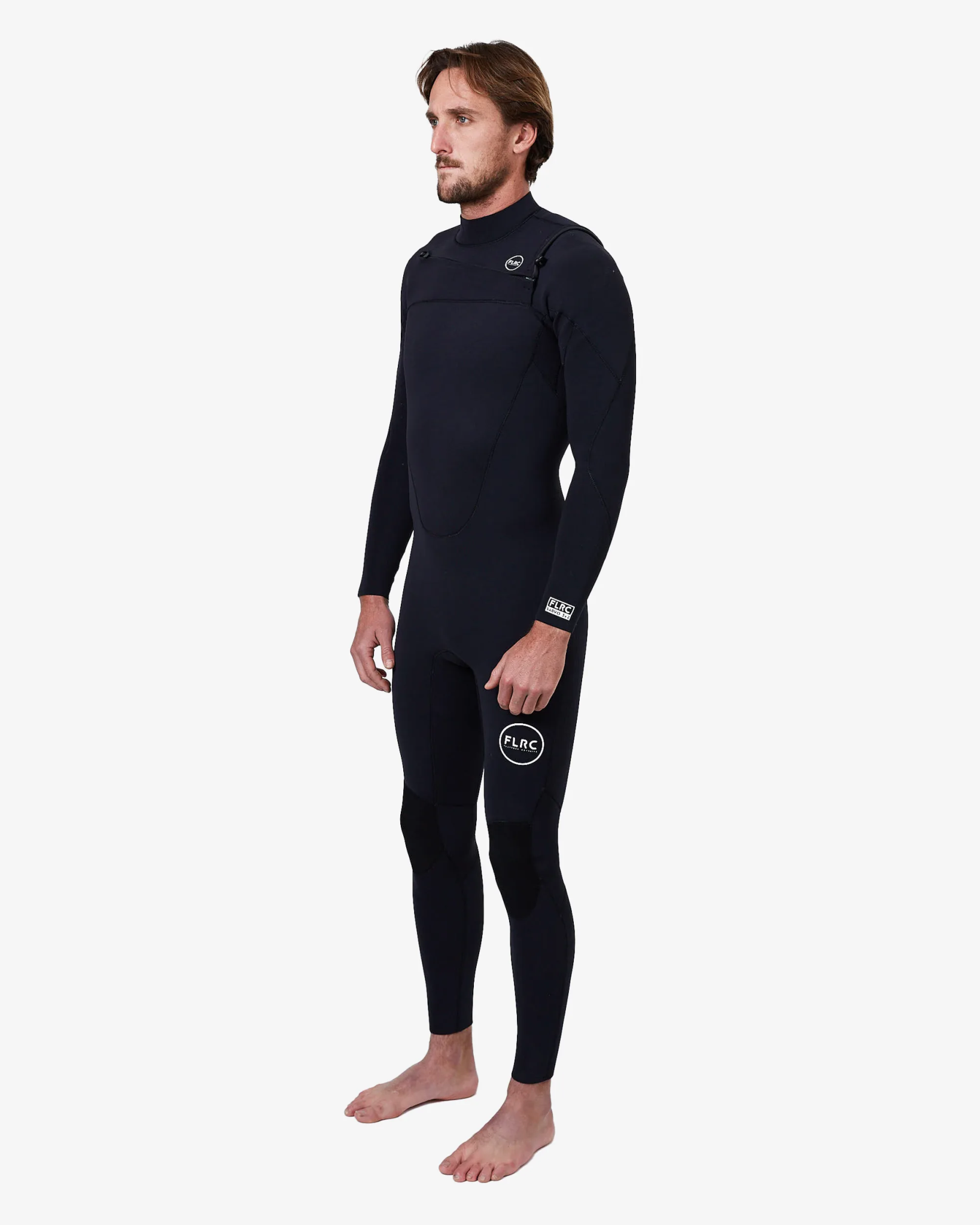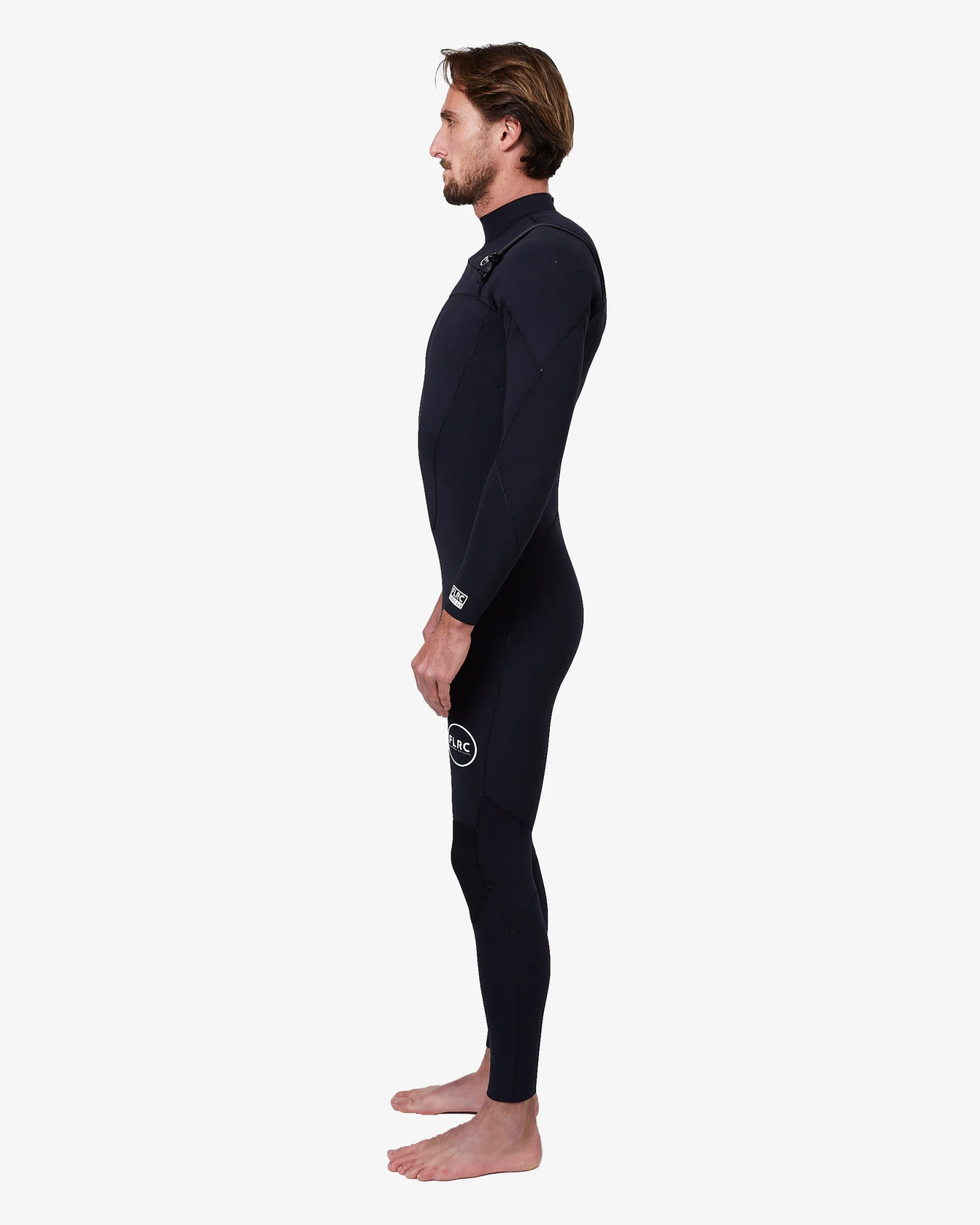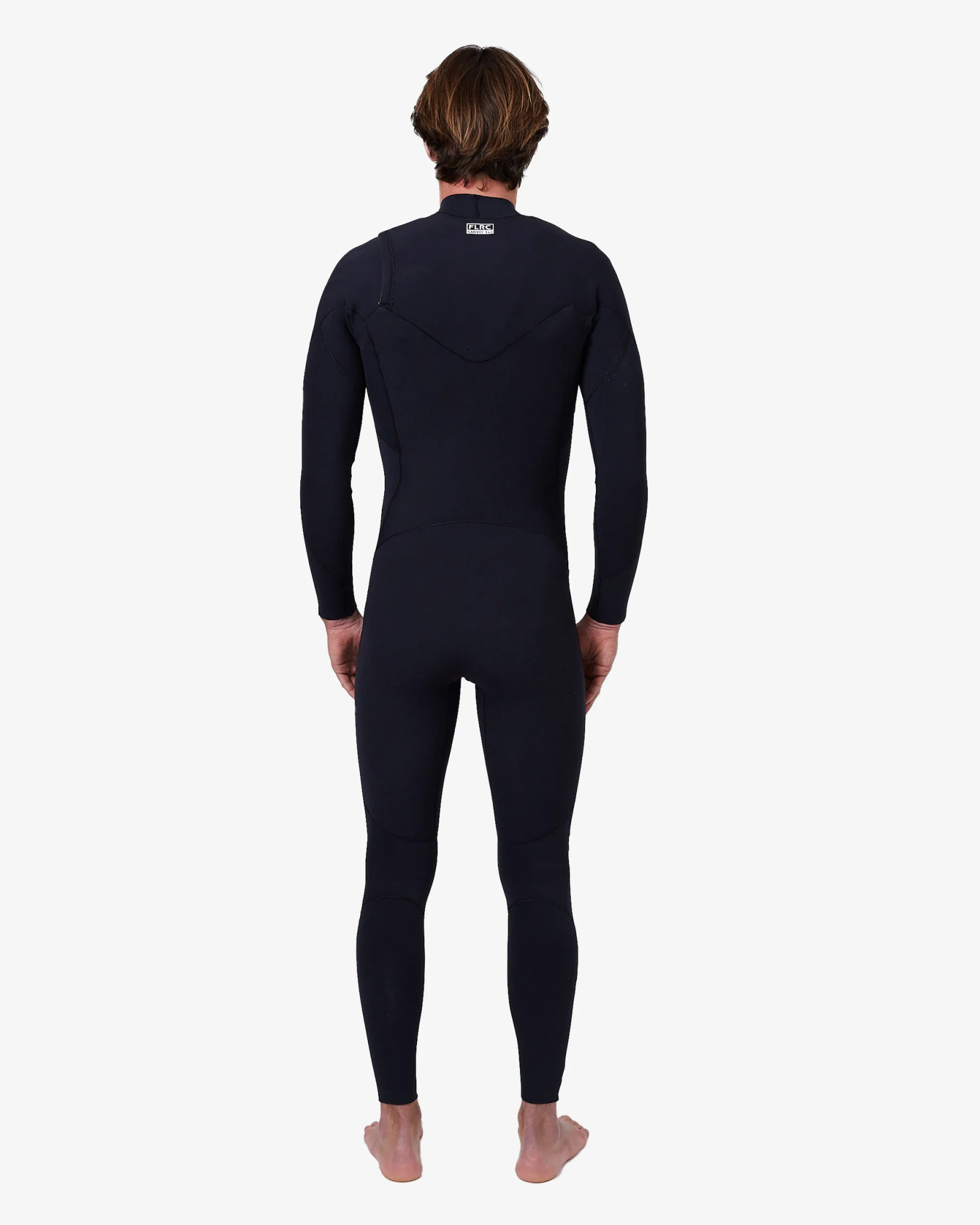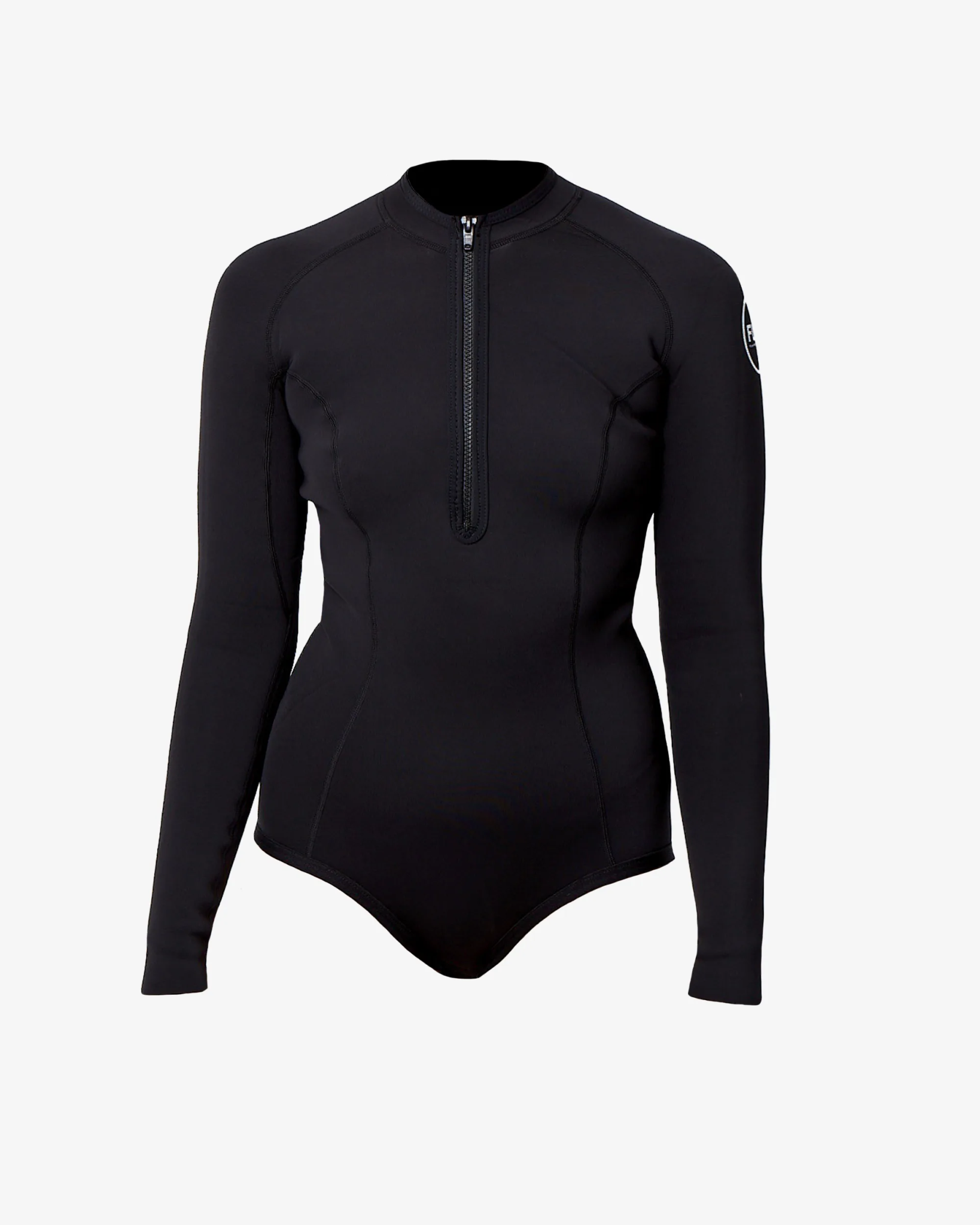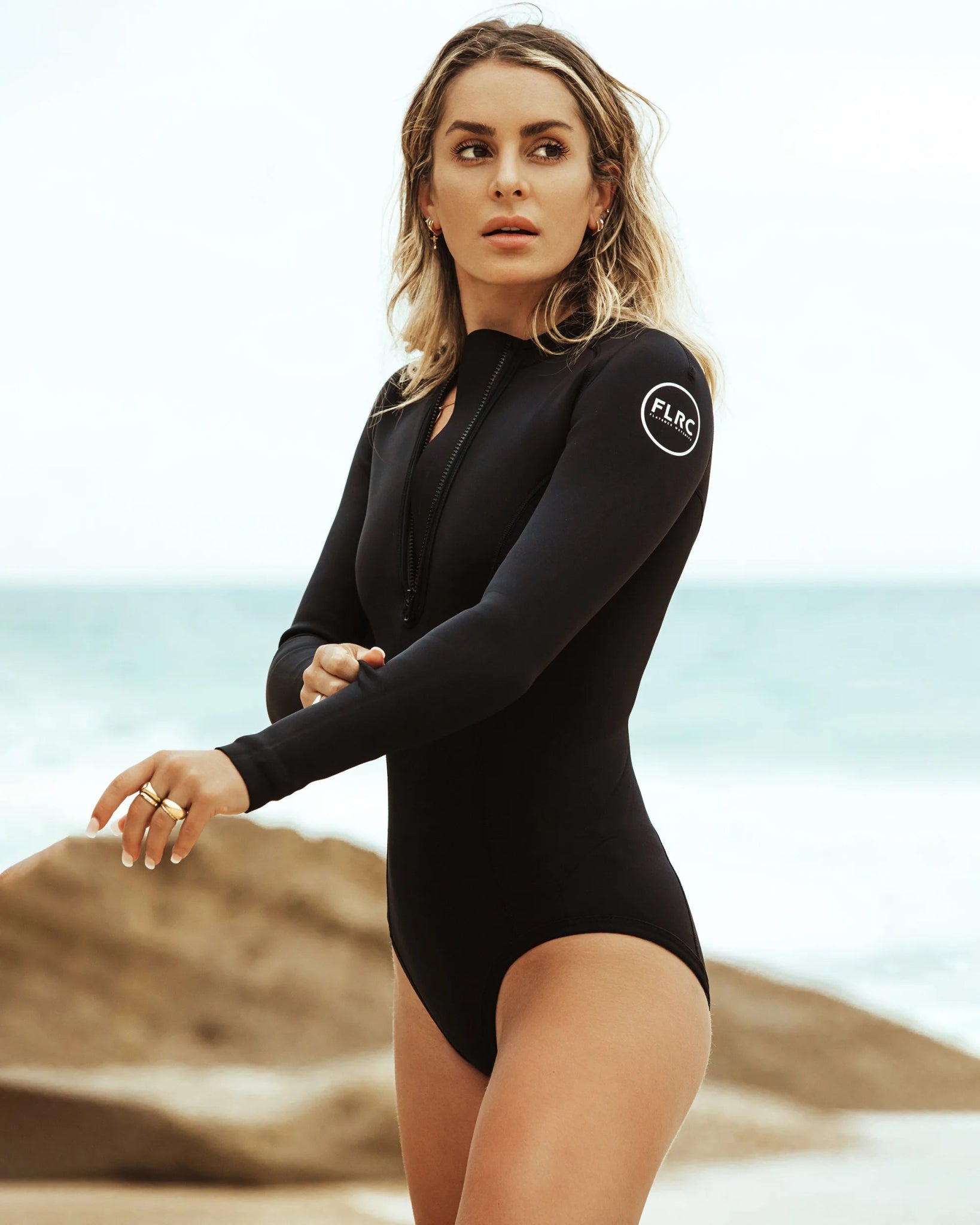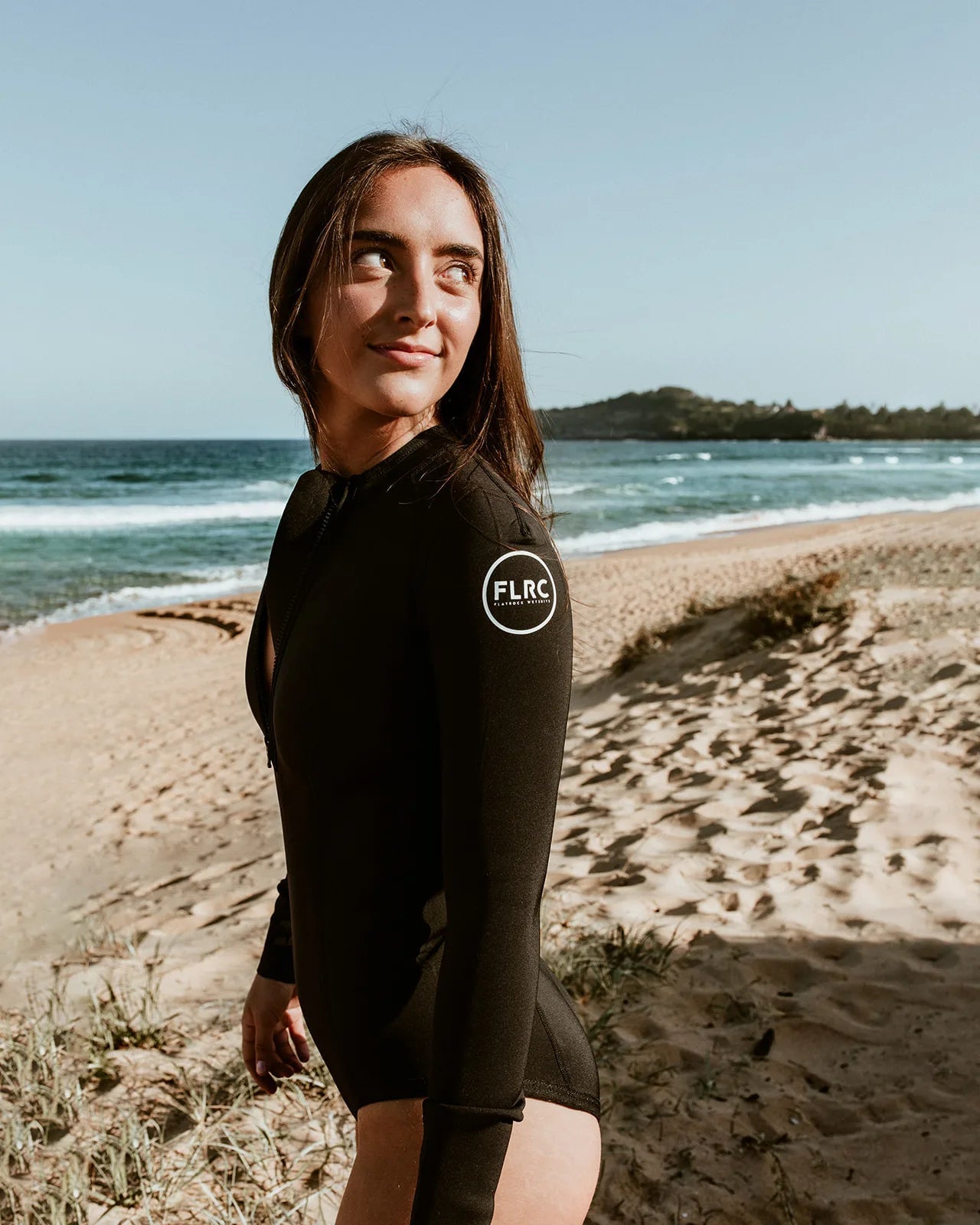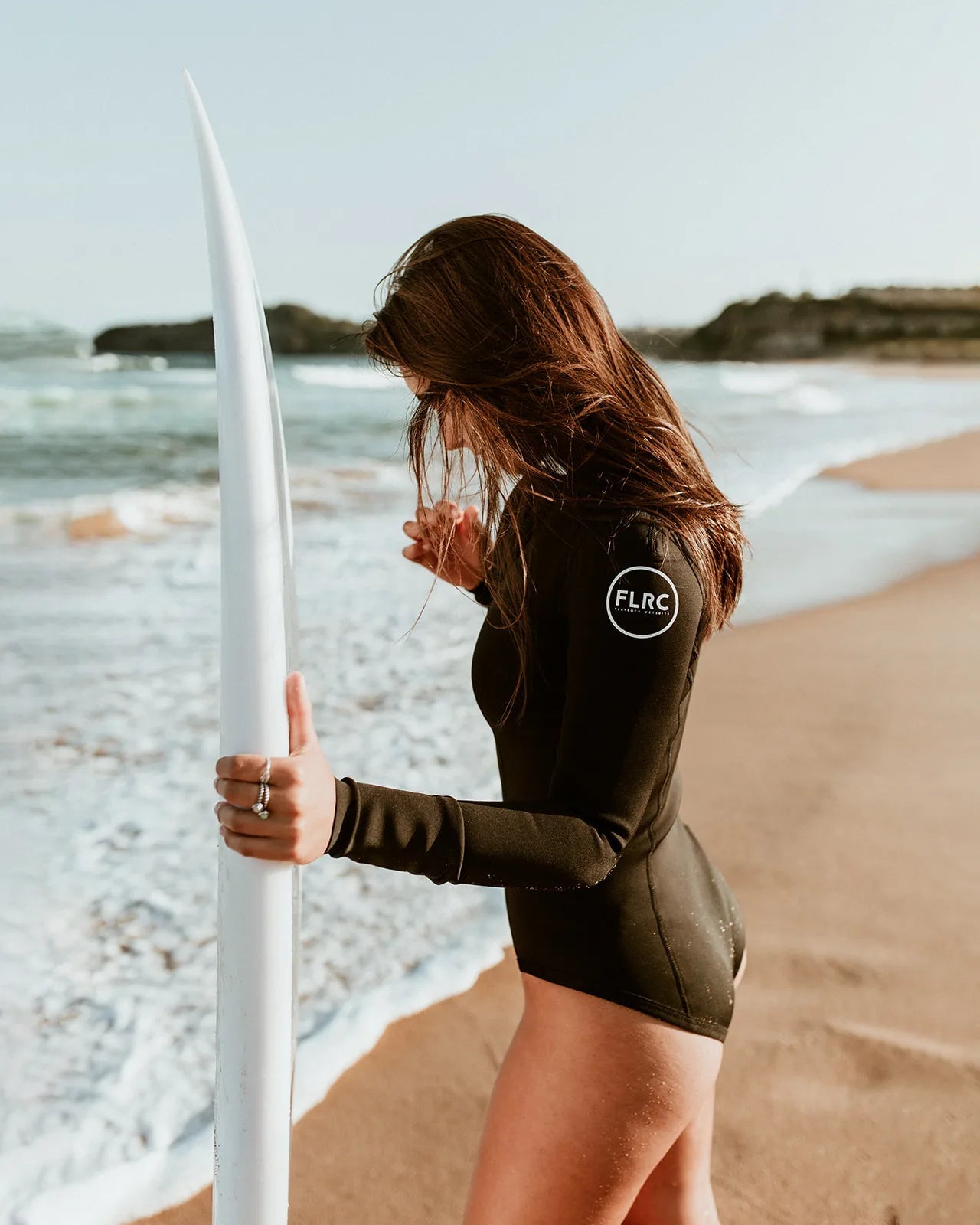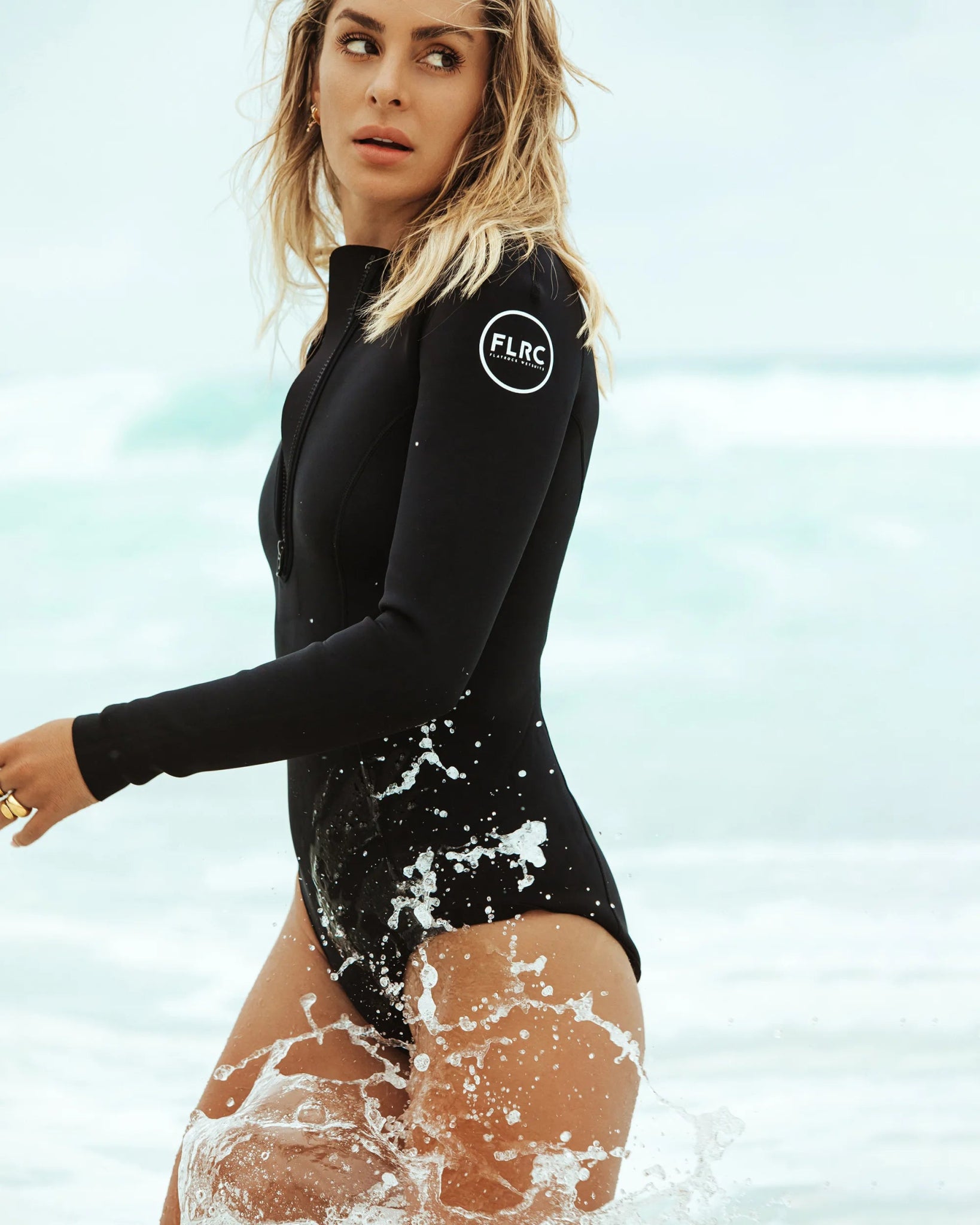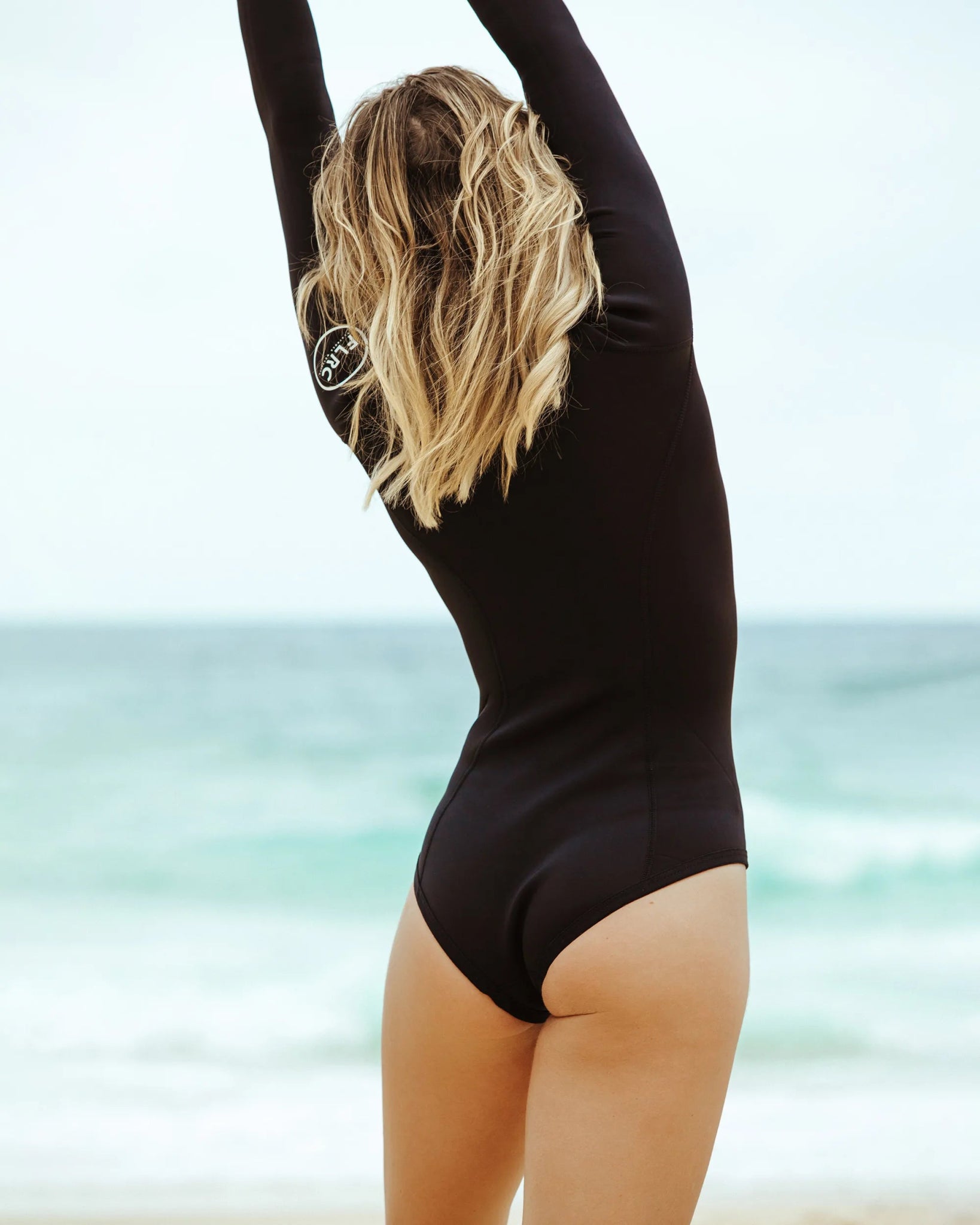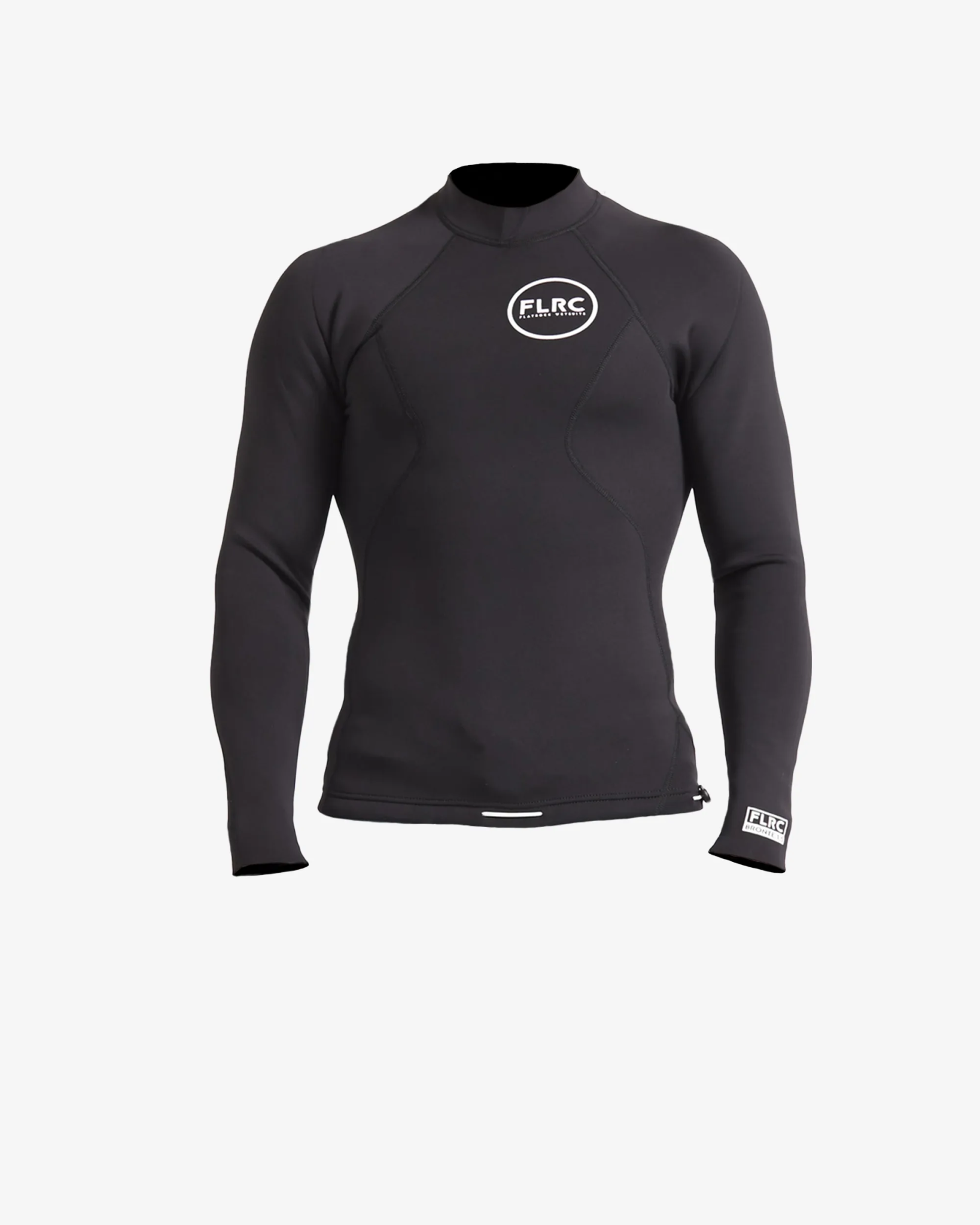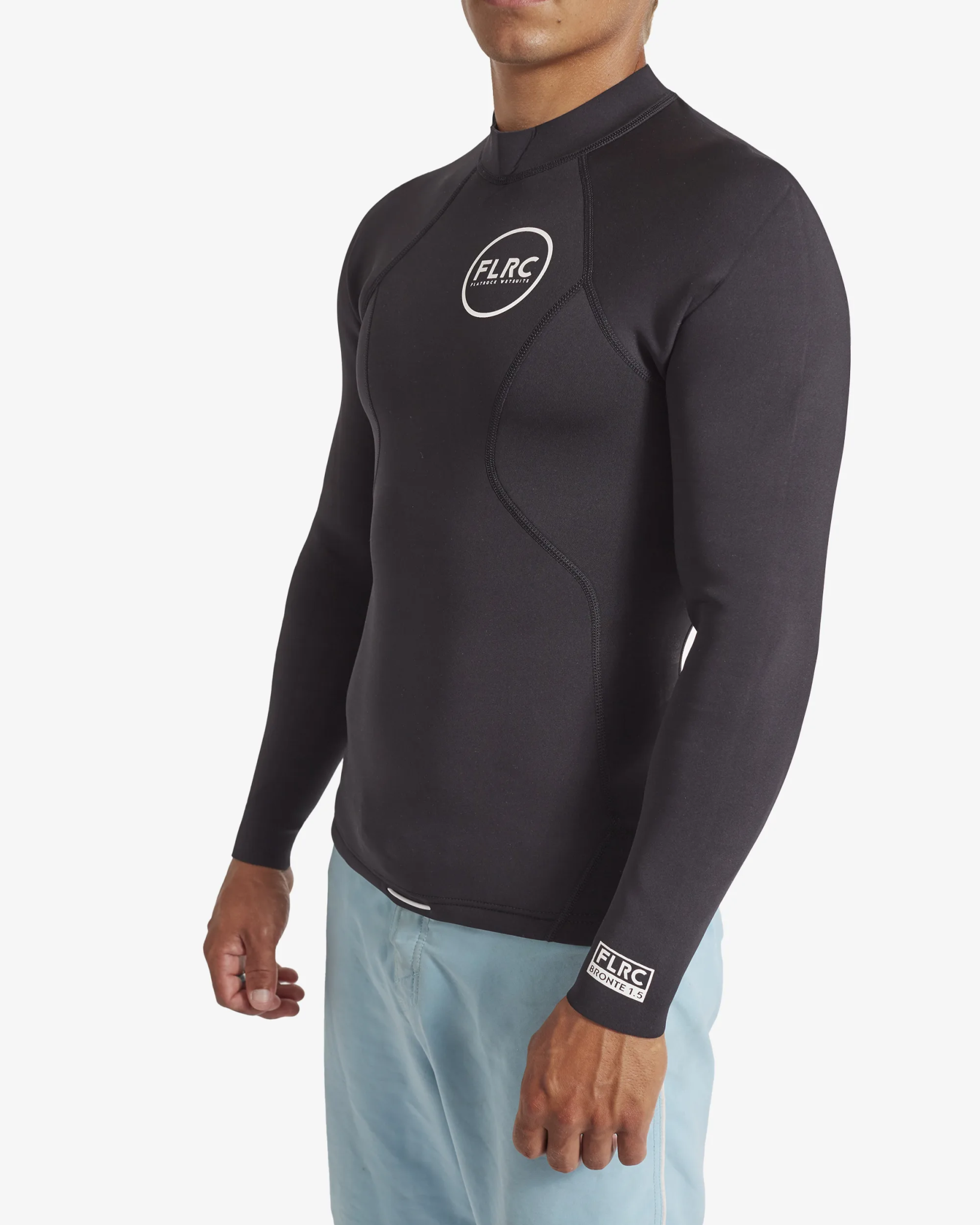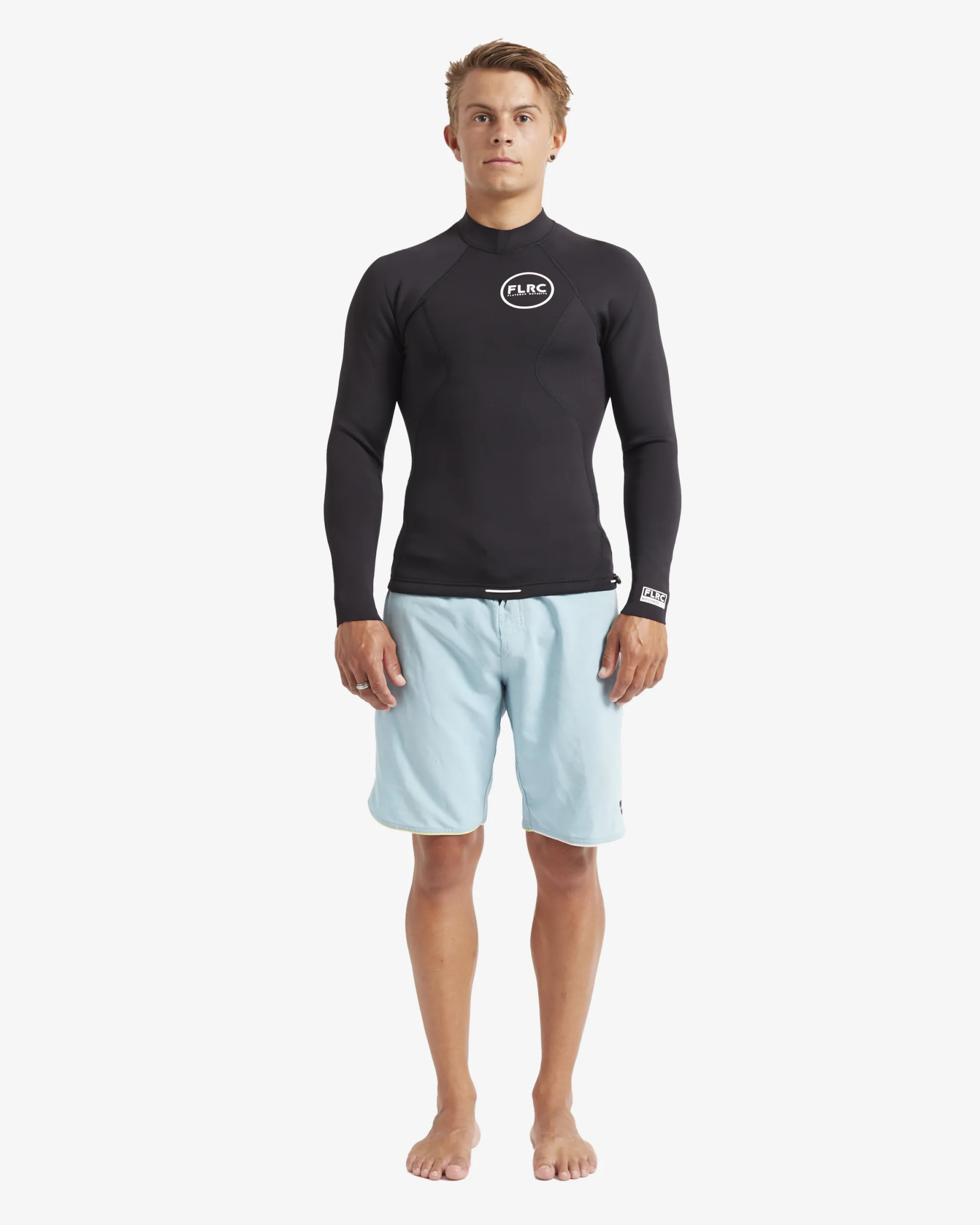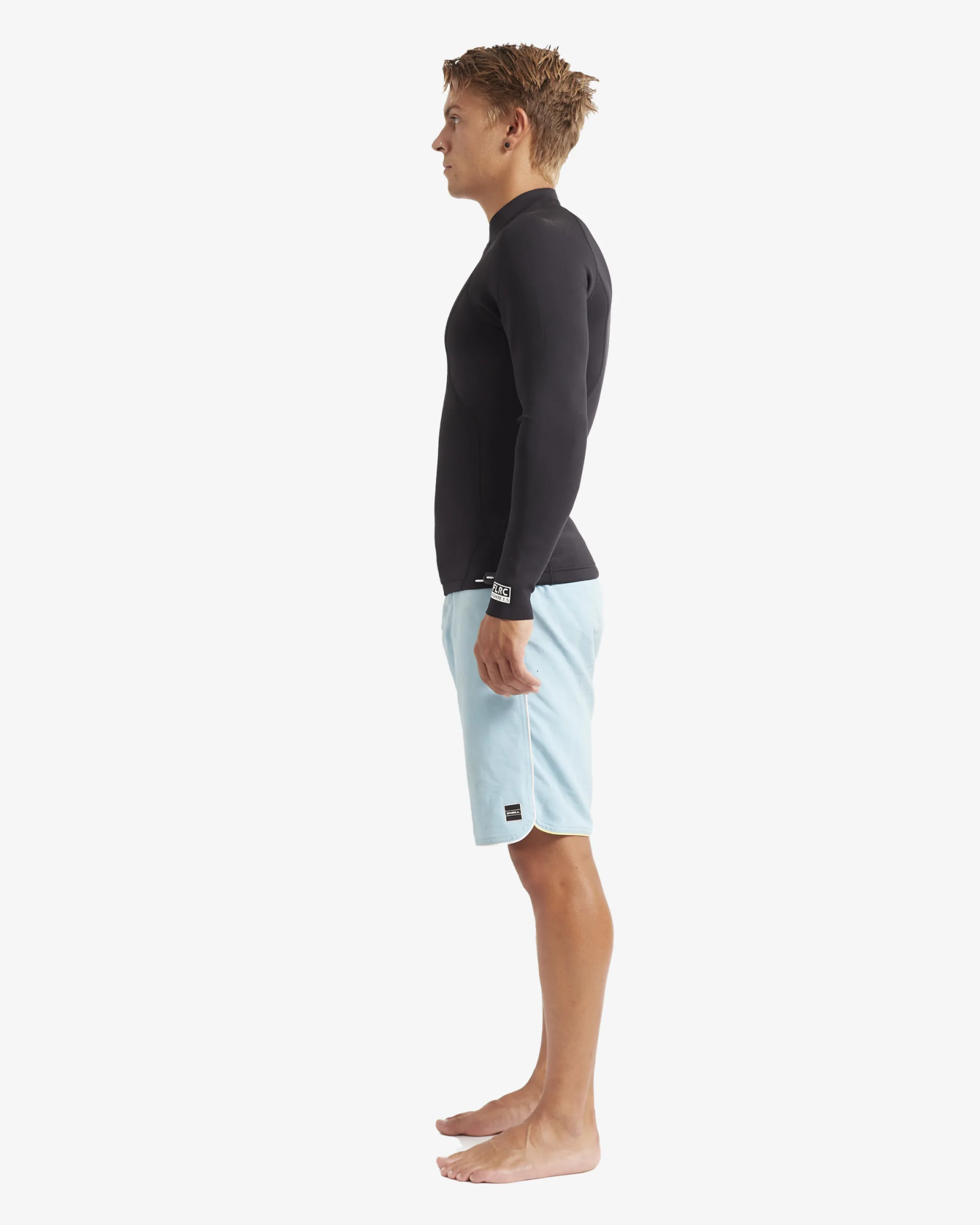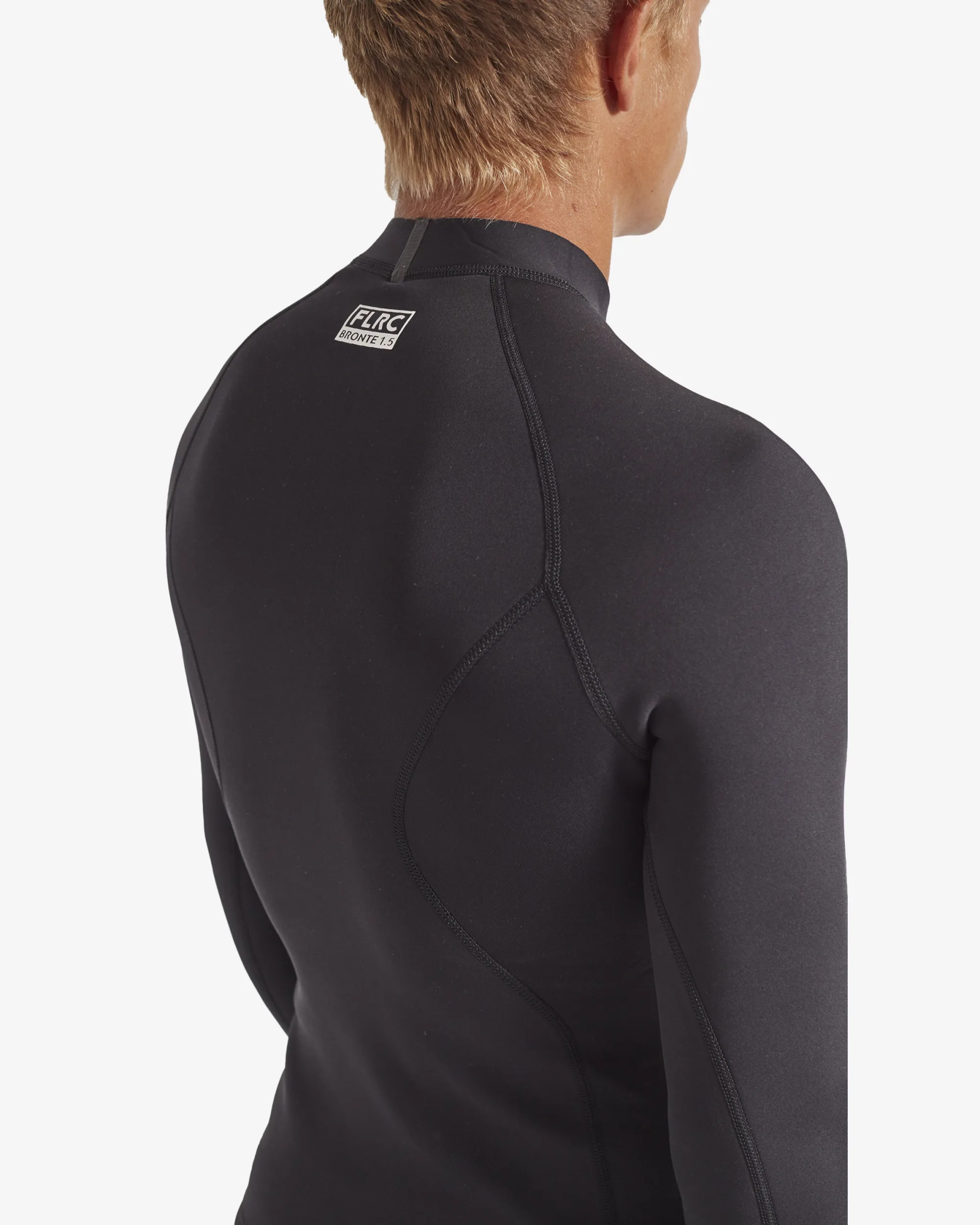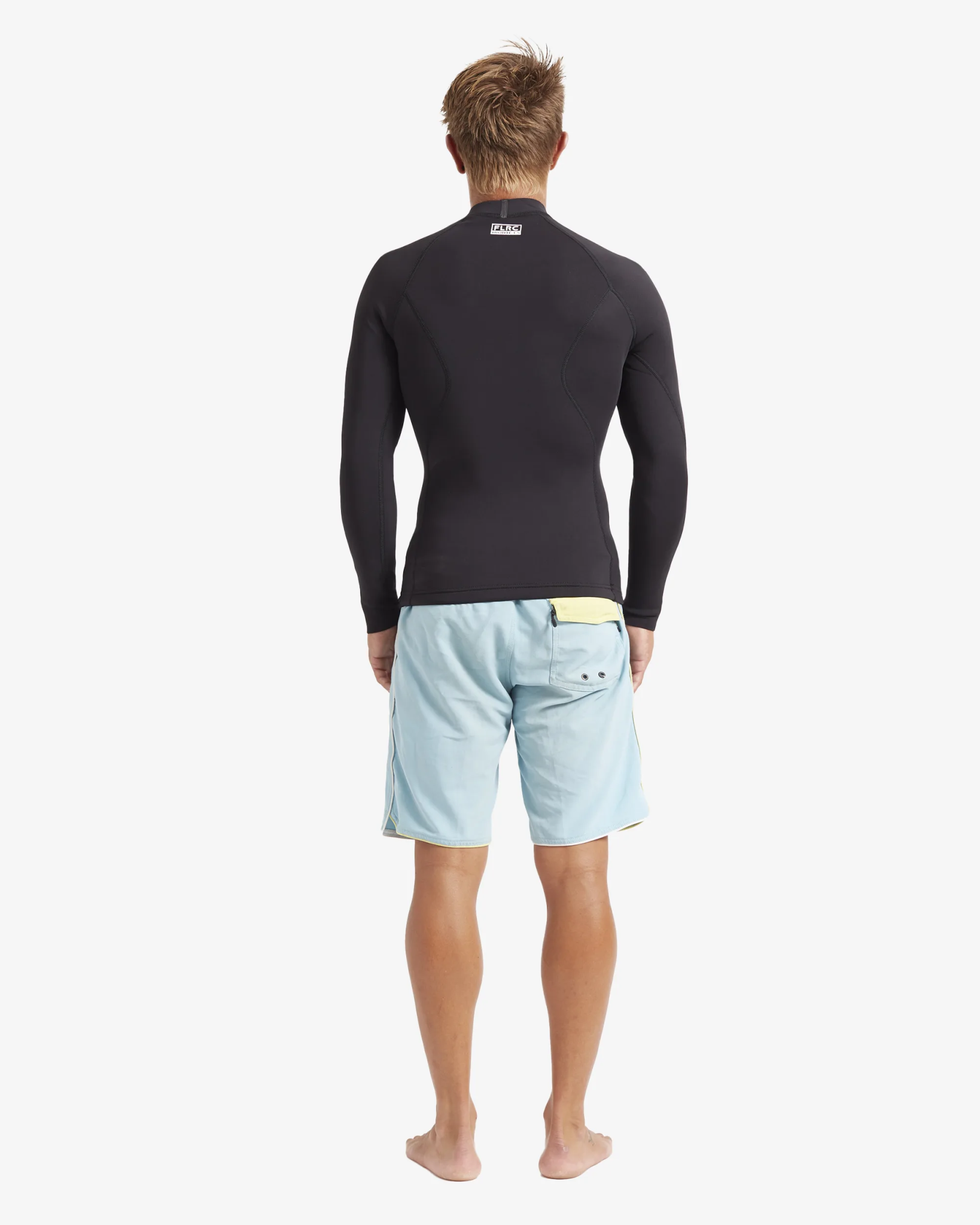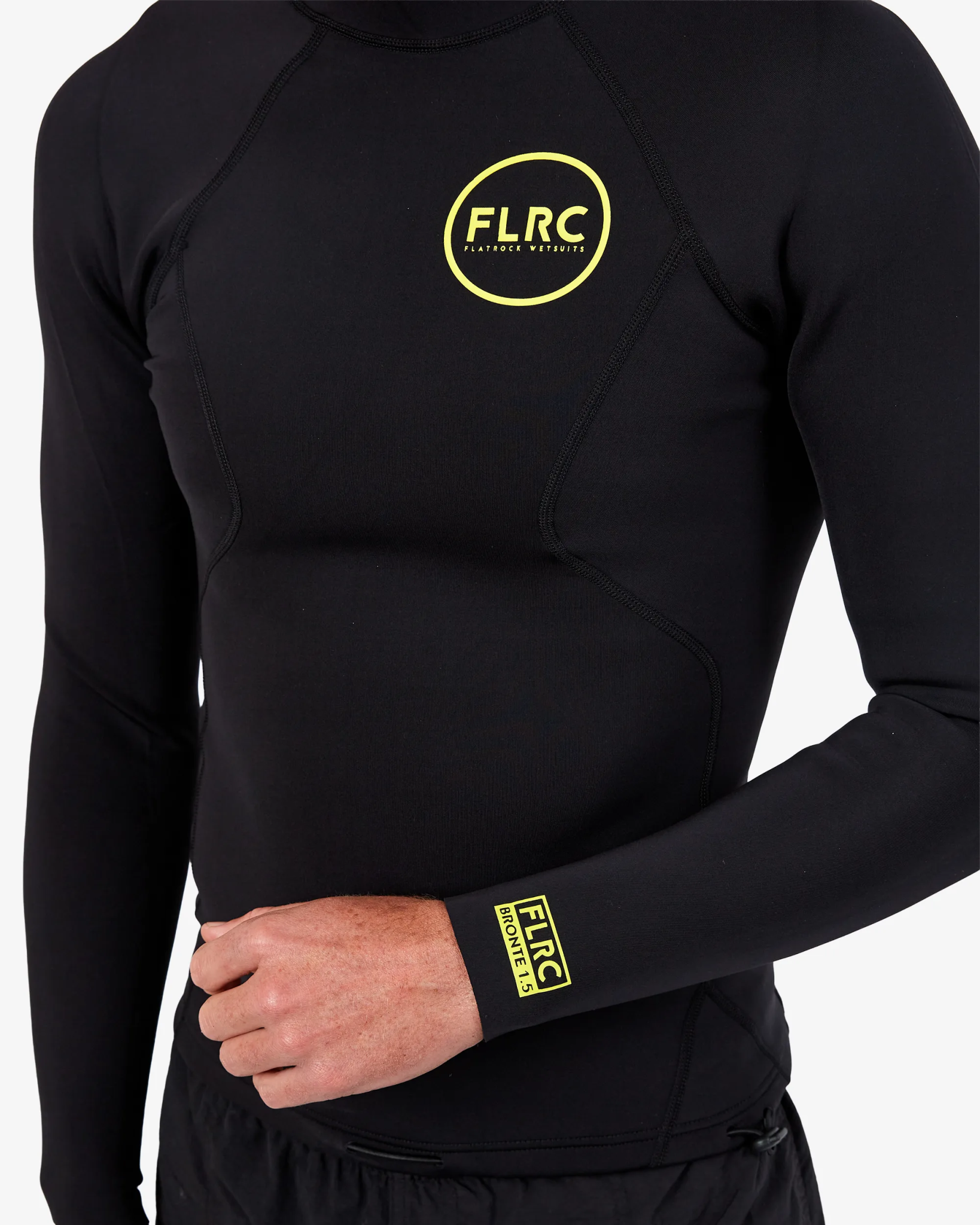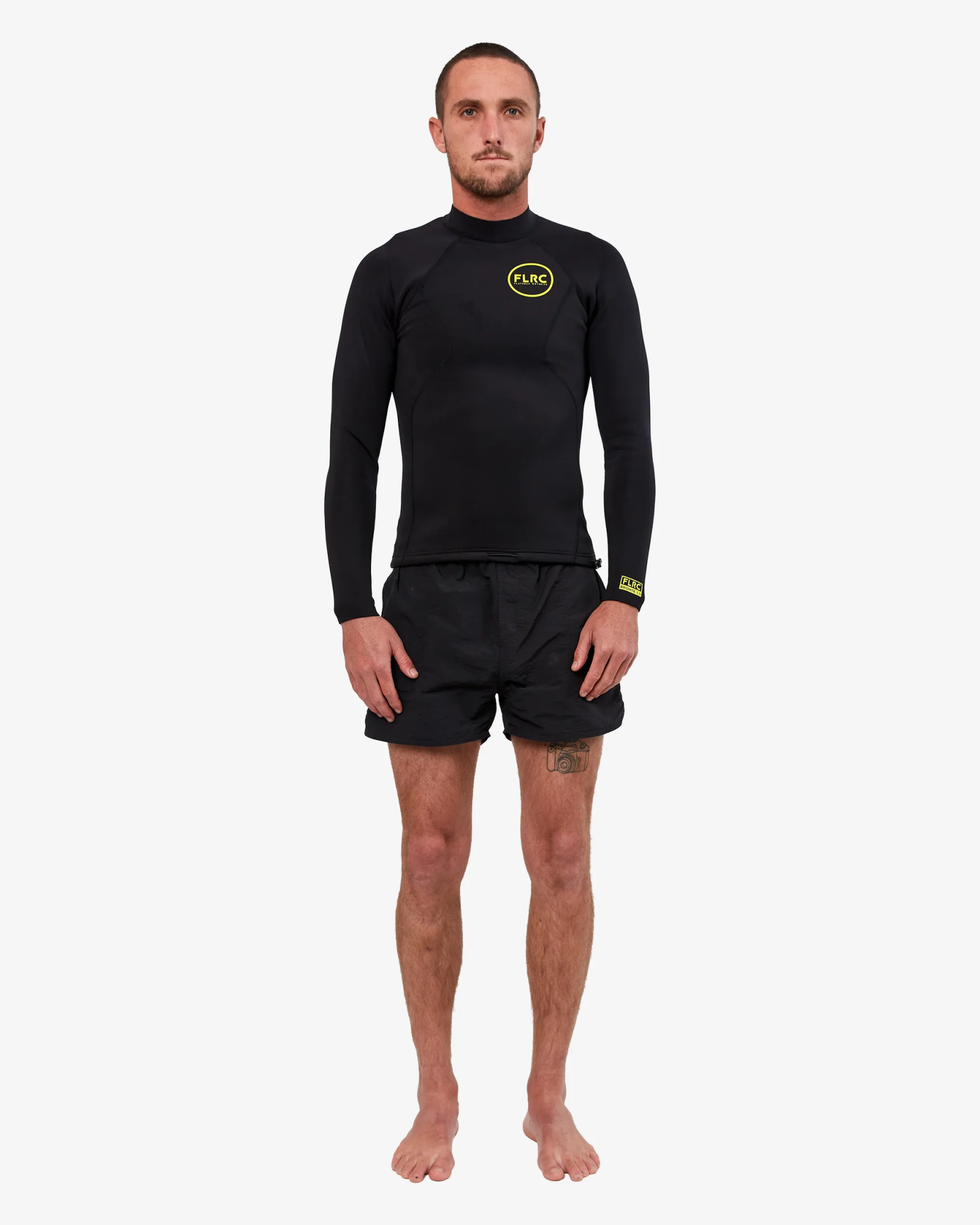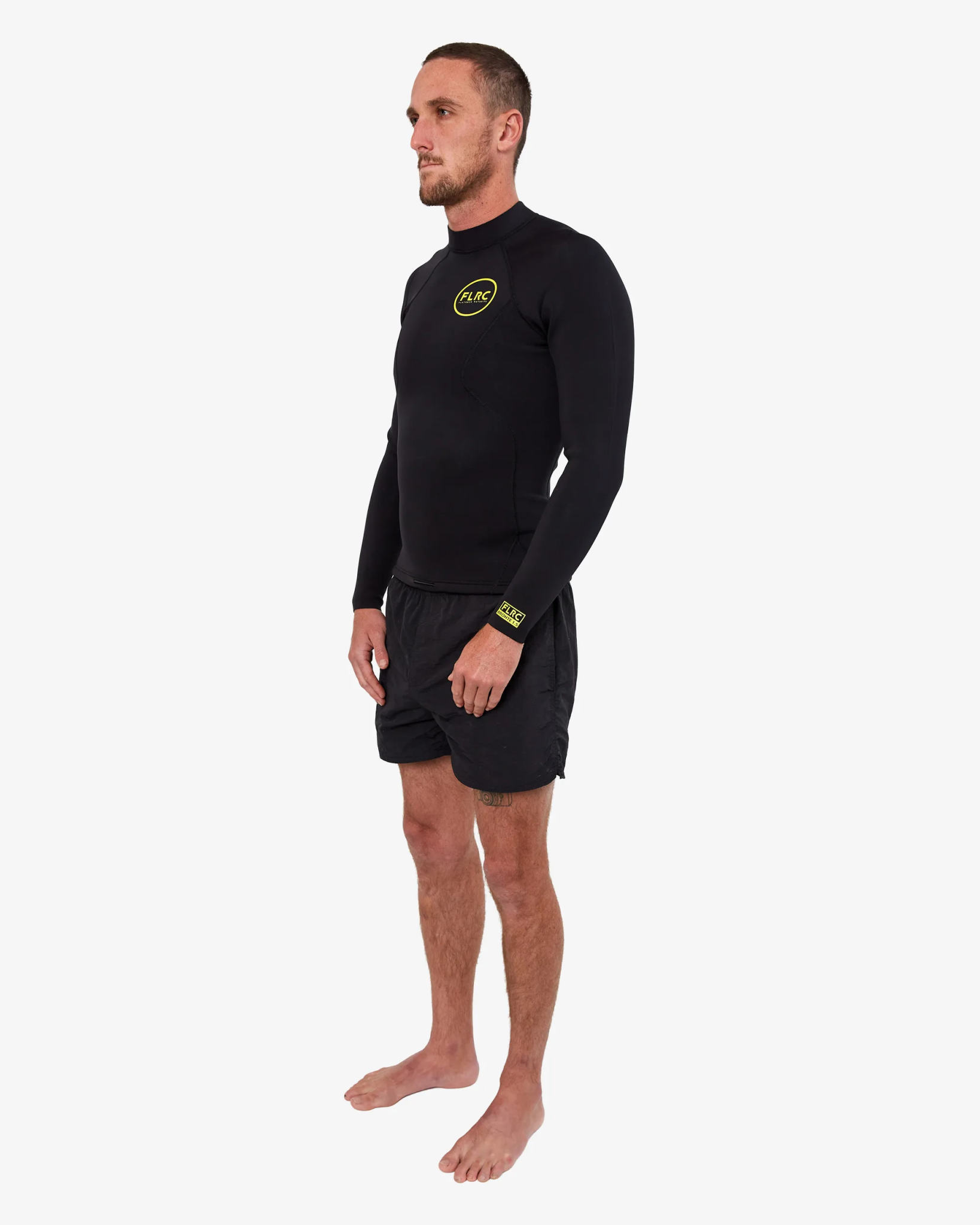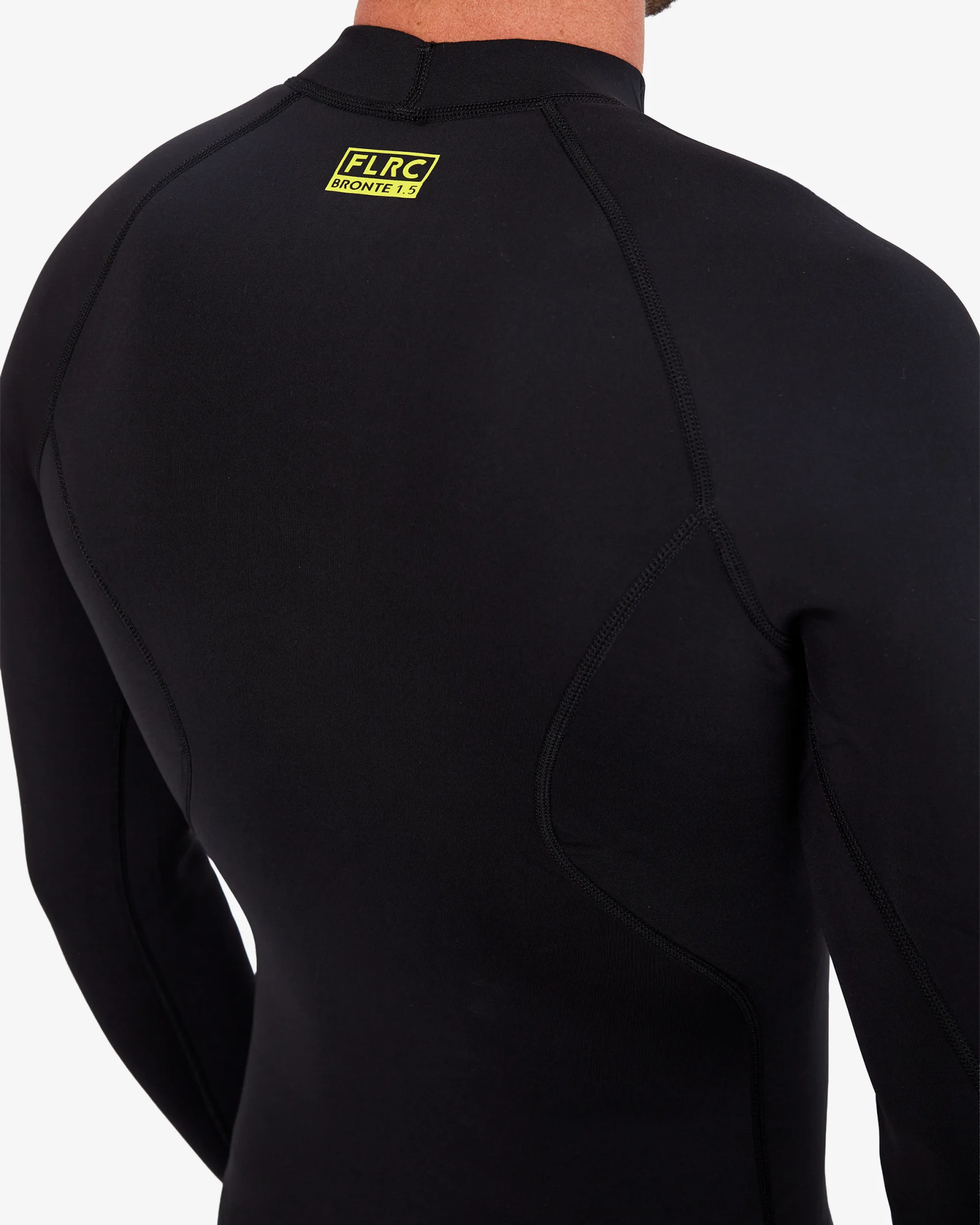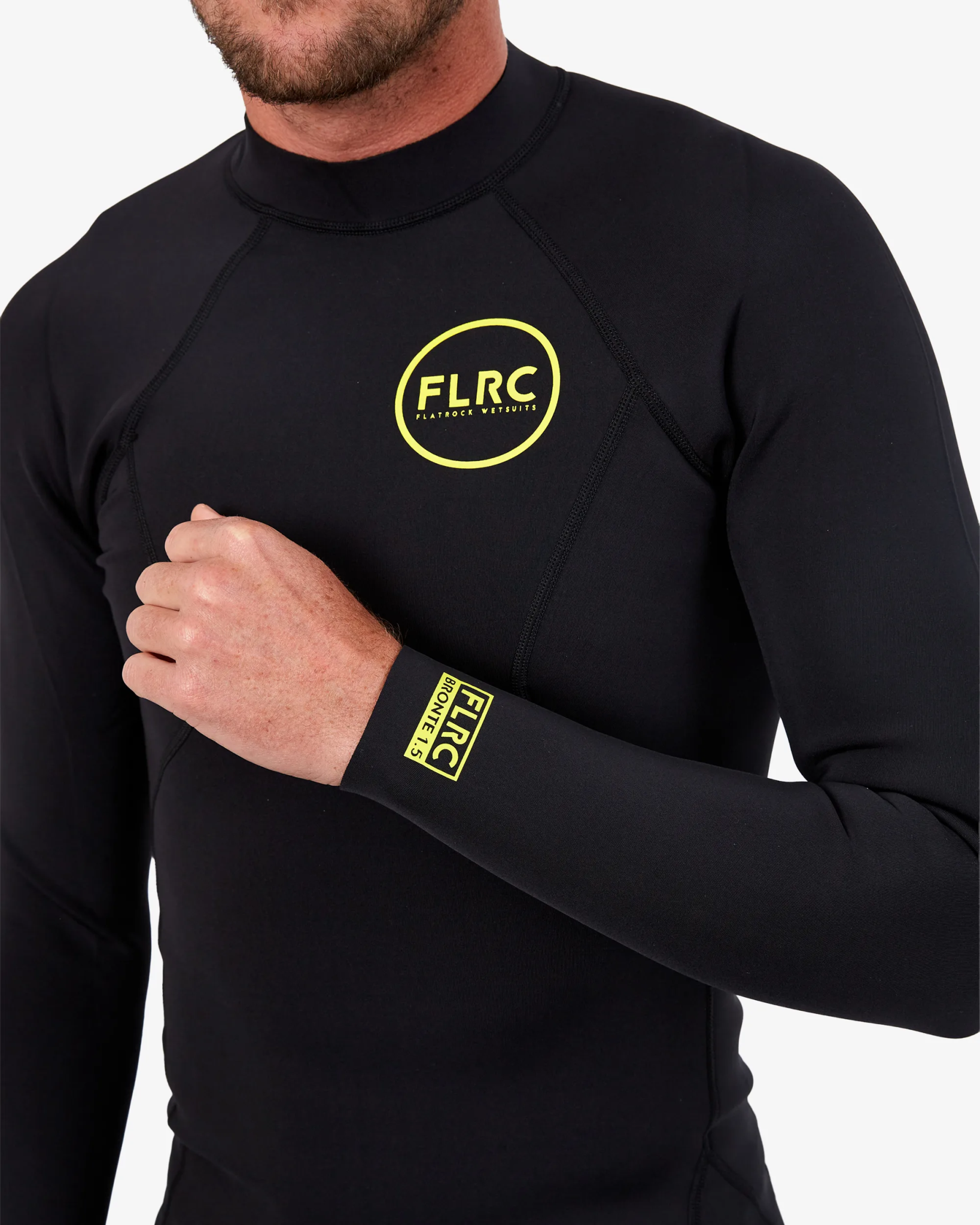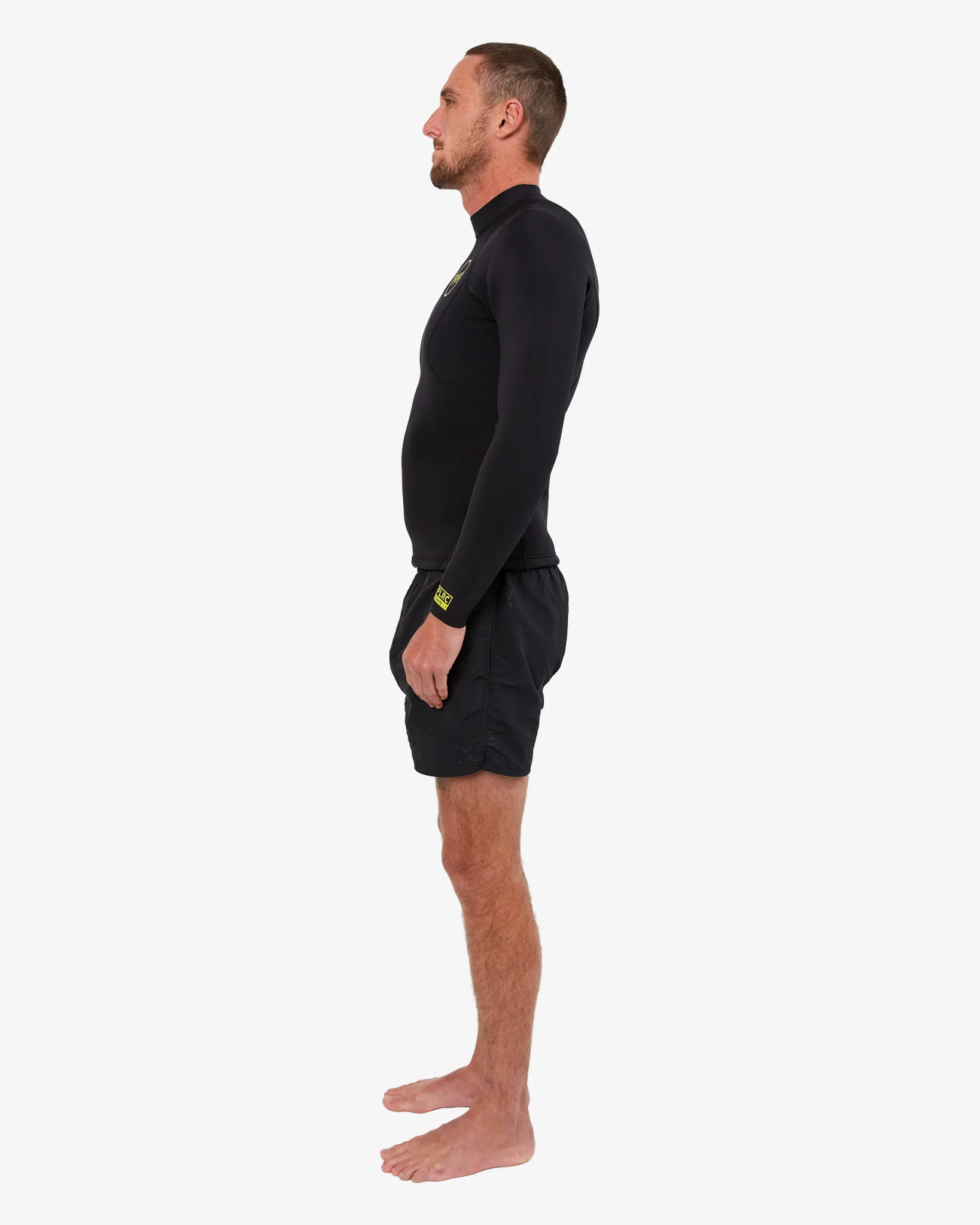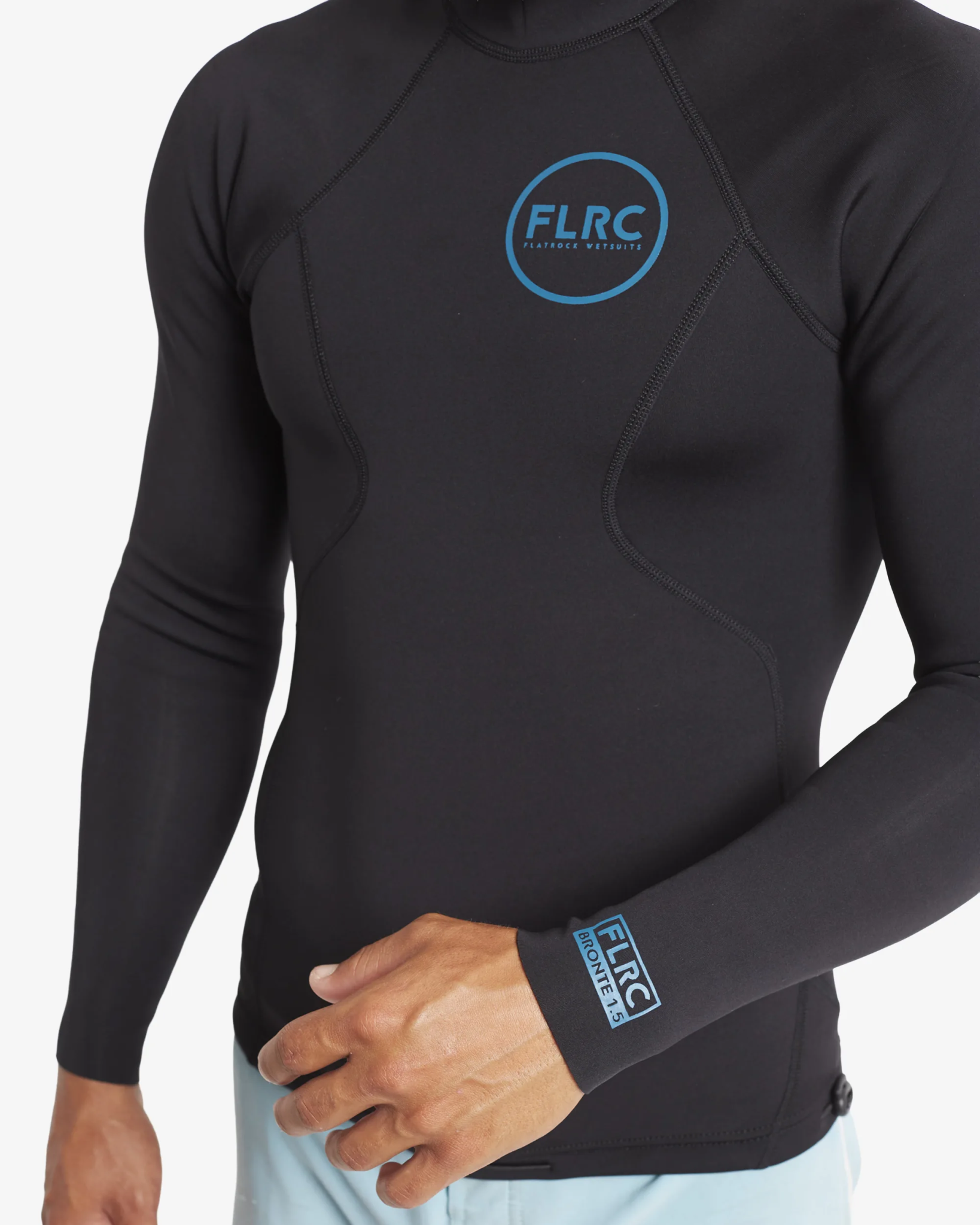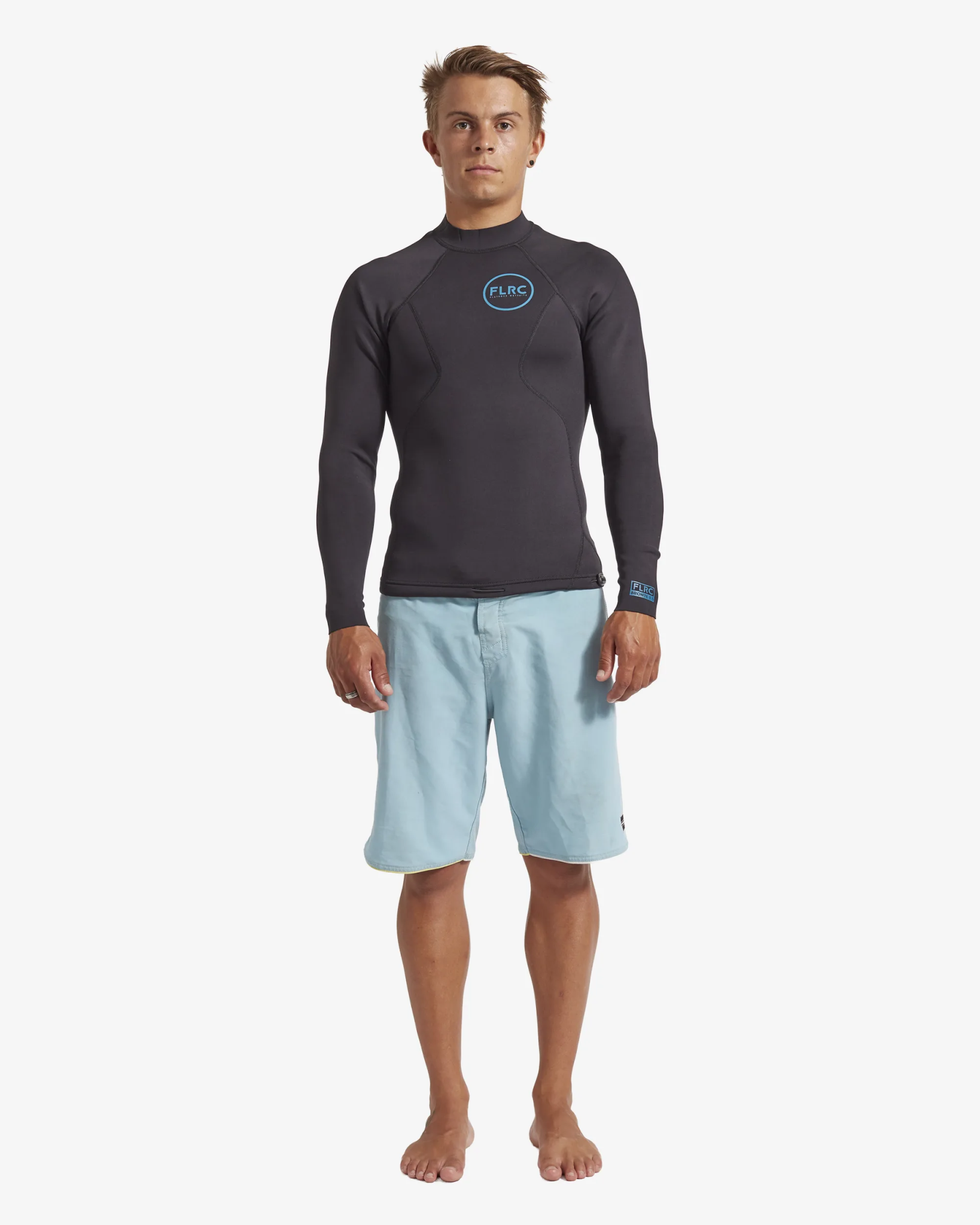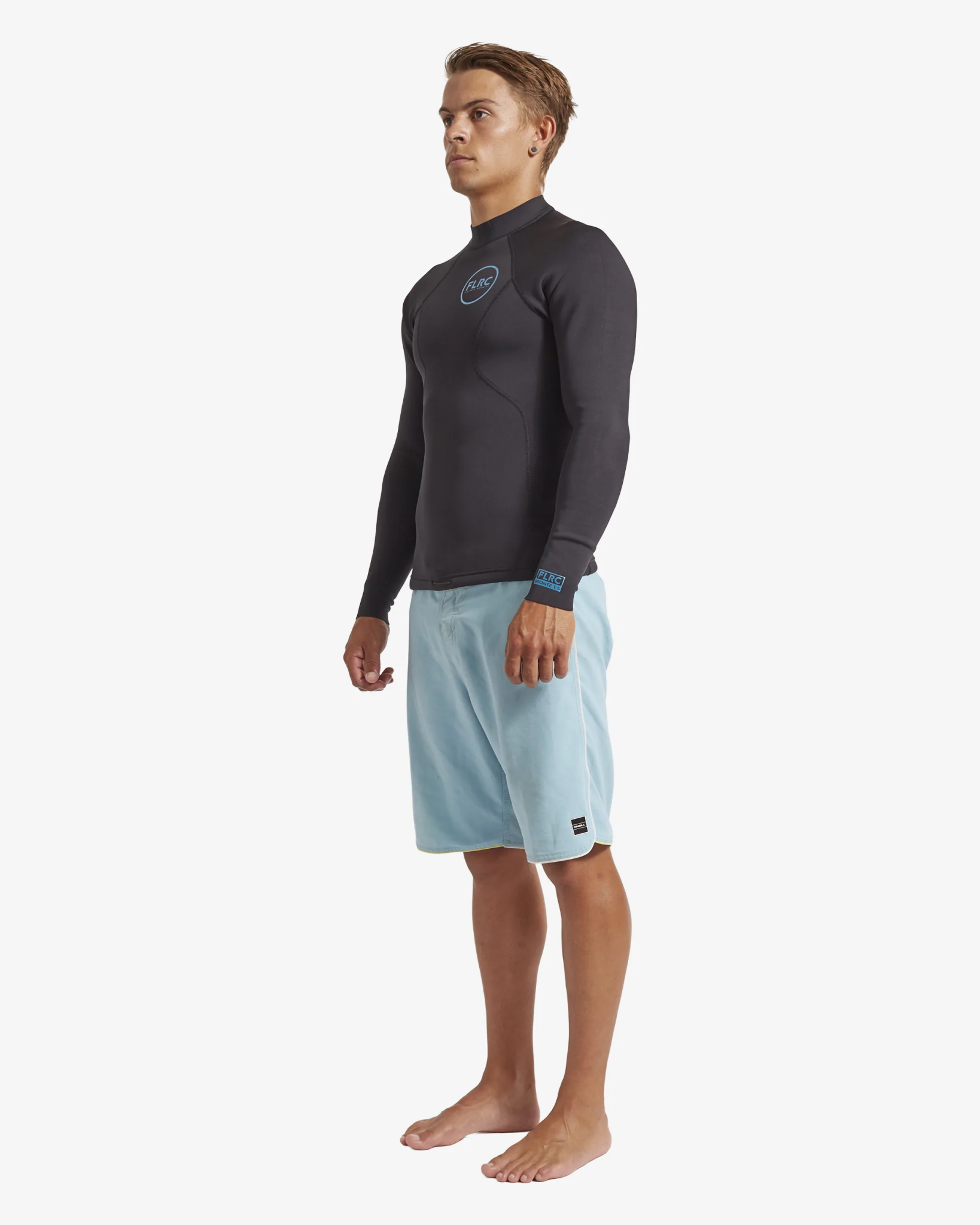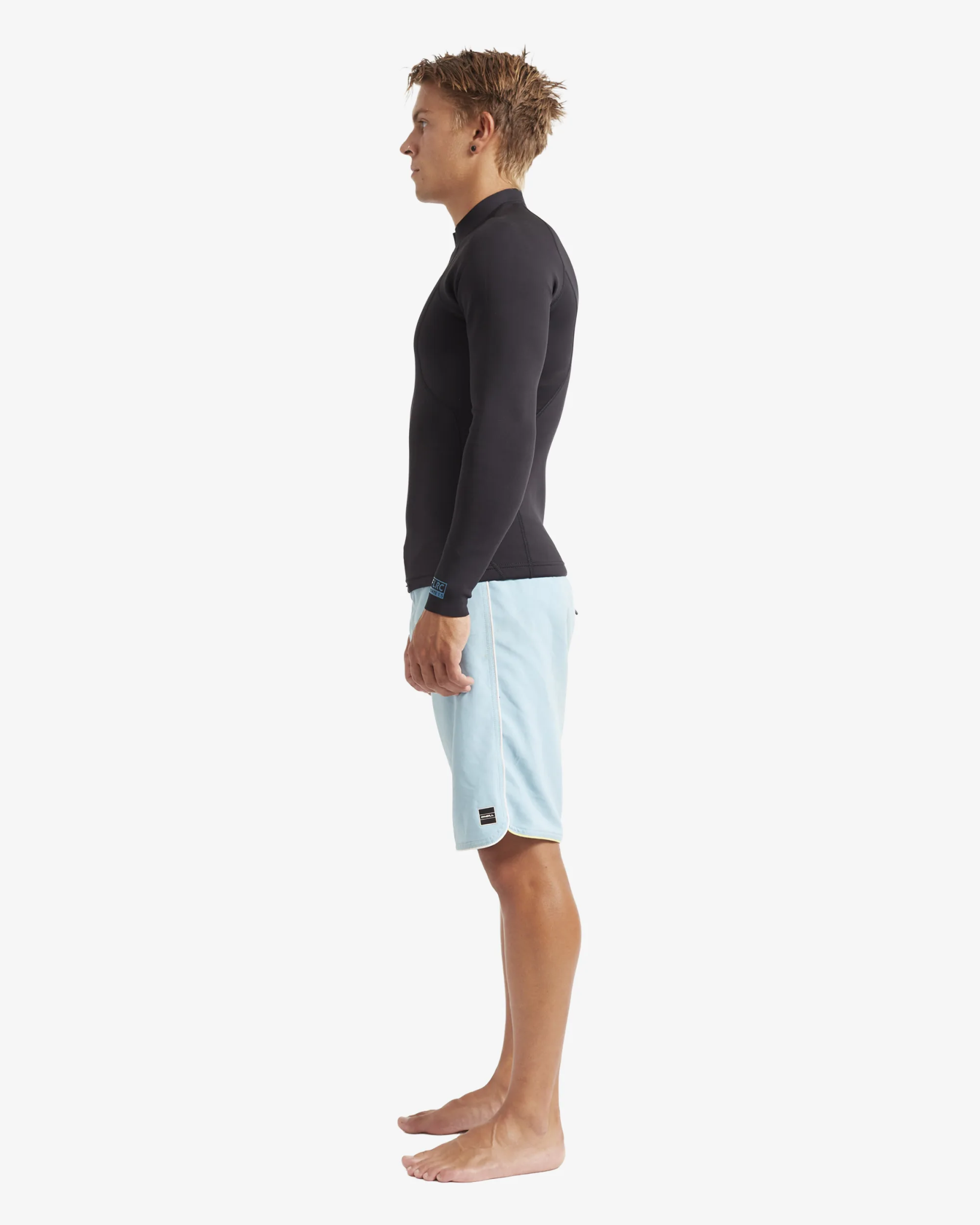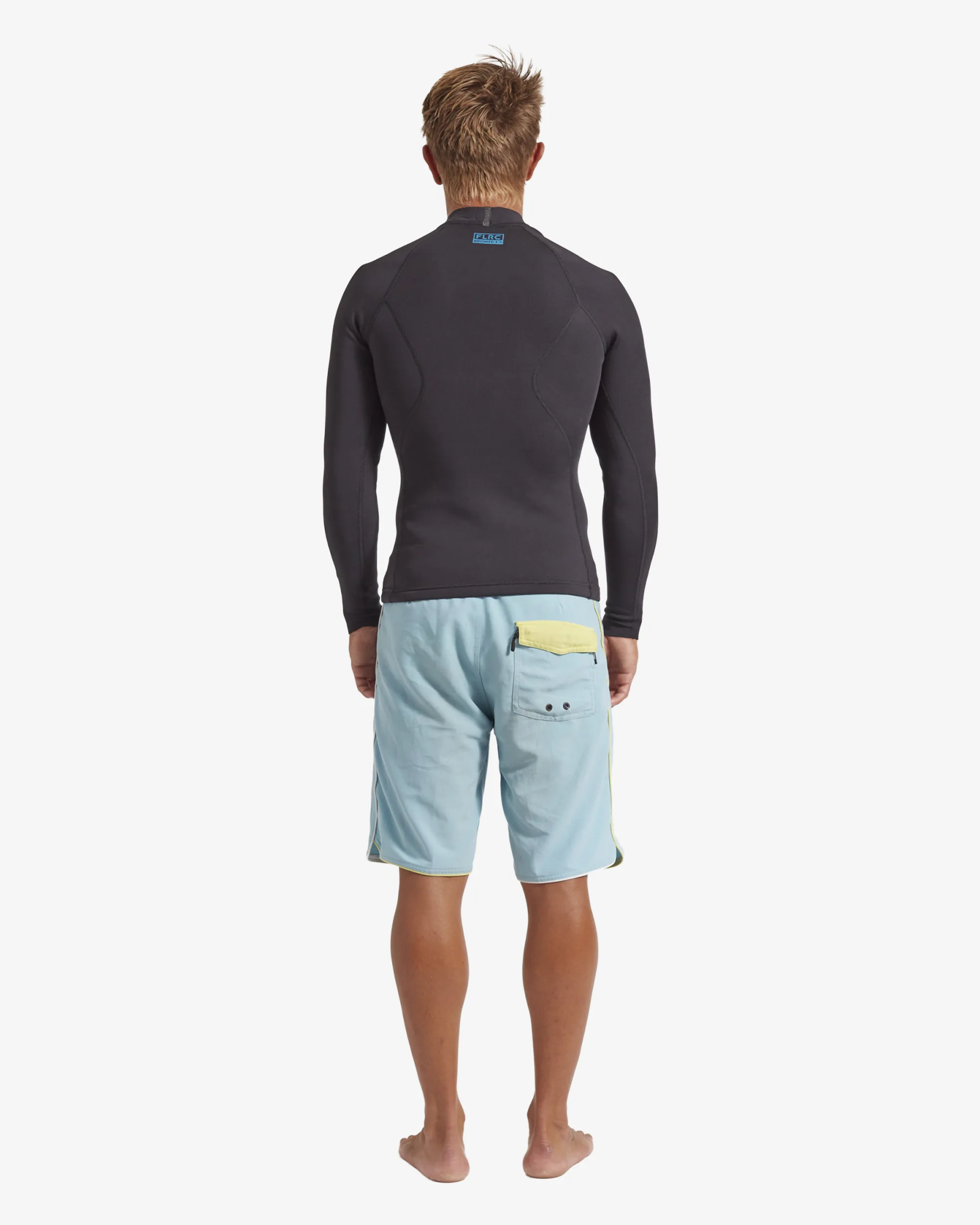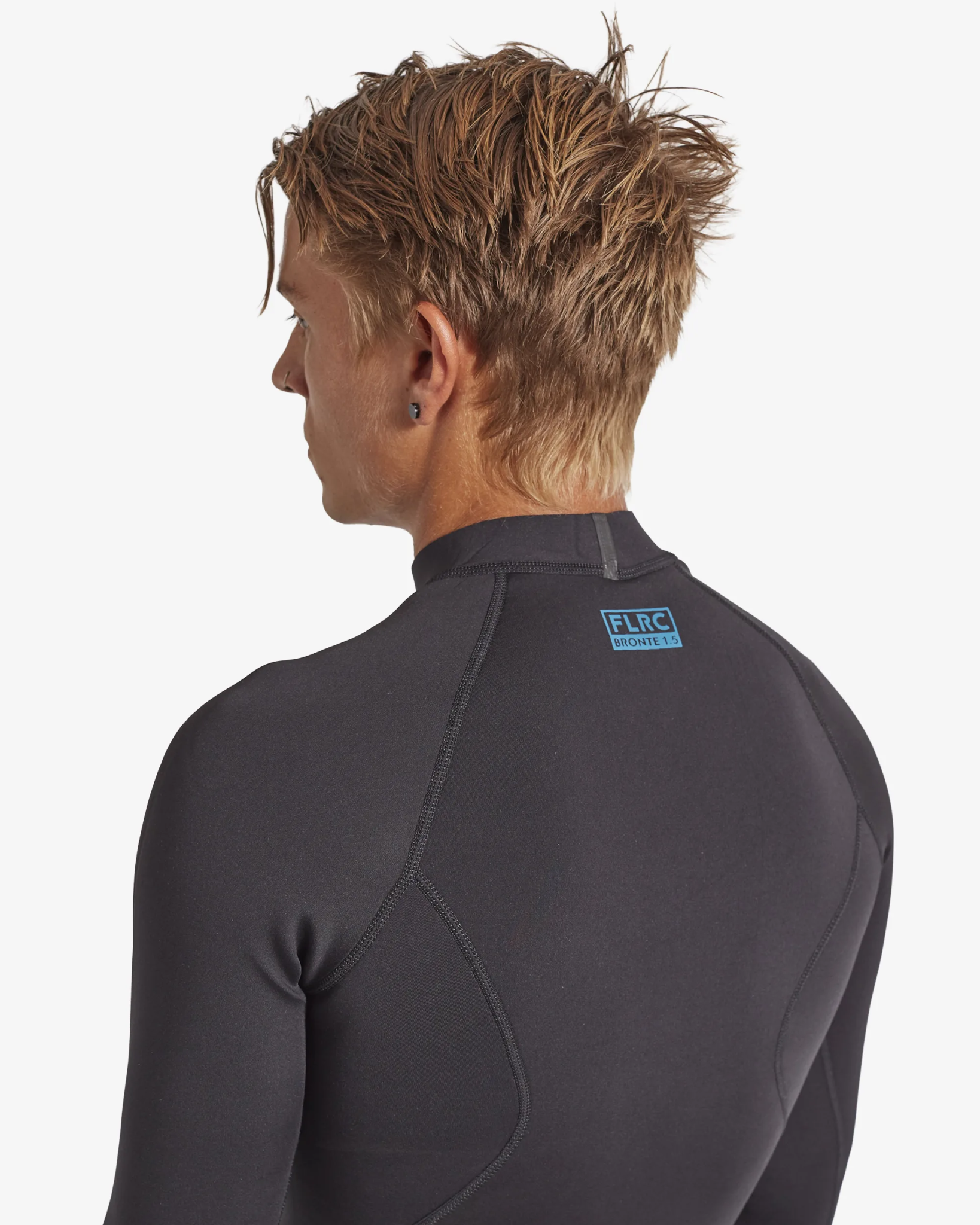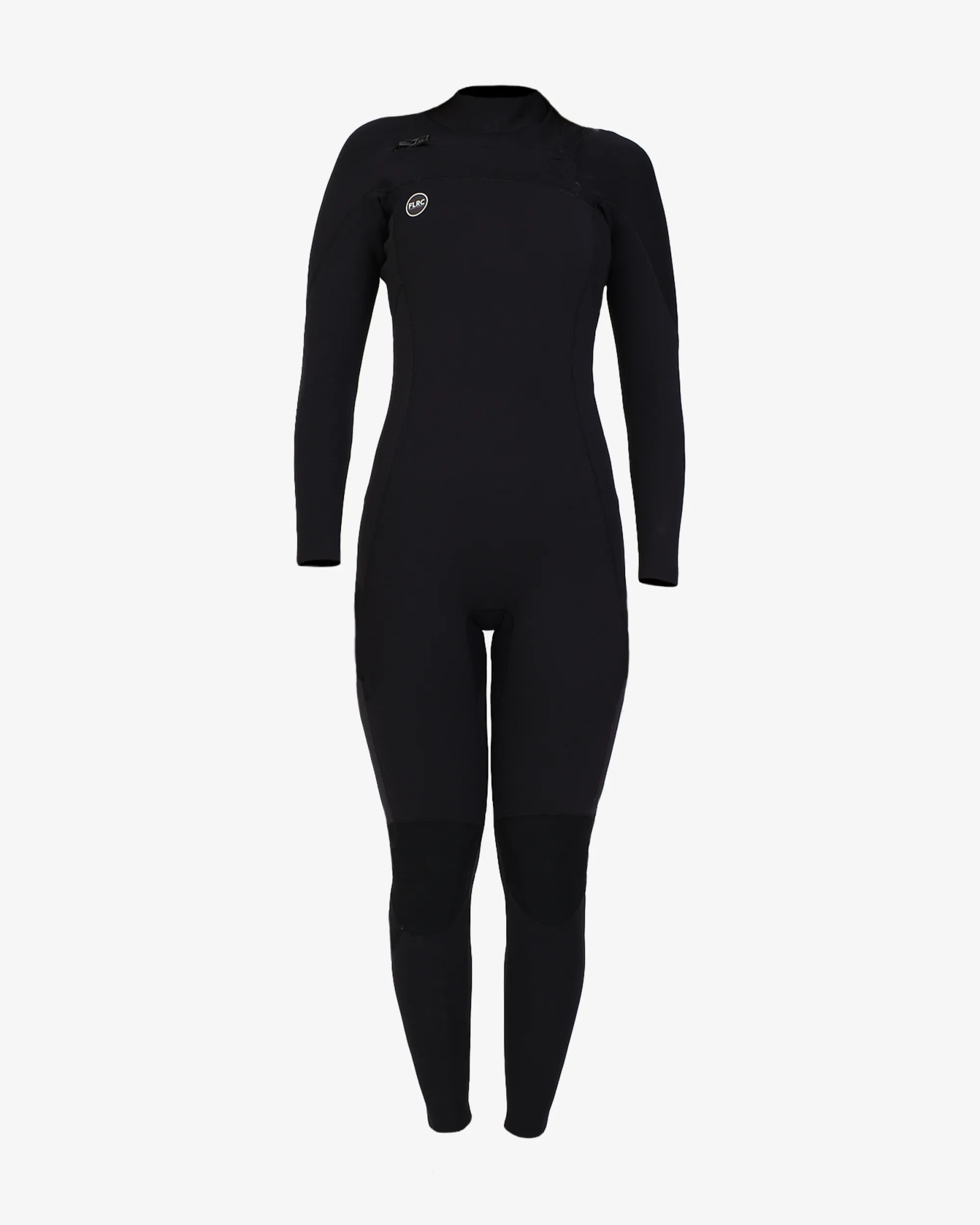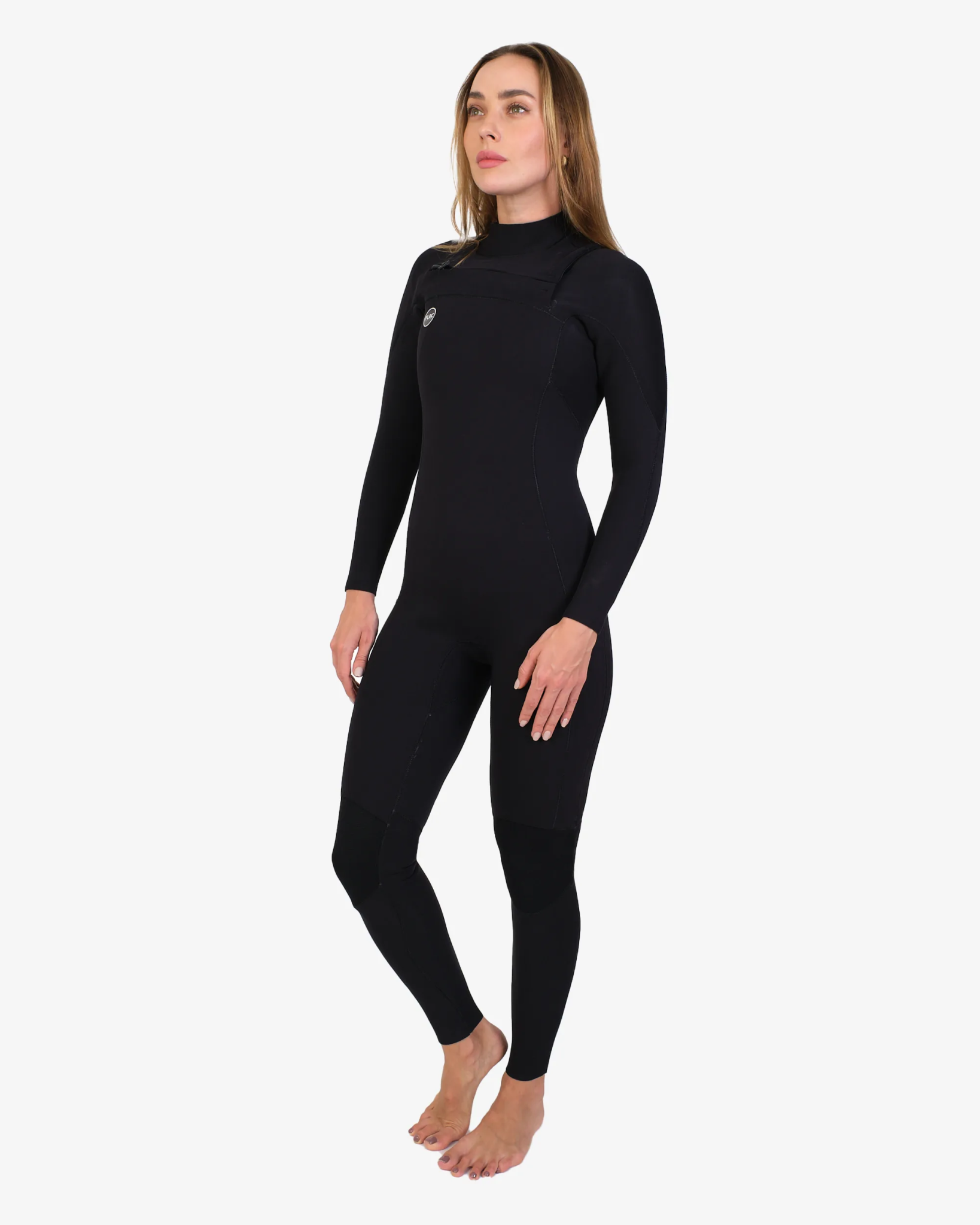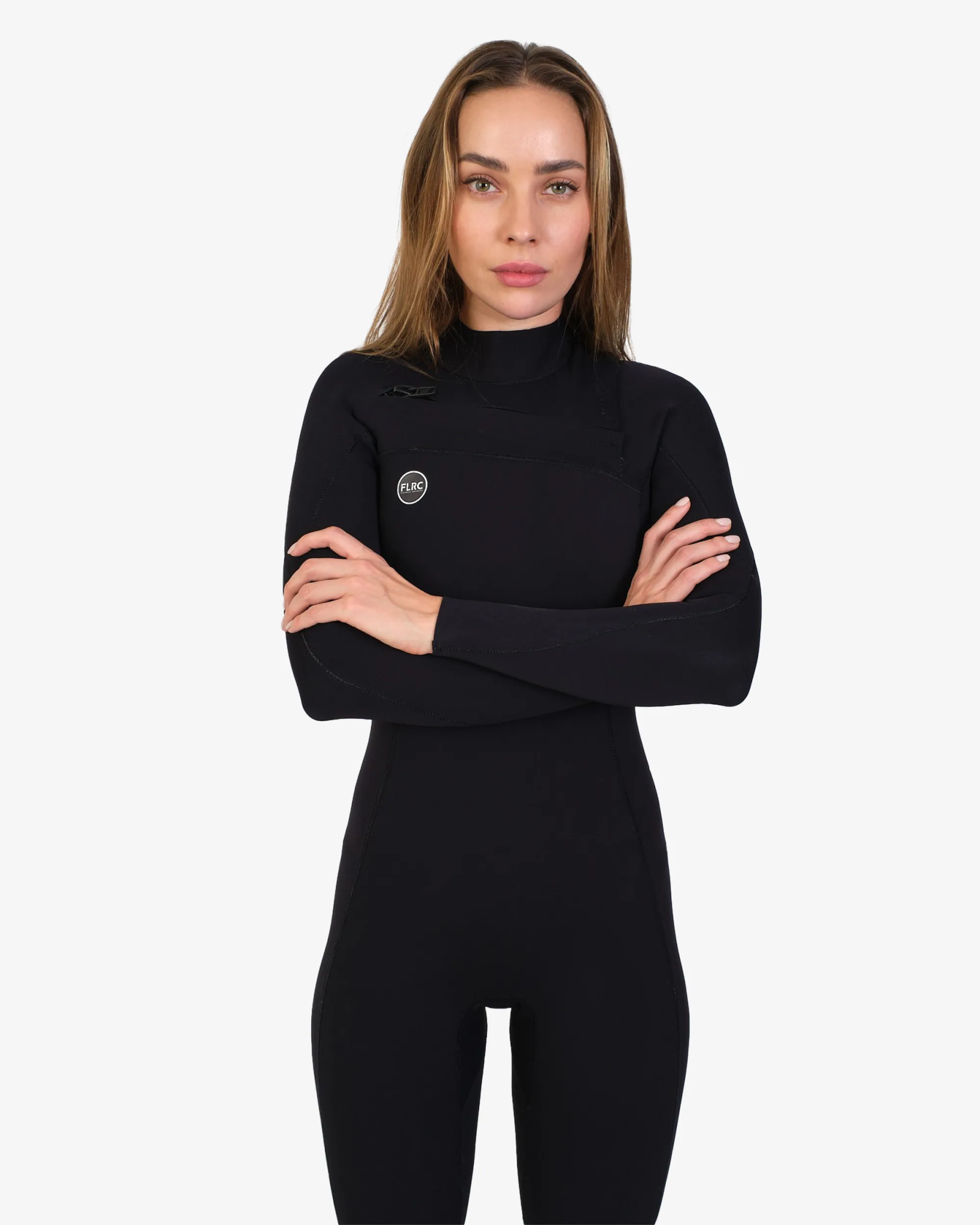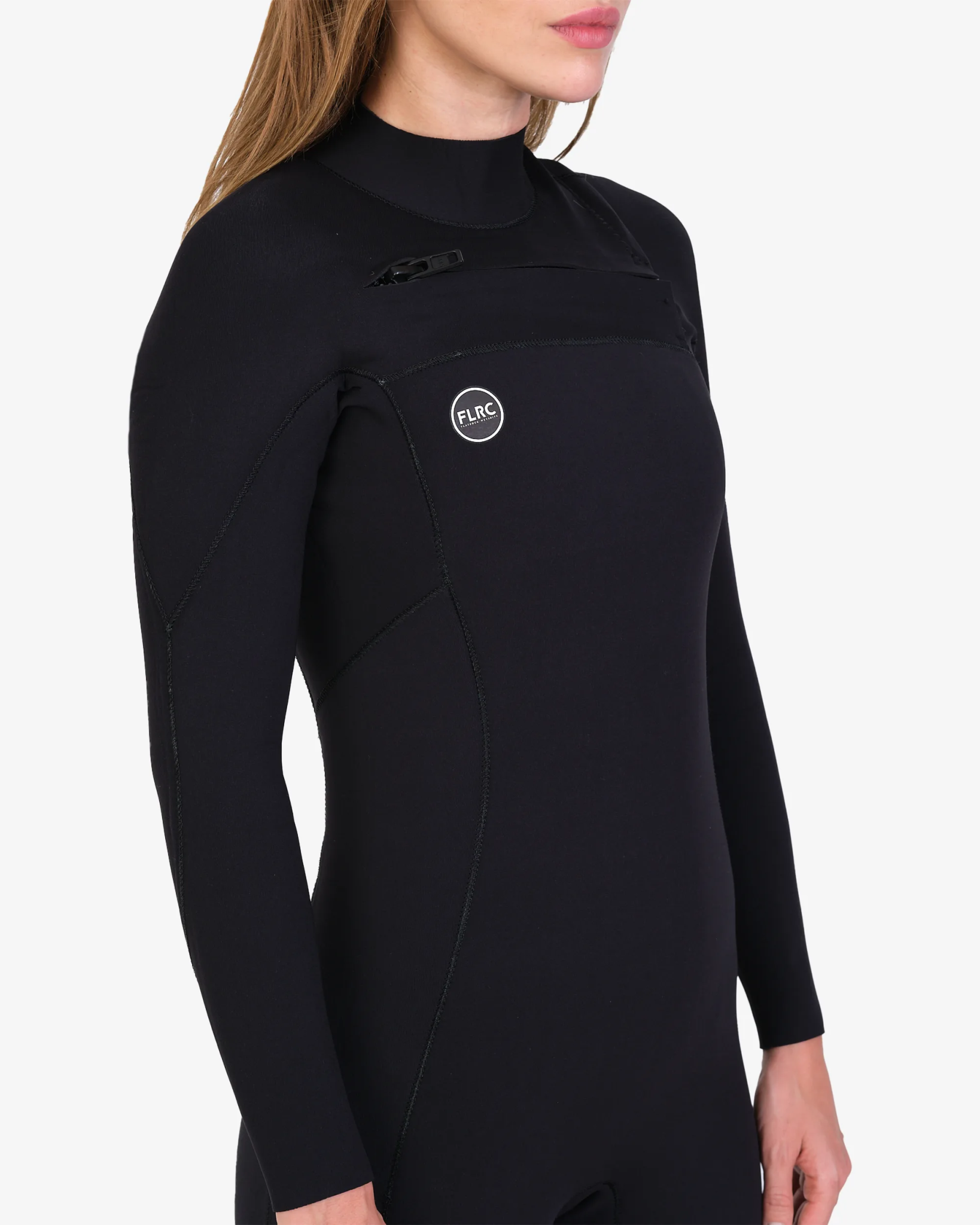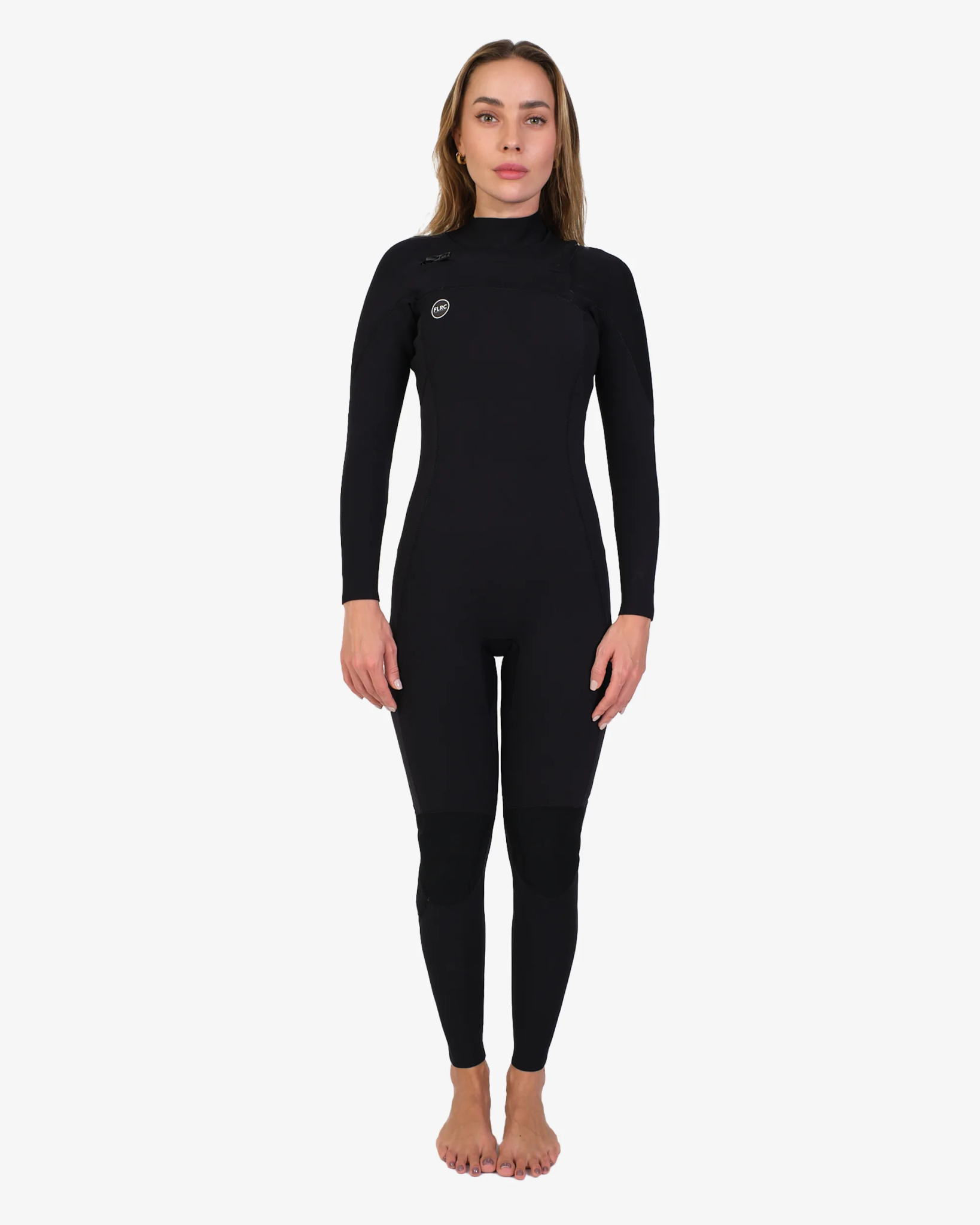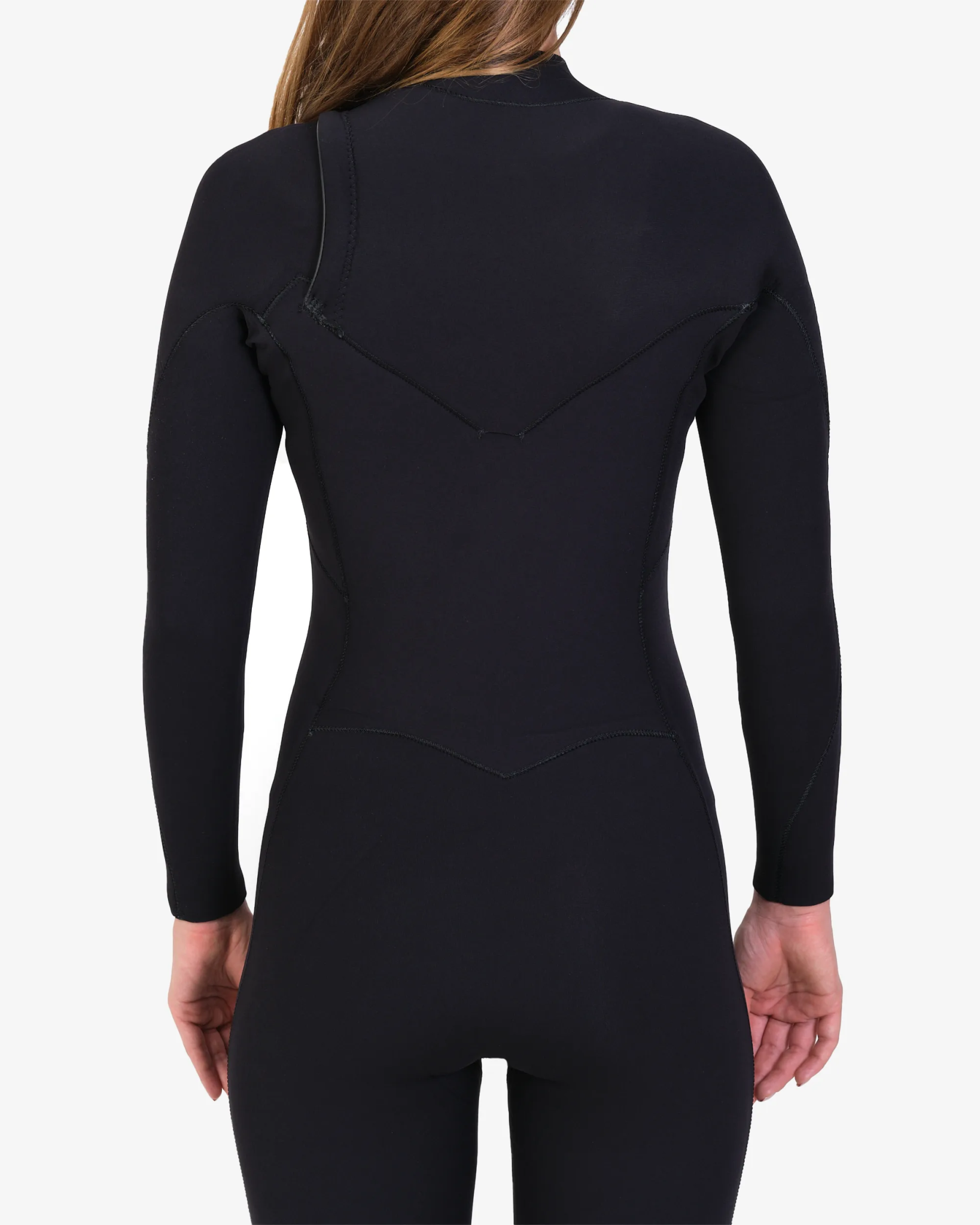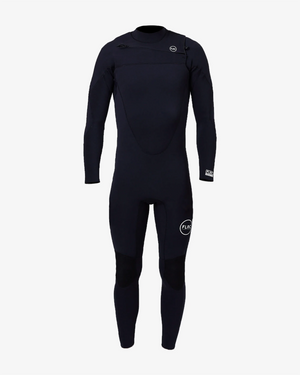
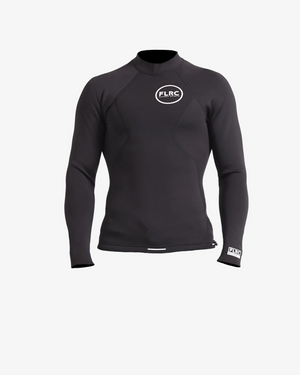


A 3/2mm wetsuit is what you need for learning to surf in Sydney during autumn and winter, when water temperatures drop to 16-18°C. Choose a beginner-friendly beach like Manly, Bondi, or Cronulla, rent or buy a soft-top longboard in the 8-9 foot range, and expect to spend your first few sessions just getting comfortable standing up in the whitewater.
Why autumn and winter are actually ideal for learning
Most people reckon summer's the best time to learn to surf in Sydney. They're wrong. Autumn and winter deliver smaller, cleaner waves, fewer crowds, and more consistent conditions. Yes, the water's cooler, but that's what wetsuits are for. Between April and September, Sydney's beginner beaches get offshore winds more often, which means glassy, organised waves instead of the choppy summer mess.
The lineup is also less packed. In summer, Bondi and Manly feel like a zoo. In the cooler months, you'll have more space to practice, more waves to yourself, and less pressure. We've taught countless beginners through Sydney winters, and the progression is often faster because the conditions are simply better for learning.
Which Sydney beaches are best for total beginners?
Not all Sydney beaches are beginner-friendly. Some have strong rips, heavy shore breaks, or rocks you need to navigate. Here are the safest, most forgiving spots for your first sessions.
Manly
Best for: absolute beginners who want consistent, mellow waves and surf school access.
Manly is Sydney's best all-round learner beach. The northern end (near the surf lifesaving club) has a sandbar that creates soft, rolling waves perfect for getting to your feet. There are multiple surf schools operating here year-round, lifeguards on duty, and the beach faces southeast so it picks up swell even on smaller days. In autumn and winter, the crowds thin out significantly, and you'll often get clean 1-2 foot waves with no one else around.
Bondi (north end)
Best for: beginners who want a busy, social vibe and easy access from the city.
Bondi's north end, near the pool, is where most surf schools operate. The sandbar here is forgiving, the waves are consistent, and there's always someone in the water, which can be reassuring when you're starting out. Avoid the south end near the rocks where the heavy waves and experienced surfers are. Bondi can get crowded even in winter, but it's well-patrolled and beginner-friendly if you stick to the north.
Cronulla
Best for: beginners who want less crowded conditions and easy parking.
Cronulla is one of Sydney's most underrated learner beaches. The beach is long, which means the crowd spreads out, and there are multiple sandbars to choose from. In autumn and winter, Cronulla gets clean, small waves that are perfect for progression. It's also accessible by train, and parking is easier than the eastern beaches. The water can be slightly cooler here than Manly or Bondi, but the trade-off is more space and less stress.
Maroubra (south end)
Best for: confident beginners ready for slightly bigger waves.
Maroubra is a step up from Manly or Bondi, but the south end can be forgiving for beginners who've had a few sessions under their belt. The waves are punchier and the beach can be exposed to wind, but it's less crowded and offers a more authentic Sydney surf experience. Save this one for your third or fourth session, not your first.
For a full breakdown of Sydney's surf beaches, check out our guide to the 12 best surf beaches in Sydney.
What wetsuit thickness do I need for Sydney autumn and winter?
Water temperatures in Sydney drop from around 20°C in April to 16-17°C by August. A 3/2mm steamer wetsuit is the standard for Sydney autumn and winter surfing. This means 3mm of neoprene on the torso and 2mm on the arms and legs, giving you warmth without restricting movement.
Some surfers prefer a 4/3mm wetsuit for the coldest months (July-August), especially if they're spending long sessions in the water or feel the cold more. But for most beginners, a quality 3/2mm wetsuit will be comfortable through the entire cooler season.
We recommend looking for wetsuits with sealed seams (GBS or glued and blind-stitched) and a back zip or chest zip entry. Cheap wetsuits with flatlock stitching let water flush through, which defeats the purpose. A good wetsuit should feel snug but not restrictive, with no gaps around the neck, wrists, or ankles.
For more detail on wetsuit selection, read our guide to wetsuit thickness for Australia.
Do I need boots, gloves, or a hood?
No. Sydney water temperatures don't drop low enough to require boots, gloves, or a hood, even in the middle of winter. A 3/2mm wetsuit is sufficient. Your hands and feet will feel cold when you first get in, but within five minutes of paddling, your circulation will warm you up.
If you're coming from a tropical climate and genuinely can't handle 16°C water, you could add 2mm neoprene booties for extra warmth, but it's not necessary for most people. Focus on getting a good wetsuit before worrying about accessories.
What type of surfboard should I start with?
A soft-top longboard between 8 and 9 feet is the best beginner surfboard, no exceptions. Soft-tops are made from foam so they're forgiving when you fall (which you will, constantly), they float well, and they're stable enough to stand on while you're still learning balance.
Length matters. A 7-foot board might look cooler, but it's harder to paddle, harder to catch waves, and harder to stand on. An 8-9 foot board gives you the float and stability you need to actually catch waves and practice standing up. Once you're comfortable popping up and riding in a straight line, you can think about downsizing.
Most surf schools use soft-top longboards for a reason. They work. Don't try to start on a shortboard because you think it looks better. You'll spend the entire session frustrated and missing waves.
We cover board selection in depth in our guide to the best surfboards for beginners.
Should I take lessons or teach myself?
Take at least one lesson, ideally two or three. Surfing looks simple when you watch someone else do it, but there are safety basics you need to understand before you paddle out: how to identify and avoid rips, how to duck dive or turtle roll under waves, how to bail your board safely, and where to position yourself in the lineup.
A good instructor will also teach you the pop-up technique correctly from the start. Most self-taught beginners develop bad habits (putting their knees down, looking at their feet, not engaging their core) that take months to unlearn. Two hours with an instructor can save you weeks of frustration.
After your first few lessons, you can practice on your own, but lessons give you a solid foundation. Manly, Bondi, and Cronulla all have reputable surf schools operating year-round.
What to expect in your first session
Your first surf session will be humbling. You will fall off the board more times than you can count. You will swallow seawater. You will paddle until your shoulders burn. And if you manage to stand up for three seconds, you'll feel like you've just won a championship.
Here's what a typical first session looks like: you'll spend 10-15 minutes on the beach practicing the pop-up motion (lying on the board, hands beside your chest, explosive push to your feet). Then you'll paddle out to the whitewater zone, where the waves have already broken and rolled into soft, foamy water. You'll practice catching these broken waves while lying on your stomach, then progress to popping up to your feet.
Most beginners stand up for the first time within the first hour. Some take longer. It's not a race. The goal of your first session is to get comfortable in the water, feel how the board moves under you, and practice the pop-up motion. If you catch a few waves and ride them in on your stomach, that's progress.
How long does it take to actually surf a wave properly?
If you're going out once a week, expect to spend 4-6 weeks riding whitewater before you're ready to paddle out to the lineup and catch unbroken waves. That's not a failure, that's the normal progression. Riding whitewater teaches you timing, balance, and board control. Once those are solid, catching green waves becomes much easier.
After 10-15 sessions, you should be able to paddle out, sit in the lineup without feeling completely lost, catch a few unbroken waves, and ride them in a straight line. After 20-30 sessions, you'll start attempting turns and reading the wave better. After 50 sessions, you'll feel like a surfer instead of someone learning to surf.
Progression is faster if you surf consistently. Two sessions a week will get you competent faster than one session a month. The more time you spend in the water, the quicker your body learns the movements.
What should I do between sessions to improve?
The best thing you can do between surf sessions is work on your paddling fitness and core strength. Surfing is a full-body workout, but your shoulders, back, and core take the most load. If you're not used to paddling, your first few sessions will leave you sore for days.
Swimming is the best cross-training for surfing. If you can swim laps at a pool once or twice a week, your paddle strength will improve dramatically. Focus on freestyle with long, powerful strokes, similar to the motion you use when paddling a board.
Core work also helps. Planks, side planks, and rotational exercises like Russian twists or medicine ball throws build the stability you need for popping up and staying balanced on the board. You don't need a gym membership, just 15 minutes of bodyweight core work three times a week will make a difference.
If you want a structured warm-up routine before you paddle out, check out our guide to the best warm-up routine for surfing.
How to stay safe as a beginner
Surfing is generally safe if you follow a few basic rules. Always surf at a patrolled beach between the red and yellow flags. Lifeguards watch for rips, dangerous conditions, and marine life, and they're there to help if something goes wrong.
Learn to identify a rip current. A rip is a channel of water moving away from the shore, usually visible as a darker, calmer patch of water between breaking waves. If you get caught in a rip, don't panic and don't try to swim directly back to shore. Swim parallel to the beach until you're out of the current, then paddle or swim back in at an angle.
Always use a leg rope (leash). Your board is your flotation device. If you lose it in a big set, you're swimming back to shore without help. A leg rope keeps your board attached to your ankle, so even if you wipe out, the board stays with you.
Respect other surfers in the water. The basic rule is: the surfer closest to the breaking part of the wave has right of way. If someone is already riding a wave, don't paddle into their path. As a beginner, you'll mostly be in the whitewater away from the main lineup, but it's still important to be aware of other people around you.
What gear do I actually need to get started?
Here's the full kit for learning to surf in Sydney during autumn and winter:
- A 3/2mm wetsuit (buy or rent, but if you're planning to surf regularly, buying makes sense)
- An 8-9 foot soft-top longboard (most surf schools include this in lesson cost, or you can rent from surf shops at the beach)
- A leg rope (leash) that matches your board length
- Surf wax (if your board doesn't have a traction pad already, though most soft-tops do)
- A towel and a warm layer for after your session (changing out of a wet wetsuit in a beach car park in July is character-building)
That's it. You don't need booties, gloves, a rashie, a surf watch, or a GoPro. Start simple, get in the water, and add gear later if you need it.
How much does it cost to get started?
A single surf lesson in Sydney costs between $70 and $100 and includes board rental and wetsuit hire for the session. If you book a multi-lesson package, the per-session cost drops to around $60.
If you want to buy your own gear, expect to pay $150-$300 for a decent 3/2mm wetsuit and $300-$600 for a soft-top longboard. Board and wetsuit hire (without a lesson) costs around $40-$60 per session, so if you're planning to surf more than 10 times, buying your own gear makes financial sense.
Our range of wetsuits includes options for every budget, and we stock gear specifically designed for Australian conditions. Check out men's wetsuits and women's wetsuits on our site.
What if I'm nervous about sharks, bluebottles, or jellyfish?
Shark encounters in Sydney are extremely rare. The beaches are netted, SMART drumlines are deployed offshore, and lifeguards monitor for marine life. You're statistically more likely to be injured driving to the beach than you are to encounter a shark in the water. Surf at patrolled beaches, avoid dawn and dusk sessions, and don't surf near schools of baitfish or river mouths after heavy rain. That's it.
Bluebottles (Portuguese man o' war) are more common, especially in summer and early autumn when northeasterly winds blow them onto the beaches. A bluebottle sting hurts, but it's not dangerous. If you get stung, rinse the area with seawater (not freshwater), remove any tentacles with a stick or towel (not your bare hands), and apply a cold pack. The pain usually fades within an hour. Most surf shops sell bluebottle sting relief spray if you want to carry some in your car.
Jellyfish are less common in Sydney than further north, and the ones you do encounter are generally harmless. If you see a lot of jellyfish in the water, it's worth checking with the lifeguards before you paddle out, but it's rarely a reason to skip a session.
How do I know if the conditions are right for a beginner session?
Check the surf forecast before you head to the beach. Websites like Swellnet, Coastalwatch, and Surfline give you wave height, period, wind direction, and tide information. As a beginner, you want small, clean waves, ideally 1-2 feet (which is waist-high when standing in the water).
Offshore winds (blowing from the land towards the sea) create clean, glassy waves. Onshore winds (blowing from the sea towards the land) create choppy, messy conditions. Light winds or no wind at all is also fine. If the forecast shows onshore winds above 15 knots, the conditions will likely be too messy for a productive beginner session.
Tide matters, but not as much as wind and swell size. Most Sydney beaches work on mid to high tide for beginners. Low tide can expose rocks and sandbars, making some breaks heavier and more advanced. When in doubt, aim for a mid-tide session a couple of hours either side of high tide.
Frequently asked questions
What is the best month to start learning to surf in Sydney?
May and June are ideal for beginners in Sydney. Water temperatures are still manageable at 18-19°C, the crowds have thinned out significantly, and the swell is consistent without being too large. Offshore winds are more frequent in autumn, which means cleaner waves.
Can I learn to surf without taking a lesson?
You can, but it will take longer and you'll miss critical safety knowledge like identifying rips, understanding right of way, and learning proper paddling technique. We recommend at least one or two lessons to build a solid foundation, then practice on your own from there.
How long should my first surf session be?
One to two hours is enough for your first session. Your shoulders and core will fatigue quickly, and once you're tired, your technique falls apart and you stop learning. It's better to do a focused one-hour session and come back fresh a few days later than to spend three hours floundering in the water.
Is it harder to learn to surf as an adult?
Adults can absolutely learn to surf, but it does take longer than learning as a kid. Kids have less fear, better flexibility, and they bounce back from falls more easily. Adults are often more cautious, which is both an advantage (you're more aware of risks) and a disadvantage (you hesitate more). The key is consistency and patience. Surf regularly, accept that progress is gradual, and don't compare yourself to teenagers.
Do I need to be a strong swimmer to learn to surf?
You should be comfortable swimming at least 50 metres in open water without stopping. You don't need to be an Olympic swimmer, but you do need basic water confidence. If you're not a strong swimmer, spend time at the pool or beach improving your swimming before you start surfing. Most surf schools require a minimum swimming ability before they'll take you out.