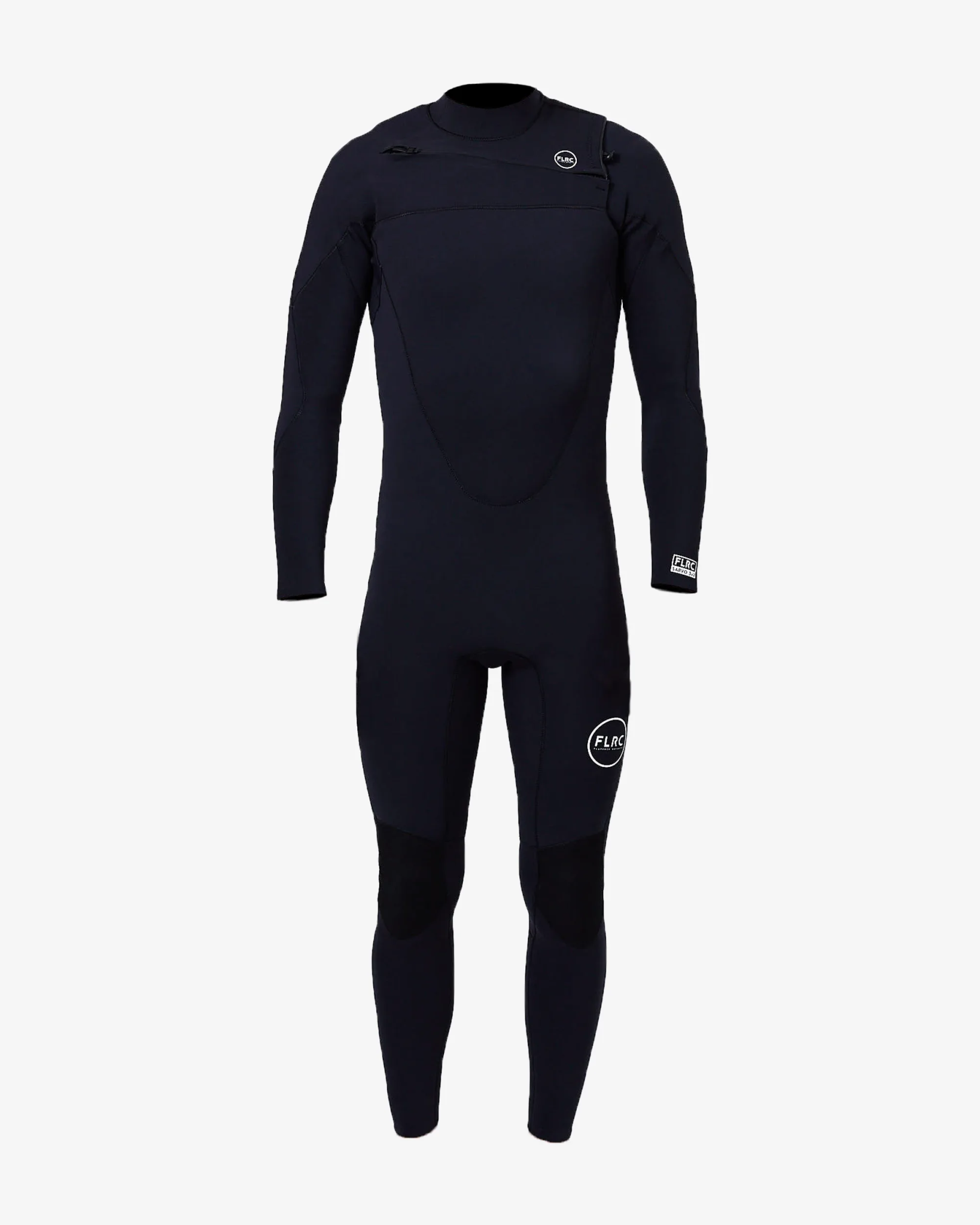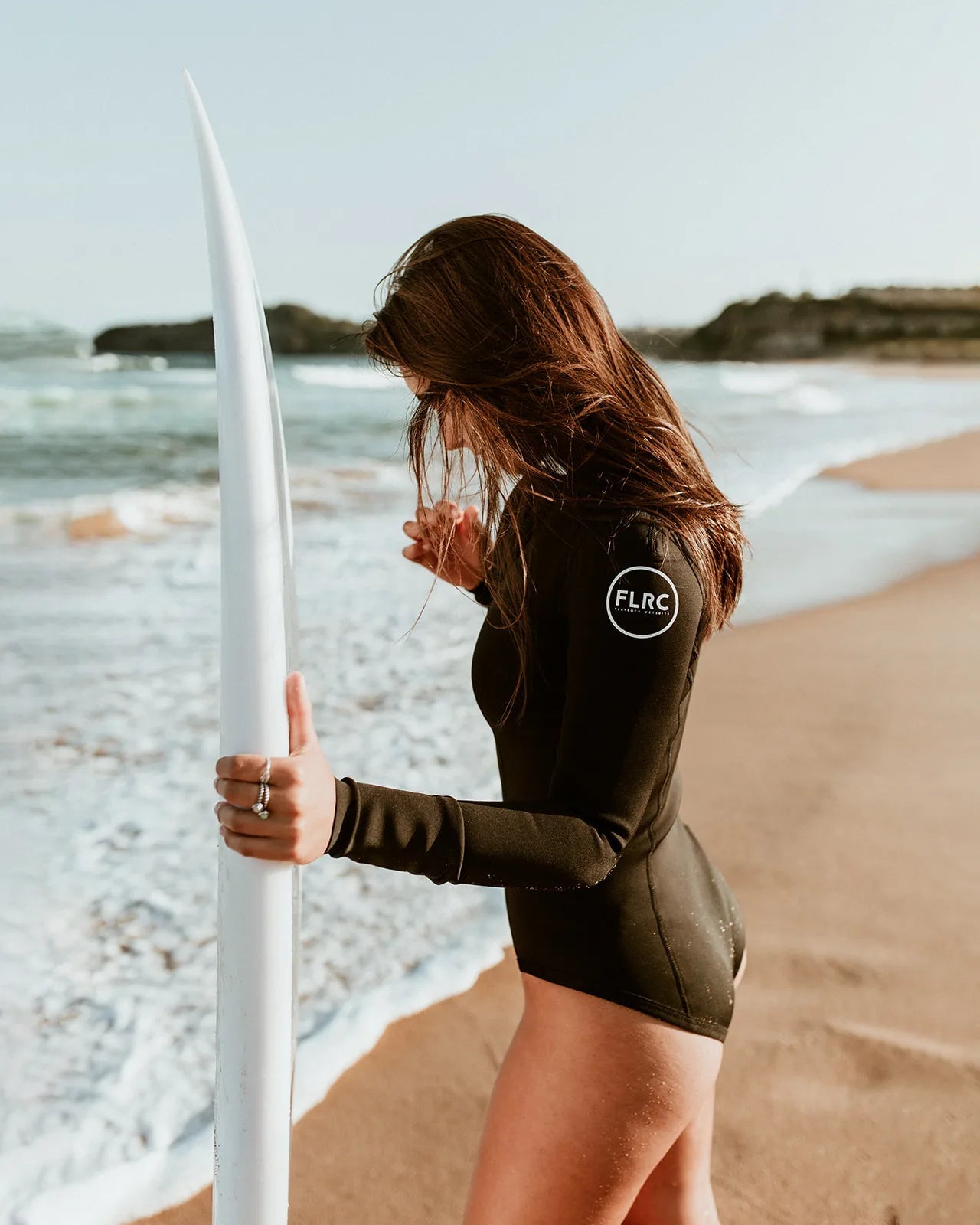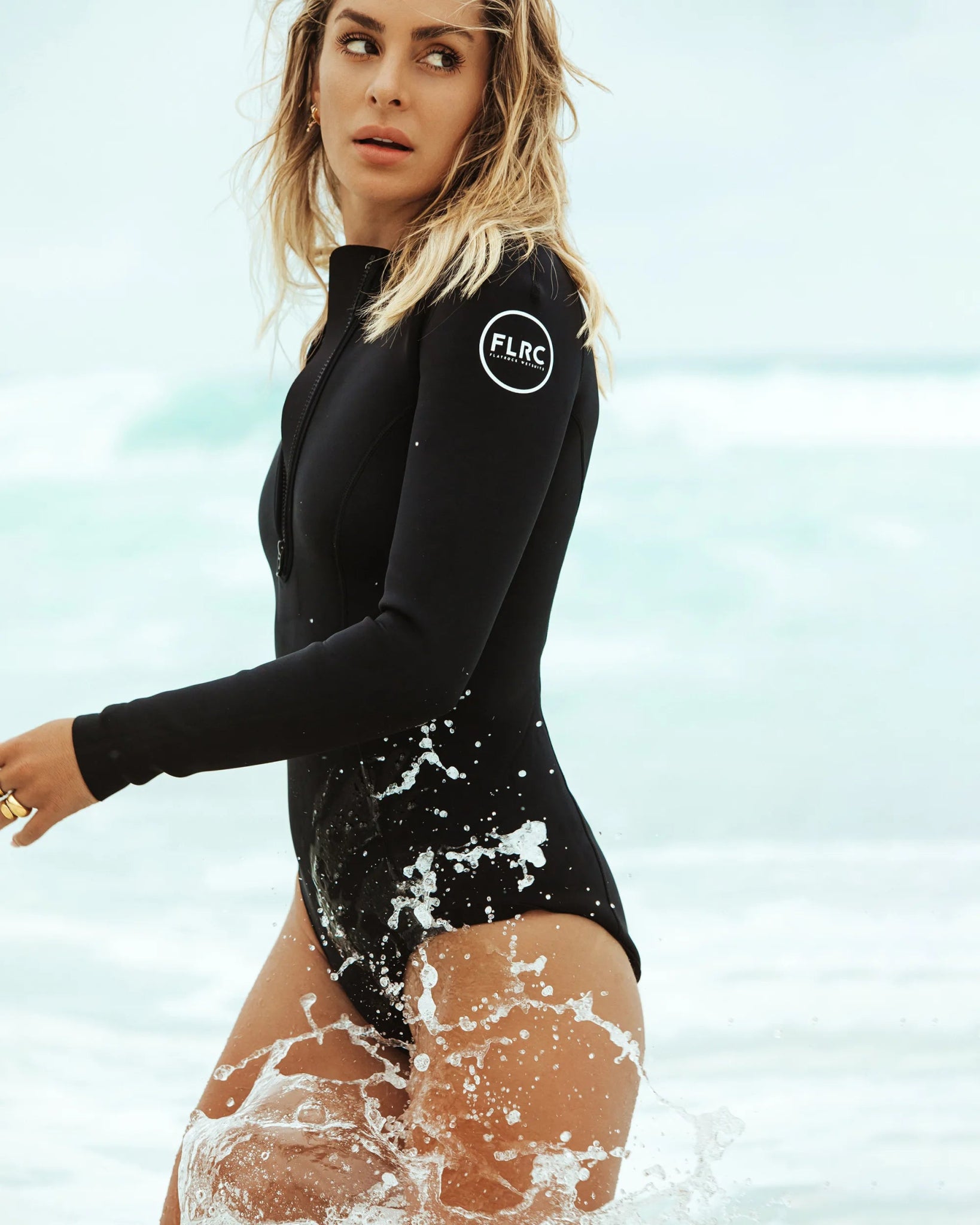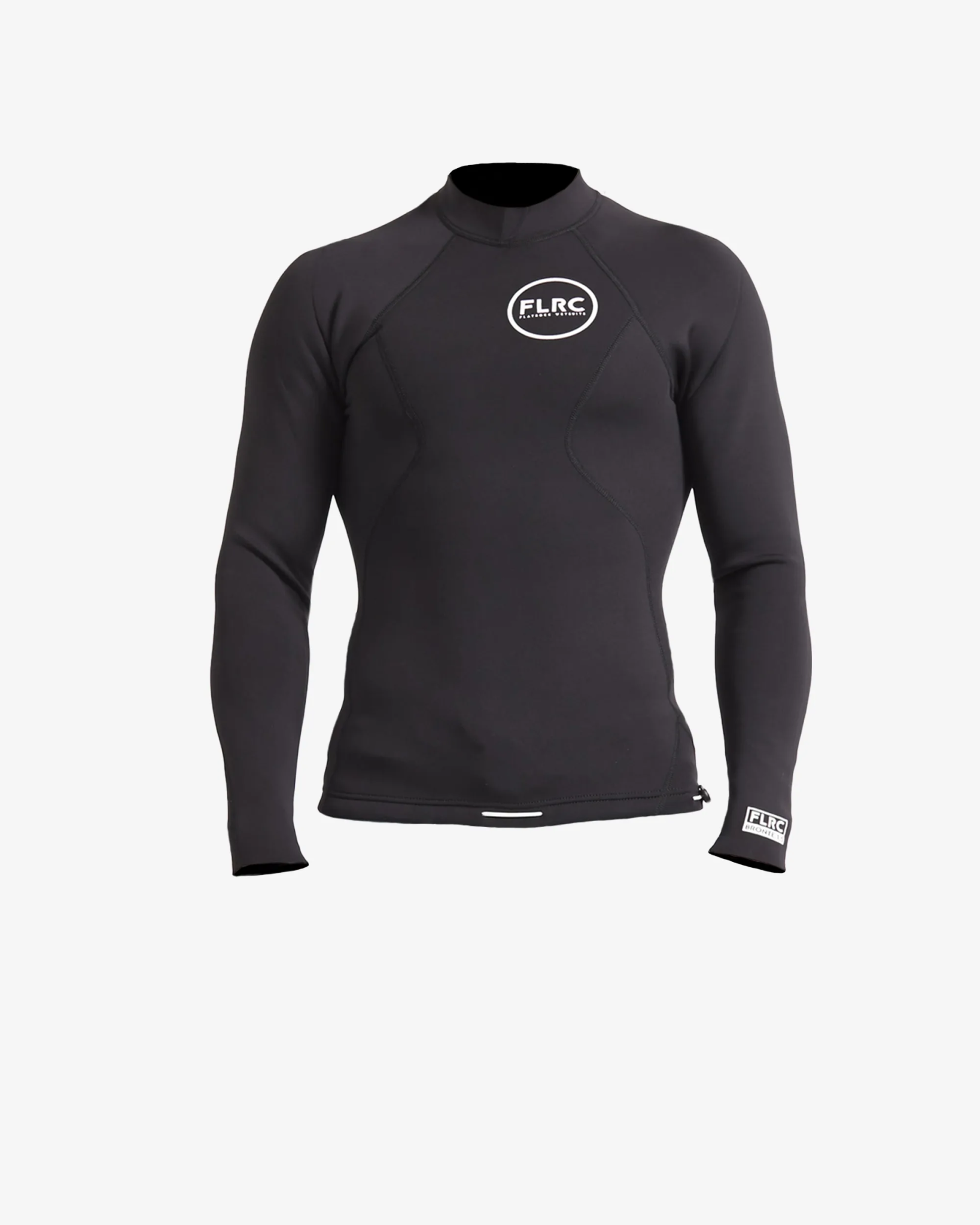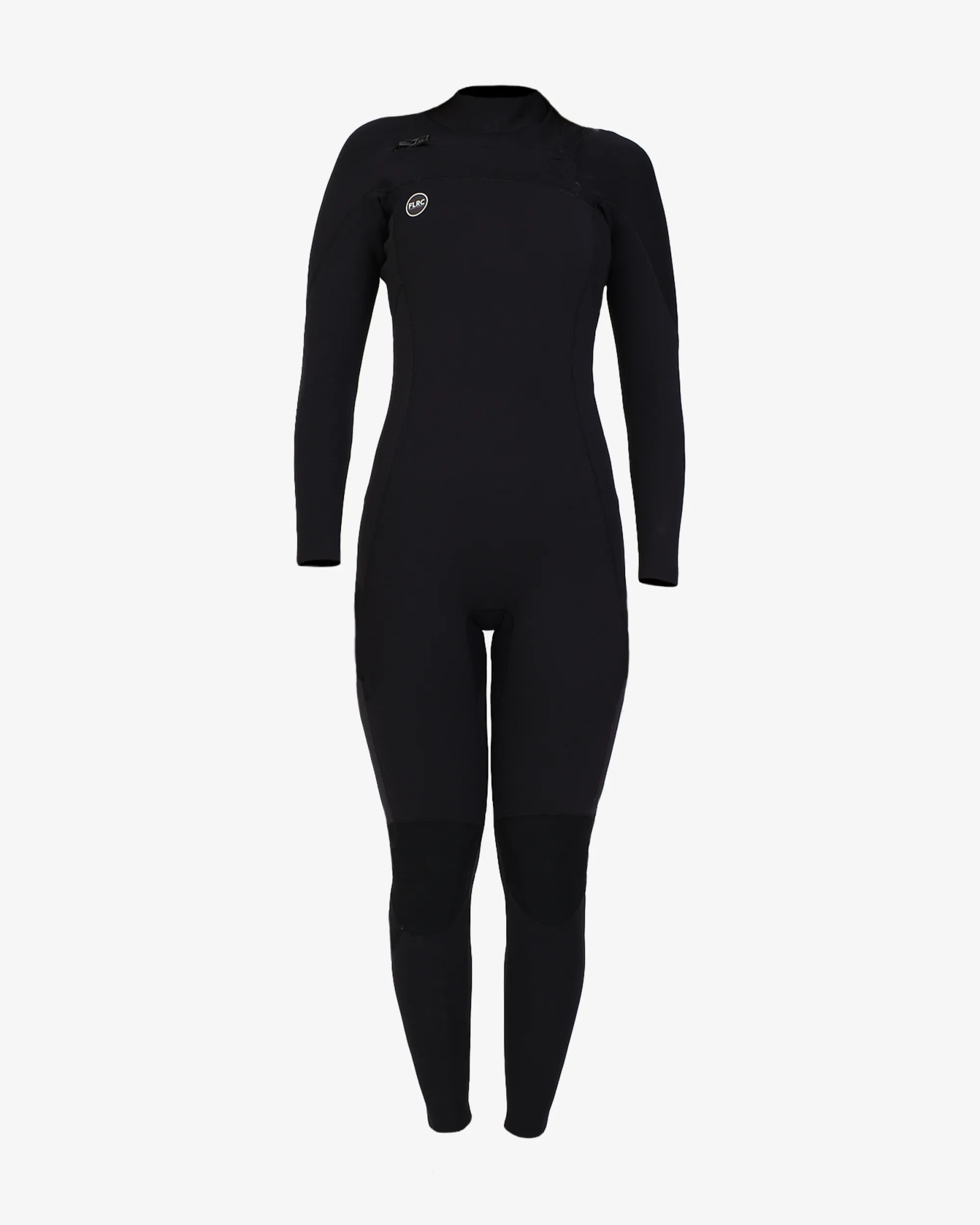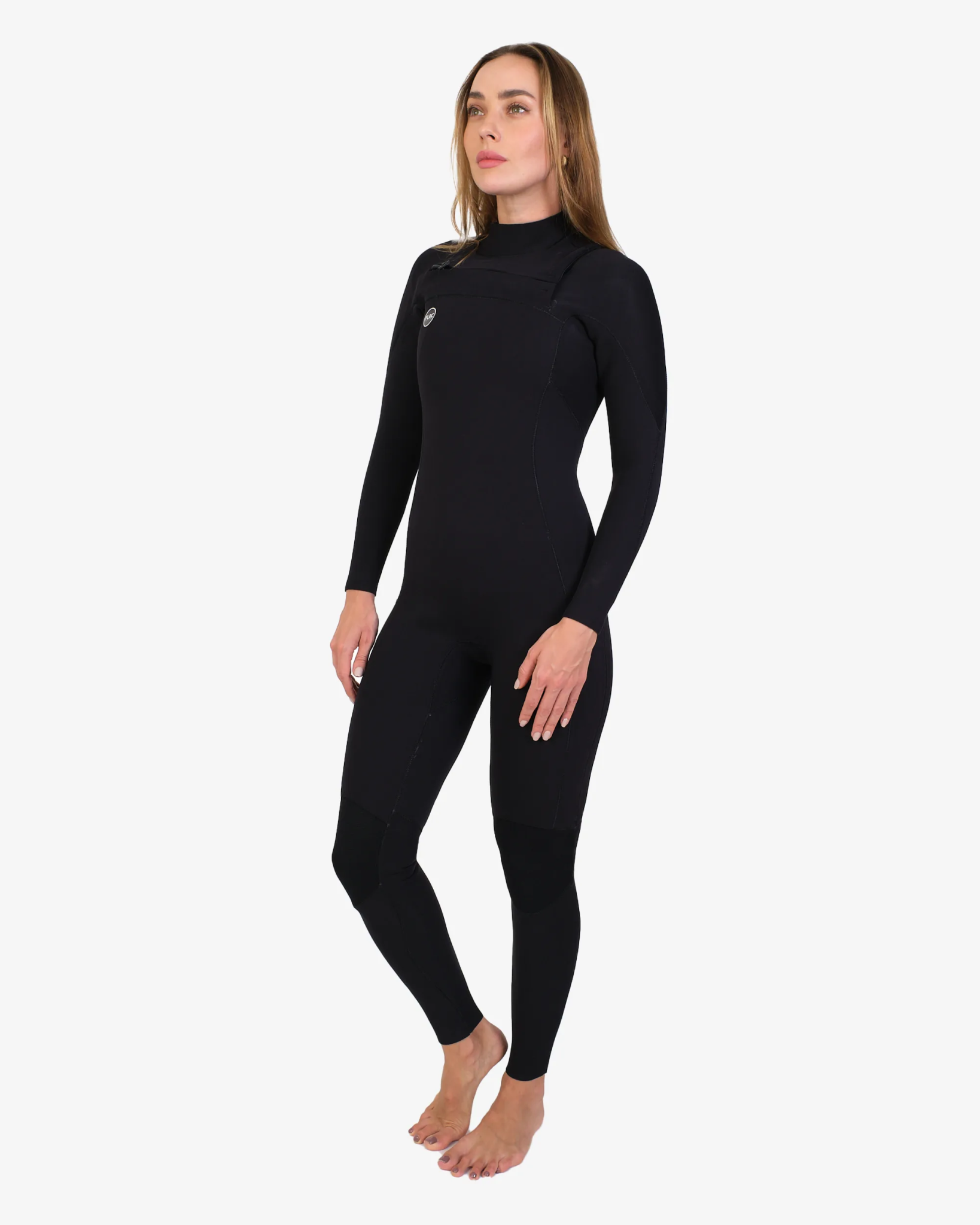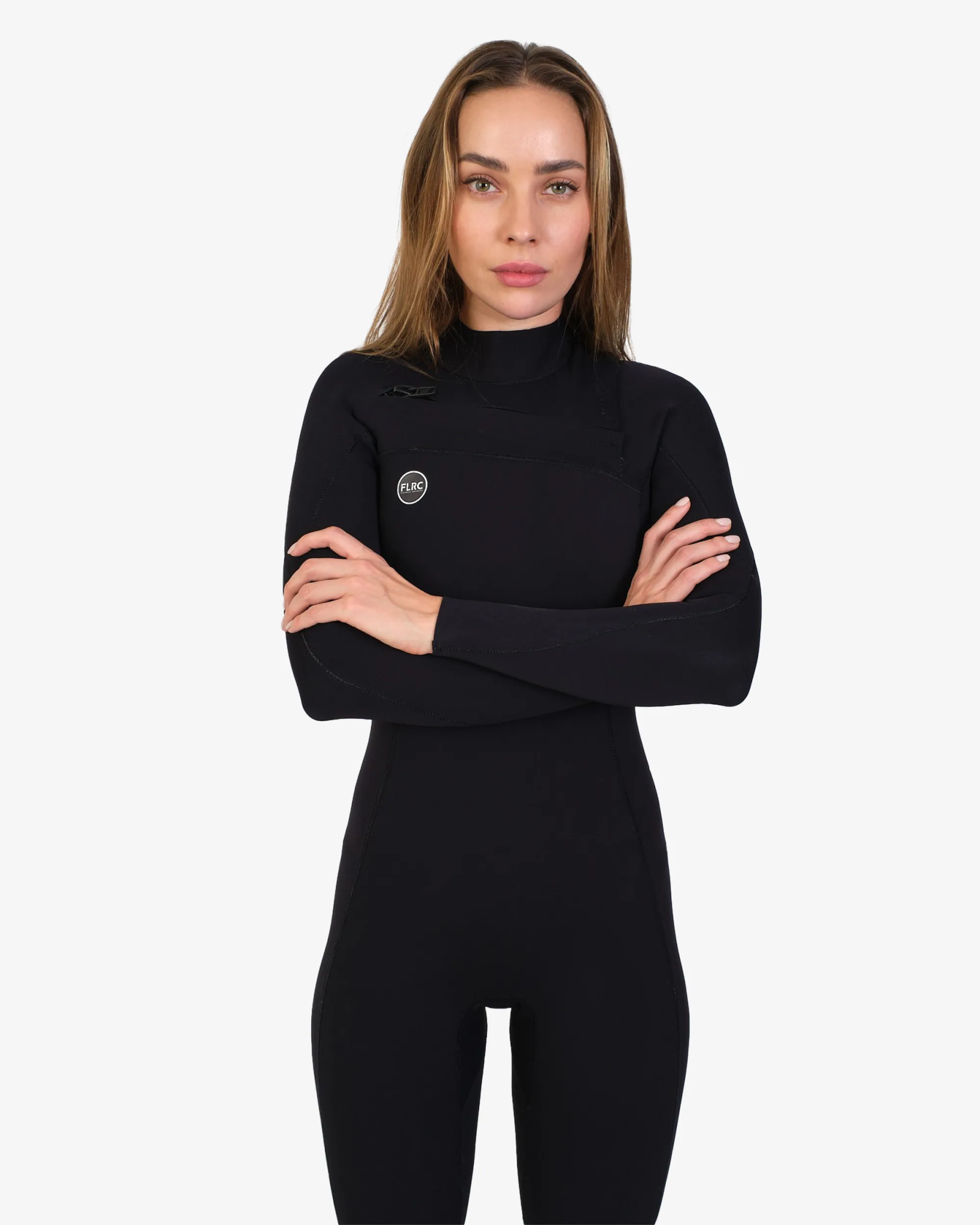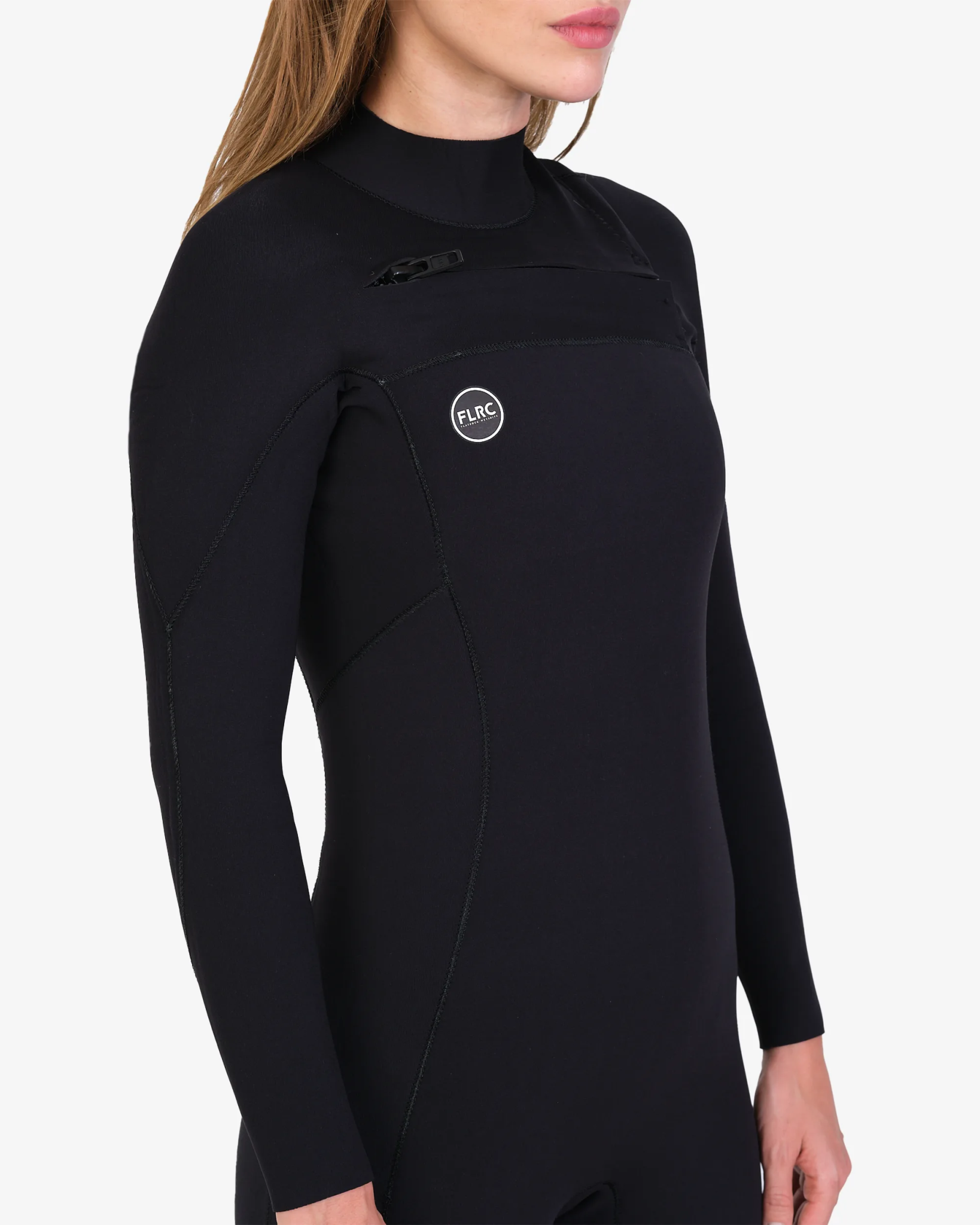


Victoria's Surf Coast runs cold. Water temperatures range from around 12°C in midwinter to 18°C in summer, which means your wetsuit has to work harder here than almost anywhere else in the country.
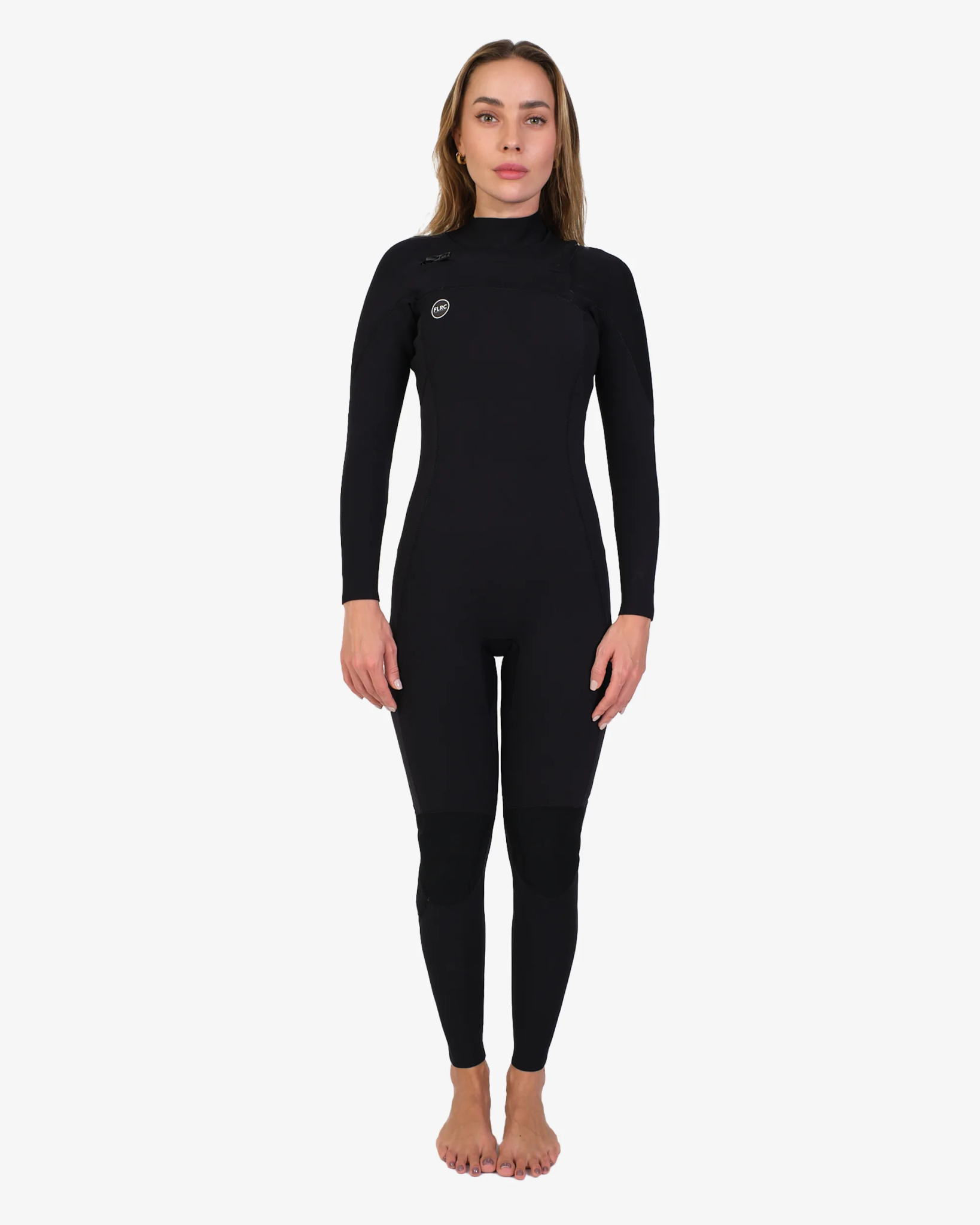
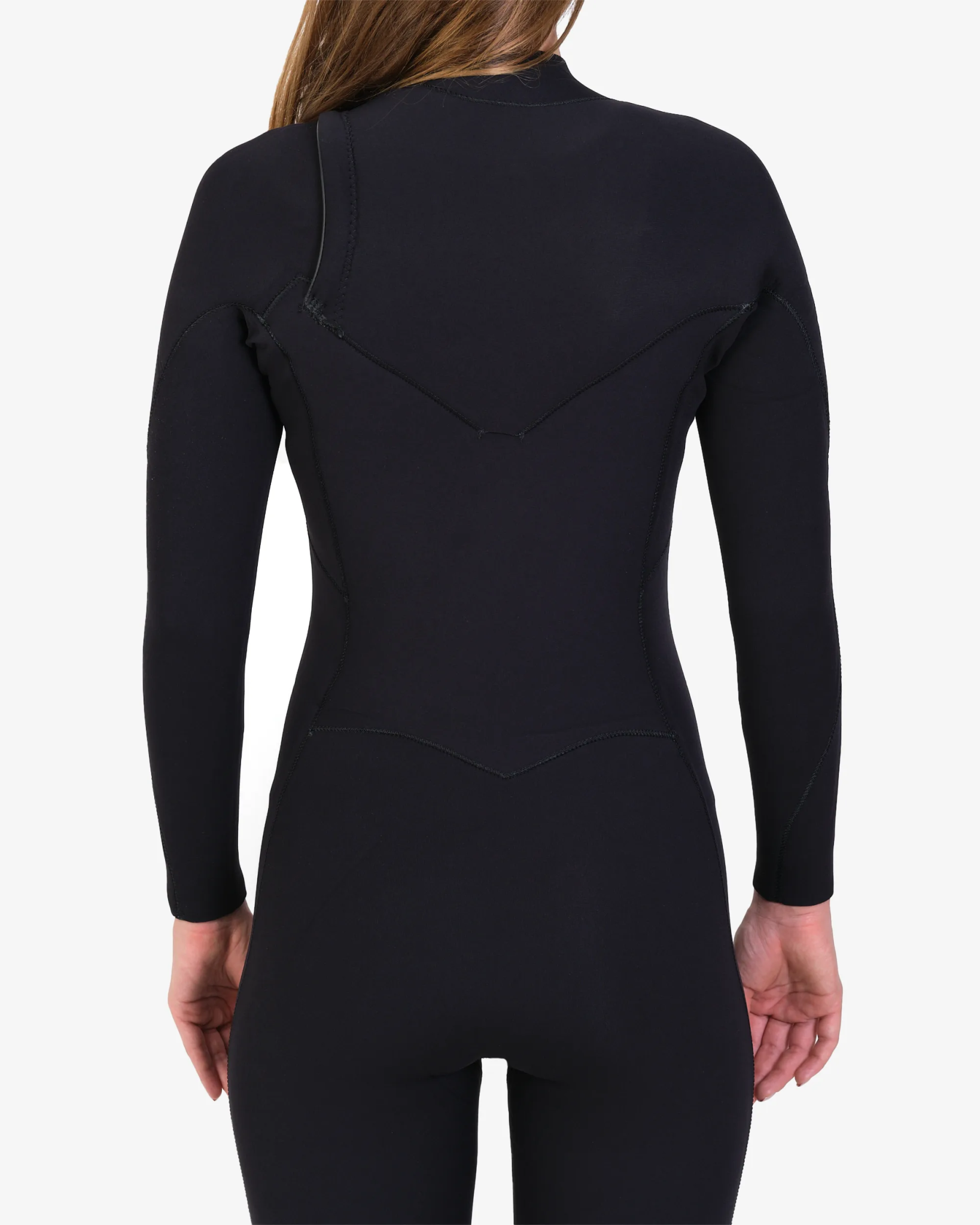
We recommend a 5/4mm steamer for Victorian winter surfing from June through August, stepping down to a 4/3mm through spring, autumn, and the warmer end of summer. Get the thickness right and you'll be comfortable at Torquay and Bells Beach all year round. Get it wrong, and the Southern Ocean will push you out of the lineup well before you're ready to call it.
This guide covers Victorian water temperatures by season, the 4/3mm versus 5/4mm decision, when to add boots and gloves, and how to find the right fit when buying online.
What are the water temperatures along Victoria's Surf Coast?
From June through August, the ocean sits at around 12 to 14°C at spots like Torquay, Jan Juc, and Bells Beach. Through spring and into autumn, temps climb back into the mid-to-high teens, and by the peak of summer you're looking at around 17 to 18°C along the coast.
What catches plenty of visitors off guard is how cold the water feels relative to the air. A clear, still winter day at Lorne or Point Addis can feel perfectly reasonable on land. In the water, it's a different story. That Southern Ocean chill is consistent, and it's the main reason Victorian surfers invest in thicker wetsuits than their counterparts up north.
What wetsuit thickness do you need for Melbourne and Victorian surf?
The right thickness depends on the time of year. Here's how the two main options compare for Victorian conditions.
4/3mm
Best for: spring, autumn, and warmer summer days (roughly March to May, September to November)
A 4/3mm steamer is the shoulder-season standard along the Surf Coast. The 4mm core insulation handles water temperatures through spring and autumn, while the 3mm on the arms and legs keeps your paddle unrestricted. If you're visiting from Sydney or Queensland, this will feel heavier than what you're used to, but once you're in Victorian water you'll understand why. For a full breakdown of how thickness requirements shift across the country, our guide on which wetsuit thickness is best for Australia is worth reading before you buy.
5/4mm
Best for: June, July, and August, when water temperatures drop to 12 to 14°C
When the water is down to 12 to 14°C, a 4/3mm with boots is the minimum, and a 5/4mm is the warmer choice for long sessions. A 4/3mm will keep you in the water for a session at that temperature, but it won't keep you comfortable through a longer one. The extra insulation across the chest and legs makes a real difference on the coldest mornings at Bells or Point Addis. The trade-off is slightly more bulk and a small reduction in mobility, which is exactly why fit matters even more at this thickness. A well-fitted 5/4mm will always out-perform a loose one, because flushing (cold water cycling in and out through gaps and seals) is how you lose heat fastest.
Do you need boots, gloves, and a hood for Victorian winter surfing?
For most surfers heading into a Victorian winter, the answer is yes to boots and, on the coldest sessions, gloves too. They're not optional extras here; for heaps of Surf Coast regulars, they're as standard as the wetsuit itself.
Wetsuit boots
Your feet are in the water constantly, and at 12 to 14°C they're among the first things to feel the cold. A 3mm boot gives you enough insulation without killing your feel for the board. If you're surfing rocky entries or reef breaks, boots are worth wearing through the shoulder seasons too, not just the depth of winter.
Gloves
Cold hands are slow hands. When you're paddling in 12°C water, your grip and paddle power drop off quickly without insulation. A 2mm or 3mm glove makes a noticeable difference on your colder sessions. Not every Victorian winter surfer wears them, but plenty of regulars keep a pair in the car for the coldest mornings.
Hood
A hood isn't essential for everyone, but if you run cold or you're planning full dawn patrol sessions in July and August, it's worth having. Many 5/4mm wetsuits come with an integrated hood; if yours doesn't, a separate neoprene hood is a simple addition that can extend your time in the water significantly on the coldest days.
How do you find the right wetsuit fit when buying online?
Fit matters more than almost any other factor in the water. A well-fitting 4/3mm will keep you warmer than a loose 5/4mm, because flushing is how you lose heat fastest. Getting your measurements right before you look at a size chart will save you a return and a wait.
Take these three measurements before you start:
- Height
- Chest circumference (measured at the widest point)
- Weight
Size labels like small, medium, and large vary quite a bit between different wetsuit cuts and styles, so always cross-reference your numbers against the actual size chart rather than defaulting to what you normally wear off the shelf.
When assessing fit, look for these signals:
- The neck seal should sit snug without being uncomfortable to swallow in
- No excess material bunching at the crotch, knees, or lower back
- The shoulder panels allow a full paddle stroke without pulling or restricting
- The lower back should not gap when you bend forward into your surf stance
For more detail on seam types, neoprene construction, and what separates a quality wetsuit from one that lets you down after a season, our guide on what to look for in a wetsuit covers the key things worth knowing before you buy. When you're ready to shop, our men's wetsuits and women's wetsuits both come with full size guides on each product page.
Frequently asked questions
What wetsuit thickness do I need for Melbourne surfing?
A 4/3mm with boots is the minimum for Melbourne and Victoria's Surf Coast through winter (June to August), when water temperatures drop to around 12 to 14°C, and a 5/4mm is the warmer choice. A 3/2mm suits the shoulder seasons once water climbs back toward 16 to 18°C.
Do I need wetsuit boots when surfing in Victoria?
Yes, boots are worth it for Victorian winter surfing. When water temperatures sit at 12 to 14°C, your feet lose heat quickly; a 3mm boot provides enough insulation for most surfers without significantly affecting board feel.
Is a 3/2mm wetsuit enough for Melbourne?
No. Water temperatures of 12 to 14°C from June through August require at least a 4/3mm, and most locals reach for a 5/4mm through the coldest months. A 3/2mm will leave you cold and cutting sessions short well before you're ready to call it.
How do I get the right wetsuit size when buying online?
Our sizing guide recommends measuring your height, chest circumference, and weight before selecting a size. These measurements are more reliable than small, medium, and large labels, which vary between different wetsuit cuts. For more guidance, our ultimate wetsuit guide covers sizing, fit, and construction in detail.
Can I surf in Victoria in summer without a thick wetsuit?
Water temperatures along Victoria's Surf Coast reach around 17 to 18°C in summer, which is more manageable than winter but still cool for most surfers. A 3/2mm steamer is a sensible choice for summer sessions; some experienced surfers go without on the warmest days, but most still prefer a layer in the water.