


Australian women have transformed surfing from a male-dominated pursuit into a sport where female athletes command equal respect, equal pay, and equal waves. This didn't happen overnight. It took decades of women who paddled out when they weren't welcome, competed when prize money was a joke, and pushed for recognition when the industry wanted to ignore them. Today, Australia produces world champions like Steph Gilmore and Tyler Wright, but their path was carved by women who surfed in a very different era.
The Early Days: 1960s and the Fight for Space in the Lineup
In the 1960s, Australian women who wanted to surf faced more than just challenging conditions. They faced hostility. The lineup was a boys' club, and many blokes made it clear that women didn't belong. Phyllis O'Donnell, often credited as Australia's first female surfing pioneer, started riding waves at Manly Beach in the early 1960s when seeing a woman on a board was genuinely rare. She wasn't just learning to surf, she was claiming space in a culture that actively resisted her presence.
O'Donnell and others like her didn't have role models, dedicated women's gear, or media coverage. They borrowed boards, wore whatever worked, and surfed anyway. The 1964 World Surfing Championships held at Manly Beach changed things. It was the first time women's surfing received international attention in Australia, and Phyllis O'Donnell competed, finishing fourth. The event proved women could charge waves just as hard as men, even if the broader surf culture wasn't ready to acknowledge it.
Breaking Into Competition
Throughout the late 1960s and 1970s, women's surfing in Australia slowly gained legitimacy through grassroots competitions. Events were small, prize money was negligible or non-existent, and media coverage was practically zero. But the women kept showing up. They organised their own events, built their own communities, and proved that women's surfing wasn't a novelty.
Gail Couper emerged as one of the most dominant Australian female surfers of the 1970s, winning multiple national titles and competing internationally. She surfed with power and commitment, challenging the stereotype that women's surfing was less aggressive or exciting than men's. Couper's success showed younger Australian girls that competitive surfing was a viable path, even if the industry support wasn't there yet.
The 1980s: Pam Burridge and the Push for Professionalism
By the 1980s, women's surfing in Australia had momentum, but it still existed in the shadow of the men's tour. Pam Burridge changed that. Burridge, from Sydney's northern beaches, became the first Australian woman to truly break through on the global professional stage. She won the 1990 World Championship and became a household name, proving that Australian women could compete at the highest level.
Burridge's career spanned over two decades, and she was instrumental in advocating for better conditions for female surfers. She pushed for increased prize money, better event scheduling, and more media coverage. According to Surfing Australia, Burridge's championship win in 1990 was a watershed moment: the first time an Australian woman claimed the sport's highest honour in the professional era. Her success opened doors for the next generation.
The Gender Gap in Prize Money
Despite Burridge's success, the gap between men's and women's surfing remained stark. In the 1980s and 1990s, women's prize money was often less than 20% of what men received for the same event. Female surfers travelled the same distances, surfed in the same conditions, and put in the same effort, but the rewards were vastly different. This disparity became a rallying point for female athletes, and Australian women were at the forefront of demanding change.
The 2000s: Layne Beachley and the Dominance Era
If Pam Burridge opened the door, Layne Beachley kicked it off its hinges. Beachley, from Sydney's northern beaches, won seven World Championships between 1998 and 2006, a record that stood as a benchmark for over a decade. Her dominance was absolute. She didn't just win, she redefined what was possible for women's surfing in terms of performance, professionalism, and public profile.
Beachley was vocal about pay equity and used her platform to push for change. In 2006, she became the first woman to win a major men's event when she defeated the men's field at the Boost Mobile Pro in Western Australia, taking home equal prize money. The symbolic weight of that victory cannot be overstated. It proved, beyond any doubt, that women could compete at the highest level and deserved equal recognition.
Beachley's influence extended beyond her competitive career. She mentored younger surfers, advocated for women's health and mental health issues, and worked tirelessly to raise the profile of women's surfing. According to her own accounts, she often felt isolated in her fight for equality, but her persistence laid the groundwork for what followed.
The Gilmore Era: Style Meets Dominance
Steph Gilmore, from the Gold Coast, brought a different energy to women's surfing. Her natural style, effortless power, and ability to make difficult manoeuvres look easy captivated audiences worldwide. Gilmore won her first World Championship in 2007 at just 19 years old, and she went on to win seven World Titles, matching Beachley's record.
Gilmore's approach was less about fighting for recognition and more about letting her surfing do the talking. Her fluid style attracted mainstream attention, and she became one of the most marketable athletes in surfing, male or female. Brands that had previously ignored women's surfing suddenly wanted to work with her. Her success proved that women's surfing could be commercially viable, which helped shift industry attitudes.
The Tyler Wright Factor
Tyler Wright, from Culburra Beach on the NSW South Coast, brought raw power and emotional intensity to women's surfing. Wright won back-to-back World Championships in 2016 and 2017, becoming the youngest Australian woman to win a World Title at 22. Her aggressive, committed surfing style drew comparisons to top male surfers, and she became known for taking on heavy, critical waves that many competitors avoided.
Wright was also unapologetically outspoken on social issues. She used her platform to advocate for LGBTQ+ rights, gender equality, and mental health awareness. In 2018, when the World Surf League announced equal prize money across all events, Wright was one of the most vocal supporters and advocates. Her willingness to speak up made her a lightning rod for conversations about equality in surfing.
The Equal Prize Money Revolution: 2018 and Beyond
On September 5, 2018, the World Surf League made a historic announcement: all WSL-controlled events would offer equal prize money to male and female competitors, effective immediately. This was the first professional surfing body to institute full pay parity, and it sent shockwaves through the sports world. The decision wasn't just symbolic; it was a financial and cultural shift that recognised women's contributions to the sport.
Australian women played a critical role in this change. Years of advocacy by athletes like Beachley, Gilmore, and Wright, combined with grassroots movements and public pressure, forced the industry to act. The WSL's decision was a direct result of decades of Australian women refusing to accept inequality.
Equal prize money didn't just change the financial landscape, it changed how the sport was marketed and consumed. Women's events received better promotion, better broadcast slots, and more media coverage. As of 2024, women's surfing in Australia is no longer a secondary tour. It's an equal part of the sport.
The Current Generation
Today's Australian female surfers compete in an environment their predecessors could only dream of. Sally Fitzgibbons, from the NSW South Coast, has been a consistent top-five competitor for over a decade, known for her powerful backhand and relentless work ethic. Molly Picklum, from the Central Coast, represents the next wave, bringing progressive aerial surfing and fearless commitment to heavy waves.
These athletes grew up in a world where women's surfing was already visible. They had role models, access to quality coaching, and industry support from a young age. That foundation was built by the women who came before them: the ones who paddled out when they weren't wanted and kept pushing when the doors were closed.
The Role of Grassroots Programs and Surf Schools
Alongside the professional tour, grassroots programs across Australia have been instrumental in growing female participation in surfing. Surfing Australia's Women in Surfing Program, launched in the 2000s, focused on increasing female participation at all levels, from recreational surfing to elite competition. According to Surfing Australia, female participation in surfing increased by over 30% between 2010 and 2020, driven largely by targeted programs and community initiatives.
Surf schools and local clubs began actively recruiting female surfers, running women-only sessions, and creating supportive environments where beginners felt welcome. This cultural shift at the grassroots level mirrored the changes happening at the elite level, creating a pipeline of young female surfers who saw the sport as accessible and inclusive.
The Cultural Shift: Media and Representation
Media representation has been a critical factor in the rise of women's surfing. For decades, surf magazines and films either ignored female surfers or reduced them to background imagery. The 2000s saw a slow shift, with films like Blue Crush (2002) and dedicated women's surf media like SurfGirl magazine bringing female surfers into the mainstream.
Social media accelerated this change. Platforms like Instagram allowed female surfers to build their own audiences, control their own narratives, and connect directly with fans. Australian surfers like Steph Gilmore and Tyler Wright used social media to showcase their surfing, their personalities, and their advocacy, bypassing traditional media gatekeepers.
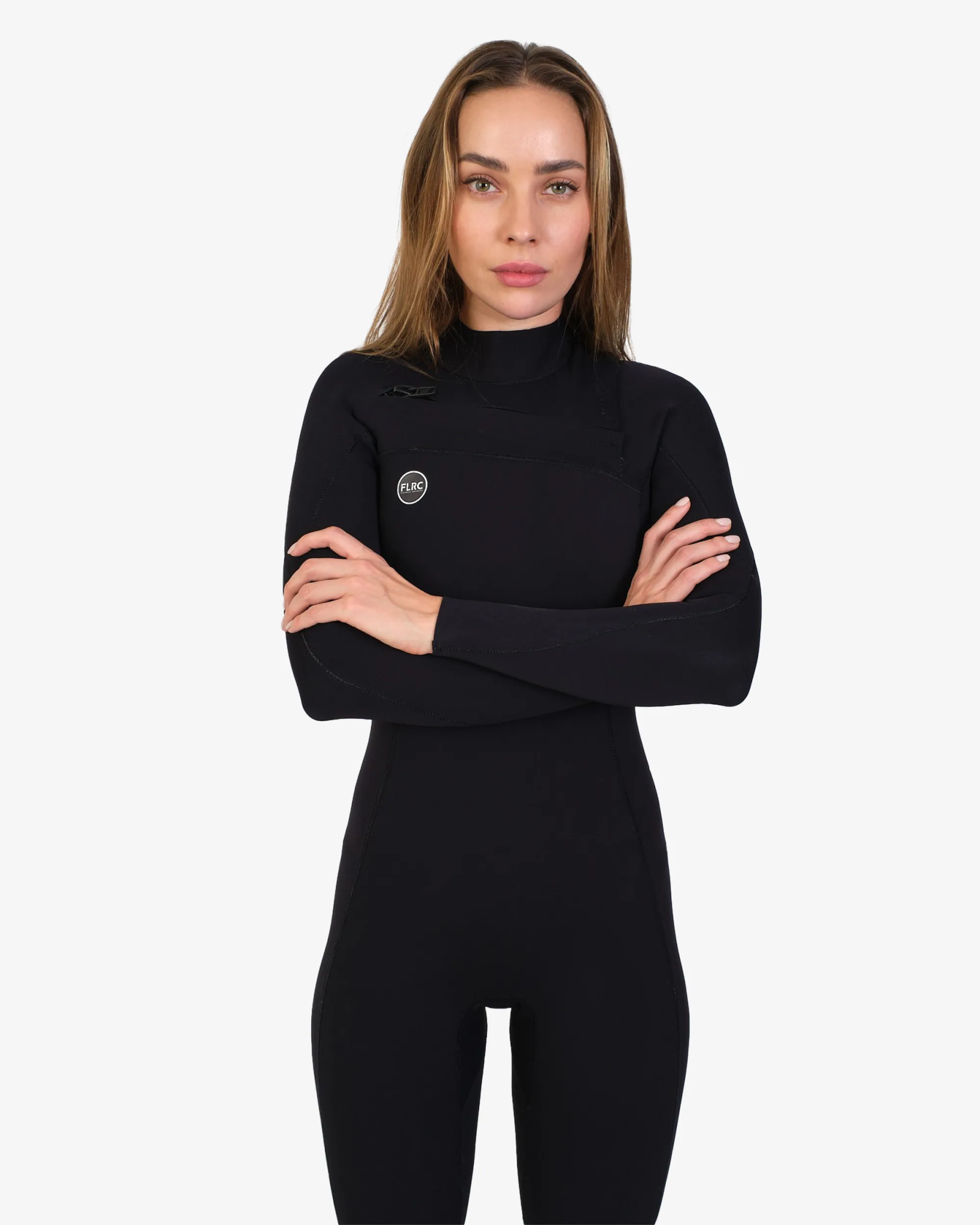
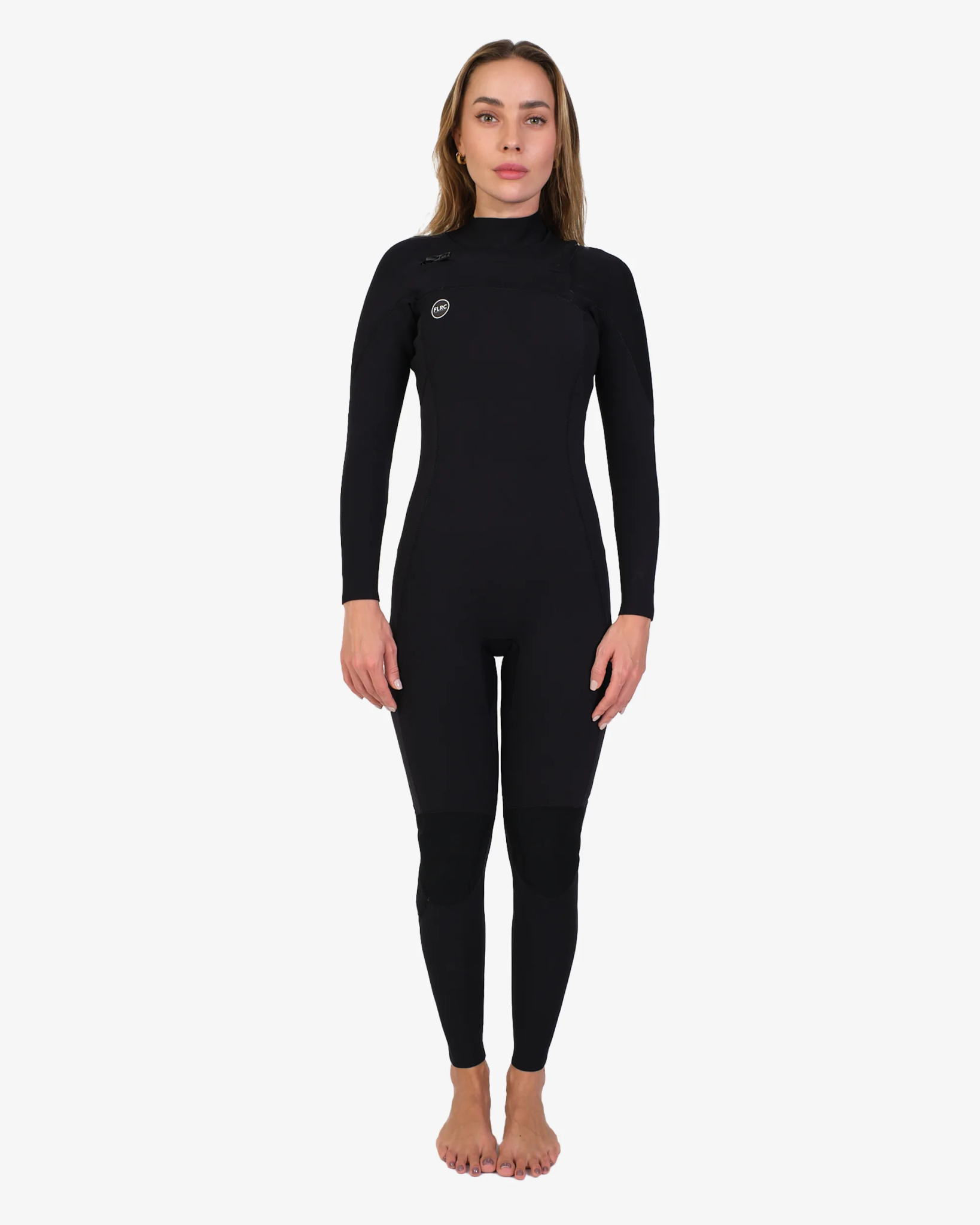
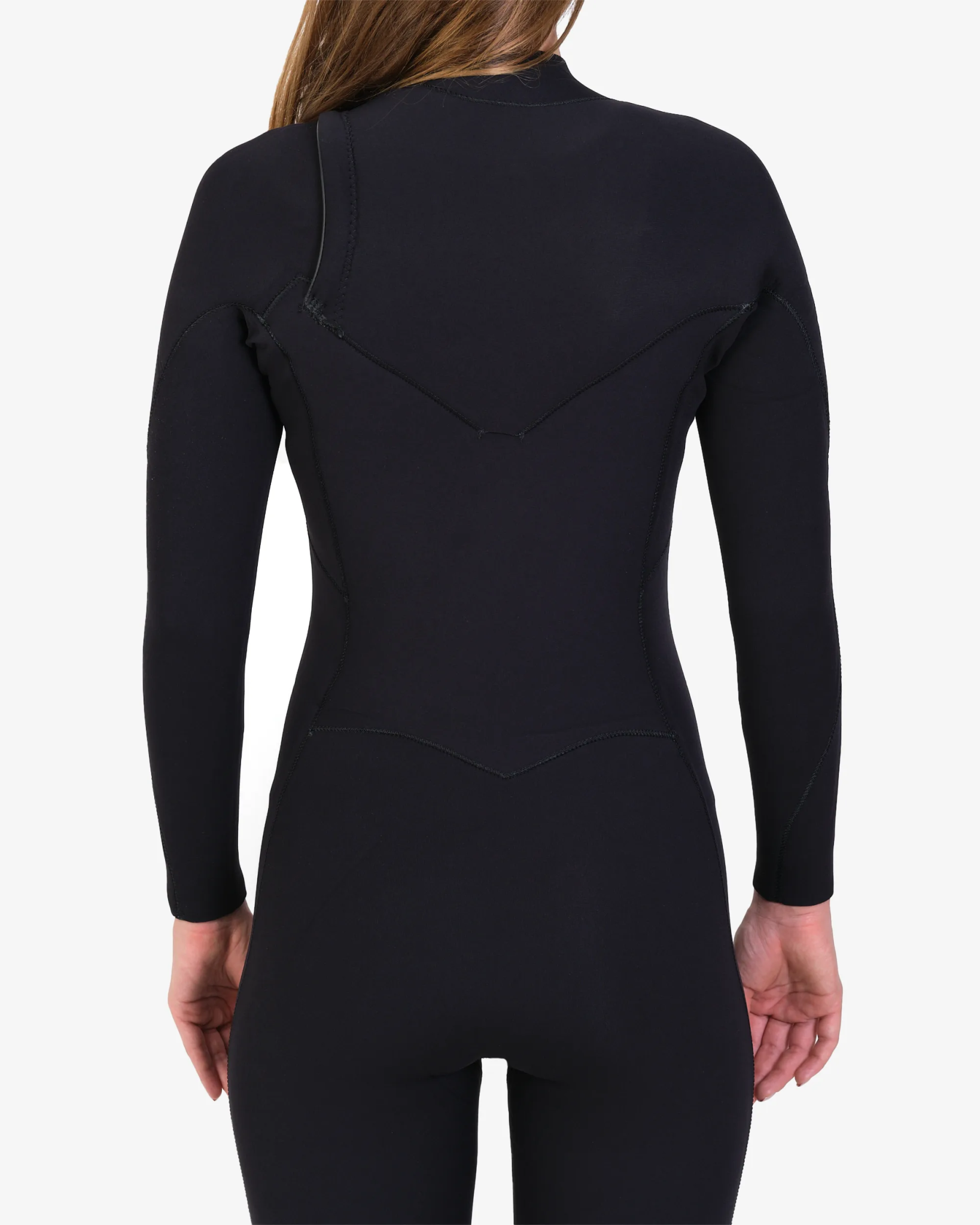
Surf brands also shifted their focus. Companies that had treated women's products as an afterthought began investing in women-specific gear, female athlete sponsorships, and women-led marketing campaigns. Wetsuit designs improved dramatically, with better fits, more size options, and performance features tailored to female bodies. This wasn't just about inclusion; it was about recognising that women surfers were a significant and growing market.
Challenges That Remain
Despite the progress, challenges remain. Women still face harassment in the lineup, particularly at crowded breaks. Online abuse targeting female surfers, especially those who speak out on social issues, remains a persistent issue. And while prize money is equal on the WSL Championship Tour, disparities still exist in lower-tier events, sponsorship deals, and media coverage outside the top tier.
Female surfers also face unique physical challenges that the sport is only beginning to address openly. Conversations about menstrual cycles, pregnancy, and postpartum recovery in professional surfing were largely taboo until recently. Australian surfers like Tyler Wright have been vocal about these issues, pushing for greater understanding and support within the sport.
Looking Forward: The Next Generation
The future of women's surfing in Australia is bright. Young surfers coming through the junior ranks have more opportunities, better coaching, and stronger role models than any previous generation. The infrastructure is in place, the cultural attitudes have shifted, and the industry is finally investing in female talent.
But this progress didn't happen by accident. It happened because Australian women paddled out when they weren't welcome, competed when the prize money was insulting, and demanded recognition when the industry wanted to ignore them. The current generation stands on the shoulders of pioneers like Phyllis O'Donnell, Gail Couper, Pam Burridge, and Layne Beachley. The equal prize money era exists because Tyler Wright, Steph Gilmore, and countless others refused to accept anything less.
Australian women have shaped global surfing culture, not just through their competitive success, but through their refusal to be sidelined. They've proven that women's surfing isn't a secondary category or a novelty. It's part of the sport, and it always has been. The transformation from outliers to world champions is complete, but the work continues. Every session, every competition, and every wave claimed is part of that ongoing story.