

The Sunshine Coast delivers consistent waves, warm water, and uncrowded lineups , it's one of Australia's best surf destinations for a long weekend escape or week-long trip. As of autumn 2026, water temperatures sit around 22-24°C, so you can pack light on neoprene and focus on scoring waves at some of Queensland's most iconic breaks.
We reckon the Sunshine Coast offers the perfect balance: quality surf without the crowds of the Gold Coast, accessible spots for all levels, and enough variety to keep you happy whether you're chasing your first green wave or hunting for barrels. Here's what you need to know to plan your trip.
Why surf the Sunshine Coast?
The Sunshine Coast stretches from Caloundra to Noosa, offering over 100 kilometres of coastline with point breaks, beach breaks, and reef setups. Water temperatures range from 20°C in winter to 26°C in summer, which means a 2mm springsuit or boardshorts year-round. Compare that to Victoria's 12-16°C and you understand why surfers from down south make the pilgrimage north during the colder months.
The region picks up swell from the east and southeast, with consistent 2-4 foot waves most weeks and bigger swells hitting 6-8 feet during cyclone season (November to April). Autumn and winter (May to August) deliver the most reliable conditions: offshore westerlies, clean faces, and less crowd pressure as the Queensland school holidays wind down.
What are the best surf spots on the Sunshine Coast?
Noosa
Best for: Longboarders, intermediate surfers, and anyone chasing a classic Australian point break experience.
Noosa's world-famous right-hand point breaks around the headland from First Point through to Tea Tree Bay. First Point is the most accessible, with long, peeling walls perfect for nose rides and cutbacks. When it's firing, you can link sections from First Point all the way to Tea Tree, riding waves for 200-300 metres. The catch: everyone knows about Noosa. Get there at dawn or be prepared to share.
Best conditions: 3-6 foot swells from the east or northeast, light westerly winds. Mid to high tide works best. Check the forecast and plan around a cyclone swell or solid east coast low for the best chance at quality.
Coolum Beach
Best for: All levels, from beginners to advanced surfers looking for hollow beach breaks.
Coolum offers multiple peaks along a 3-kilometre stretch, so you can usually find your own space. The beach breaks produce fast, punchy waves with the occasional barrel on bigger swells. The northern end near the rocks picks up more swell and can get hollow, while the southern end toward Point Arkwright stays mellow and learner-friendly.
Best conditions: Any east swell, 2-5 feet. Works on most tides but mid-tide usually delivers the cleanest shape.
Mooloolaba and Point Cartwright
Best for: Intermediate to advanced surfers comfortable in reef breaks and faster waves.
Point Cartwright is the standout here: a right-hand reef break that barrels on bigger swells and offers long, workable walls. It's one of the Sunshine Coast's most challenging waves, holding size up to 8-10 feet. The reef setup means you need to know your limits. Mooloolaba Beach sits just south and offers a more forgiving beach break when Point Cartwright is maxing out.
Best conditions: Solid east or southeast swells, 4-8 feet, light winds. Low to mid-tide for the reef, higher tide for the beach.
Kings Beach, Caloundra
Best for: Beginners and intermediates, families, and surfers looking for a sheltered, consistent wave.
Kings Beach sits in a protected bay, making it one of the most consistent spots when other beaches are blown out. The waves stay small and friendly, rarely exceeding 3-4 feet, with a sandy bottom and forgiving shape. It's ideal for learning or for a cruisy session when the swell is too big elsewhere.
Best conditions: Any east swell, 2-4 feet. Works on all tides and handles onshore wind better than exposed beaches.
Where should you stay on the Sunshine Coast?
Your accommodation choice depends on what you're chasing. Noosa offers the most amenities, dining, and nightlife but comes with higher prices and bigger crowds. Coolum and Mooloolaba sit in the middle: walkable towns with cafes, surf shops, and easier parking. Caloundra is the quietest and cheapest option, perfect if you want a low-key base.
For surfers prioritising wave access, we'd stay in Coolum or Mooloolaba. You're central to multiple breaks, parking is easier than Noosa, and you can check conditions at several spots within a 10-minute drive. Airbnb and holiday apartments are plentiful, with weekly rates dropping outside school holidays.
Camping is also an option. Sites near Coolum and Marcoola offer budget-friendly stays with beach access, though you'll need a car to move between spots. Check out our guide to camping near surf beaches for tips on what to bring and how to set up a surf-focused camp trip.
What gear should you pack for Sunshine Coast surf?
Queensland water in autumn and winter sits around 20-22°C, climbing to 24-26°C in summer. That means you can leave the thick wetsuit at home. Here's what we recommend packing:
Wetsuits and sun protection
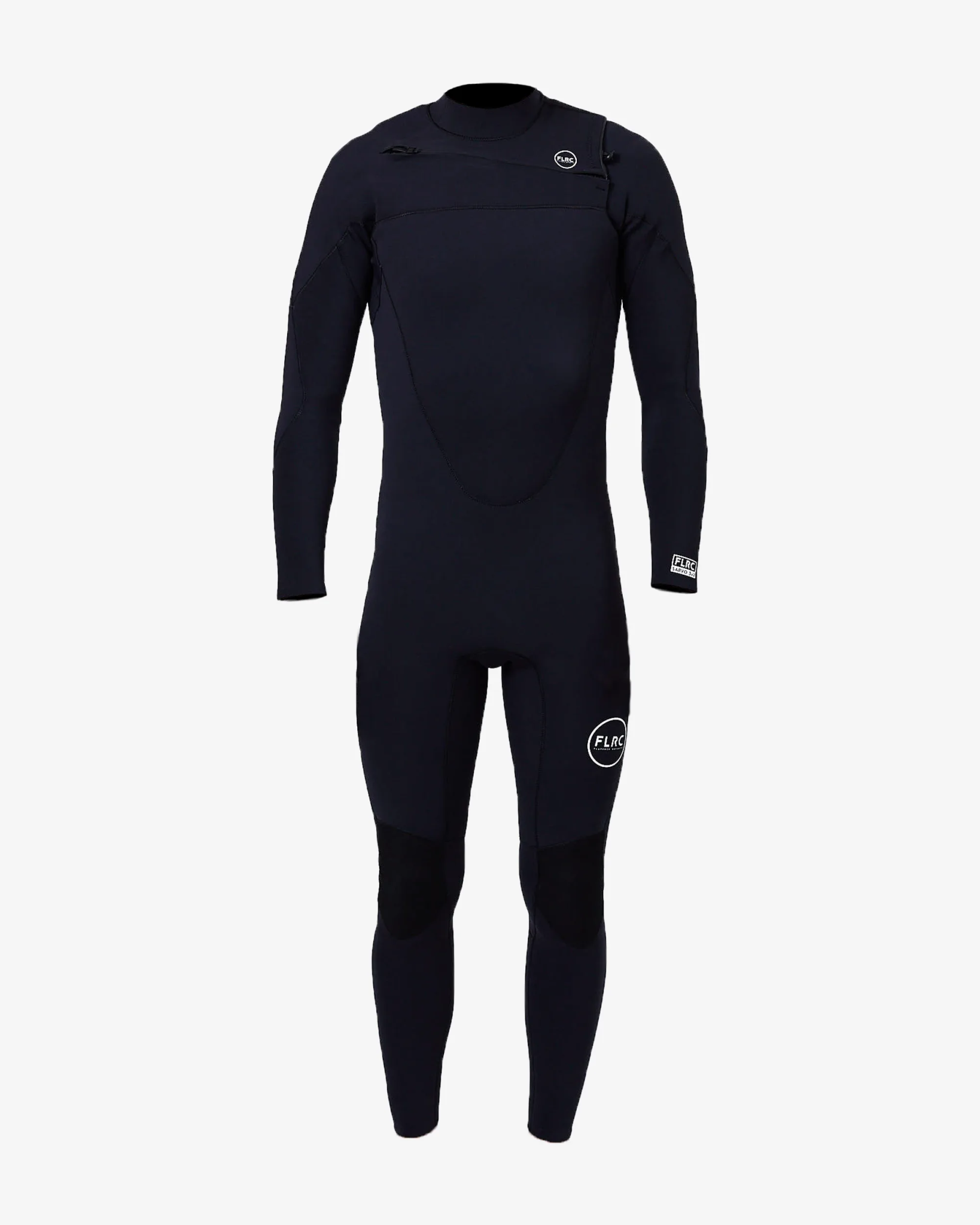
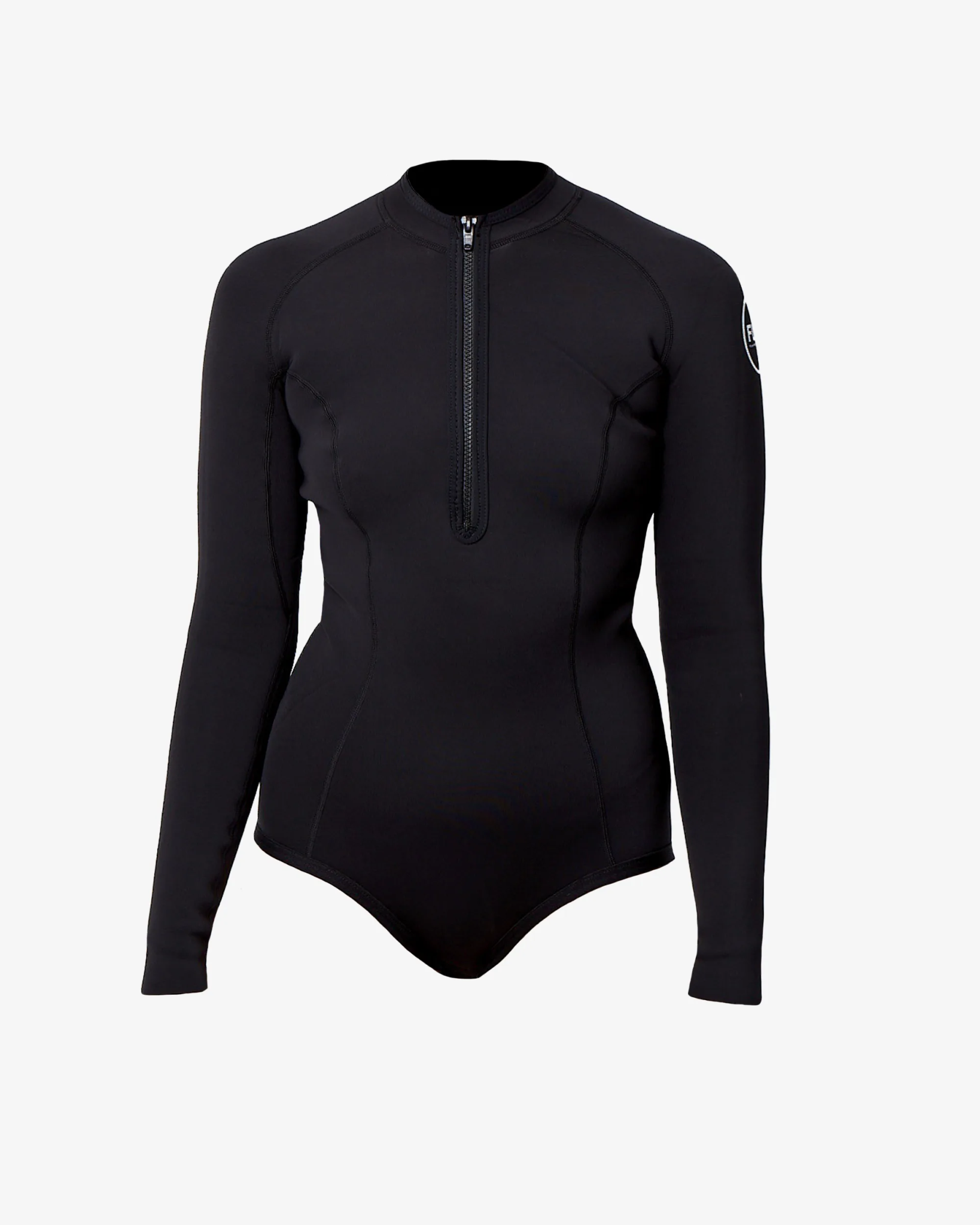
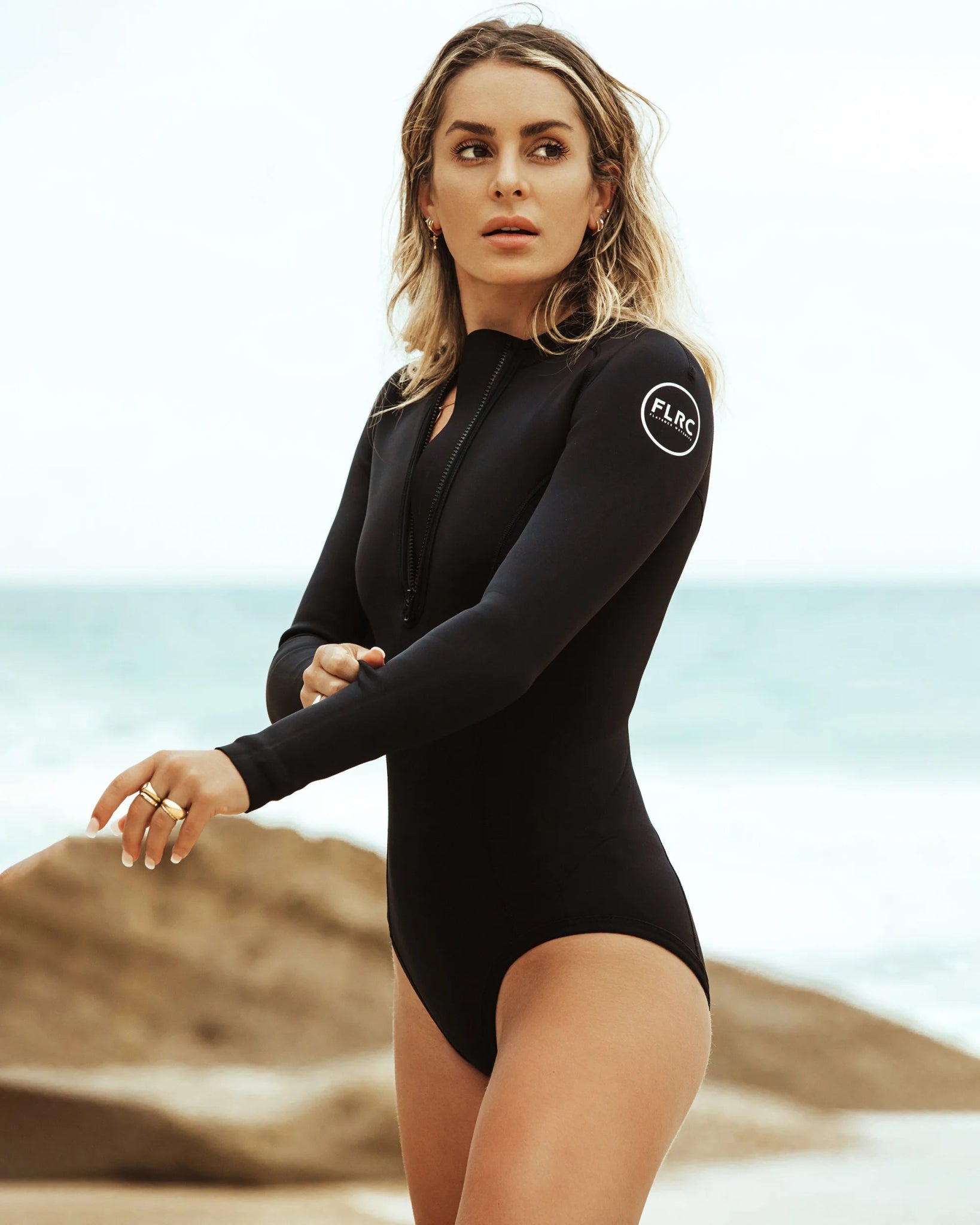
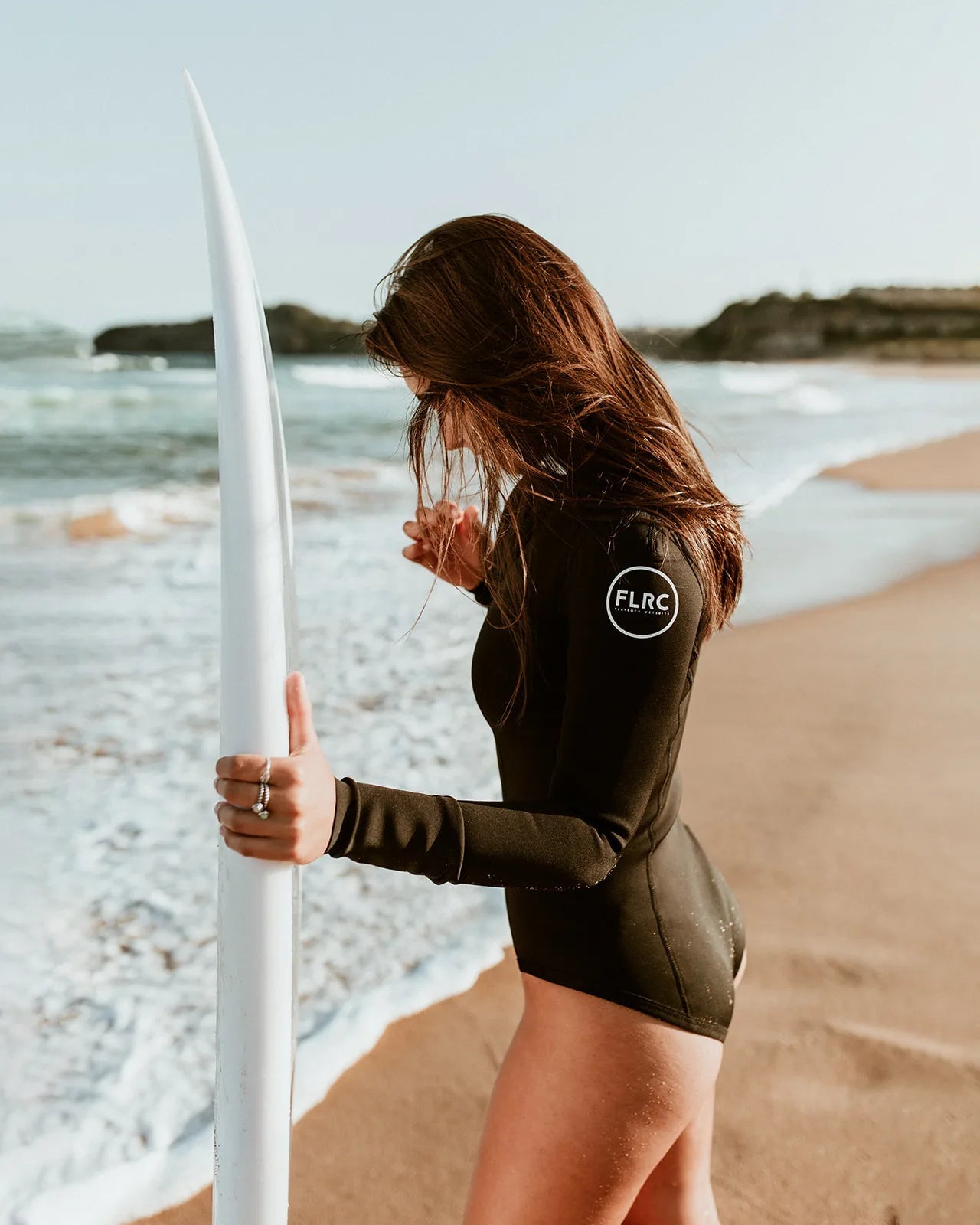
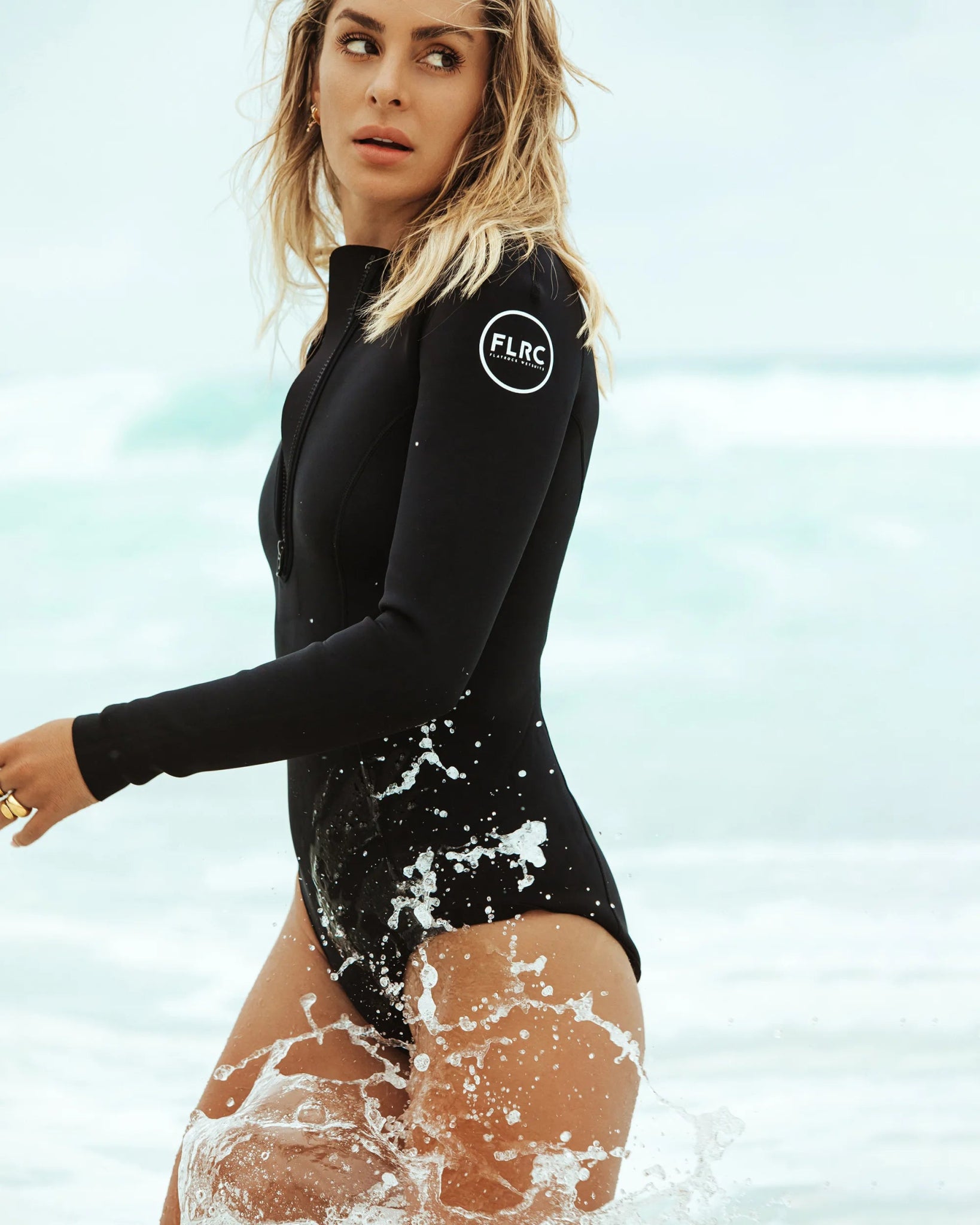
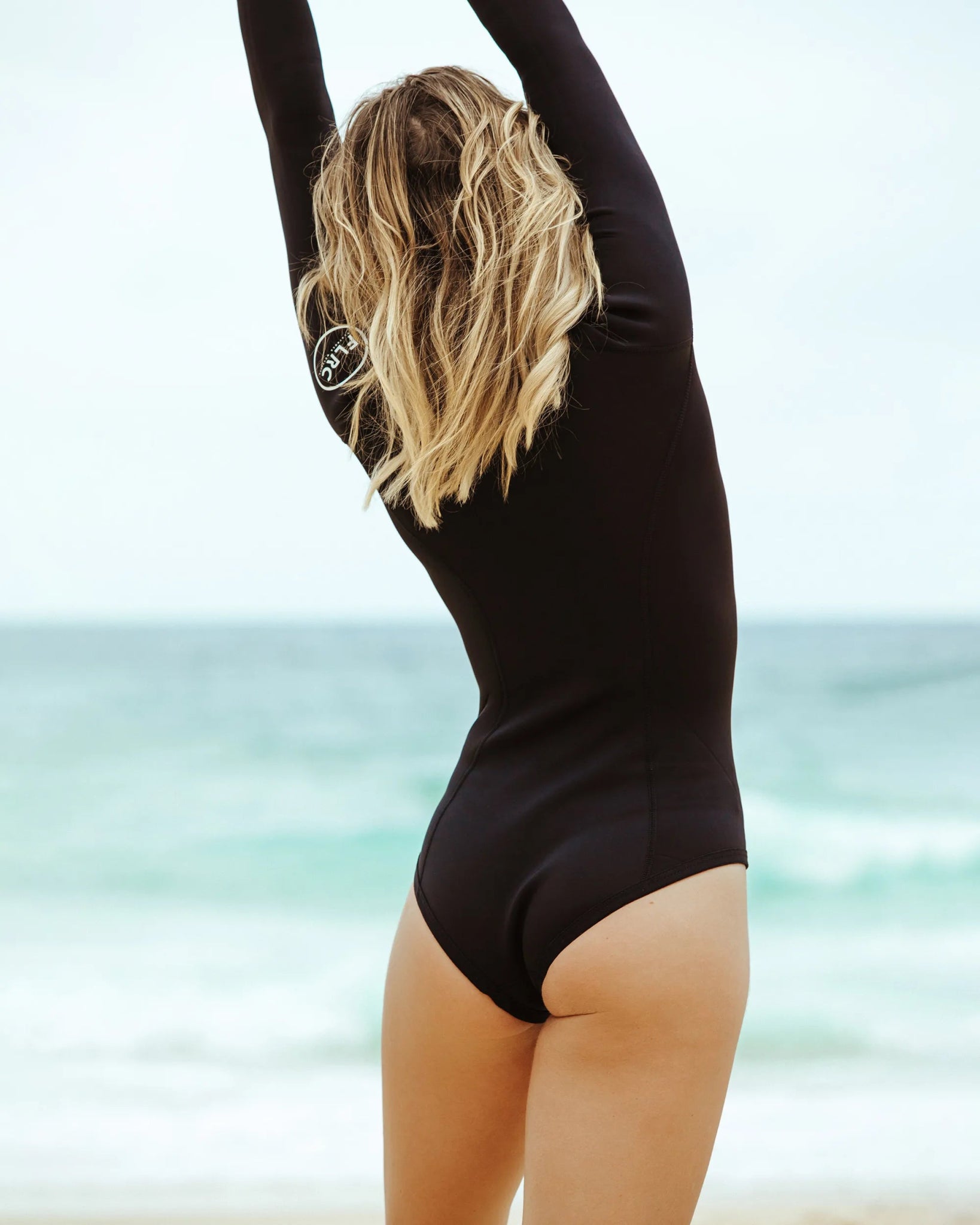
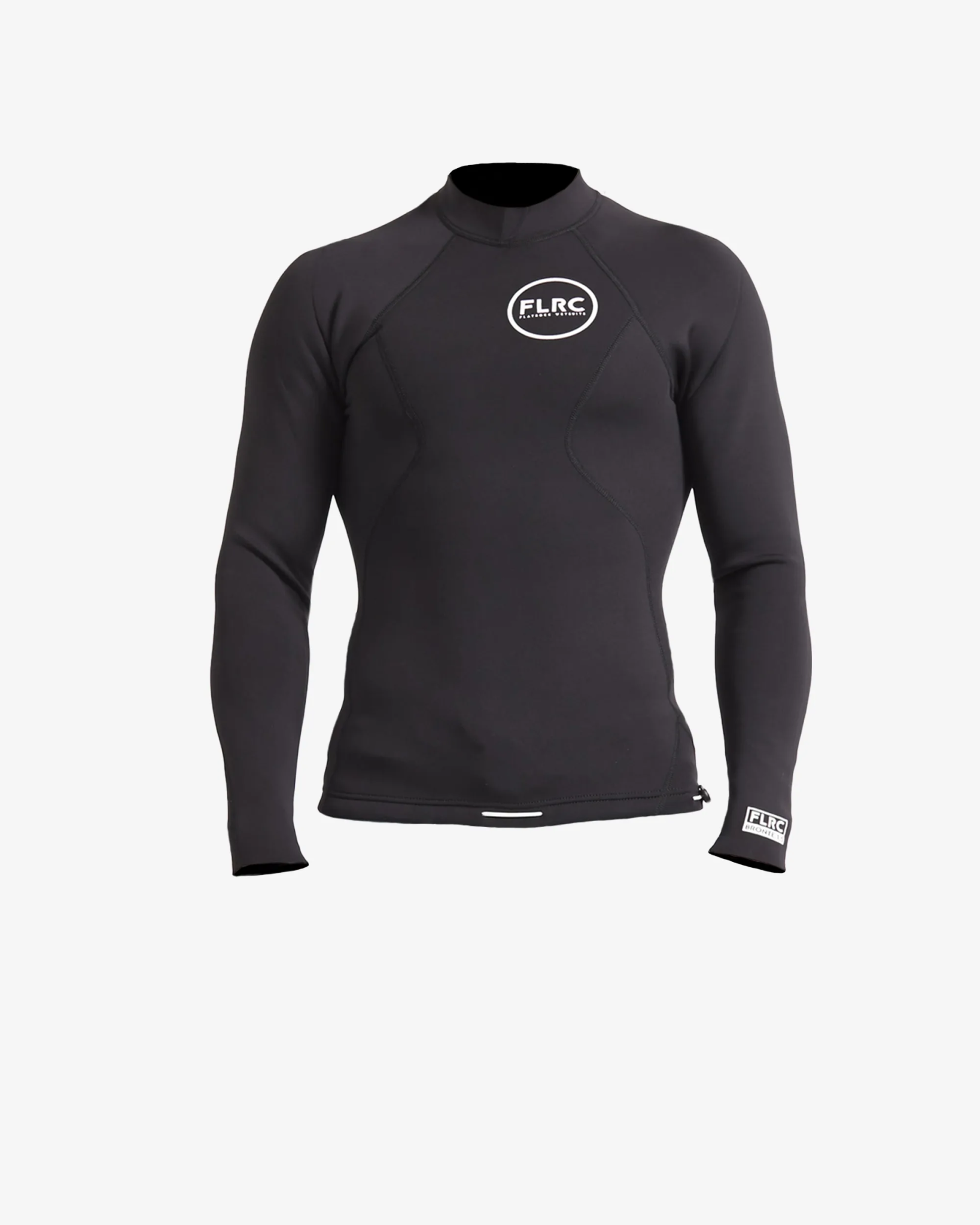
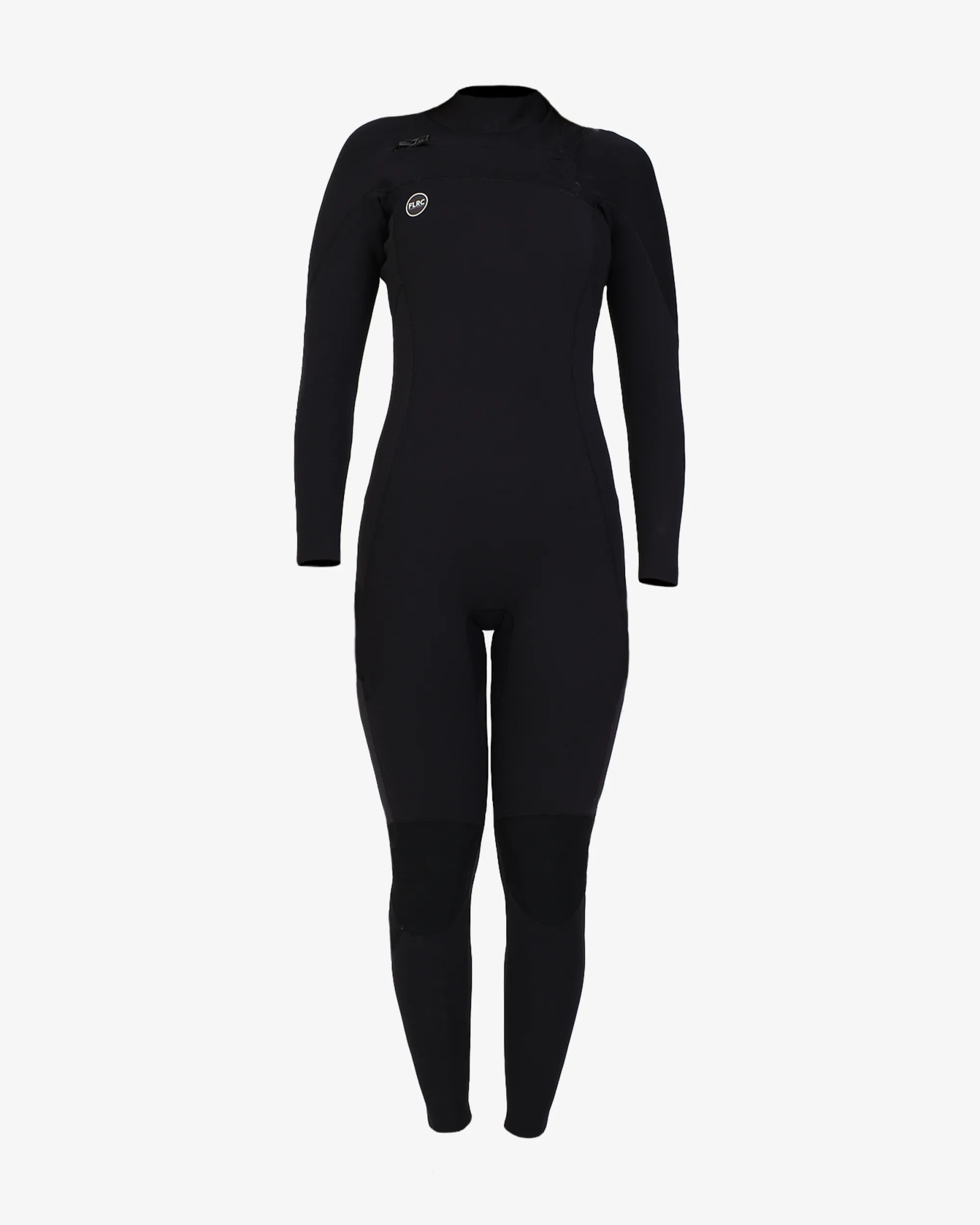
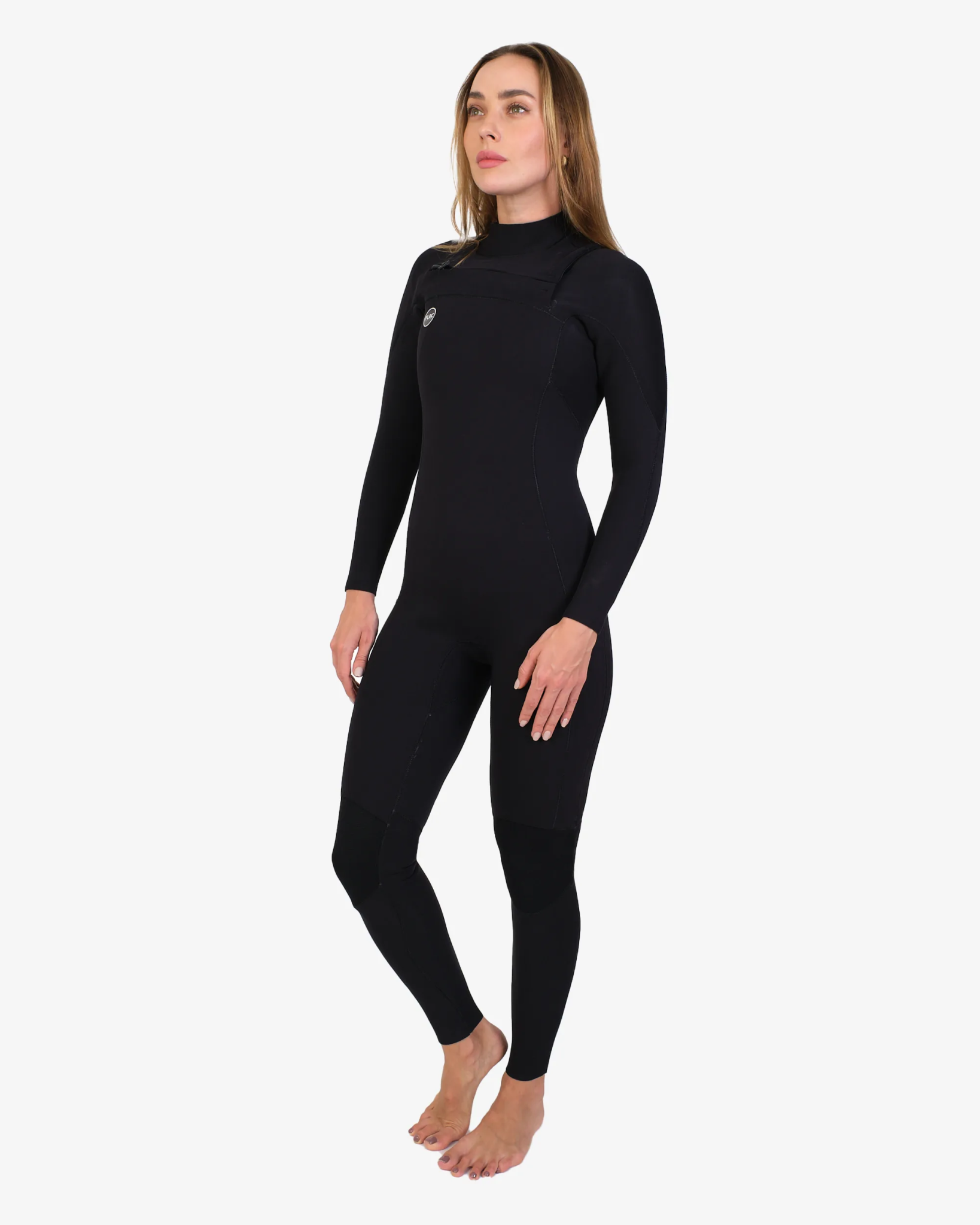
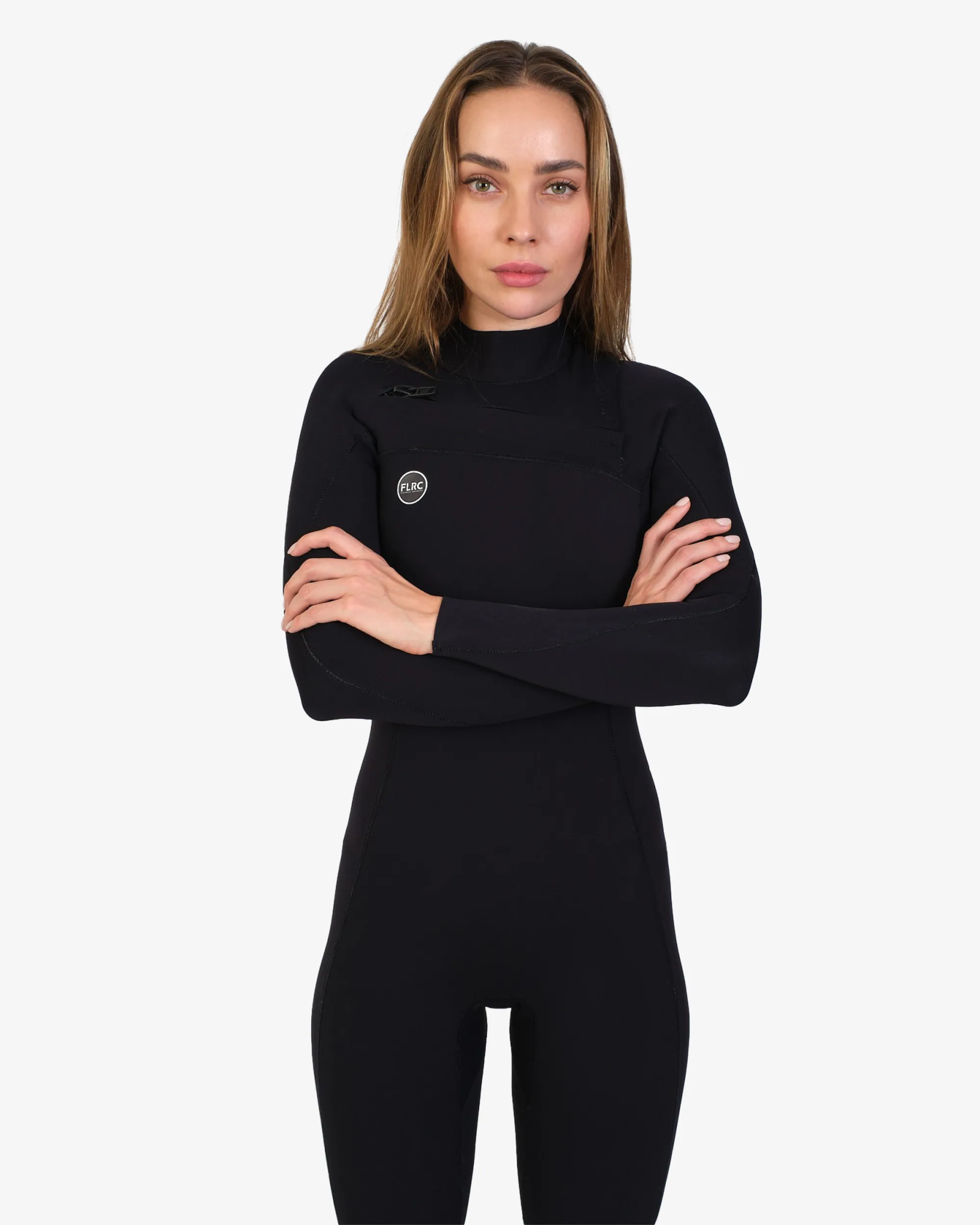
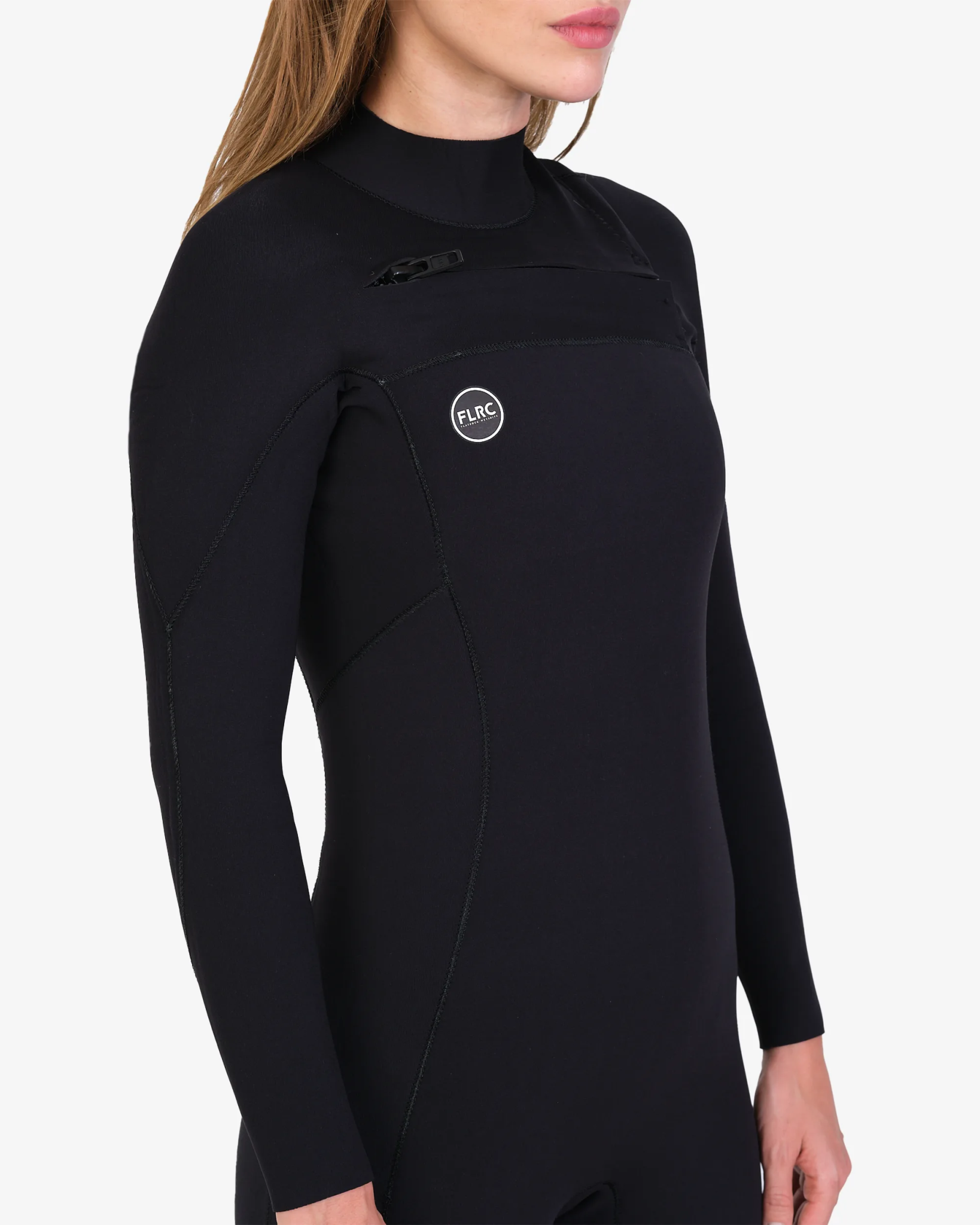
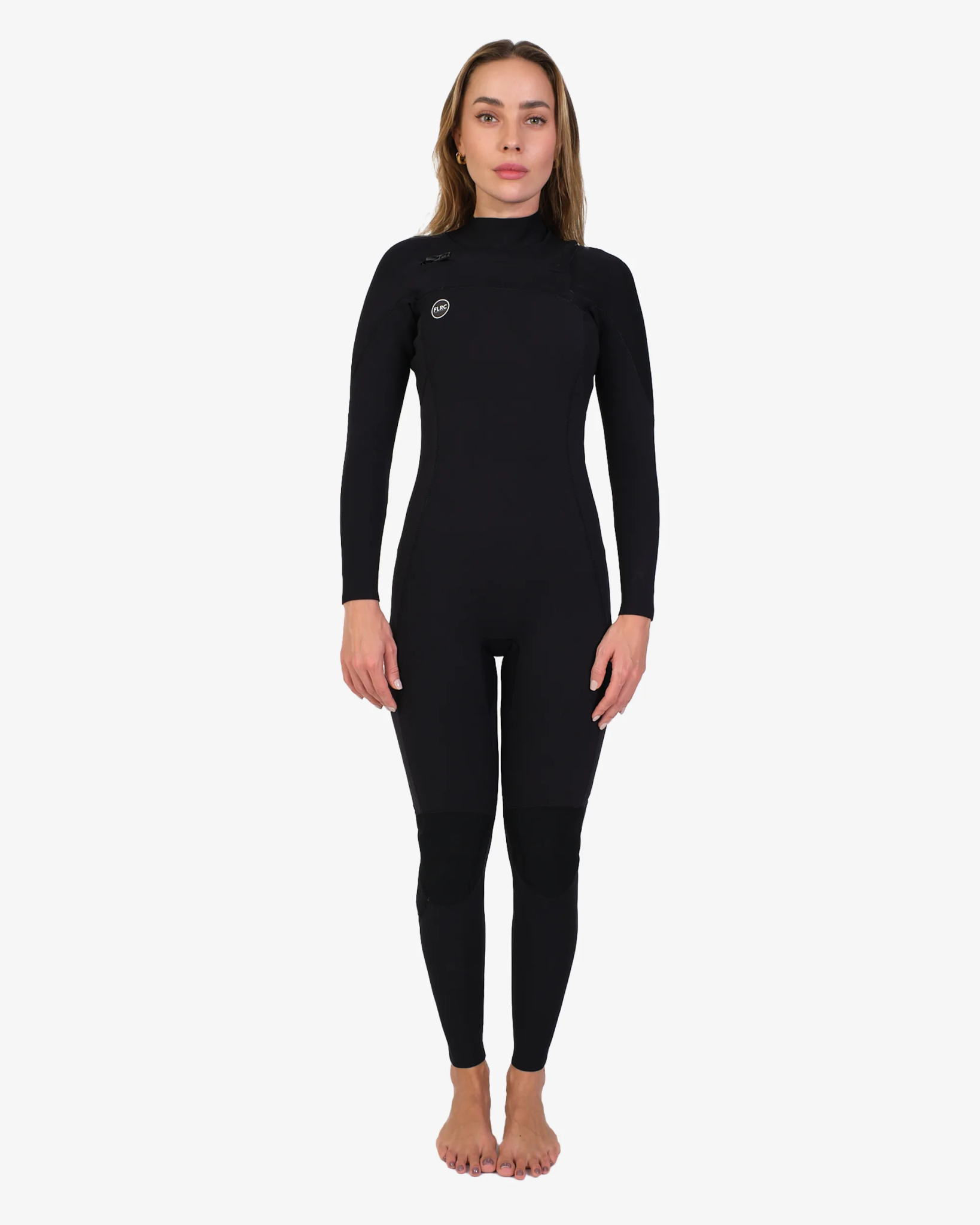
A 2mm springsuit or shorty covers most conditions year-round. If you run cold or you're surfing early morning sessions in winter, a 2mm fullsuit works. Summer surfers can get away with boardshorts or a rashie for sun protection. Don't underestimate Queensland sun , UV levels hit extreme even in winter. A long-sleeve rashie under your springsuit or worn solo in boardshorts is worth packing.
Unsure which wetsuit thickness suits your home break versus the Sunshine Coast? Check our wetsuit thickness guide for Australia for a full breakdown by region and season.
Boards
Bring at least two boards if you have the space: a daily driver for 2-4 foot surf and something for when it gets bigger. A 6'0" to 6'6" shortboard covers most Sunshine Coast conditions for intermediate to advanced surfers. Longboarders will want a 9'0" or longer, especially if Noosa is on the itinerary. The point breaks reward smooth, drawn-out turns and nose rides.
If you're flying up and can only bring one board, go with your most versatile option: something with enough paddle power for small days but performance-oriented enough to handle overhead surf. A fish or hybrid shape works well here.
Accessories
Pack a spare leash, wax (tropical or warm water formula), a basic ding repair kit, and reef booties if you plan to surf Point Cartwright or other reef breaks. A car roof rack or soft racks are essential if you're hiring a vehicle. Sunshine Coast surf shops stock what you need, but bringing spares saves time and money.
If you've ever been caught unprepared on a surf trip, you'll relate to this guide on what surfers wish they'd packed. The same principles apply: plan for two or three sessions per day, bring backups, and don't assume you'll find what you need locally.
How do you plan a long weekend versus a week-long trip?
A long weekend (3-4 days) works best if you're flying from Sydney, Melbourne, or Brisbane. Focus on one or two spots rather than trying to surf the entire coast. Base yourself in Coolum or Mooloolaba, surf mornings and late arvos, and use the middle of the day to explore, eat, or rest. You'll get 6-8 sessions in across a long weekend if conditions cooperate.
A week-long trip lets you explore the full coast, chase swells, and take rest days without feeling rushed. Spend two or three days in Noosa, then shift south to Coolum or Mooloolaba for the second half. Check the forecast daily and move to wherever the swell and wind are lining up. A week gives you the flexibility to score the best conditions rather than being locked into one location.
What's the best time of year to surf the Sunshine Coast?
Autumn (March to May) and winter (June to August) offer the most consistent surf and the lightest crowds. Cyclone season (November to April) can deliver epic swells but also brings humidity, afternoon storms, and crowded lineups during school holidays. Spring (September to November) sits in between: warming water, inconsistent swells, and variable winds.
As of May 2026, we're in the sweet spot: water temps around 22°C, clean offshore mornings, and fewer tourists. If you're sick of pulling on a 4/3mm wetsuit down south, now's the time to book a Sunshine Coast trip.
What else should you know before you go?
Respect the locals. The Sunshine Coast has a tight-knit surf community, and dropping in or snaking waves won't win you friends. Noosa in particular operates on an unspoken hierarchy: wait your turn, don't paddle inside, and acknowledge good waves with a nod or a hoot.
Check the forecast daily and be flexible. The Sunshine Coast relies on east swells and offshore winds. South swells barely reach this far north, and northerlies blow out most spots. Use Swellnet, Coastalwatch, or Surfline to track approaching swells and plan your sessions.
Bring cash for parking. Most beach car parks charge $5-10 per day, and not all accept card. Meters get checked regularly, especially in Noosa.
Frequently asked questions
What wetsuit thickness do I need for the Sunshine Coast?
A 2mm springsuit or shorty covers most Sunshine Coast surfing year-round, with water temperatures ranging from 20°C in winter to 26°C in summer. If you run cold or you're out early in winter, a 2mm fullsuit does the job. For detailed recommendations by region and season, check our wetsuit thickness guide for Australia.
Is Noosa good for beginner surfers?
Noosa's First Point works for confident beginners on smaller days, but the crowd and point break setup can be intimidating. Kings Beach or the southern end of Coolum Beach offer more beginner-friendly conditions with less pressure.
Can you surf the Sunshine Coast in summer?
Yes, but summer brings inconsistent swells, onshore winds, and larger crowds during school holidays. Autumn and winter deliver more reliable conditions with offshore mornings and cleaner surf.
How far is the Sunshine Coast from Brisbane?
The Sunshine Coast is approximately 100 kilometres north of Brisbane, about a 90-minute drive to Caloundra or two hours to Noosa depending on traffic.
Do you need a car to surf the Sunshine Coast?
A car makes life much easier, letting you chase conditions and move between spots. Public transport exists but is limited, and rideshares to surf breaks add up quickly over a week-long trip.