

The 160km stretch of coastline between Sydney and Newcastle holds some of New South Wales' most underrated surf. While everyone flocks to Bondi or chases the Gold Coast, this coastal corridor offers consistent waves, proper beach breaks, and reef setups that reward surfers willing to explore. Throw in legal camping spots right near the sand, and you've got the perfect weekend escape.
Autumn (March to May) is the sweet spot for this trip. The water's still warm enough for a 3/2 wetsuit, the northeasterly swells are firing, and the crowds have thinned out as summer tourists head home. You'll score waves without fighting for position, camp without booking months ahead, and surf multiple breaks in a day without the summer traffic chaos.
This guide covers the surf spots worth stopping for, where to legally pitch a tent, what swell and wind conditions work best for each break, and how to plan your timing so you're surfing the right spot at the right tide. No fluff, just the practical details you need to make it happen.
Planning Your Route and Timing
The Sydney to Newcastle coastal route splits into two main roads. The Pacific Motorway (M1) runs inland and gets you there fast. The coastal route threads through towns and national parks, taking twice as long but putting you right next to the surf. For a surf trip, take the coastal road north and the motorway back if you're tight on time.
Most surfers knock this out over a long weekend: Friday arvo departure from Sydney, Saturday and Sunday surfing and camping, Monday return. That gives you time to hit 4-5 breaks properly without rushing. If you've got a full week, you can slow right down, surf morning and afternoon sessions, and really work each break as conditions change.
Autumn offers the most consistent swell window. March through May sees regular 3-6ft easterly and northeasterly swells, water temps between 19-22°C, and lighter winds than summer. April is the pick of the bunch: consistent swell, warm enough water, minimal crowds, and stable high-pressure systems that deliver clean conditions for days at a stretch.
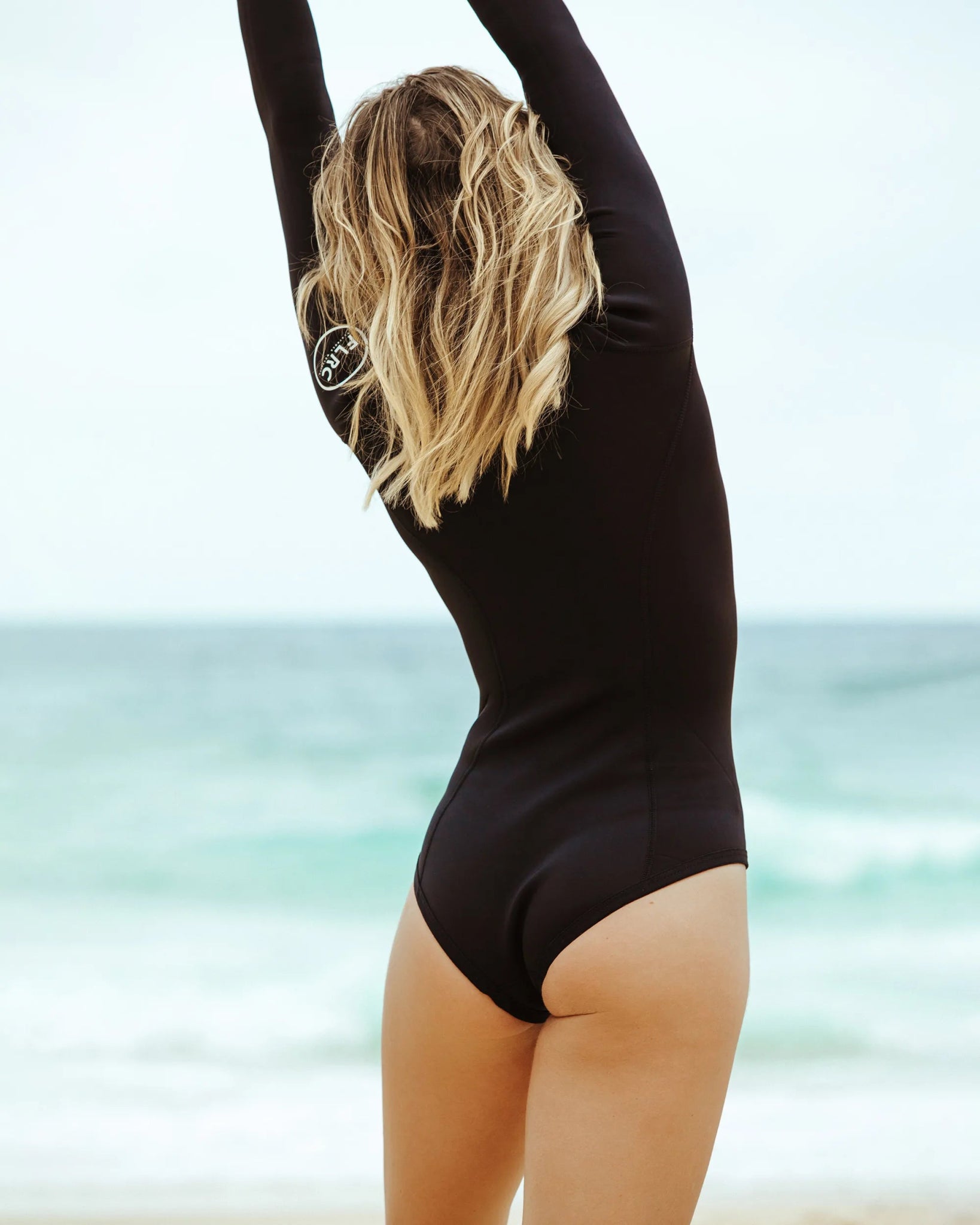
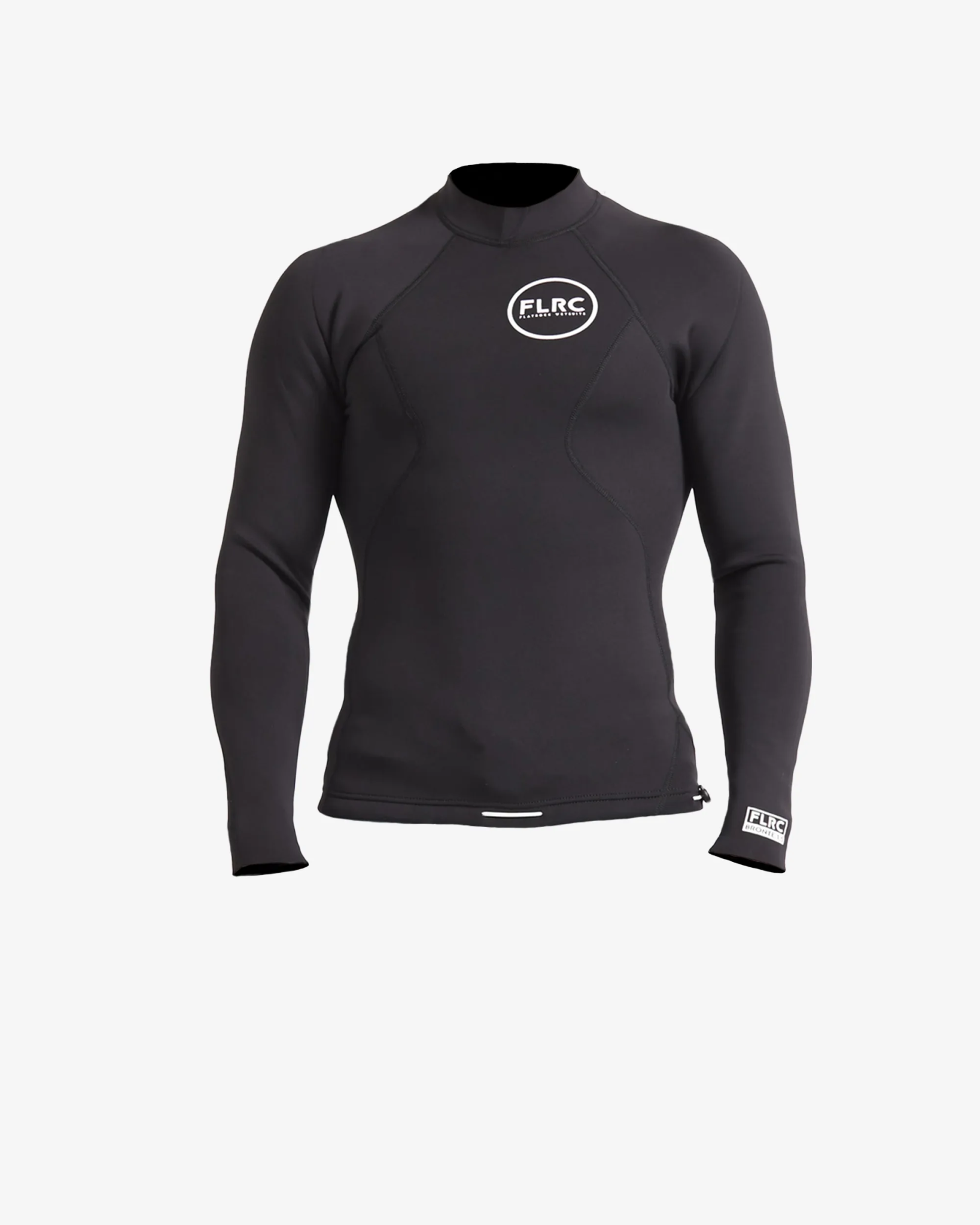
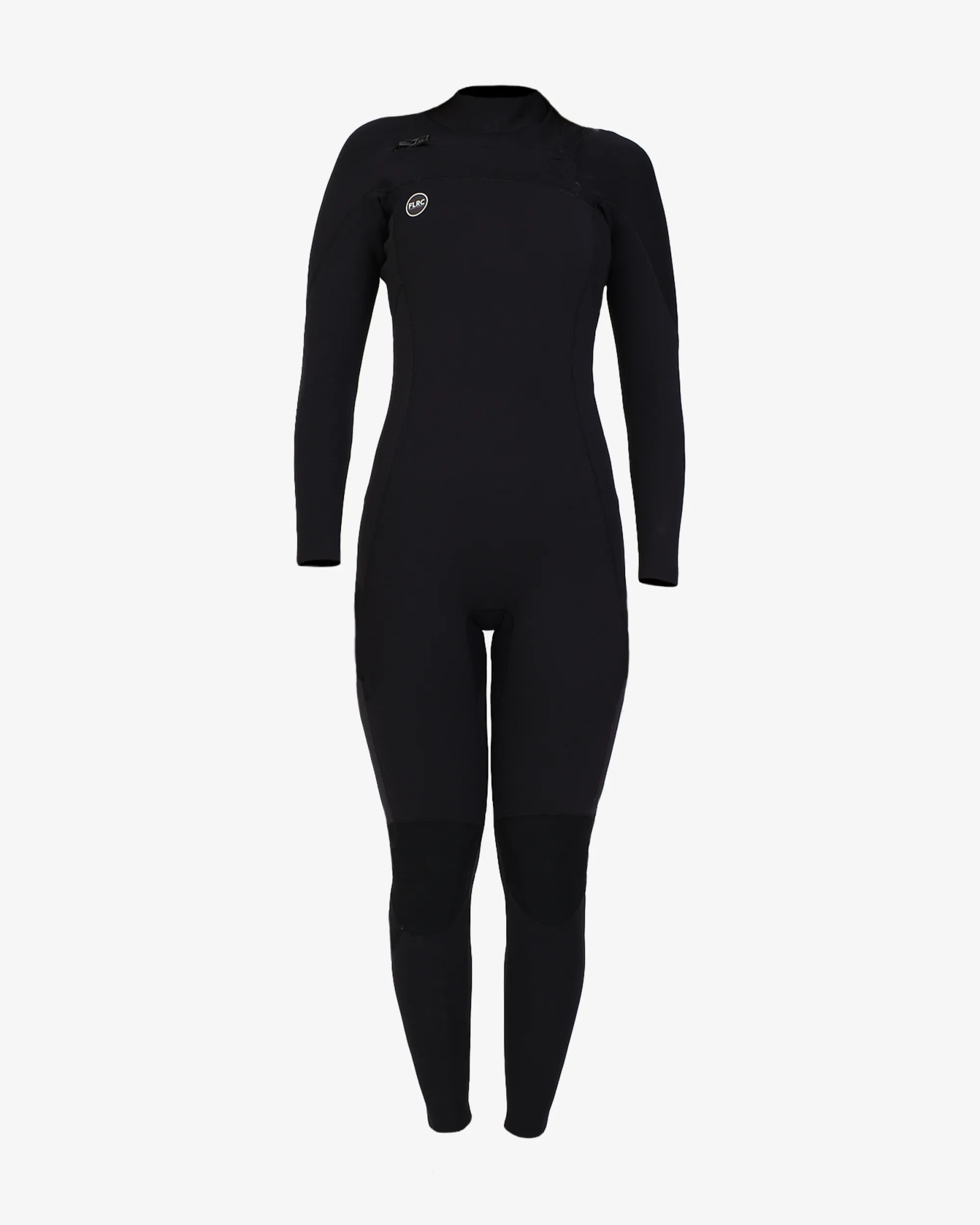
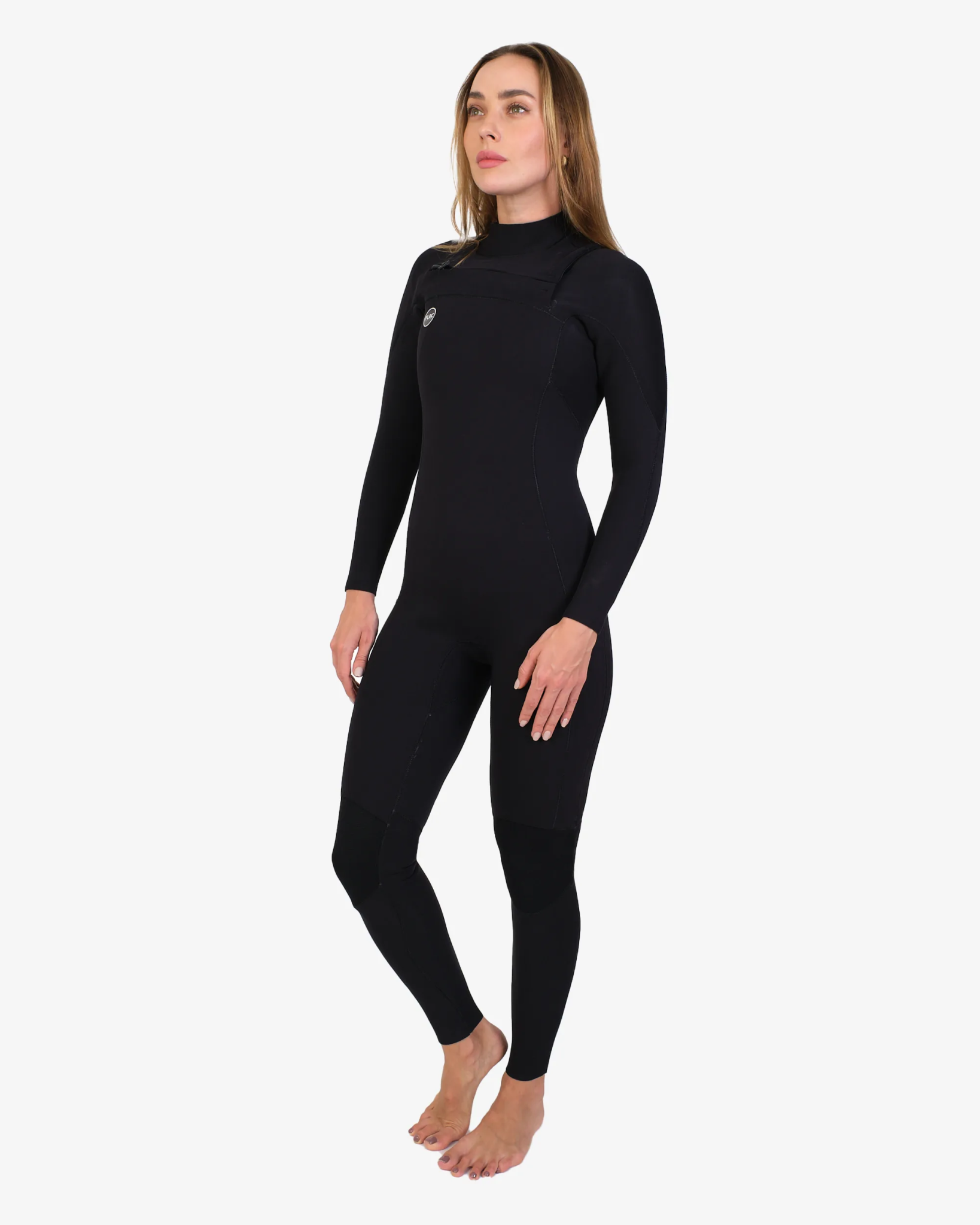
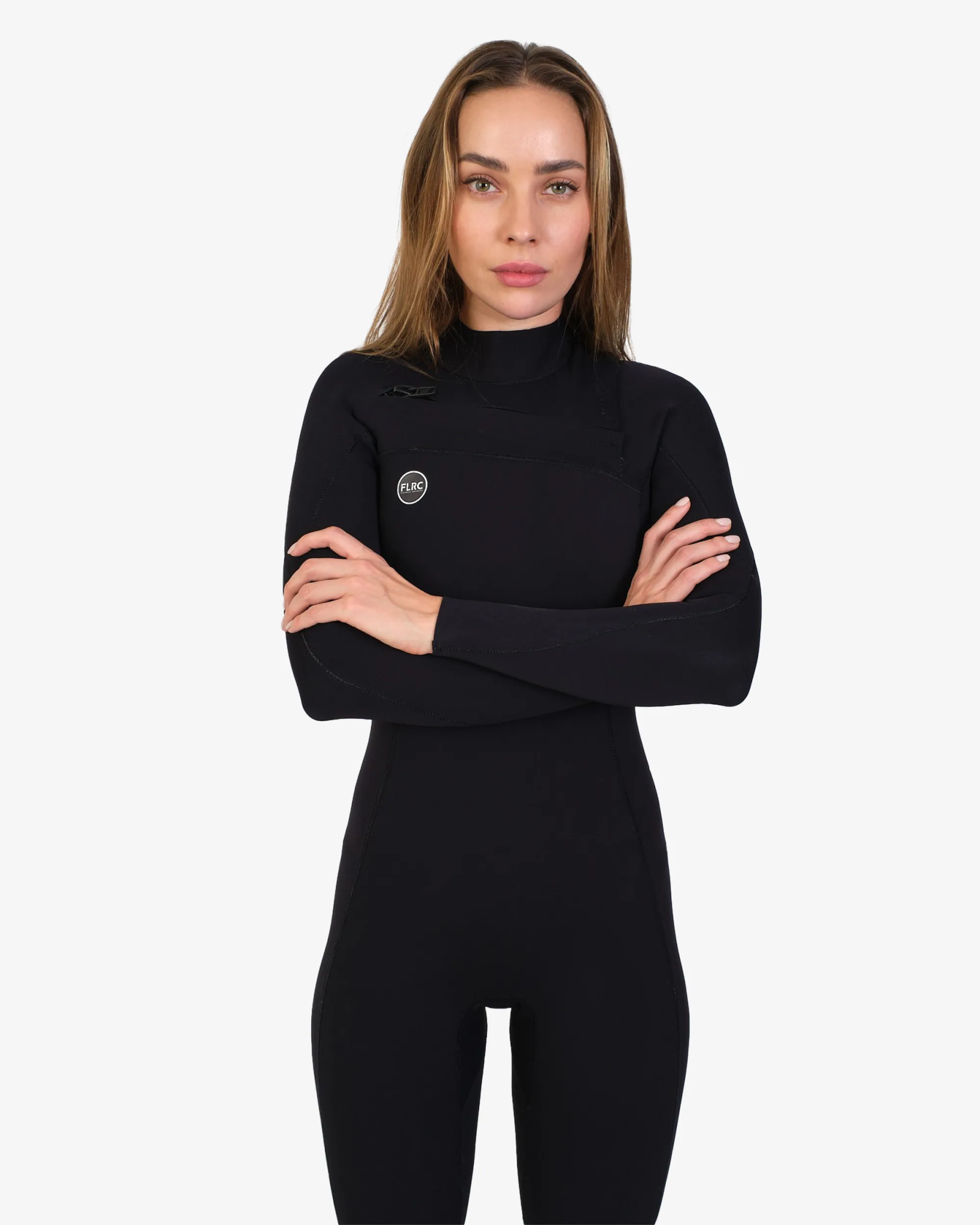
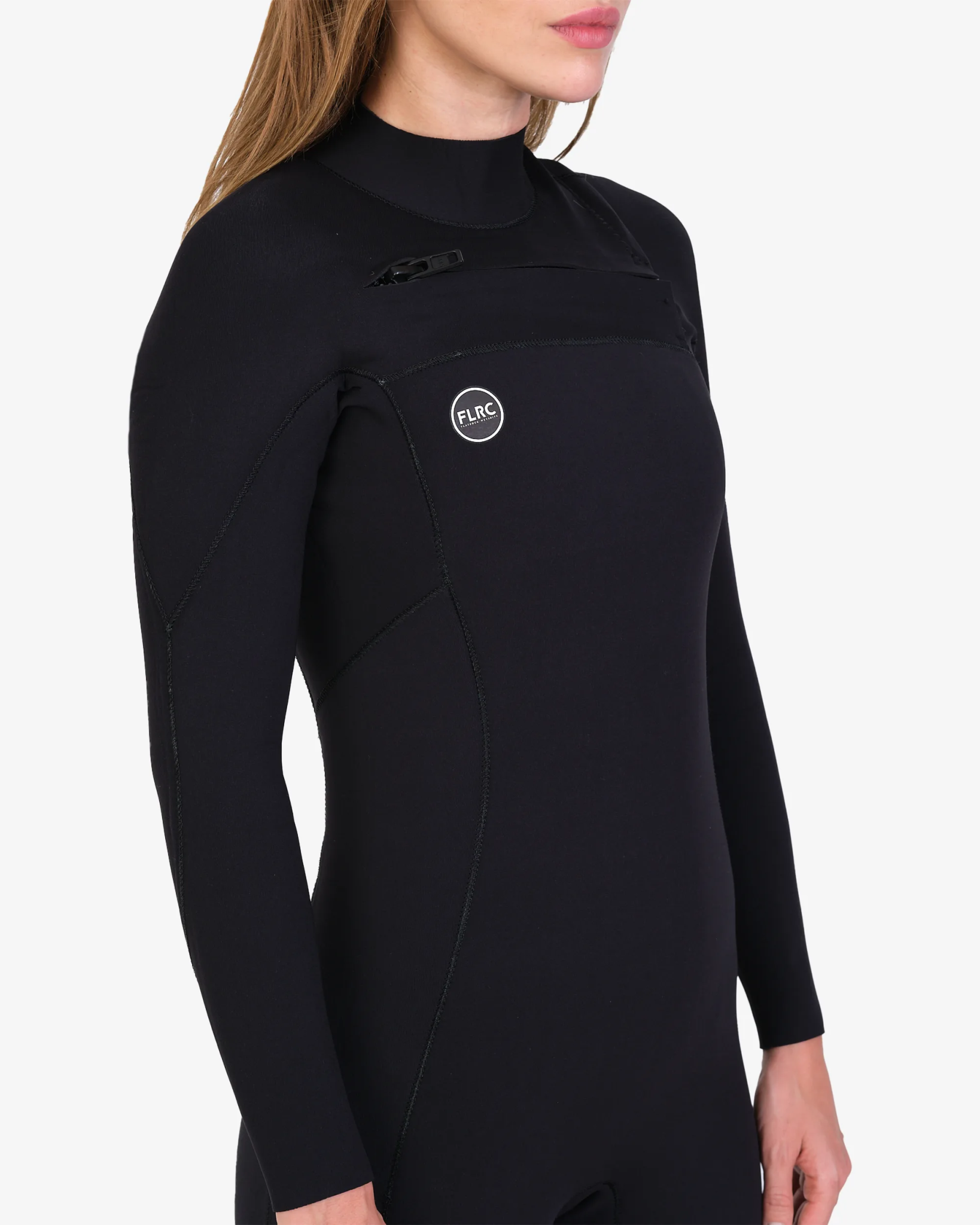
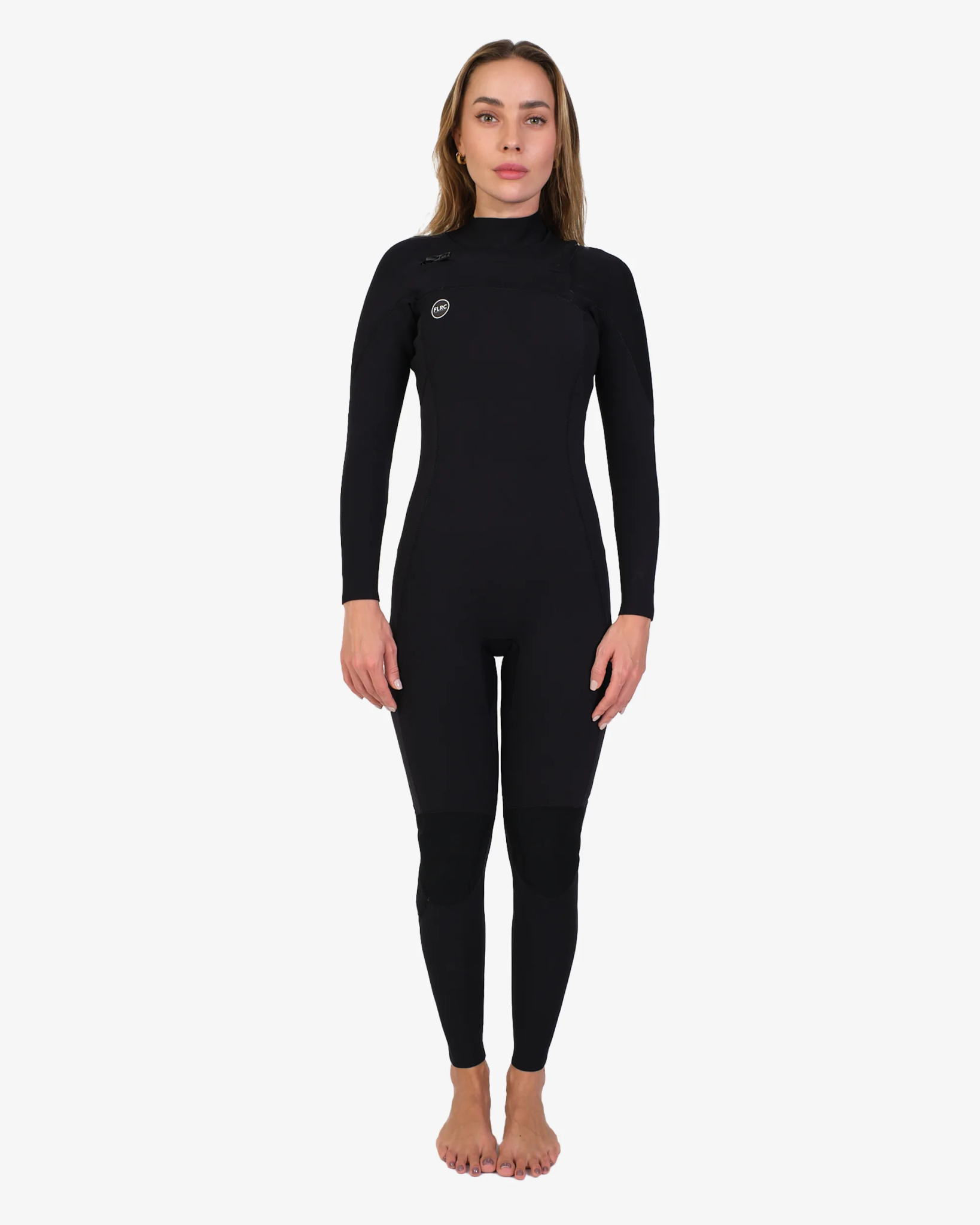
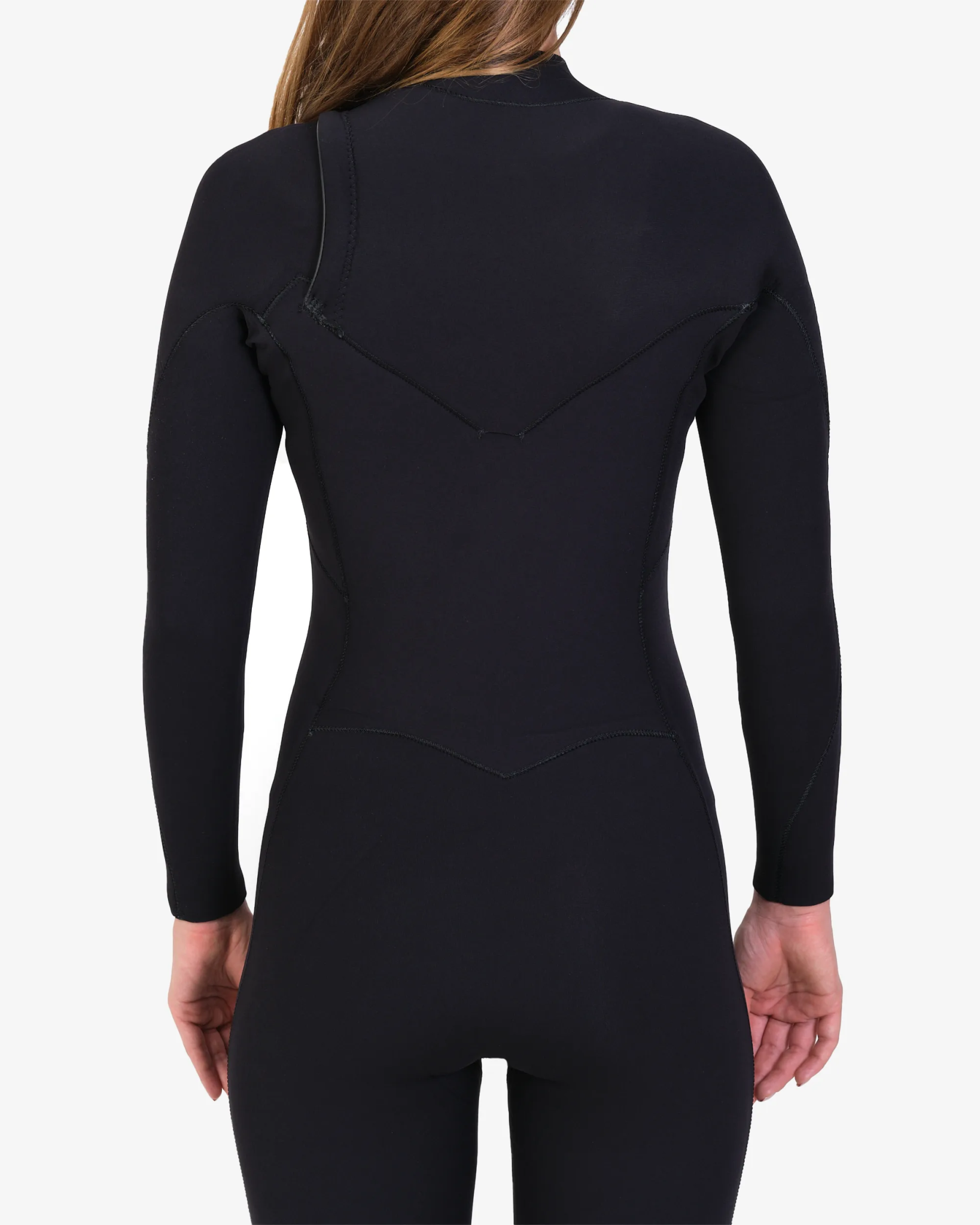
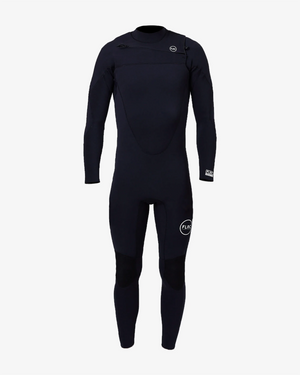
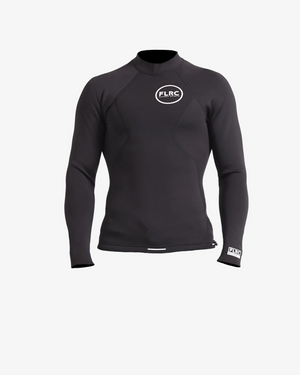
Pack a 3/2mm wetsuit as your primary, with a spring suit or boardshorts as backup if you score a warm spell. Bring boards for beach breaks: a shortboard for punchy days, a fish or mid-length for the mushier setups. Most breaks along this stretch work best around mid tide, so check the tide charts and plan your stops accordingly.
Mona Vale: First Stop North of Sydney
Mona Vale sits 28km north of Sydney CBD, right at the beginning of the Northern Beaches run. It's a proper beach break with a rocky headland on the southern end that creates a semi-protected corner when northeasterly winds blow. The main peak in the middle of the beach handles bigger swells without closing out, making it a solid option when everywhere else is maxed out.
The break works on all tides but really comes alive on the push from low to mid. Easterly and northeasterly swells between 3-6ft are ideal. Anything under 2ft and it mushrooms out. Over 8ft and you're better off heading to the more protected spots further north. Light westerly or northwesterly winds in the morning groom it perfectly.
Camping isn't an option at Mona Vale itself, but it makes a good first surf stop to blow out the city cobwebs before heading up the coast. Hit it early on Saturday morning before the northeasterly wind picks up, then continue north to where you can actually camp.
Wave Characteristics
Mona Vale offers lefts and rights off the main peak, with the southern corner providing a longer left when the swell has north in it. The takeoff is punchy but manageable for intermediate surfers. The wave face stays open through the middle section before softening as it approaches the shore break. On smaller days (2-3ft), it's perfect for practicing turns and building confidence. When it's 4-6ft and clean, you'll get proper barrels on the inside section.
Avoca Beach: The Central Coast Workhorse
Avoca Beach, 90km north of Sydney, is where this trip really begins. It's a consistent, high-quality beach break that picks up more swell than the Sydney beaches and holds shape in a wider range of conditions. The break splits into distinct sections: North Avoca offers protection from southerly winds, the middle provides the most consistent peaks, and South Avoca works best on bigger swells.
The beach faces almost due east, so it cops every bit of easterly and northeasterly energy in the water. Swells from 2-8ft all produce rideable waves here, though 3-5ft is the sweet spot. Low to mid tide is prime time, especially on the northern end. High tide tends to fatten things out unless there's serious swell.
North Avoca Beach Holiday Park sits right behind the dunes, 200 metres from the sand. Powered and unpowered sites available, hot showers, and you can hear the waves from your tent. Book ahead for weekends, but weekday spots usually open up. Alternatively, free camping exists at Frazer Park in nearby Glenrock, though it's a 10-minute drive to the beach.
When to Surf Avoca
Dawn sessions at Avoca are magic in autumn. The offshore westerly or northwesterly winds haven't switched onshore yet, the water's glassy, and you'll have peaks to yourself before the locals hit the water at 7am. The middle section of the beach offers the most consistent peaks, but check the northern corner first, especially if there's any south in the swell or wind.
If Avoca looks too big or messy, Copacabana Beach sits just 3km south and offers more protection. It's smaller and slower, but on maxed-out days it's your best backup option.
Spoon Bay (Caves Beach): The Hidden Reef
Spoon Bay, locally called Caves Beach, sits between Swansea and Catherine Hill Bay, about 25km south of Newcastle. This is a proper reef break that works on bigger swells and offers a completely different vibe from the beach breaks. It's less consistent than Avoca but delivers far better quality when conditions align.
The reef setup creates a defined left-hand point break that holds size and offers long, workable walls. It needs at least 4ft of easterly or northeasterly swell to start working, and really lights up at 5-7ft when beach breaks close out. The takeoff zone is well-defined, making positioning straightforward once you've watched a few sets. Light westerly or southwesterly winds are essential as the break sits in a relatively exposed bay.
No camping directly at Caves Beach, but Belmont (10km south) has several caravan parks, and Blacksmiths Beach (5km south) offers beachside camping at Blacksmiths Beach Holiday Park. Both put you within easy striking distance for dawn patrols when Spoon Bay is firing.
Reef Break Considerations
Spoon Bay breaks over a rock shelf with sand patches. It's not a gnarly, shallow reef, but you need to respect it. Wear a wetsuit for protection, know where the channel is for paddling out (south side of the break), and don't surf it on dropping tide when the rocks get exposed. Mid to high tide is safest for first-timers. Watch a few sets from the cliff before paddling out to understand the lineup and rip patterns.
Redhead Beach: When Everything Else is Maxed Out
Redhead Beach, 15km south of Newcastle, is your go-to when the swell hits 6ft-plus and most breaks turn into closeout carnage. The headlands on either side create a bay that filters the swell energy just enough to keep waves manageable while everywhere else goes berserk. It's a proper big-wave option without being intimidating.
The break works across most of the beach but the southern end offers the most shape and protection. Easterly and northeasterly swells between 5-8ft are ideal. Below 4ft, it goes flat. The wave is punchy on takeoff, offers a steep drop, then mellows into a workable shoulder before reforming on the inside. Intermediate to advanced surfers will get the most out of it, though confident intermediates can handle it on smaller days (4-5ft).
Redhead Beach Caravan Park sits right on the beachfront with powered and unpowered sites. The camp kitchen and facilities are solid, and you're literally a 2-minute walk to the water. Book ahead for weekends and public holidays. Weekday availability is usually fine.
Reading the Conditions at Redhead
Check Redhead from the car park lookout before committing. If the sets are rolling through in clean lines with defined peaks, you're on. If it's wonky and sectiony, even Redhead's protection won't save it. Early morning westerlies make it pristine. Once the northeasterly kicks in after 10am, conditions deteriorate fast. Surf it early, then explore Newcastle's harbour beaches for the afternoon session.
Merewether Beach: Newcastle's Premier Break
Merewether Beach is the jewel of Newcastle surfing and the last major stop before you hit the city proper. This is a high-performance beach break that hosts professional competitions, including legs of the Australian Grand Slam tour. It's consistent, powerful, and delivers proper barrels when the stars align.
The beach has multiple peaks, but the Merewether Baths area on the southern end offers the most consistent and protected setup. Easterly and northeasterly swells from 3-7ft work best. The break handles size without closing out, making it rideable even when it's solid. Low to mid tide is prime, especially on the southern end. High tide fattens it out but still offers fun waves.
No camping at Merewether, but Newcastle has plenty of accommodation options. Alternatively, stay at Redhead (15km south) and make the drive up for morning sessions. The coastal road puts you at Merewether in 20 minutes.
Competition-Level Surfing
Merewether delivers performance-oriented waves: fast takeoffs, steep drops, open face for multiple turns, and hollow inside sections that tube on the right swell. The crowd factor is real, especially on good autumn days when the local crew is out in force. Respect the pecking order, don't snake, and you'll get your share of waves. Early morning or late afternoon sessions see fewer bodies.
The rock pool at the southern end creates a natural channel for easy paddle-outs on bigger days. Use it. Paddling straight out through the impact zone is a losing battle when it's 5ft-plus.
Dixon Park and Bar Beach: Newcastle's Backup Options
If Merewether is maxed out or overcrowded, Dixon Park (2km north) and Bar Beach (1km north) offer alternatives. Dixon Park is more protected and handles smaller swells better, making it ideal for 2-4ft days when Merewether goes flat. Bar Beach sits between the two and offers a middle ground: not as powerful as Merewether, not as mellow as Dixon Park.
Both breaks work on similar conditions: easterly and northeasterly swells, light westerly or northwesterly winds, low to mid tide. They're less consistent than Merewether but far less crowded. On good days, you'll find proper peaks with minimal hassle.
For camping, you're looking at either staying in Newcastle accommodation or basing yourself at Redhead and driving up. Newcastle is the endpoint of this trip, so most surfers either head home from here or spend a night in town before the return drive.
Camping Gear and Vehicle Essentials
Keep your camping setup simple: tent, sleeping bag rated for 10-15°C (autumn nights get cool), sleeping mat, camp stove, and basic cooking gear. A tarp or shade shelter is worth bringing for the campsite, especially if you're camping multiple nights. Most caravan parks have hot showers and camp kitchens, so you don't need to pack a full outdoor kitchen.
Vehicle essentials: roof racks or internal board storage for 2-3 boards, wetsuit changing mat, 20-litre water container (some spots have limited fresh water access), basic tool kit, tyre pressure gauge, and a first aid kit. Pack a portable phone charger and download offline maps before you leave Sydney, as mobile coverage drops in and out along the coastal route.
Bring multiple wetties if you can: a 3/2mm as your primary, a 2mm spring suit for warmer days, and a rashie for the midday heat. Having options beats shivering in the water or overheating between sessions.
Safety and Etiquette Considerations
This coastline is relatively forgiving, but respect it. Check surf forecasts daily using Swellnet or Coastalwatch. Understand what the swell direction, period, and size mean for each break before paddling out. Don't surf alone at remote spots like Spoon Bay, especially if you're unfamiliar with reef breaks.
Rips are common along this entire stretch. Learn to identify them: darker, calmer water between breaking waves, foam or debris moving offshore, gaps in the incoming wave pattern. If caught in a rip, don't panic and don't fight it. Paddle parallel to the beach until you're out of the current, then angle back to shore. Rips are your friend for paddling out; use them intentionally.
Respect local crews at each break. Say g'day when you paddle out, wait your turn, don't drop in, and give waves to others. The Northern Beaches and Central Coast have tight-knit surf communities. Being friendly and respectful gets you far more waves than being aggressive.
Swell and Wind Forecasting for the Trip
Understanding the forecast transforms this trip from potluck to strategic. Easterly and northeasterly swells are your bread and butter along this coast. Swell period matters: 8-10 seconds is standard windswell, 11-14 seconds is quality groundswell, 15-plus seconds is rare but delivers the best waves. Higher period swells hit with more power and consistency.
Wind is critical. Westerly, northwesterly, and southwesterly winds are offshore and clean up the surf. Northeasterly and easterly winds blow onshore and make it choppy and messy. Light wind (under 10 knots) is manageable even if it's onshore. Over 15 knots onshore and you're better off waiting for the wind to drop or switch direction.
Check the forecast three days before your trip and again the morning you leave. Coastal conditions change fast. What looked epic on Wednesday might be blown out by Friday. Have backup plans for each day based on different swell and wind scenarios.
Making the Most of Your Return Journey
The drive back to Sydney offers opportunities to resurf spots you missed or hit breaks that improved overnight. If you camped at Redhead or Blacksmiths, check Spoon Bay again on the way south. If it was flat on the way up, a new swell might have filled in. Similarly, Avoca often improves as the swell drops, turning from closeout carnage to perfect barrels.
The inland M1 motorway gets you home in 90 minutes from Newcastle. The coastal route takes 3-4 hours with stops but lets you check multiple breaks as conditions change through the day. If you're not time-pressured, take the coastal road and stay flexible. Some of the best sessions happen on the way home when you stumble onto a bank firing with nobody out.
What to Do When It's Flat
Flat spells happen. When they do, the Central Coast and Newcastle area offer plenty to fill the downtime. The coastal walk from Catherine Hill Bay to Caves Beach delivers stunning cliff views and takes about 90 minutes return. Glenrock Lagoon near Newcastle is perfect for a freshwater swim and rinse-off after multiple days in salt water.
Newcastle itself has a solid food and coffee scene. Merewether Surfhouse sits right above the beach and does excellent breakfast and coffee. The city centre is compact and walkable, with breweries, cafes, and the Newcastle Museum if you want a full culture break from surfing.
Use flat days to maintain your gear: rinse wetsuits thoroughly, check board dings and repair them, re-wax boards, and inspect leashes and fins. A rest day also gives your body time to recover before the next swell hits.
Final Logistics and Cost Breakdown
Fuel costs for a Sydney to Newcastle return trip (320km total) run about $50-70 depending on your vehicle. Camping at caravan parks costs $25-45 per night for unpowered sites, $35-55 for powered sites. Factor in food (bring supplies from Sydney to save money), coffee stops, and potential board repairs or wax purchases.
Total trip cost for a long weekend: $150-250 per person if you're sharing a vehicle and campsite, less if you're going solo and camping at free spots like Frazer Park. Compare that to a weekend at a Gold Coast surf resort, and you're saving serious cash while scoring better, less crowded waves.
Bring cash for caravan park fees and small-town cafes that don't take card. Mobile reception is patchy between towns, so download offline maps, carry a physical map as backup, and tell someone your rough itinerary before you leave.
This coastline delivers everything you need for a proper surf adventure: consistent waves, legal camping near the beach, variety in break types, and the freedom to chase conditions as they change. Pack smart, stay flexible, and you'll score waves that rival anything the more famous spots deliver, without the crowds or the hype.