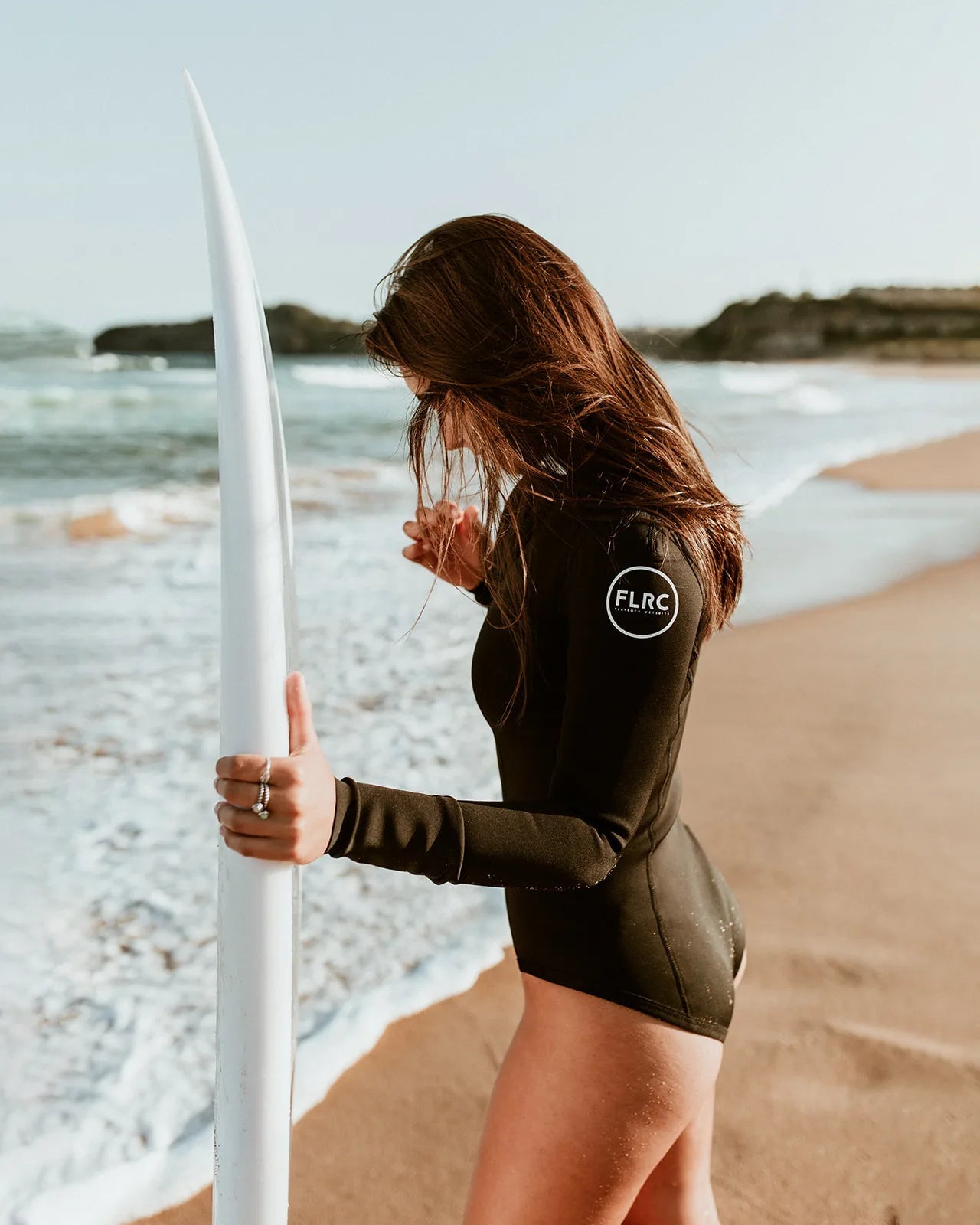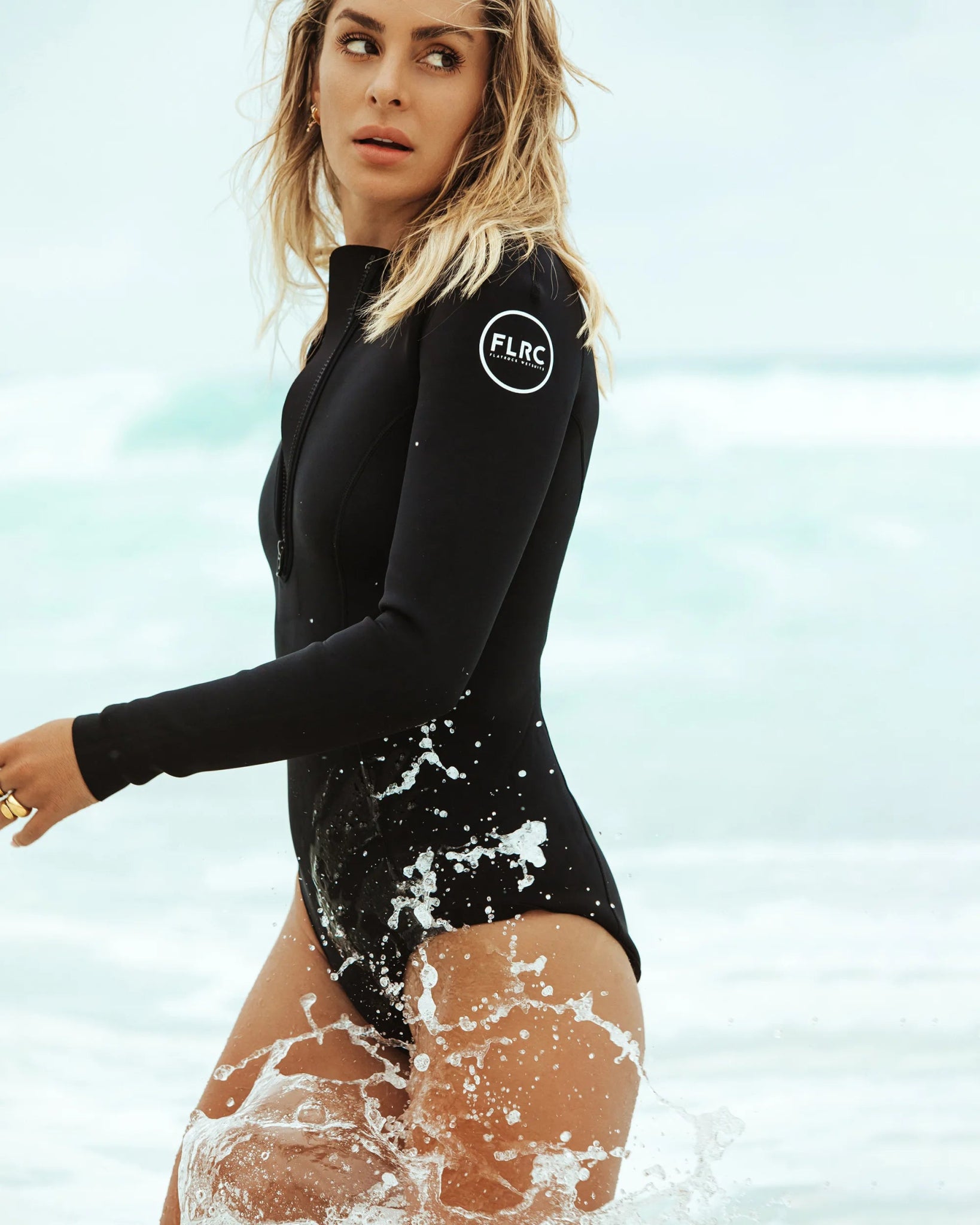


Your first surf session won't look like the Instagram clips. You'll swallow seawater, get worked by waves that looked tiny from the beach, and spend most of the time paddling instead of surfing. Here's what actually happens: it's harder than it looks, more fun than you expected, and with the right gear for autumn conditions, you'll stay warm enough to keep trying.
As of autumn 2026, water temperatures along the NSW coast sit around 19-21°C, manageable but cold enough that you'll need a proper wetsuit. Let's break down what your first session really involves and the minimal gear that'll set you up without blowing the budget.
What does your first surf session actually feel like?
Paddling out is the first shock. Your arms burn within two minutes. Waves that looked gentle from the carpark feel like walls of whitewater when they hit you. You'll get pushed back, rolled over, and wonder why you thought this would be easy.
Once you're past the break, sitting on the board is its own challenge. You'll wobble, tip sideways, overcorrect, and probably fall off a few times before you find balance. The ocean moves constantly. There's no flat surface to stand on, no pause button.
When you catch your first wave, even if it's just whitewater pushing you towards the beach, the feeling makes up for everything. You'll stand for maybe three seconds, arms flailing, grinning like an idiot. Then you'll fall. And you'll paddle straight back out.
How cold is the water in autumn, and what wetsuit thickness do you need?
Autumn in Australia means water temps dropping from summer highs. Sydney sits around 19-21°C in March and April, cooling to 17-19°C by May. That's cold enough to need thermal protection, but not so cold that you need the full winter kit just yet.
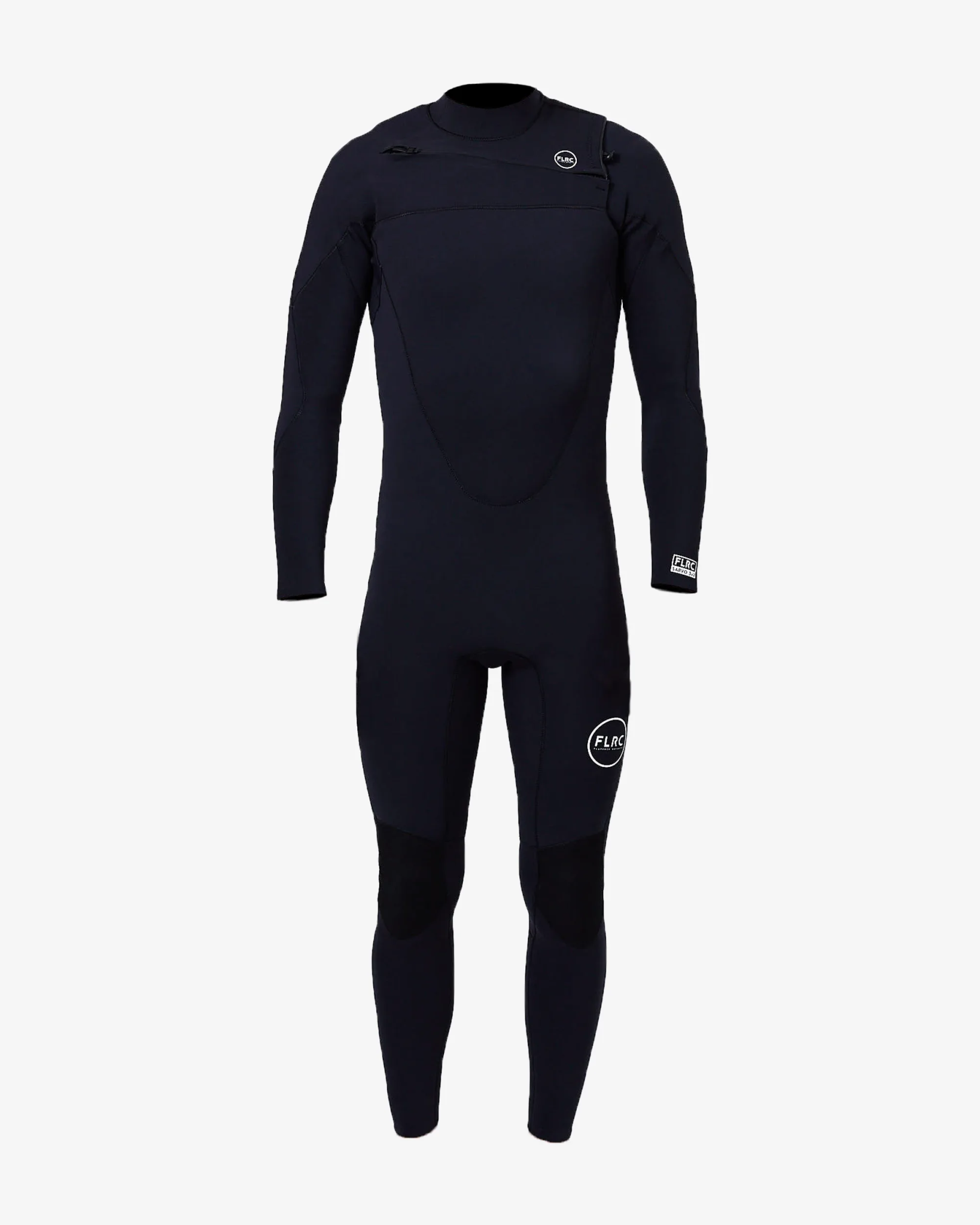
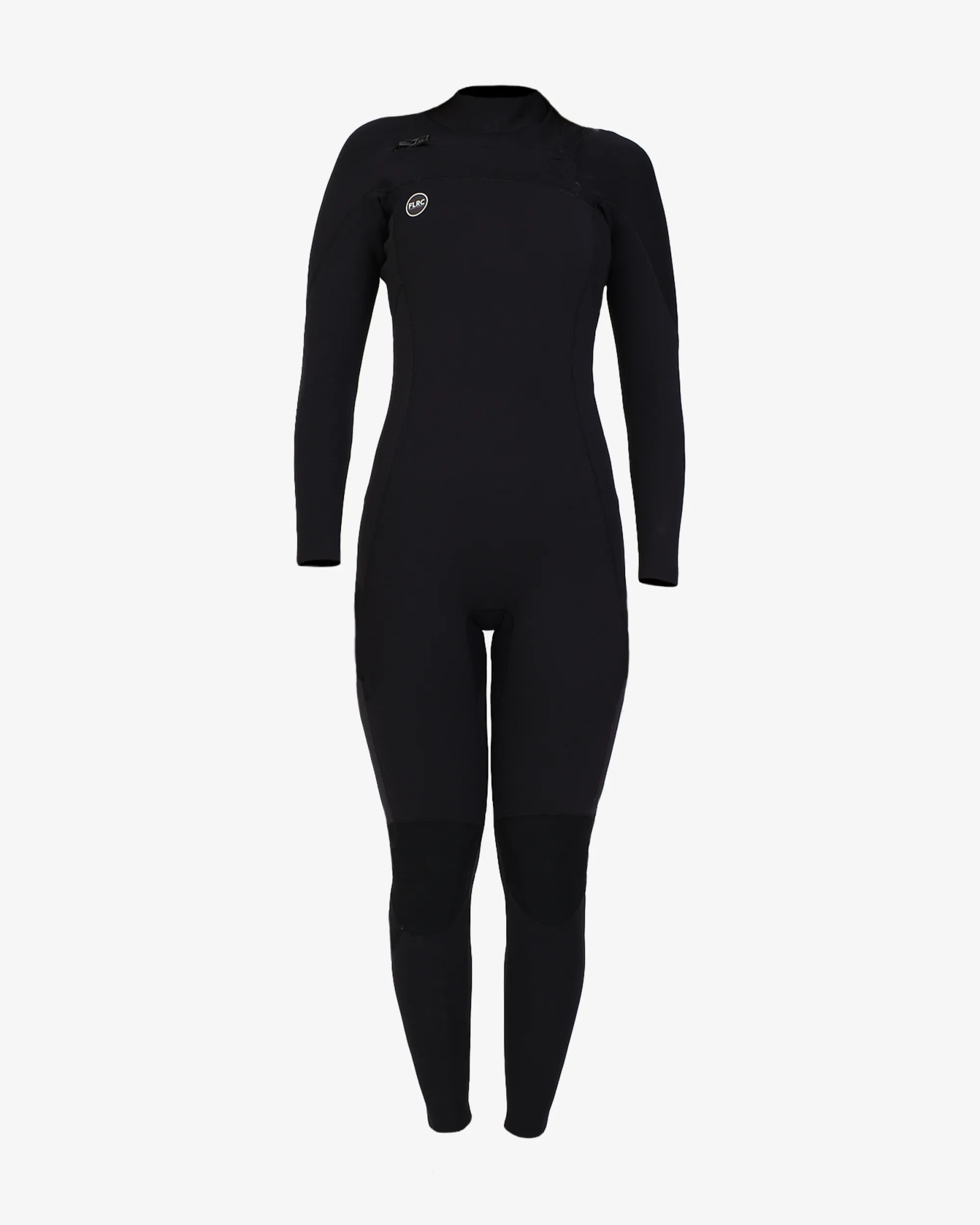
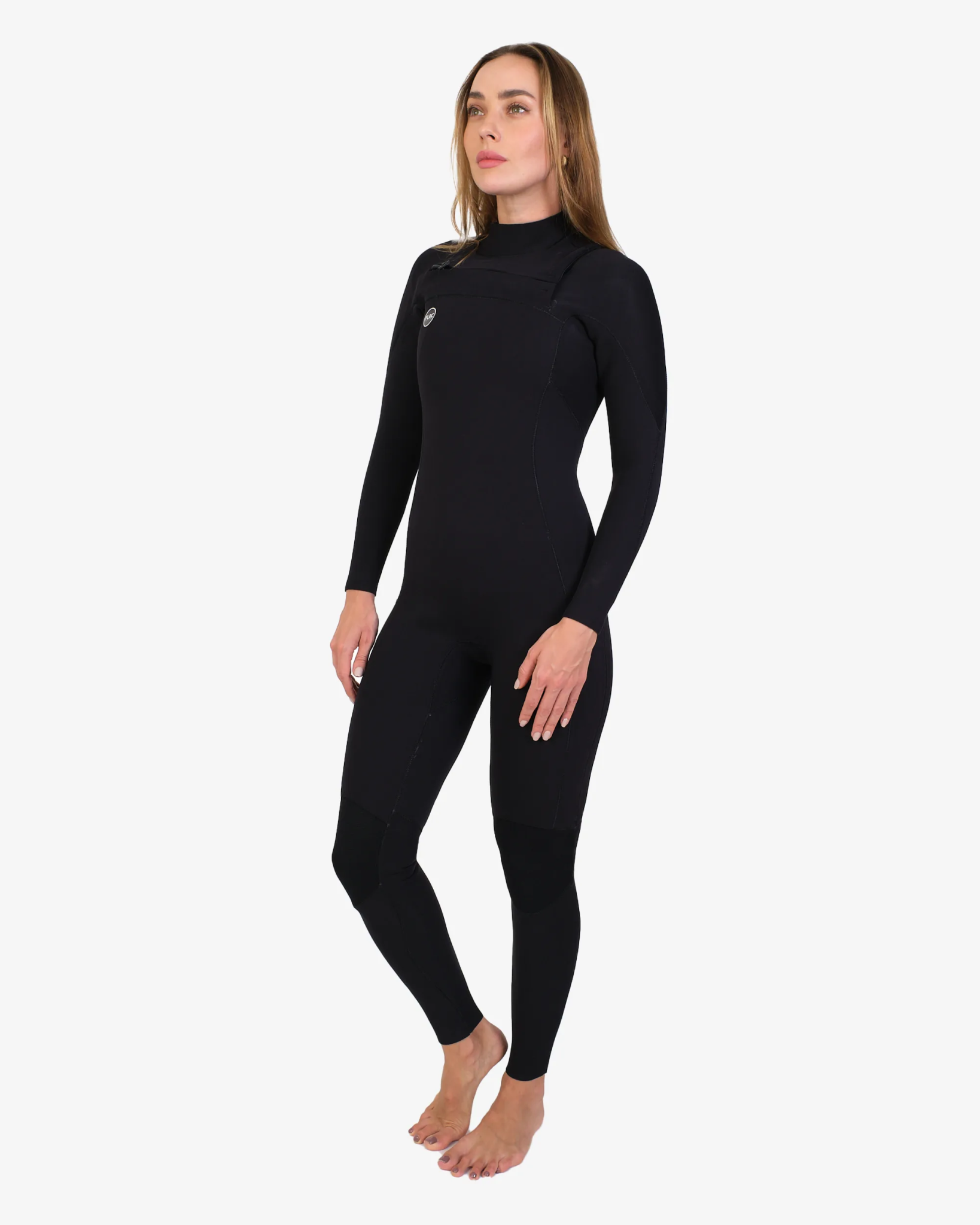
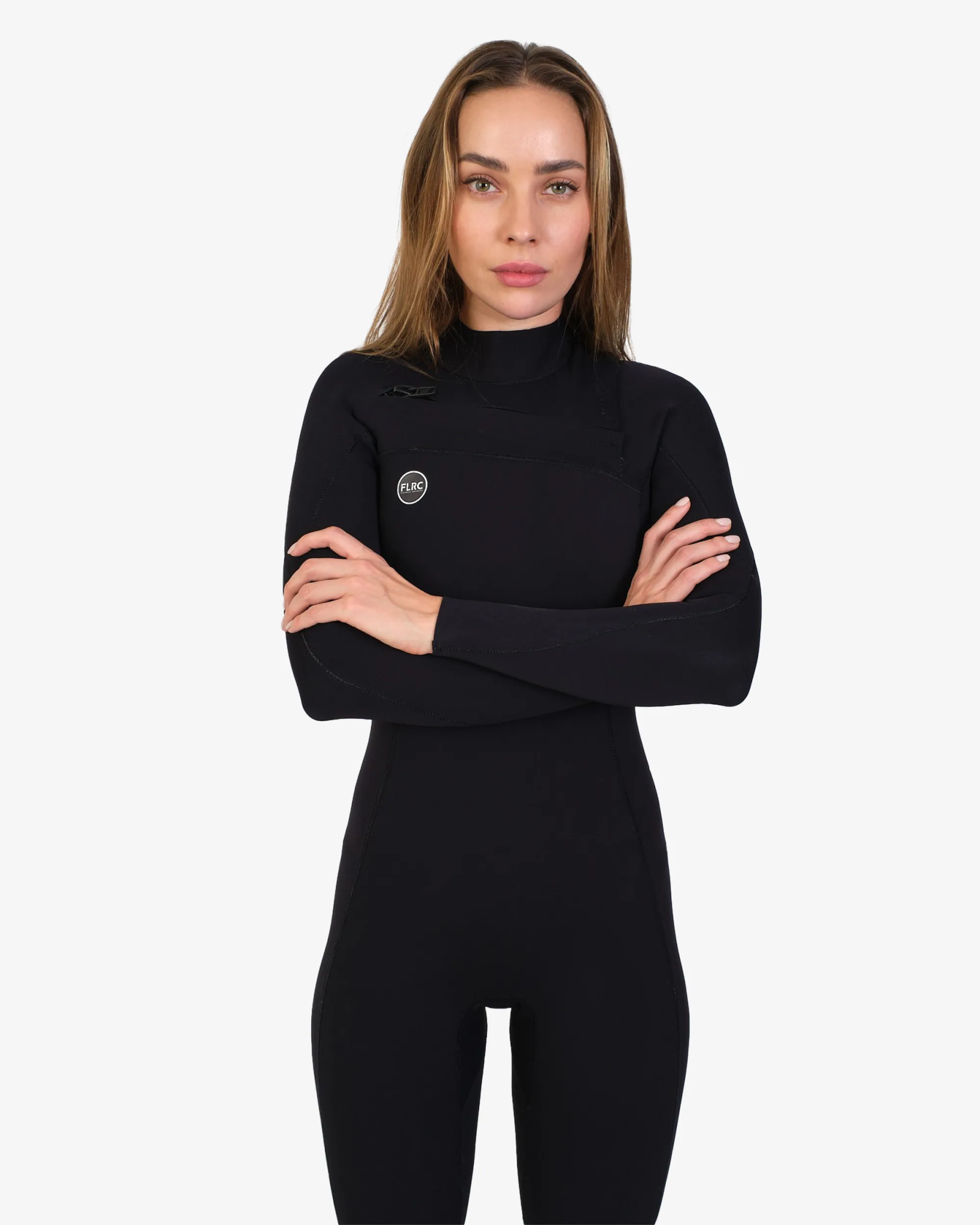
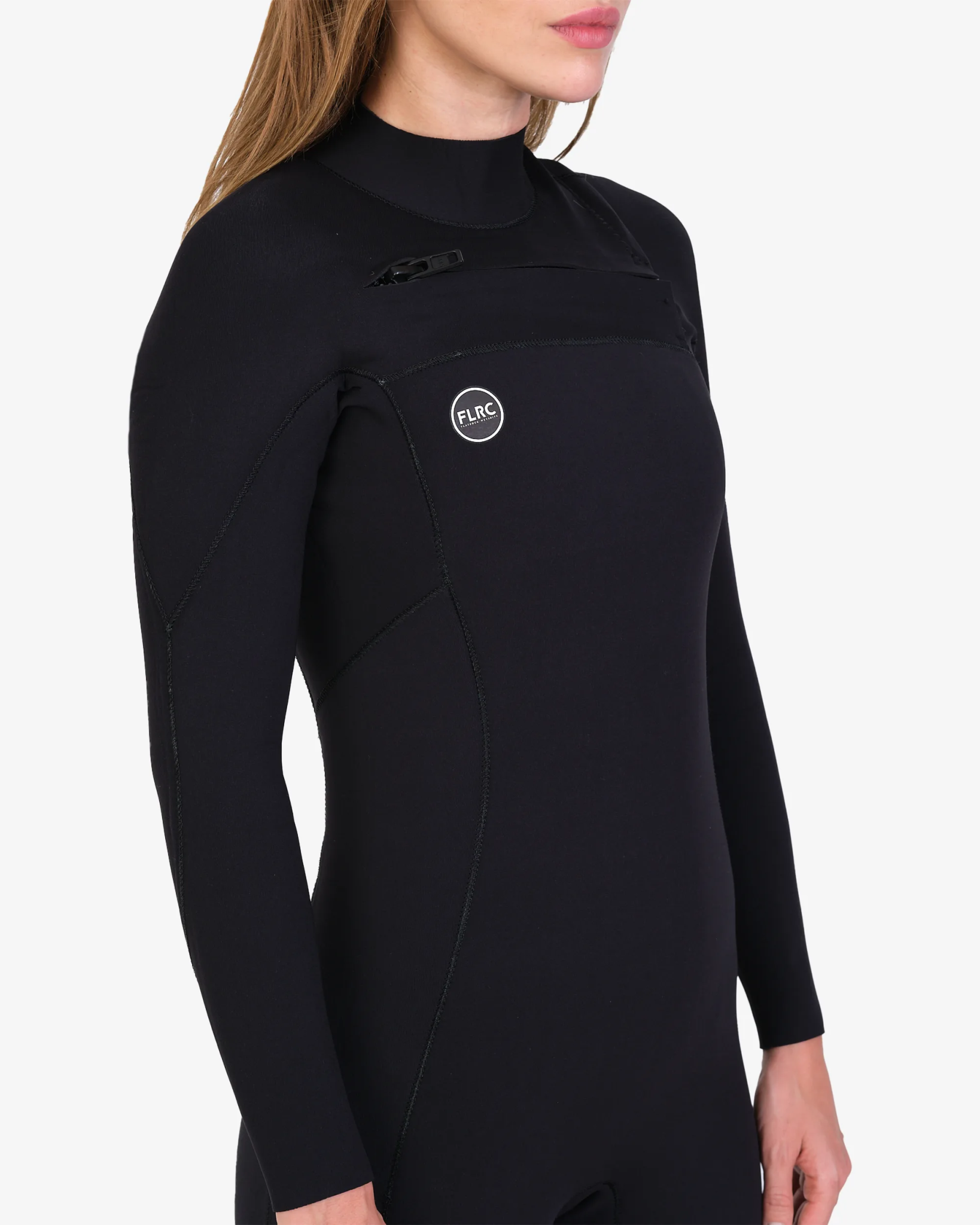
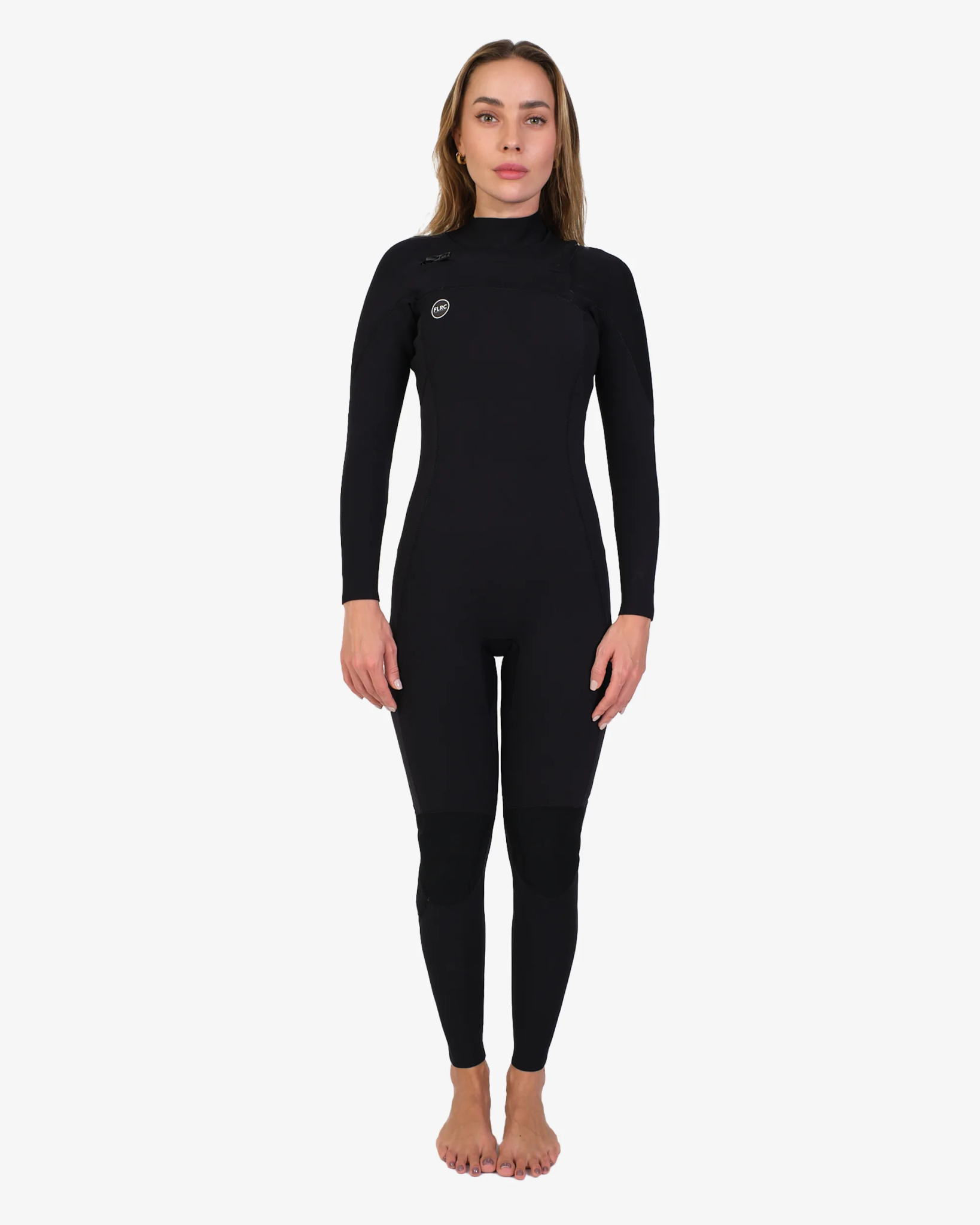
A 3/2mm steamer is the sweet spot for autumn surfing in NSW and Queensland. It's warm enough for cooler mornings, flexible enough that you won't feel restricted when paddling. Victoria and South Australia run colder, down to 15-17°C in autumn. A 3/2mm still covers that, but a 4/3mm is warmer if you run cold.
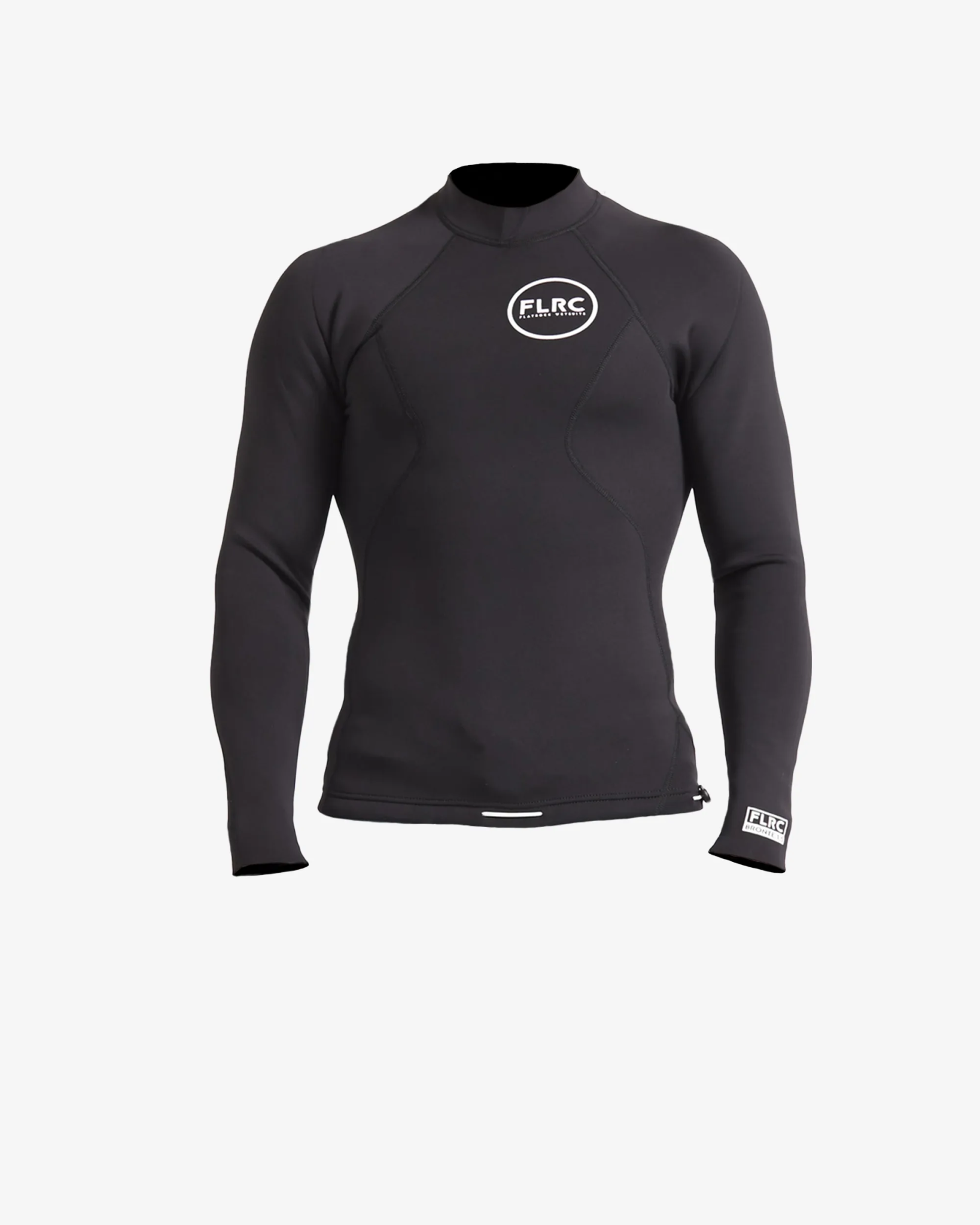
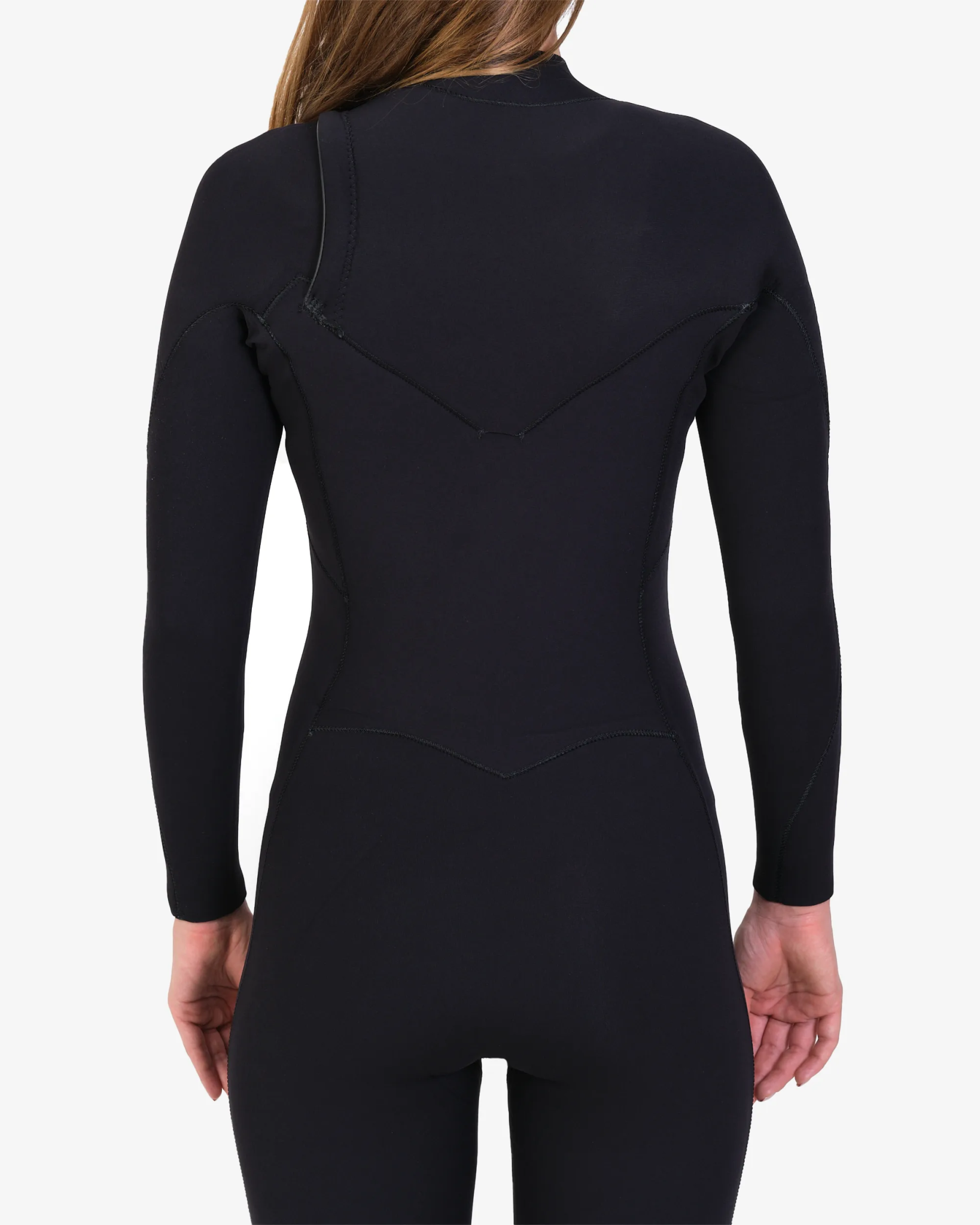
Flatrock Surf's wetsuit range covers both thicknesses, and the difference between a decent wetsuit and a cheap one becomes obvious within ten minutes of your first session. A good wetsuit seals at the wrists, ankles, and neck. Cheap ones let water flush through, which means you're cold the entire time. For a detailed breakdown of wetsuit thickness by region, check out our guide on which wetsuit thickness is best for Australia.
What type of surfboard should a beginner actually use?
Forget the sleek shortboards you see in the lineup. Your first board needs to be big, thick, and stable. A soft-top foam board between 7'0" and 8'0" is the standard recommendation, and for good reason: it floats you easily, catches waves before they break, and doesn't hurt when it smacks you in the head (which it will).
Volume matters more than length. A board with 50-60 litres of foam gives you enough flotation to paddle efficiently and pop up without fighting to balance. Anything under 40 litres and you'll spend more time underwater than on top of it.
Flatrock Surf stocks beginner-friendly soft-tops that can handle the punishment of your first dozen sessions. Once you're consistently standing and riding waves to the beach, you can think about sizing down. Until then, bigger is better. If you're ready to move beyond the basics, our post on the best surfboards for beginners covers the next step up.
Do you need booties, a hood, or gloves for autumn surfing?
Not in NSW or Queensland. Autumn water temps in these regions sit comfortably in the high teens to low twenties, which means a good 3/2mm wetsuit is enough. Your hands and feet might feel cold for the first few minutes, but they warm up once you start moving.
Victoria and Tasmania are different stories. Down there, autumn means 13-17°C water, and your extremities go numb fast. A pair of 3mm booties makes a noticeable difference, and if you're surfing early mornings in Victoria, a hood isn't overkill.
For most first-timers on the east coast, skip the extras. A solid wetsuit and a decent board are all you need to get started.
What other gear do you actually need for your first session?
Keep it simple. Here's the real essentials list:
- Wetsuit: 3/2mm for NSW/QLD, 4/3mm for Victoria/SA. No compromises here.
- Surfboard: 7'0"-8'0" soft-top with 50-60L volume. Bigger boards mean more waves caught.
- Leash: Keeps your board attached to your ankle when you wipe out. Matches your board length (7' board gets a 7' leash).
- Wax or traction pad: Stops your feet slipping off the deck. Wax is cheaper, traction pads last longer.
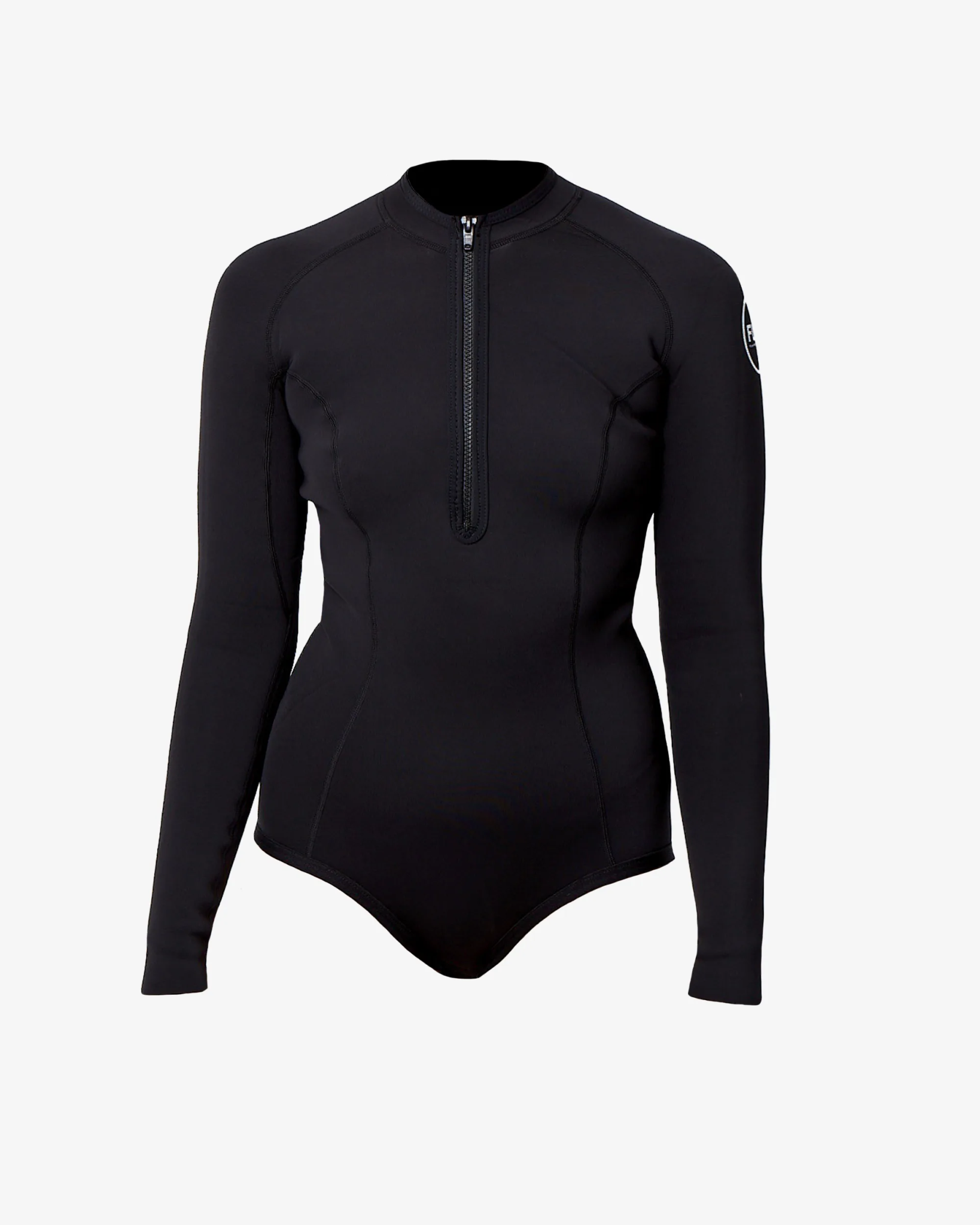
- Rashie (optional): Worn under your wetsuit to prevent rash from the neoprene rubbing your neck and underarms. Not essential for your first session, but you'll want one after a few goes.
That's it. You don't need a roof rack, a surf watch, or a GoPro. You need a board that floats you and a wetsuit that keeps you warm. Everything else is window dressing.
Browse our full range of surf accessories if you want to see what else is available, but don't feel pressured to buy it all upfront.
What are the most common mistakes first-timers make?
Paddling out too far: Beginners think they need to be where the experienced surfers sit. You don't. Stay in the whitewater close to shore where waves have already broken. You'll catch more waves and spend less energy getting worked.
Popping up too slowly: The longer you take to stand, the more the wave moves past you. Practice your pop-up on the beach before you even get in the water. One smooth motion: paddle, hands on the rails, push up, feet under you. No crawling, no knee-first.
Looking down at the board: Where you look is where you go. Look at the nose of your board and you'll nosedive. Look towards the beach and your body follows.
Wearing the wrong wetsuit size: A wetsuit that's too loose lets water flush through and defeats the purpose. Too tight and you can't breathe or paddle properly. It should feel snug but not restrictive. If you're unsure, our guide on what to look for in a wetsuit walks through sizing and fit.
How long does it take to actually catch a wave and stand up?
Most people stand up on a wave within their first session if they're on the right board and stay in the whitewater. That doesn't mean you'll ride it all the way to the beach with style, but you'll get up for a few seconds.
Catching an unbroken wave out the back? That's weeks or months away, depending on how often you surf. Don't rush it. Spend your first half-dozen sessions learning to paddle efficiently, pop up smoothly, and ride whitewater waves straight to shore. Everything else builds from there.
Where should you go for your first surf session?
Pick a beginner-friendly beach with consistent small waves, a sandy bottom, and ideally a surf school or experienced surfers nearby. In Sydney, Bondi, Manly, and Cronulla all have designated beginner zones. Avoid reef breaks, isolated beaches, or anywhere with strong currents.
Check the surf forecast before you go. Aim for waist-high waves or smaller. Anything bigger and you'll spend more time getting smashed than learning. If you're around Sydney and want to explore other spots once you've got the basics down, our list of the best surf beaches in Sydney covers options across the city.
Frequently asked questions
What should I wear under my wetsuit?
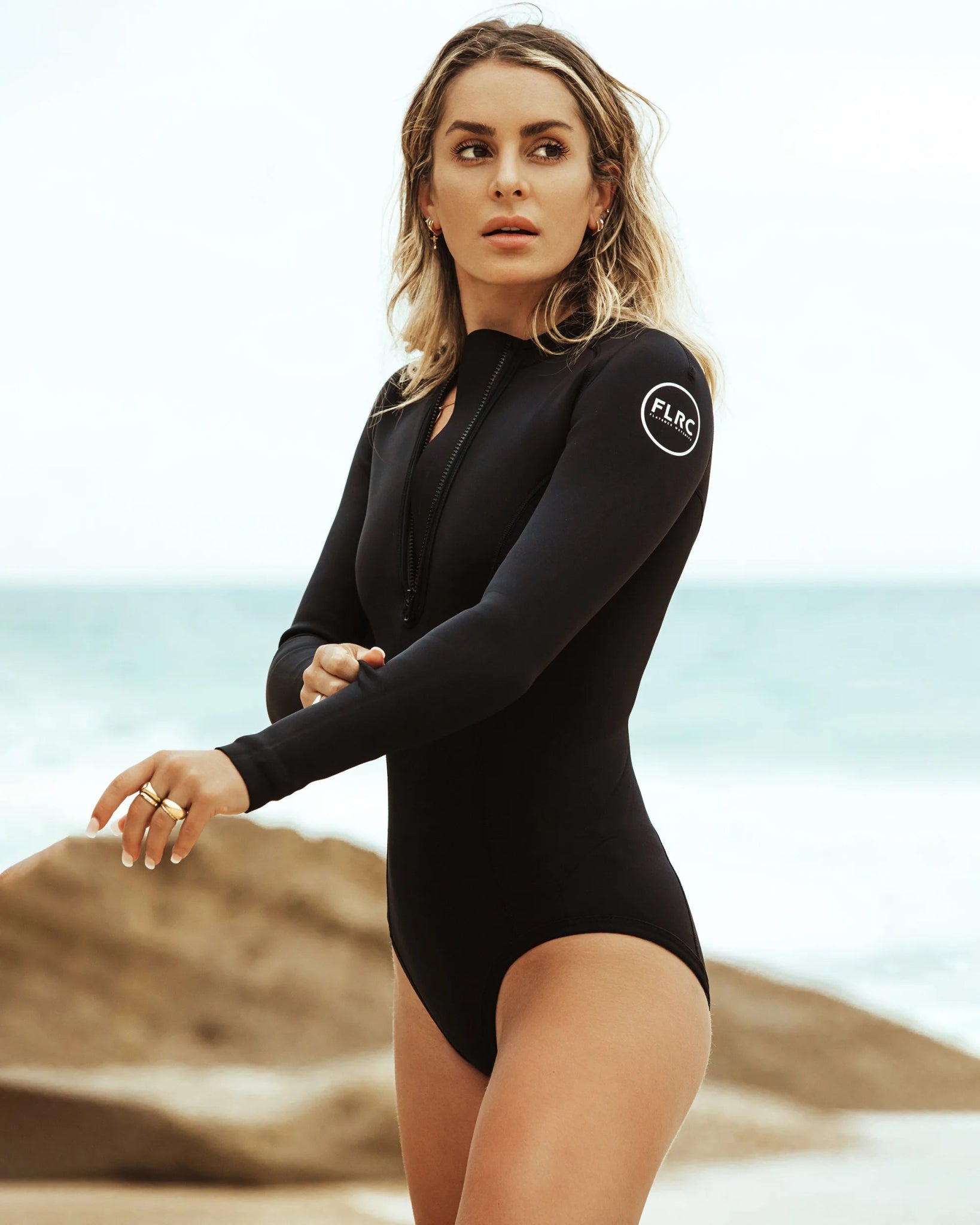
Most surfers wear boardshorts or swimwear under their wetsuit, though some go commando. A rashie underneath can prevent chafing around the neck and underarms, especially if you're surfing for more than an hour. Flatrock Surf stocks wetsuit tops and rashies designed to layer comfortably under a steamer.
How long should my first surf session be?
An hour is plenty for your first go. Your shoulders will be cooked, and you'll be more tired than you expect. Start short, build endurance over time, and don't push through exhaustion when you're still learning ocean safety.
Do I need surf lessons, or can I teach myself?
You can teach yourself if you're comfortable in the ocean, a confident swimmer, and willing to take it slow. A lesson fast-tracks the basics (how to paddle, where to position yourself, how to pop up) and teaches surf etiquette and safety. If you've never spent time in the ocean, a lesson is worth it.
Can I surf in autumn without a wetsuit in Australia?
Not comfortably. Queensland's far north might be warm enough for boardshorts in early autumn, but anywhere south of the Sunshine Coast, you'll want a wetsuit. Water temps in the high teens feel warm for the first five minutes, then your body temperature drops and you lose energy fast.
What's the best time of day for a first surf session?
Early morning or late arvo when the wind is lighter and the beach is less crowded. Avoid midday when the sea breeze picks up and makes conditions choppy. Autumn mornings in Australia are often glassy and clean, perfect for beginners.