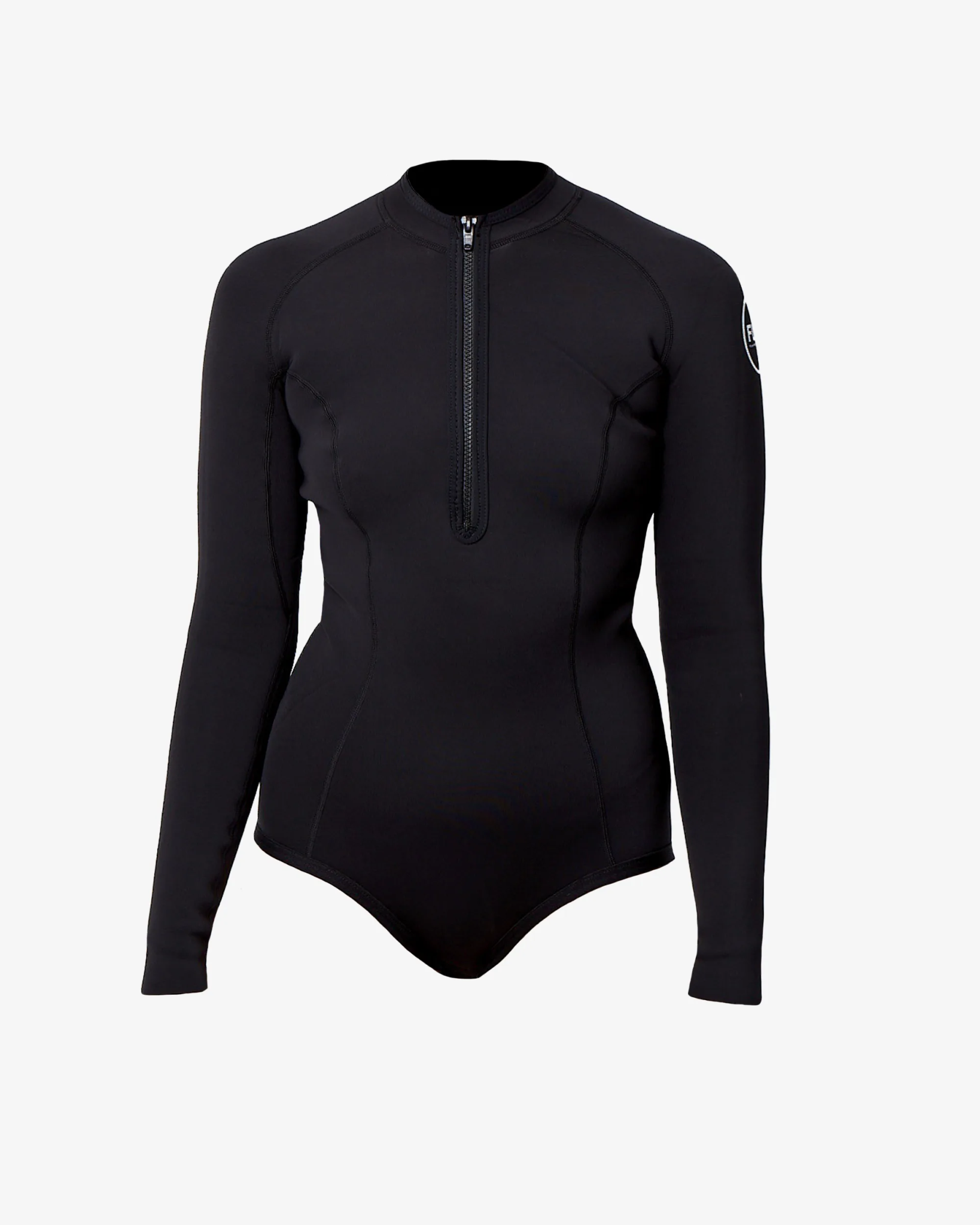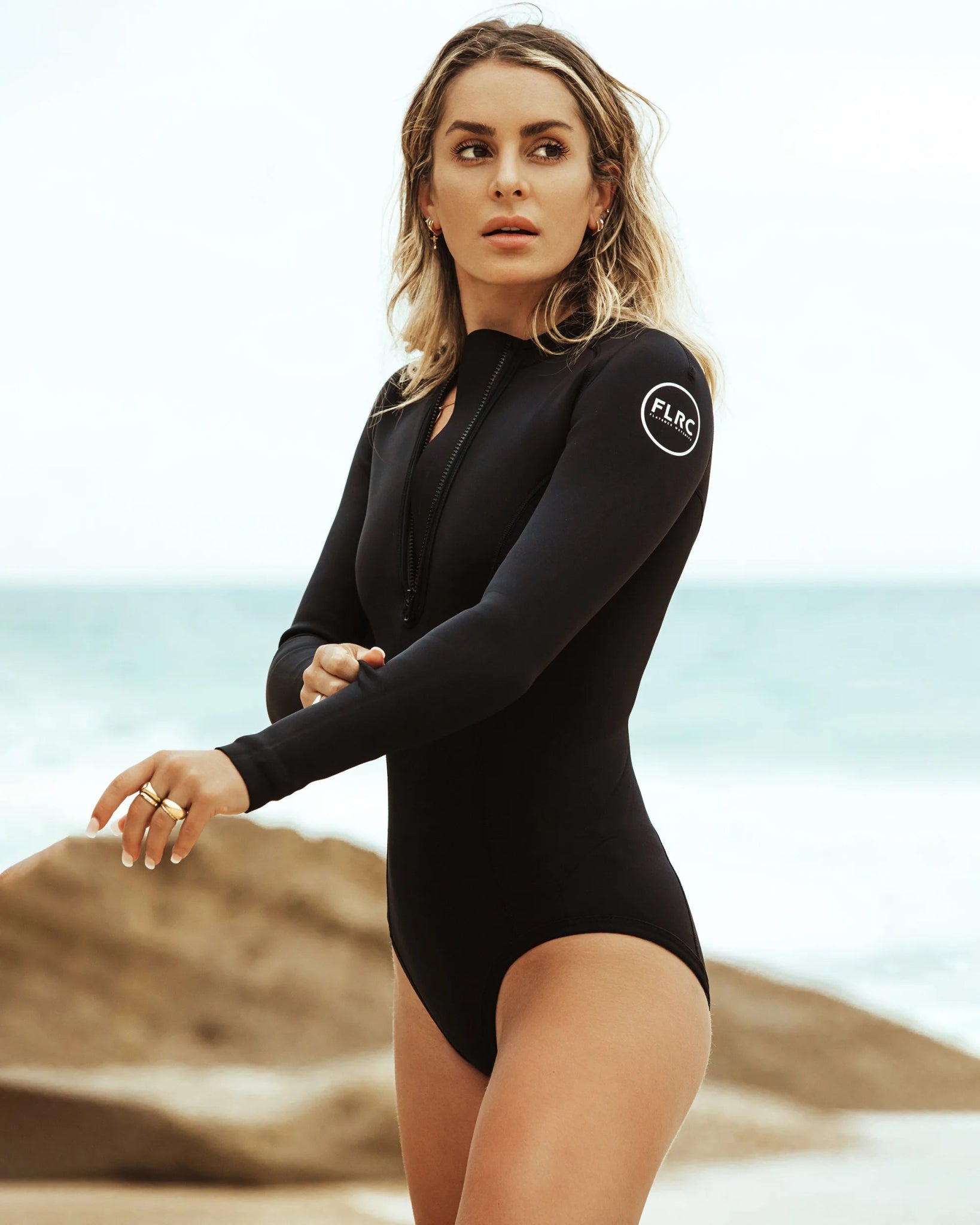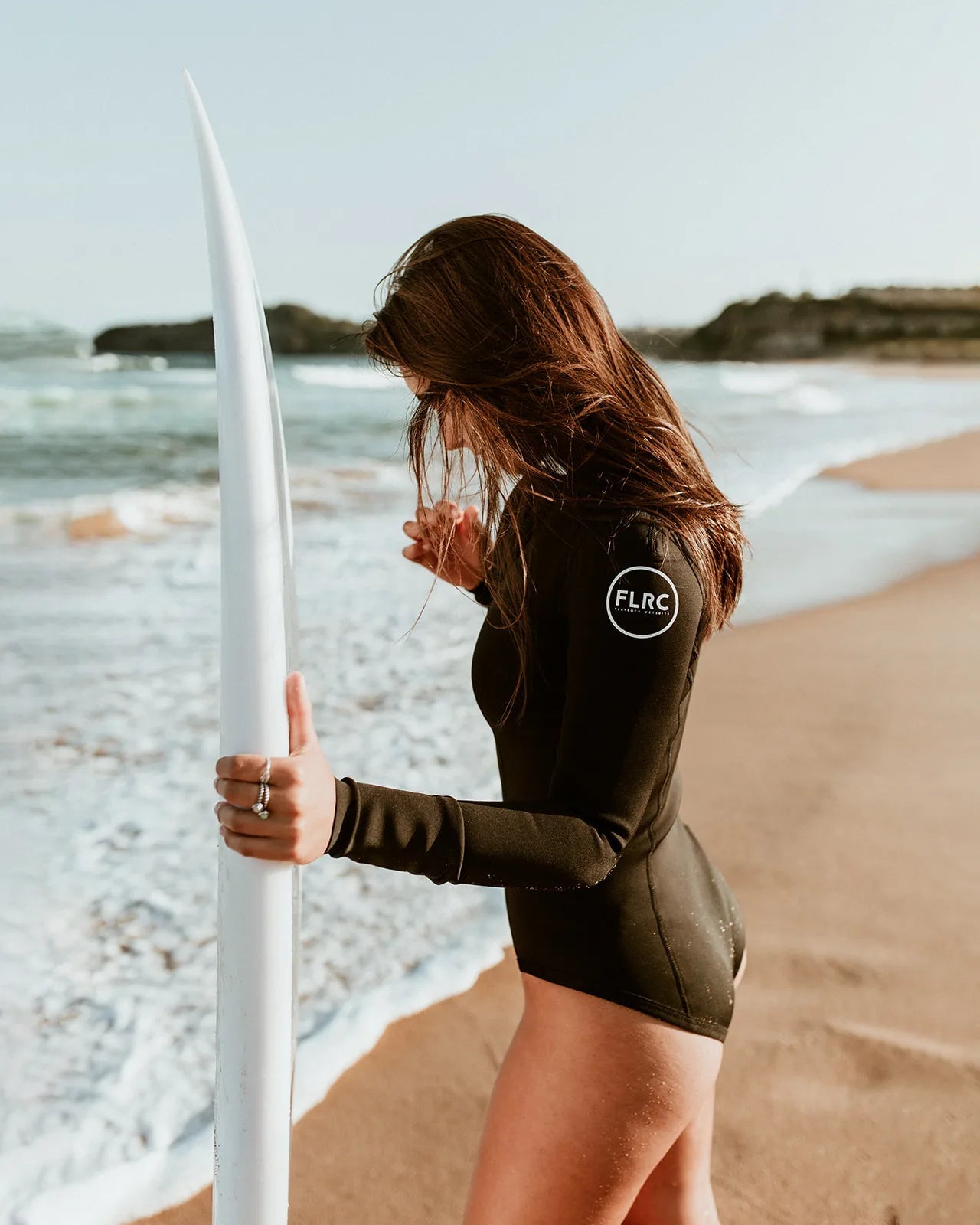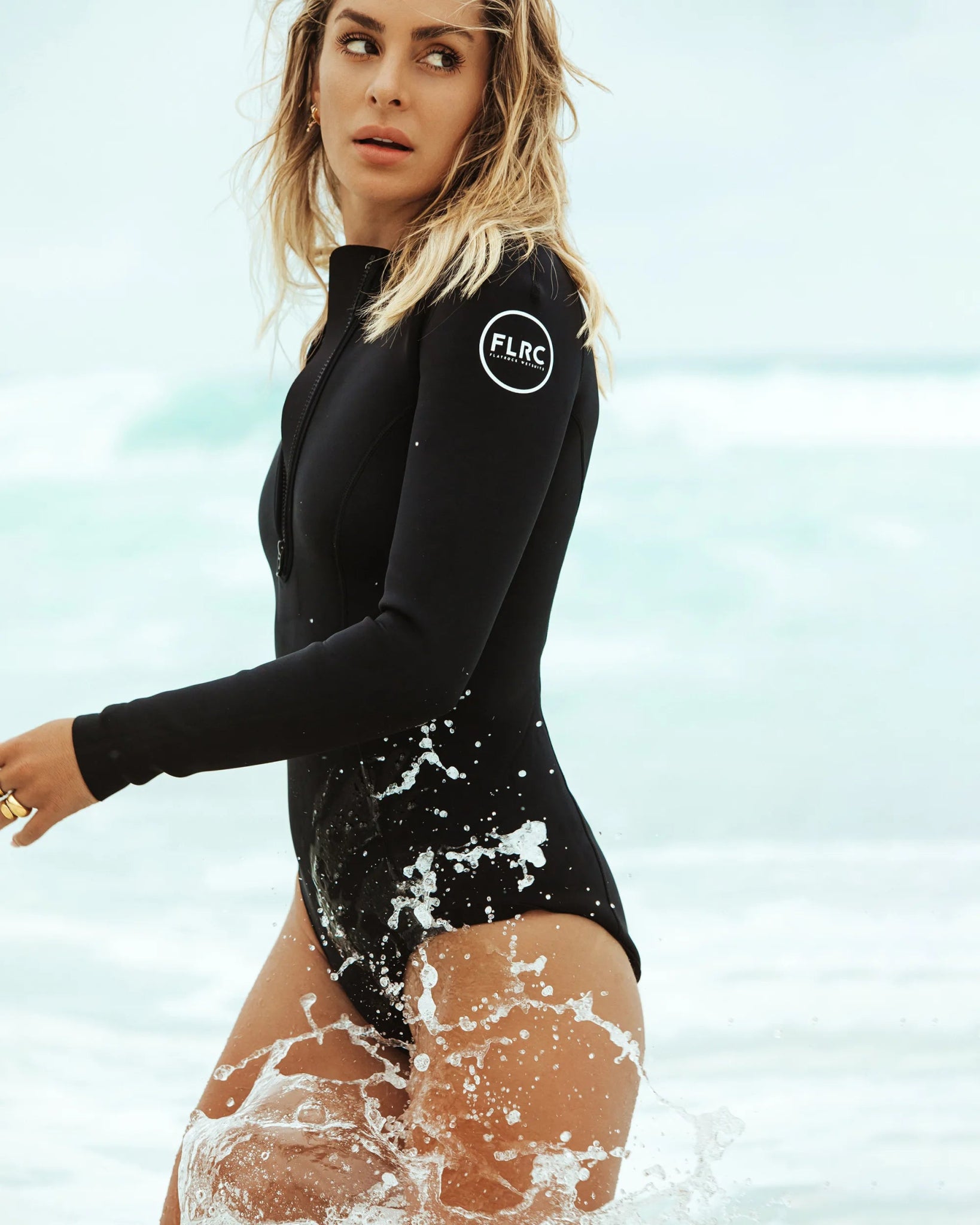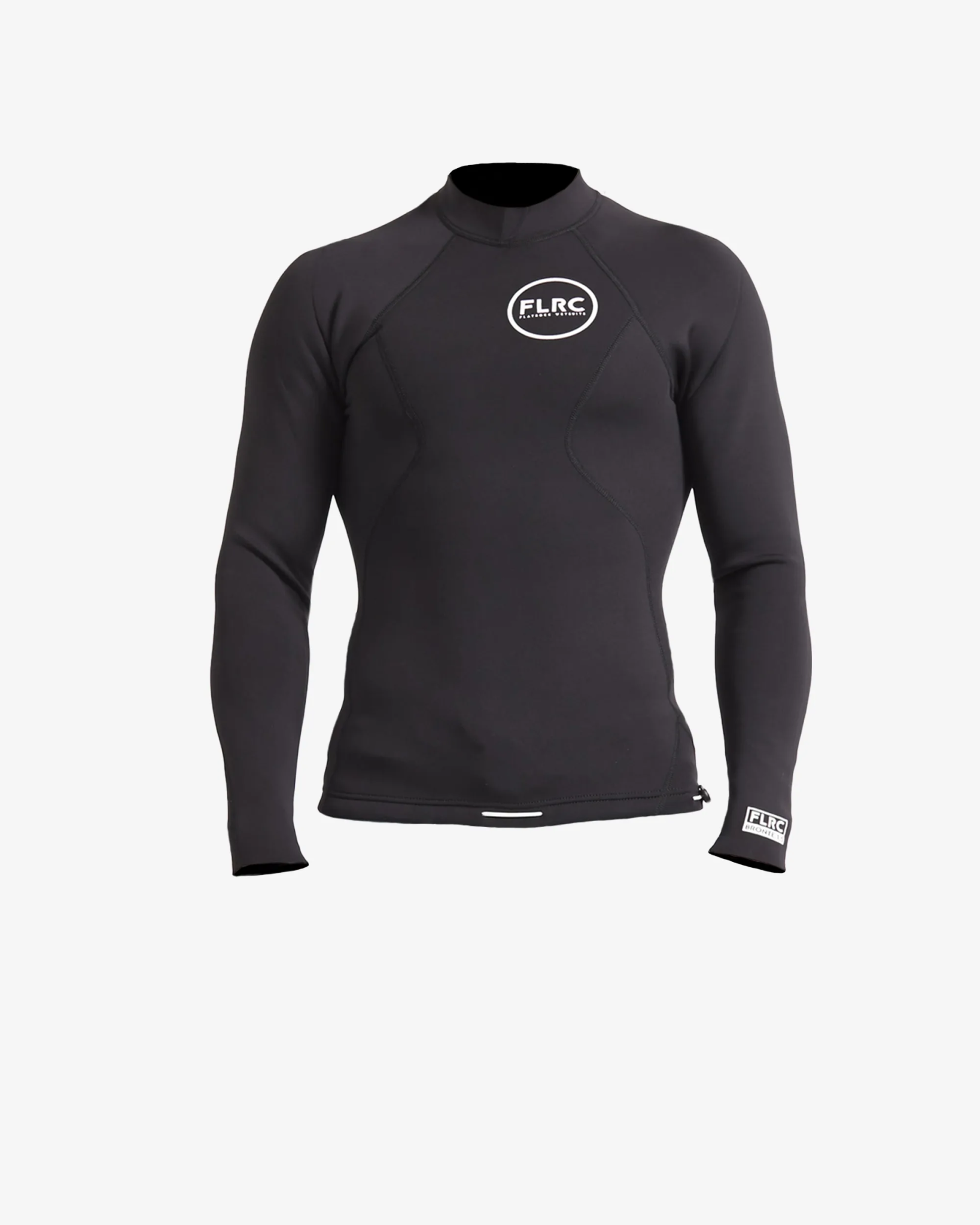


The biggest factor in a cold-water wetsuit's warmth isn't the thickness number on the tag. It's how well the seams, zip and seals stop water flushing through in the first place. At Flatrock Surf, we've pulled apart and paddled in enough wetties over the years to know a 5/4mm suit with a leaky zip will leave you colder than a well-built 4/3mm with sealed seams. Here are the five construction features that actually keep you warm, and what to check before you buy.
What actually determines wetsuit warmth in cold water?
Warmth comes down to how much water gets in and how fast your body heat escapes once it's in there, not the millimetre rating on the label. Two suits can be the exact same thickness and perform completely differently depending on seam construction, zip placement, panel mapping, thermal lining and seal fit. Right now, in spring 2026, that's exactly how we test every wetsuit before it goes into our range: seams, zip, panel mapping, lining and seals, in that order.
Which wetsuit features actually matter for cold water?
Here's the five, broken down by what each one does, why it matters, and what to check for when you're buying.
1. Seam construction: flatlock vs blind-stitched and sealed
What it does: stops water pushing through the needle holes stitching leaves behind.
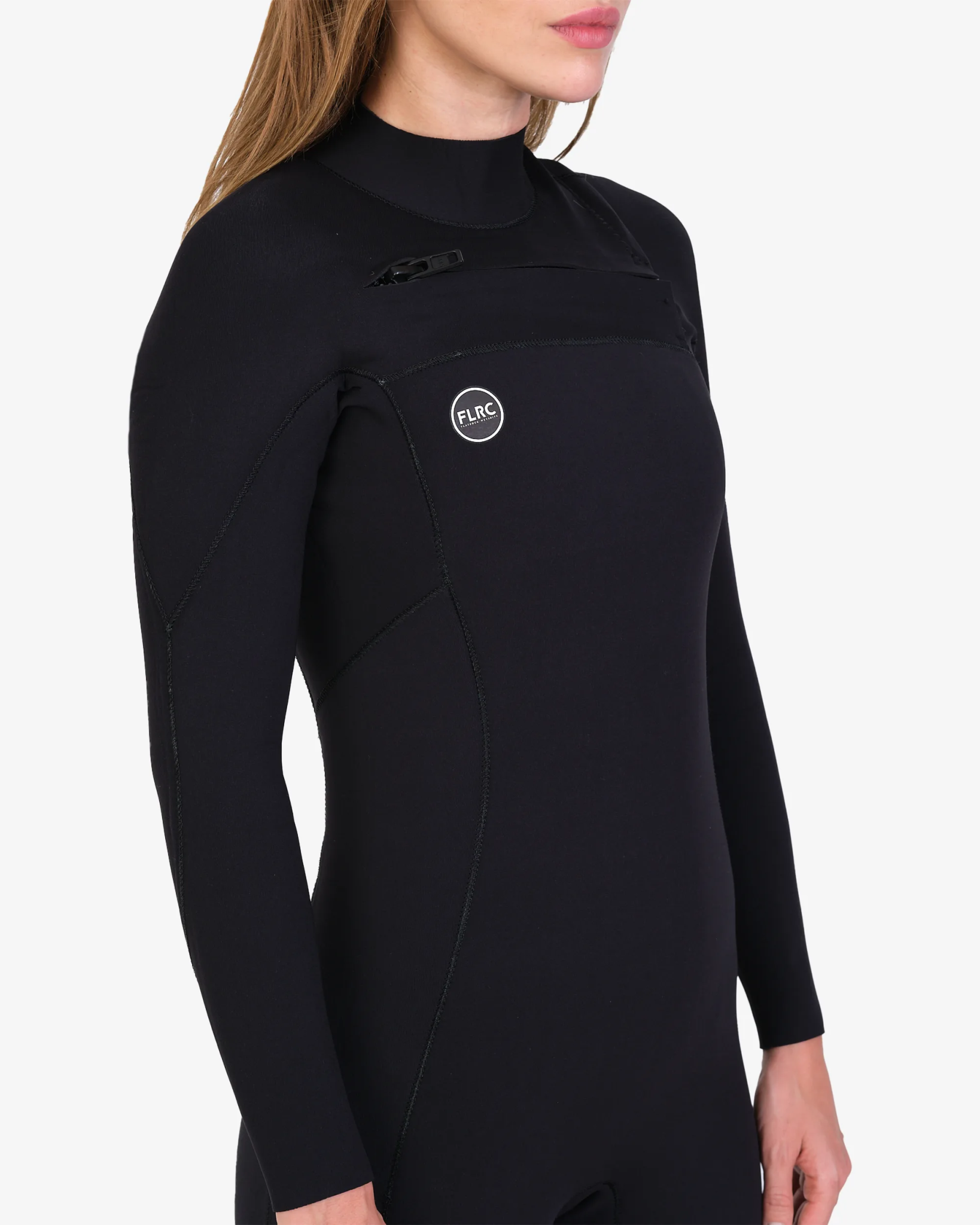
Why it matters: flatlock seams are stitched straight through both panels of neoprene. That's fine in warm water, but it leaves a row of tiny holes that let cold water flush in with every duck dive. Glued and blind-stitched (GBS) seams glue the panels first and stitch only partway through, so the stitching never fully punctures to the inside. Seams that are then taped or liquid-sealed over the top close up whatever's left.
What to look for: below about 20°C, skip flatlock altogether. Glued and blind-stitched seams are the minimum, with liquid-taped or sealed seams on the chest and back panels for genuinely cold sessions.
2. Zipper entry: back-zip vs chest-zip and zip-free
What it does: controls how much water pours in through the entry system itself.
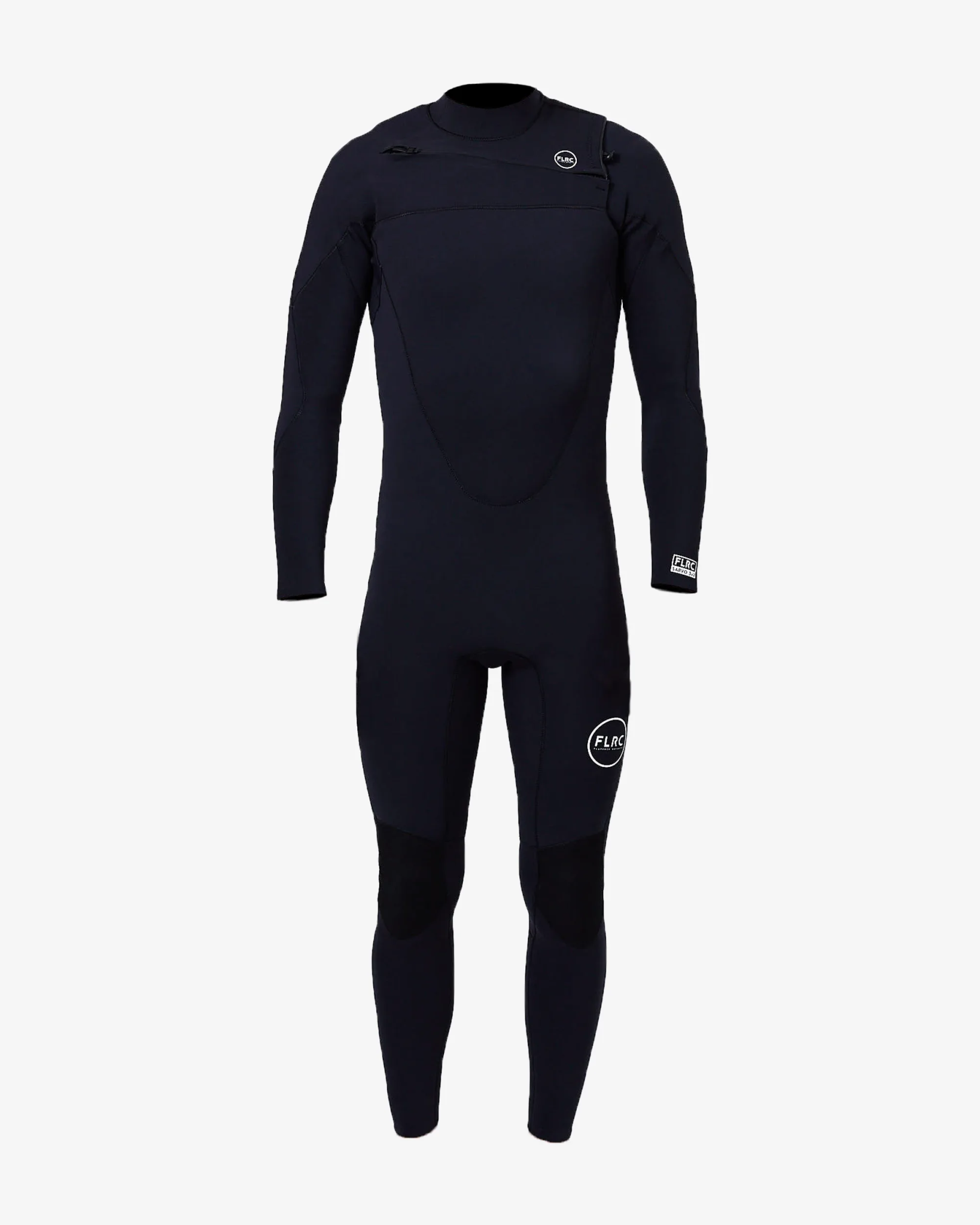
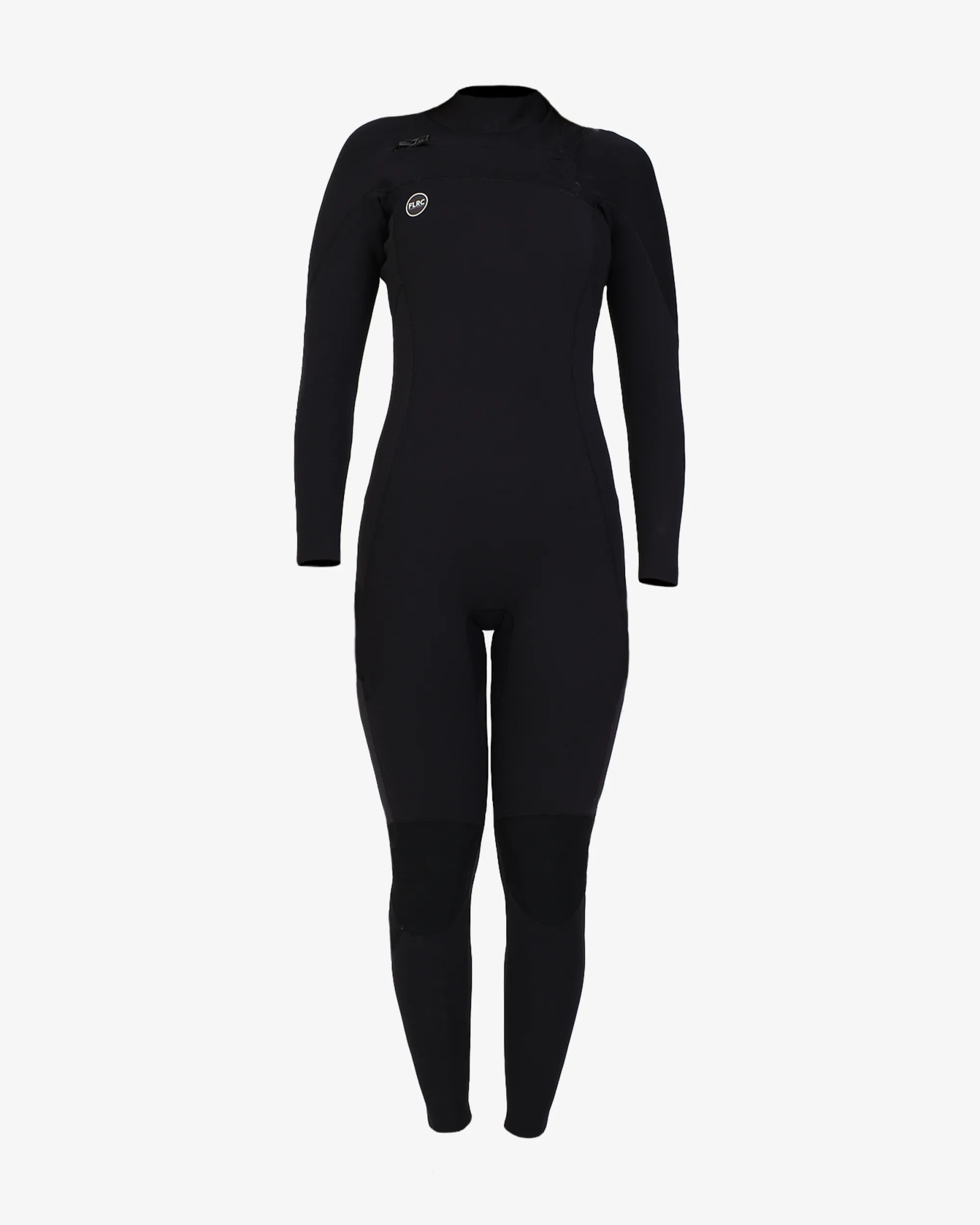
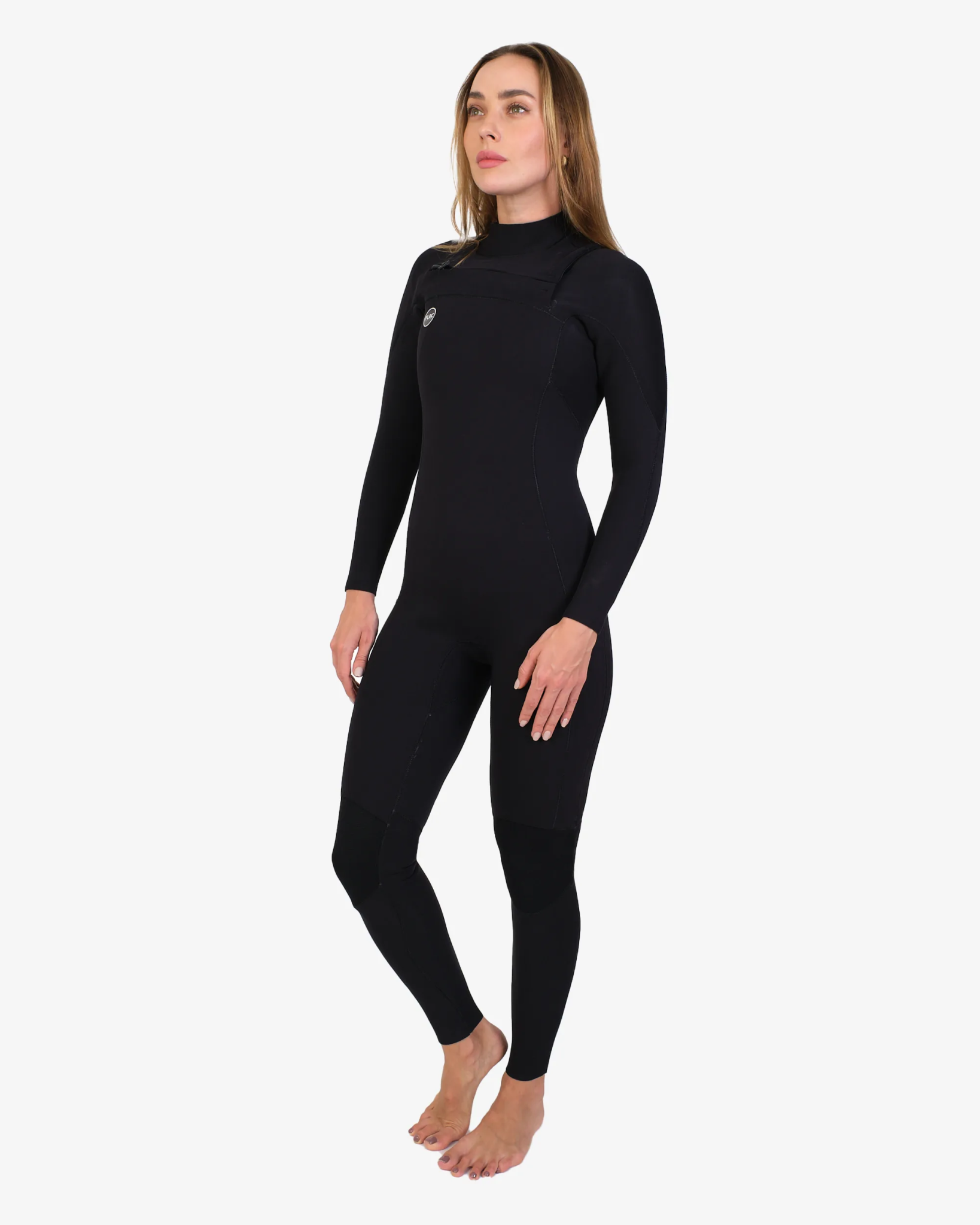
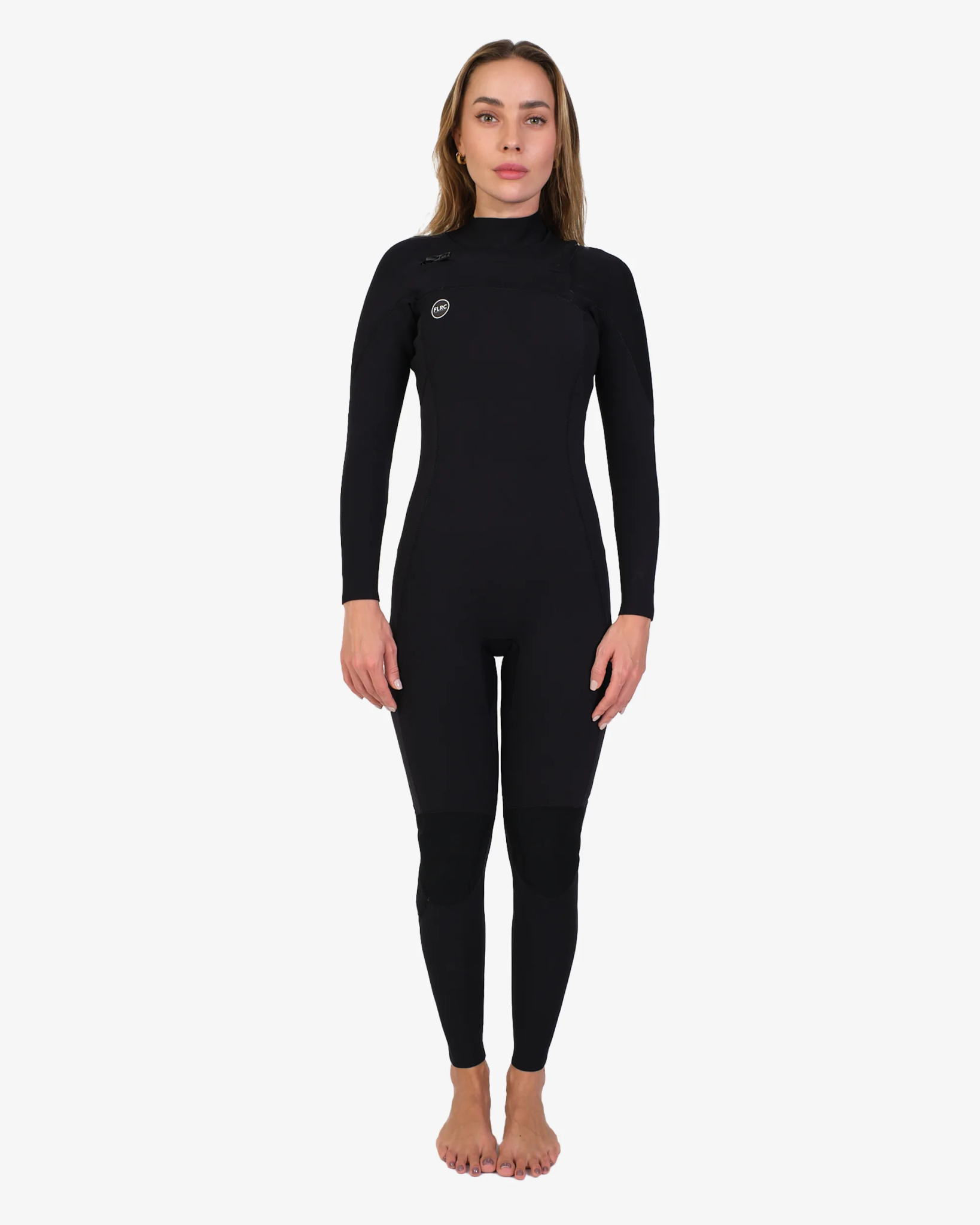
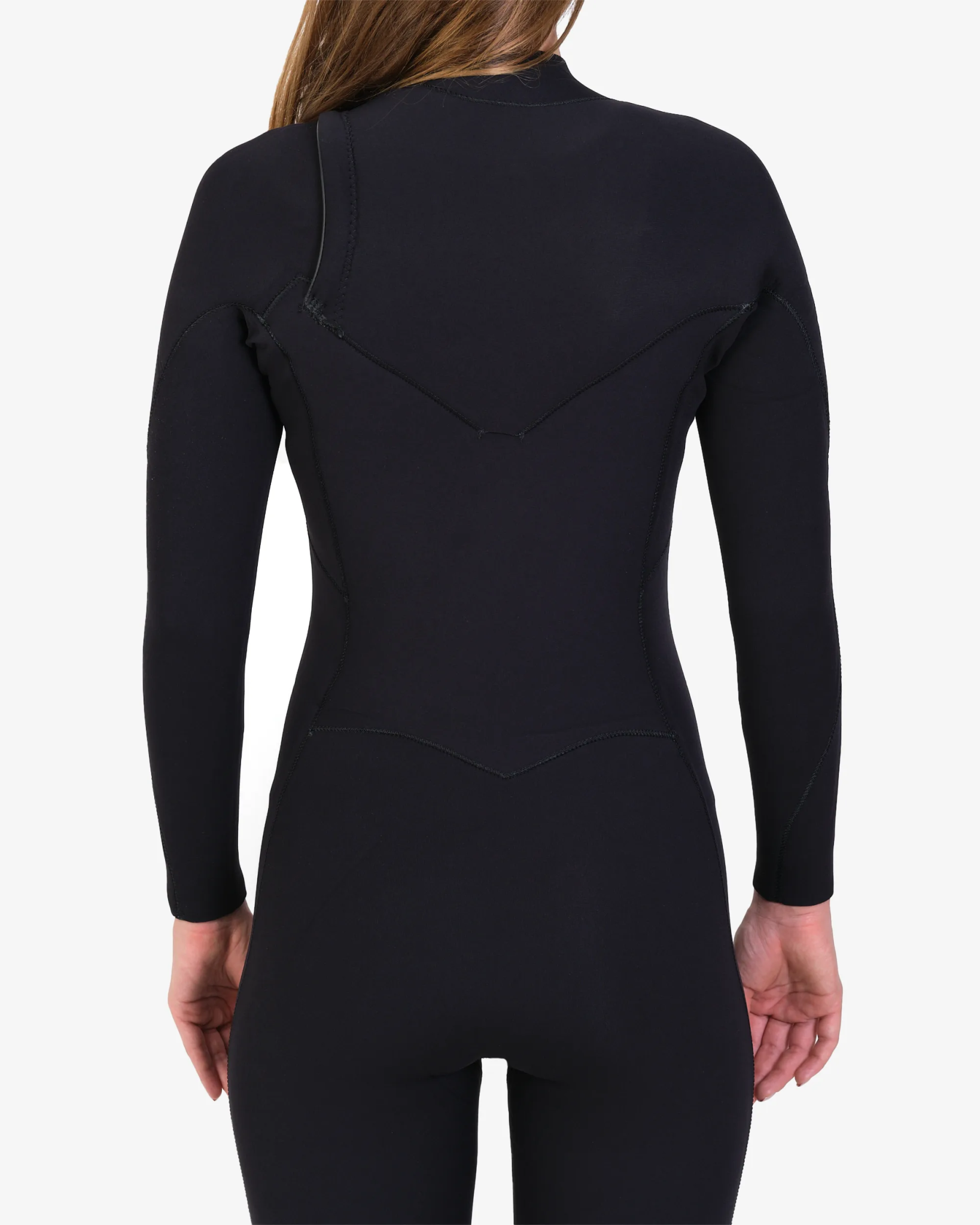
Why it matters: a back-zip runs a rigid track from your neck to your lower back, and that track is one continuous flush point every time a wave breaks over you. Chest-zip and zip-free entry systems swap that track for a small, flexible panel you step into, so there's less rigid hardware against your skin and less of a direct channel for water to funnel through.
What to look for: for cold water, go chest-zip or zip-free where you can. Set on a back-zip for the easier entry? Make sure the flap overlaps well and is backed with a soft, snug seal.
3. Panel-mapped neoprene thickness
What it does: puts more neoprene where you need the warmth and less where you need to move.
Why it matters: a wetsuit cut from one uniform slab of neoprene is warm, but it's stiff through the shoulders, and that tires you out on the paddle. Panel-mapped construction puts thicker neoprene across the torso and core, where you lose the most heat, and thinner, stretchier panels under the arms and across the shoulders, where flexibility matters more than insulation.
What to look for: check that thickness actually varies panel by panel, not just the two numbers printed on the label. Our guide to wetsuit thickness for Australian conditions breaks down what those numbers mean by region.
4. Thermal lining
What it does: traps a thin layer of water against your skin and holds your body heat in it.
Why it matters: neoprene works by letting a small amount of water in, which your body then warms up. A brushed or fleece-style thermal lining bonded to the inside of the neoprene slows how fast that warmed layer escapes, and it dries out faster between sessions than a plain smooth interior does. It's the difference between feeling the cold creep in twenty minutes into a sesh and staying warm through the whole thing.
What to look for: run a hand across the inside of the suit. A textured, brushed feel through the torso and legs means there's a thermal lining doing real work, not just a label on the outside making promises.
5. Wrist, ankle and neck seals
What it does: stops water flushing in and out at every entry point.
Why it matters: you can have the best seams and lining going and still get cold if water's pumping in and out through a loose wrist or a gappy neck seal every time you paddle. Smoothskin or tightly finished seals at the extremities cut that flushing right down. The neck seal is worth checking closest, since it's the easiest spot for a suit to feel warm in the shop and cold in the lineup.
What to look for: seals should sit snug against your skin without digging in. Reach overhead and turn your head fully before you buy. If the seals gap or dig in through that movement, they'll do the same out the back.
How much of this actually matters for Sydney winter surfing?
Depends how cold your local water actually gets. Sydney and the NSW coast (think Bondi, Manly, Cronulla and Maroubra) sit around 18-24°C most of the year, so a 3/2mm suit with decent seams gets most surfers through the whole year, with a 4/3mm for the coldest winter days if you run cold. Head south to Victoria's Surf Coast and water temps drop to 12-18°C, where a 3/2mm covers the warmer months, a 4/3mm with boots takes over in winter, and a 5/4mm with gloves suits the coldest weeks. Tasmania runs colder again at 11-17°C, and that's where all five features stop being nice-to-haves and start being the difference between a good sesh and a miserable one.
Our guide on what to look for in a wetsuit runs through fit and sizing alongside these construction details, worth a read before you commit to a suit for winter.
Do you need to spend up for all five features?
Not always. Depends where and how often you're surfing. An odd arvo sesh in Sydney through summer only needs a straightforward 3/2mm with good seams and a well-fitted seal. Keen to keep dawn patrols going through a Sydney winter, or surfing further south? Panel mapping, thermal lining and sealed seams stop being extras and start earning their keep. Water's still carrying winter chill along most of the east coast right now, in spring 2026, so if you're deciding on a new suit, these five features are exactly what to check before you commit. For more on fit and construction across the range, see our ultimate wetsuit guideor browse our full range to see these features built in.
Frequently asked questions
What is the most important wetsuit feature for cold water?
Seam construction matters most in cold water, since a flushing seam undoes the benefit of everything else in the suit. At Flatrock Surf, we look for glued and blind-stitched seams as the minimum for anything below about 20°C, with sealed or taped seams for genuinely cold sessions.
Does a thicker wetsuit always mean a warmer wetsuit?
No. Thickness alone doesn't determine warmth. A thick wetsuit with flatlock seams and a loose neck seal can flush more cold water than a thinner suit with sealed seams, panel-mapped neoprene and a snug seal.
What's the difference between a chest-zip and back-zip wetsuit?
A chest-zip wetsuit uses a small entry panel across the chest instead of a full zip track down the back, which cuts down on the direct flush point a back-zip creates. Chest-zip and zip-free designs are generally the warmer option in cold water.
How do I know if a wetsuit has a proper thermal lining?
Run your hand across the inside of the suit. A brushed or fleece-textured lining through the torso and legs means it's got a real thermal lining, not just a smooth interior. Check the seal fit while you're at it, since lining and seals work together to hold the warmth in.
Do I need boots and gloves as well as a good wetsuit?
For Sydney and NSW conditions you generally won't need boots and gloves outside a cold snap, but once you head south into Victorian or Tasmanian water, boots and gloves become standard alongside a 4/3mm or 5/4mm suit.