

It's the same handful of mistakes holding most new surfers back, not raw talent. Sitting too far back on the board, popping up in three shuffling steps instead of one, duck-diving half a second too late, or paddling a board with barely enough volume to hold your weight, they all make every wave feel harder than it needs to be. It's spring 2026, so most of the east coast is heading into warmer, more forgiving months, but these seven mistakes slow beginners down in any season. We see them constantly at Flatrock Surf, and each one has a specific, fixable cause.
1. Paddling too far back on the board
You paddle for what feels like ages and the wave rolls right under you anyway. The usual cause is sitting too far back: your weight sinks the tail, the nose lifts clear of the water, and you end up pushing a wall of whitewater instead of gliding across it. Fix it by shuffling forward until the nose sits just a couple of centimetres above the surface, then use the stringer (the thin strip running down the centreline) as your reference point. Lie with your chest roughly level with where the deck starts narrowing toward the nose, then adjust from there until the board stops slapping and starts slicing.
2. Popping up in stages instead of one motion
A slow, three-step pop-up, push to the knees, plant a foot, then stand, burns the exact window you get before a wave passes under you, and most beginners lose their balance somewhere in the shuffle. Drill it as one snappy motion on dry land before you ever paddle out: hands under your shoulders, hips and feet drive up together, and you land with your feet already in your stance, roughly shoulder-width apart, stacked over the stringer. A few sets on the lounge room floor every day for a week and the movement starts happening without you thinking about it, which is exactly what you need when a wave only gives you half a second.
3. Duck-diving too late
Wait until the whitewater's on top of you and a duck-dive turns into a wrestling match, the wave ripping the board out of your hands and shoving you backwards. Start earlier than feels natural: while the wave's face is still a metre or two away, push the nose down with both hands, follow through with a knee (or your back foot on a shorter board) to drive the tail under, then let the board's own buoyancy pop you back up the other side. Timing beats strength here. A higher-volume beginner board resists going under, so you'll need to commit even earlier and push harder through the tail until you've built a feel for how your specific board dives.
4. Riding a board with too little volume for your level
If you're constantly sinking while paddling, struggling to catch anything but the biggest whitewater, or falling off the second you try to stand, the problem might not be your technique, it might be your board. A board without enough volume for your weight and experience sits low in the water, paddles slowly, and gives you almost no stability margin while you're still finding your balance. Pushing through it and hoping your fitness catches up won't fix that; sizing up will. Our surfboard volume calculator walks you through matching litres to your weight and skill level, and most beginners need far more volume at the start than they'll want once they're progressing.
5. Wearing a wetsuit that's the wrong fit or thickness
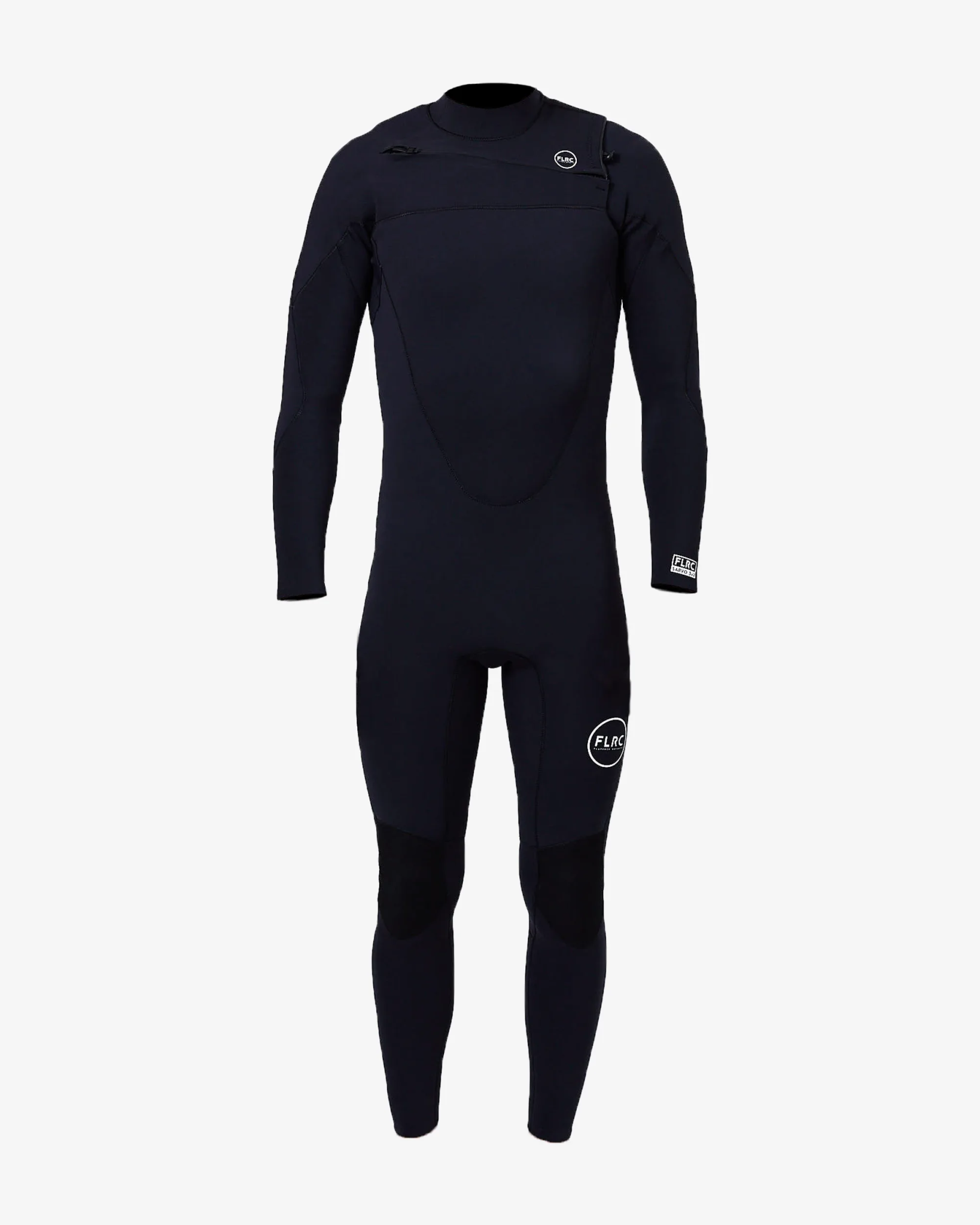
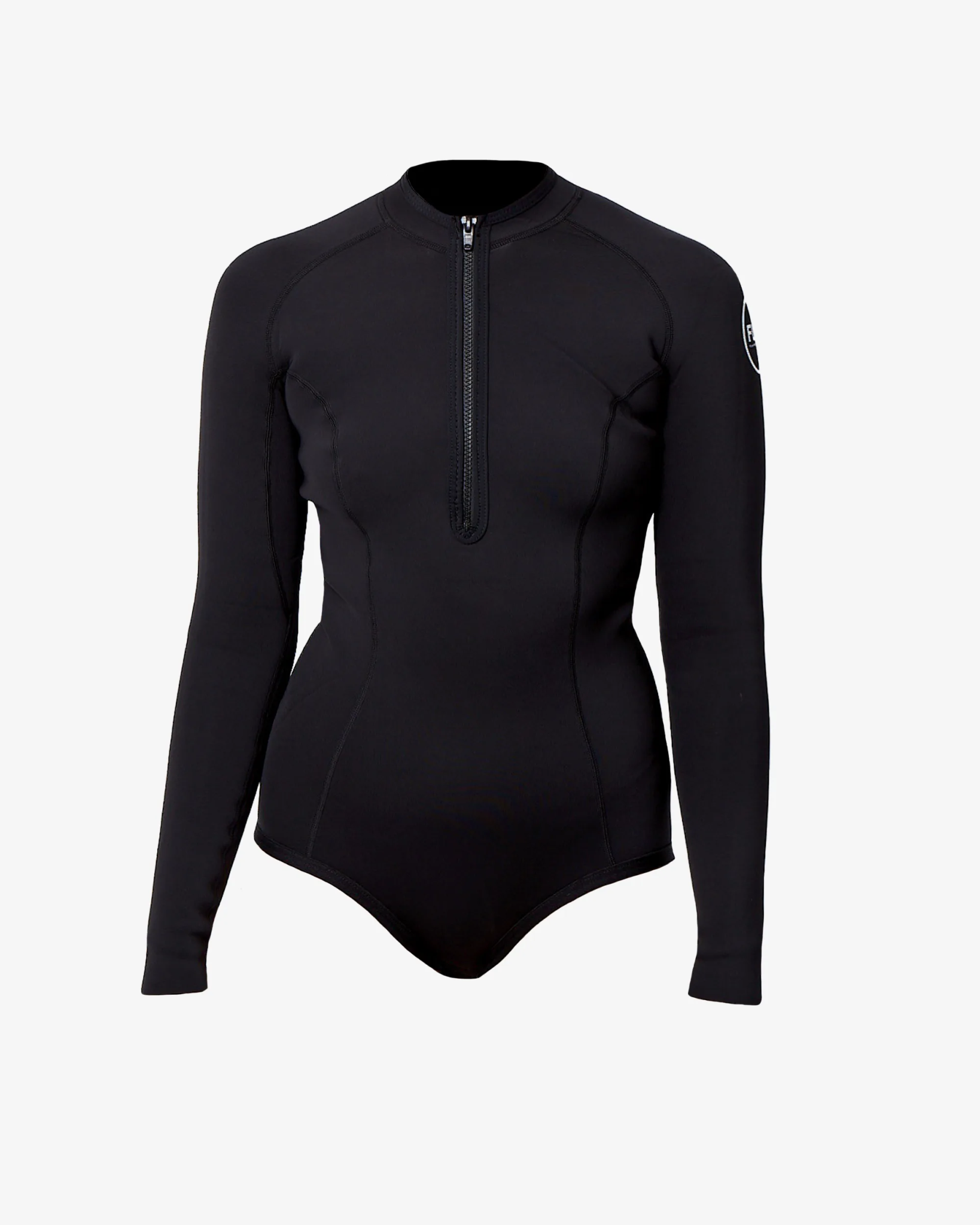
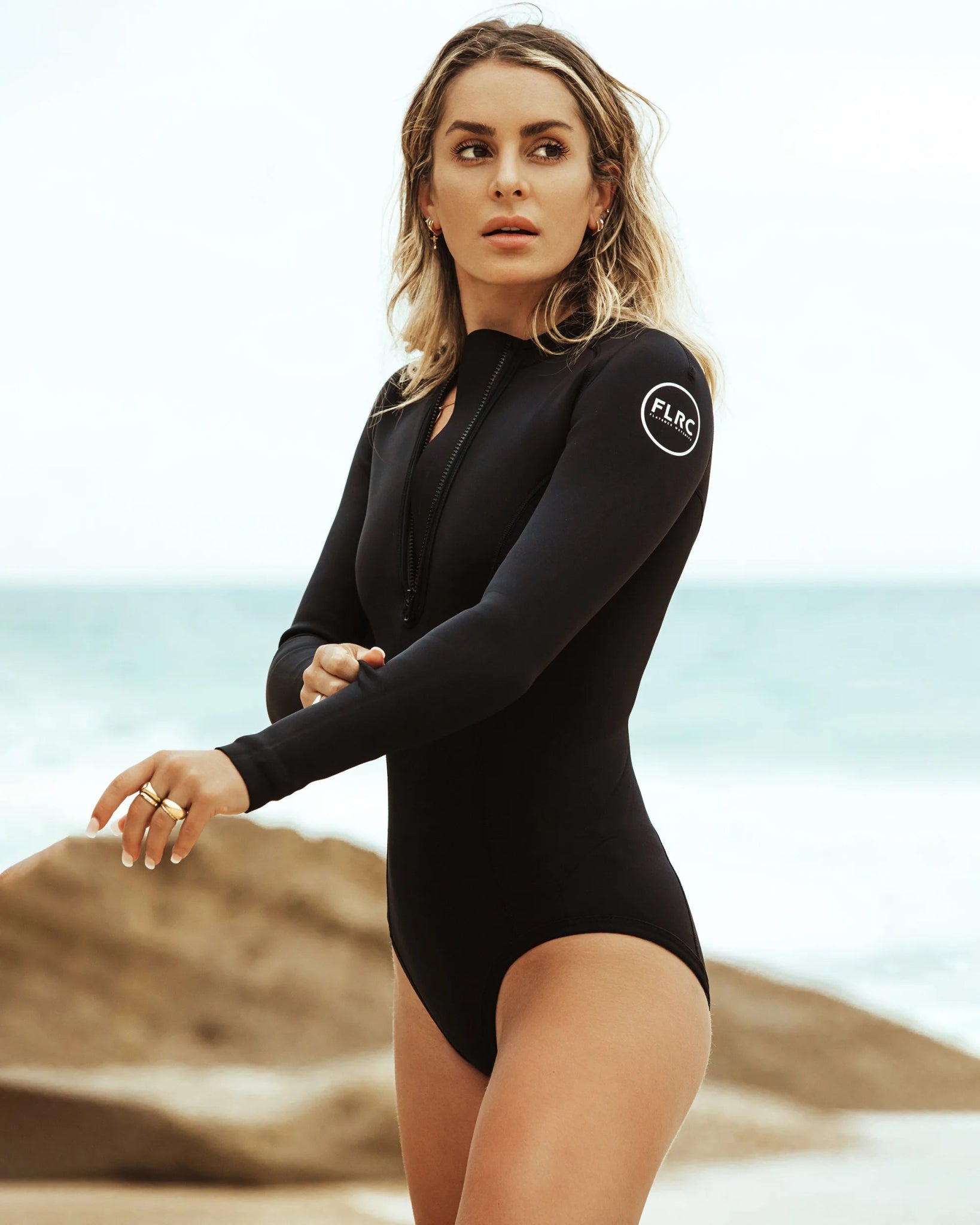
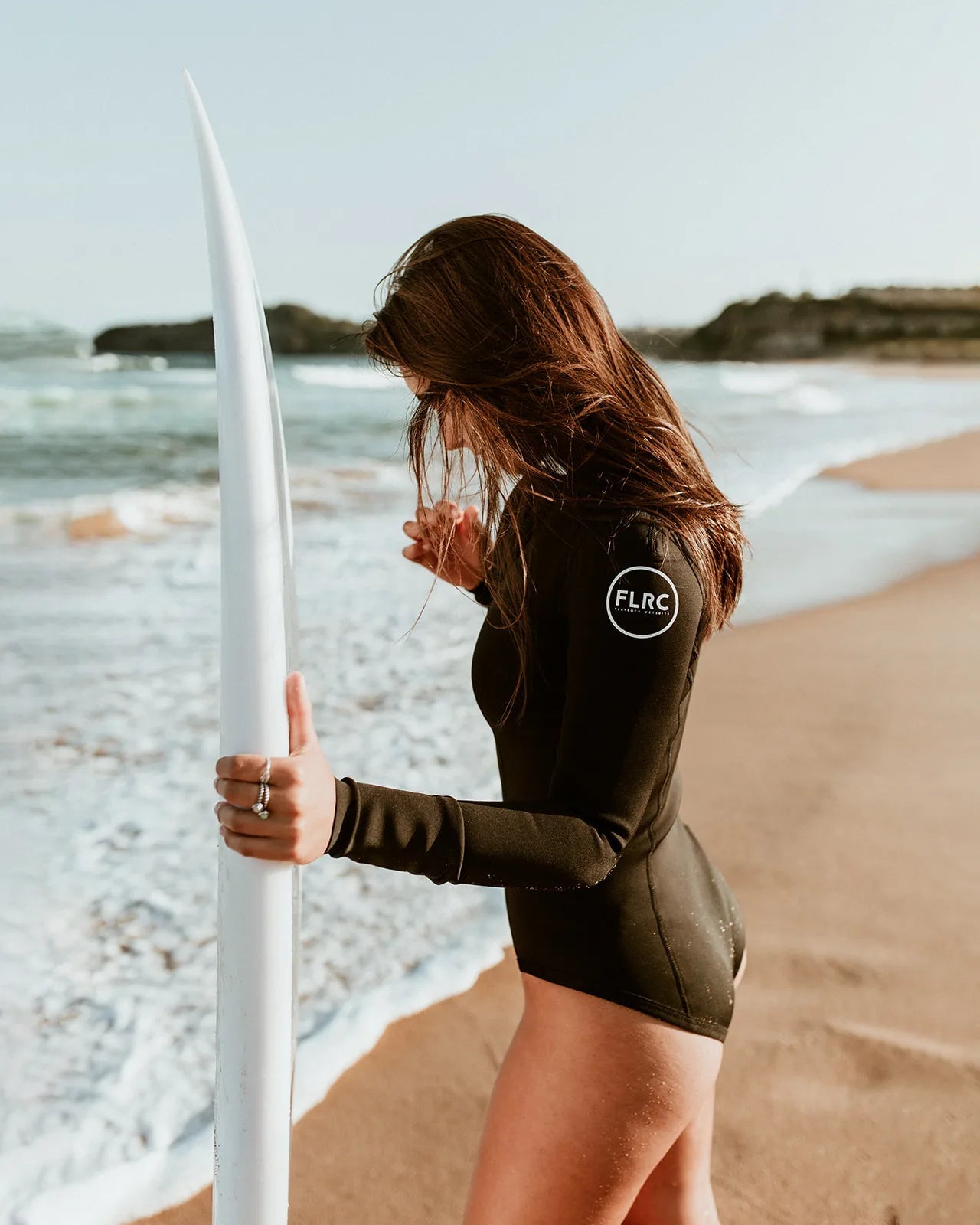
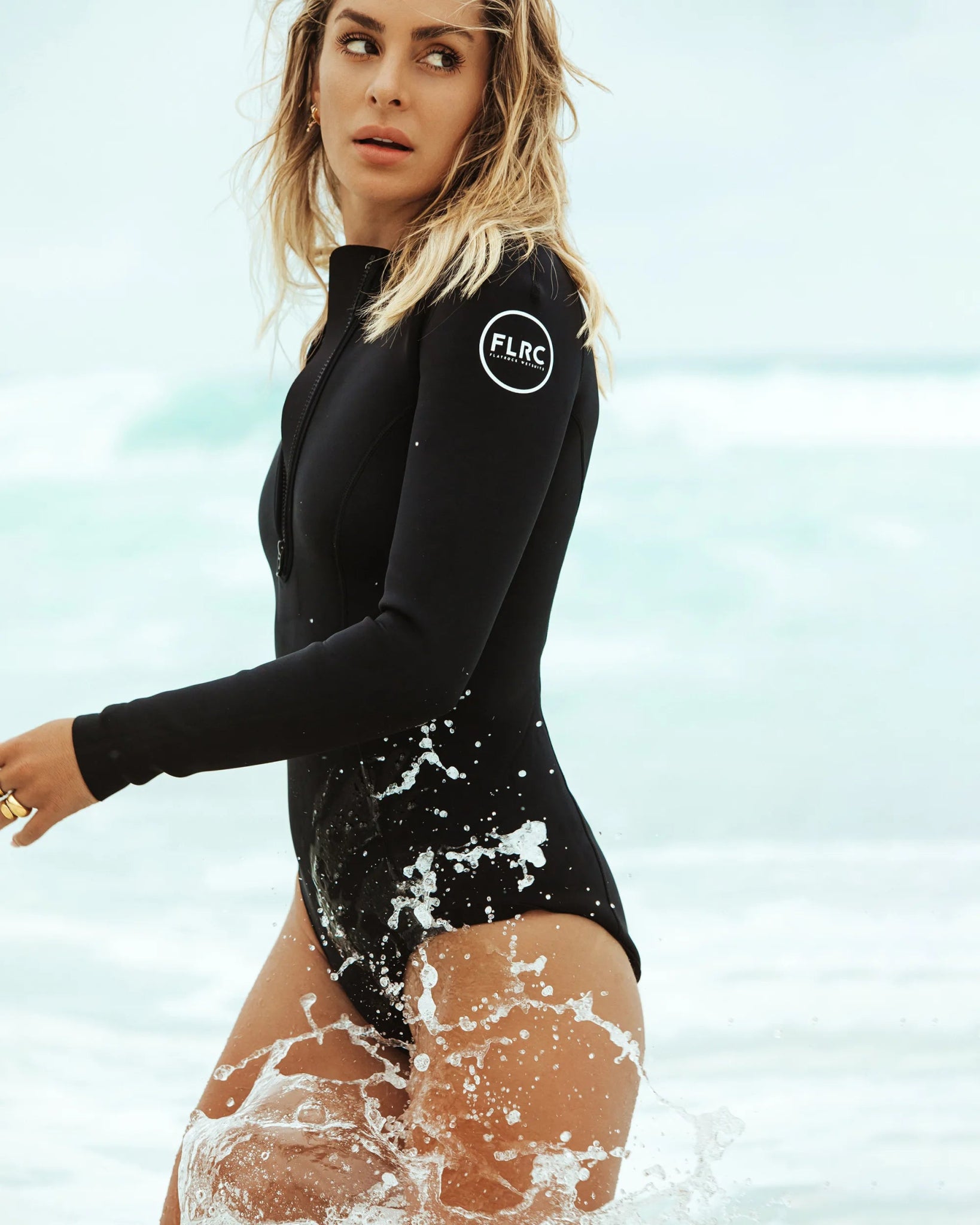
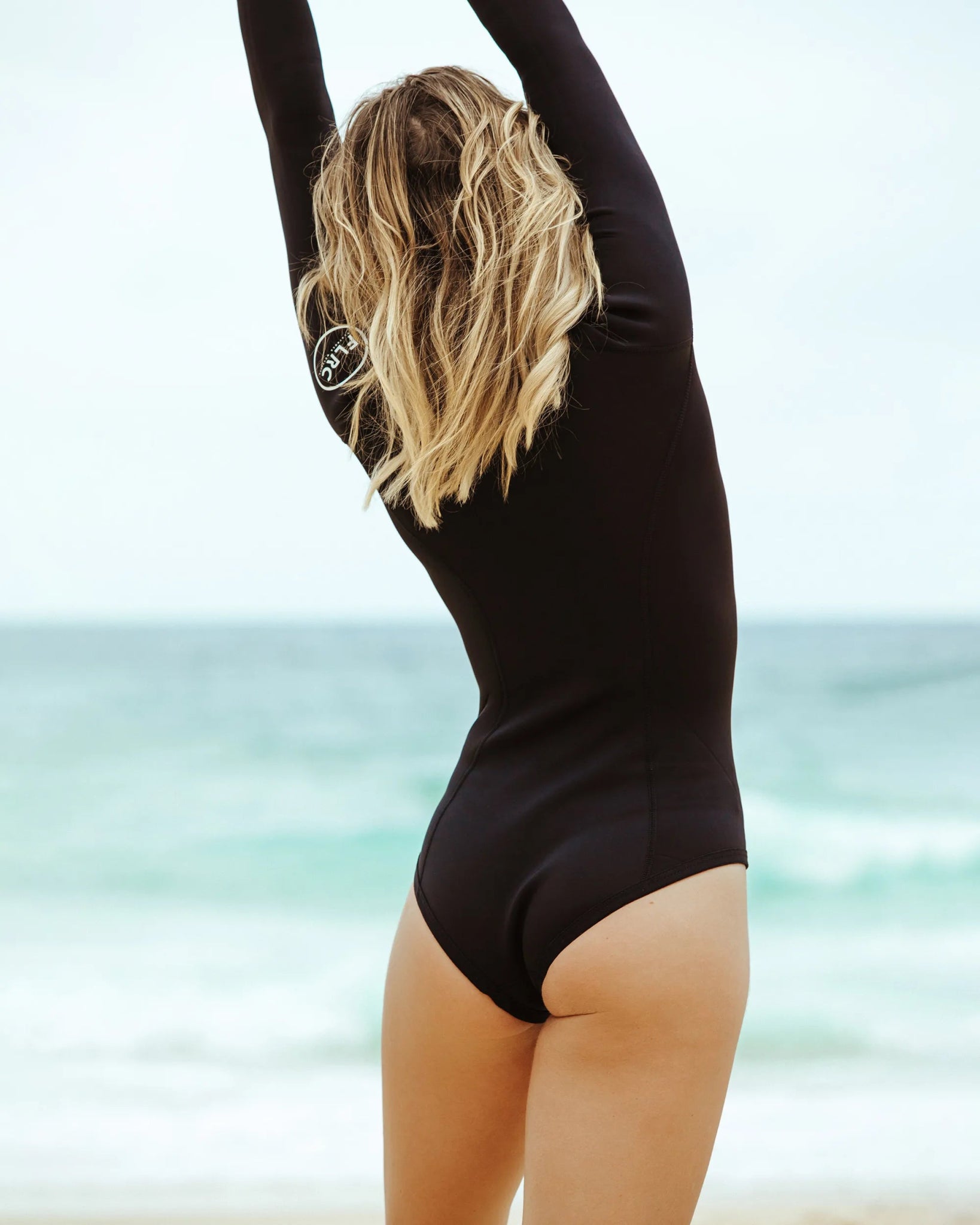
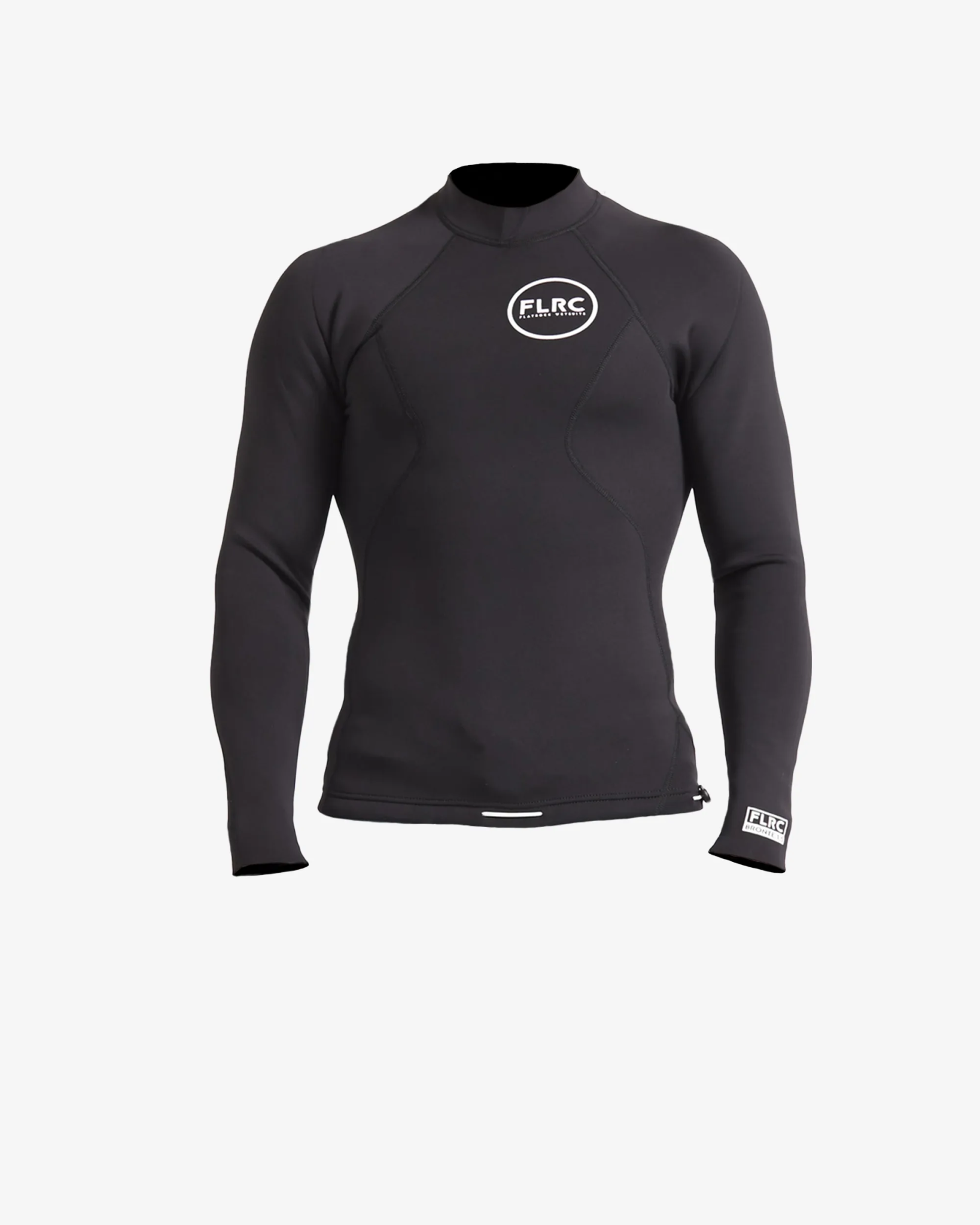
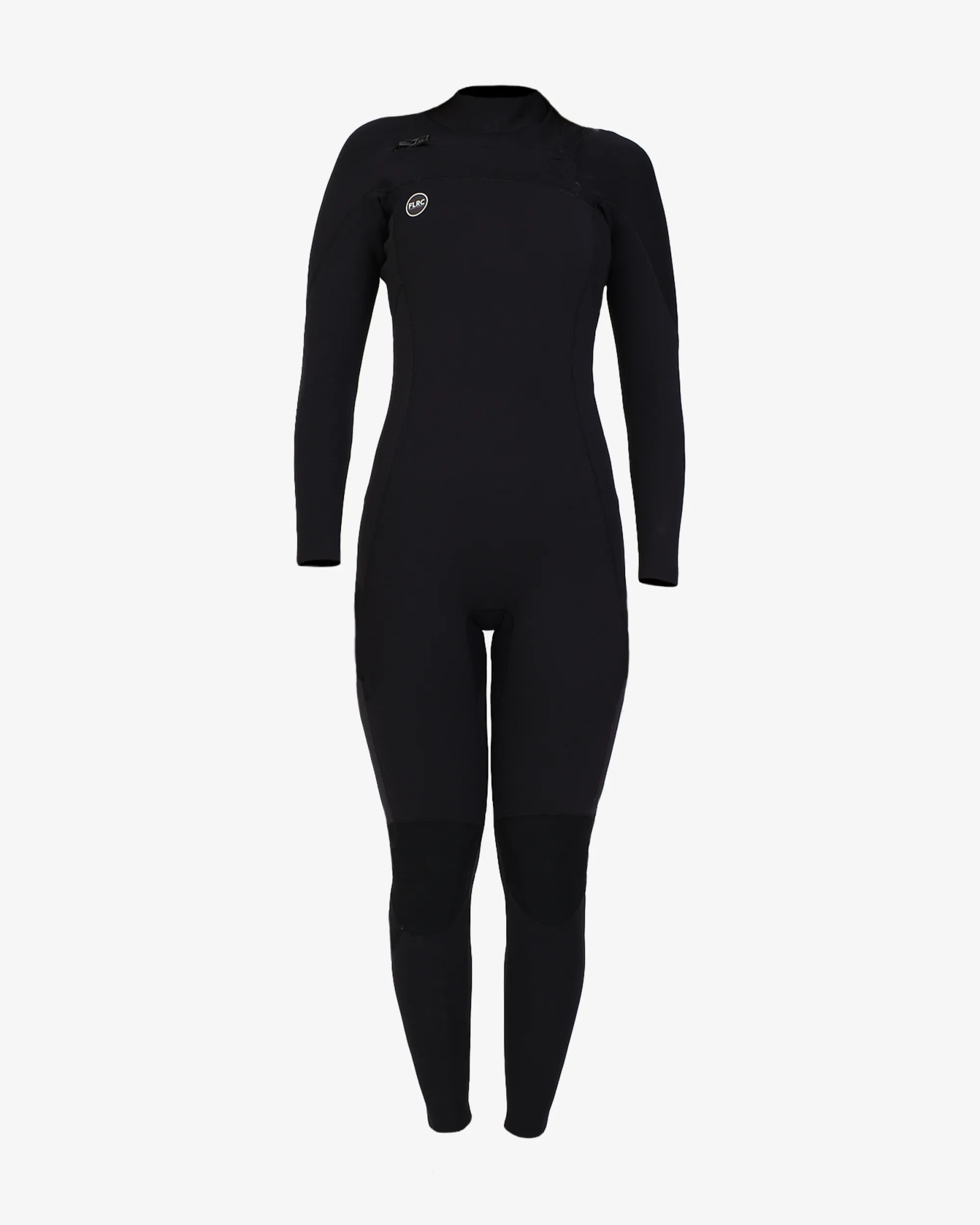
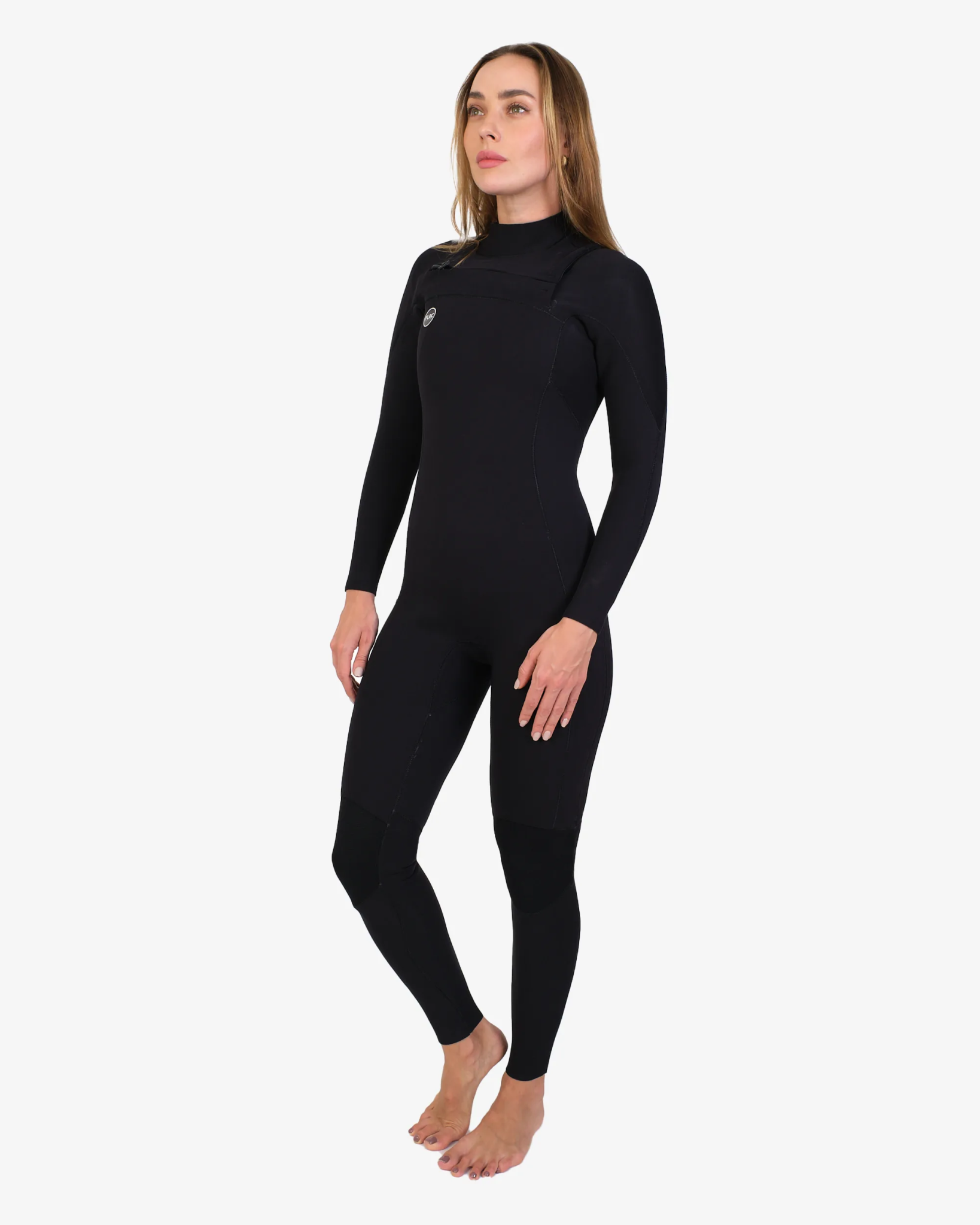
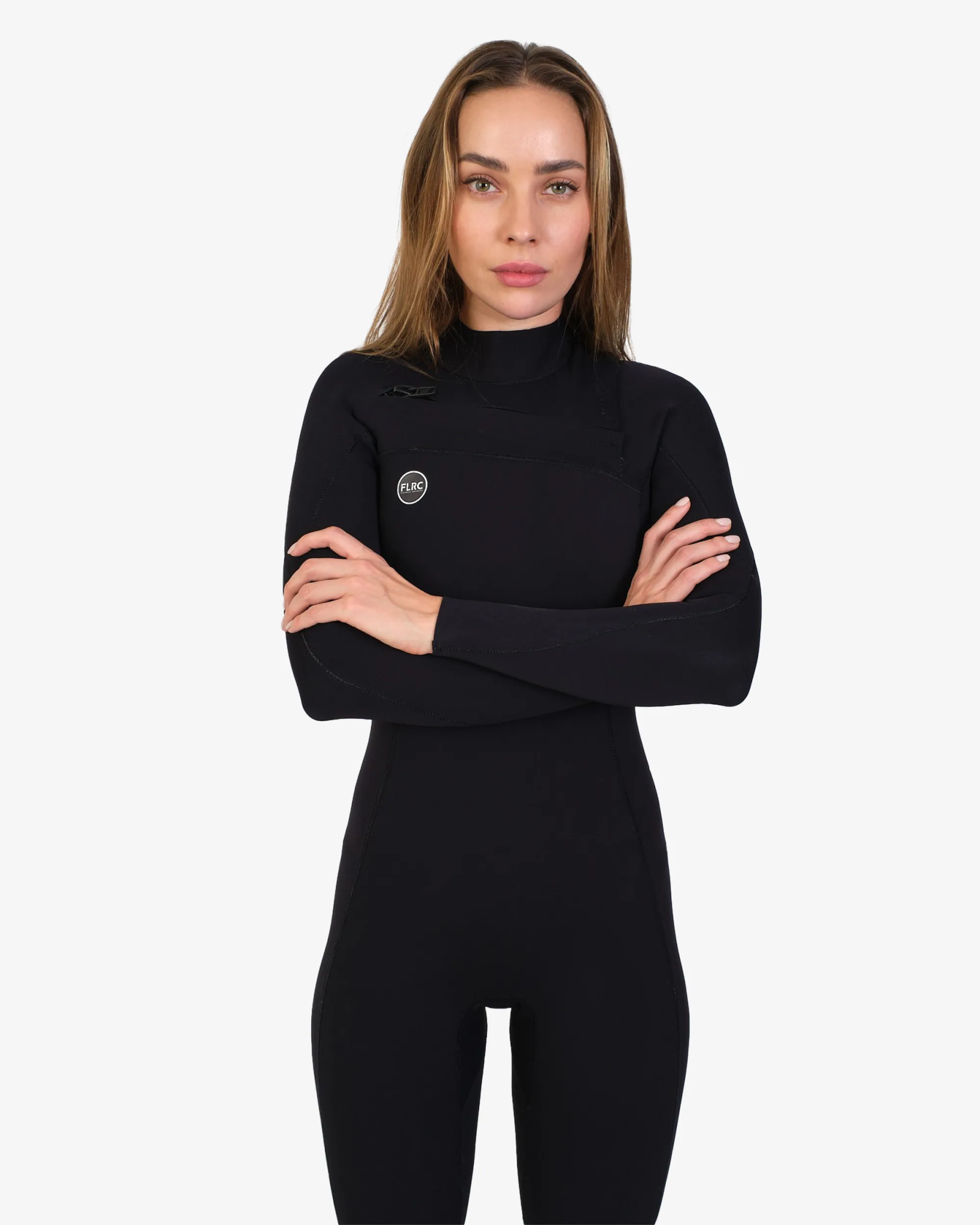
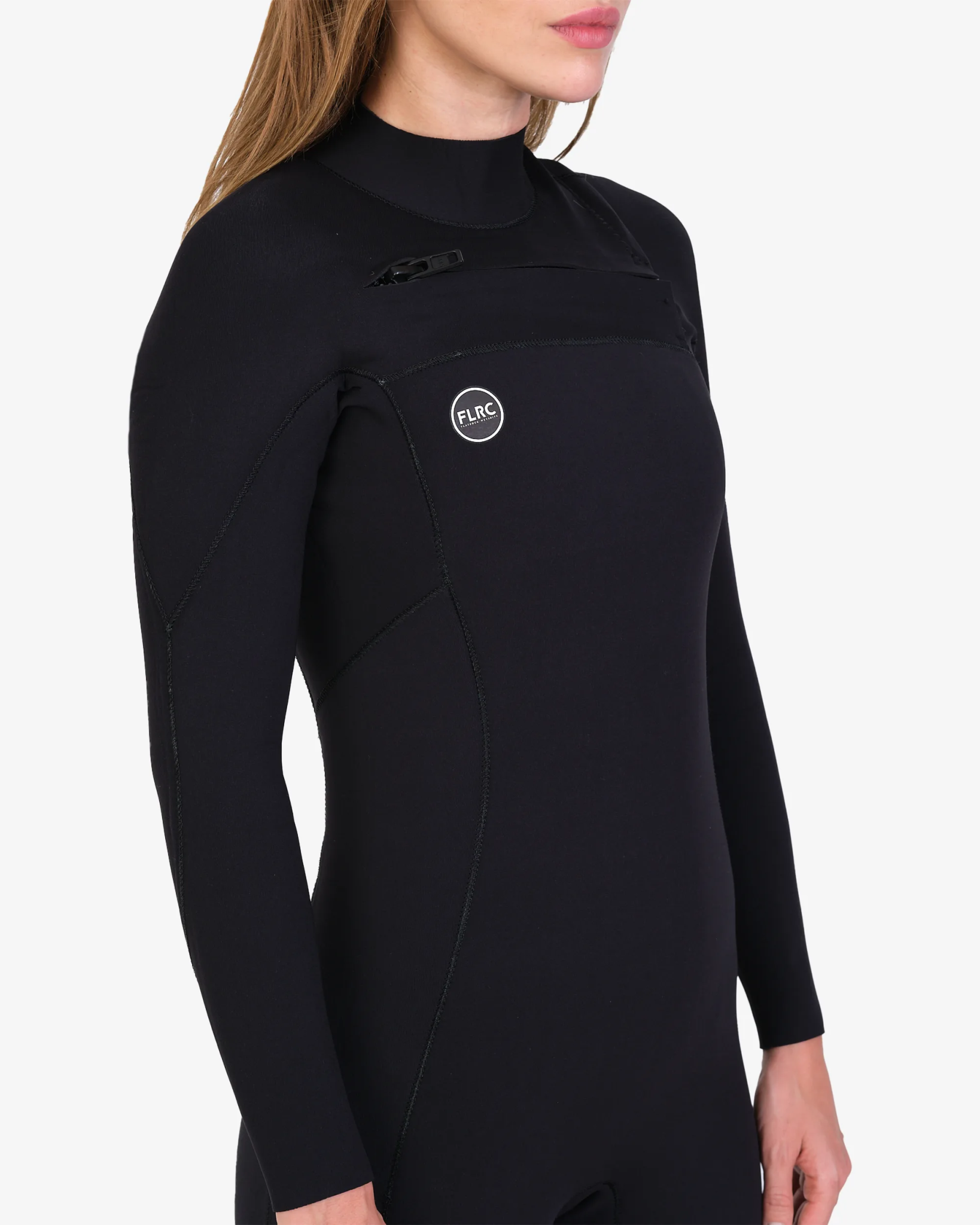
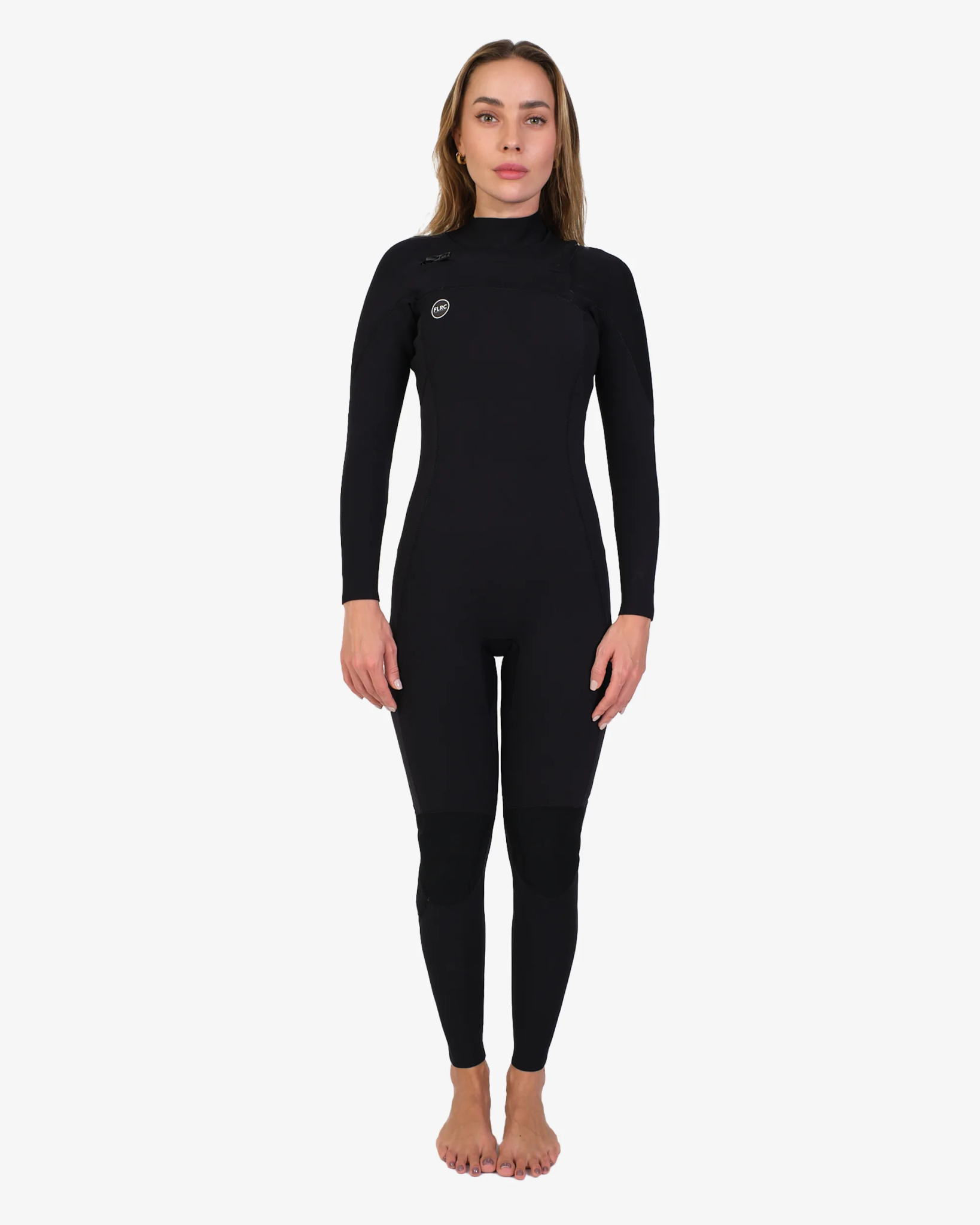
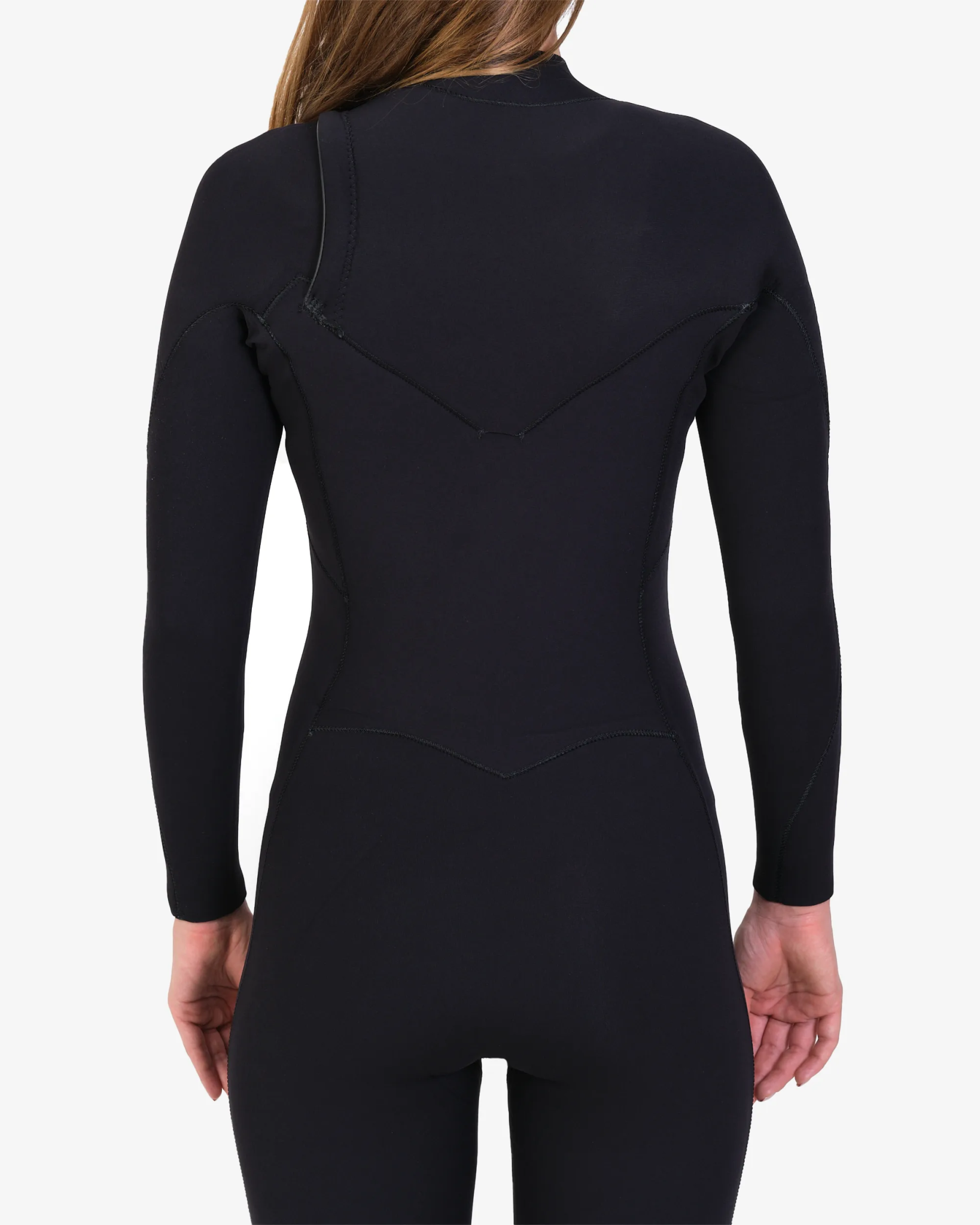
A wetsuit that's too thick, too tight, or cut with stiff panelling restricts your shoulder rotation, and a shoulder that can't fully extend can't paddle properly, no matter how good your technique is. Baggy neoprene drags water and adds weight, oversized panels bunch at the elbows and armpits, and too much thickness for the conditions saps your energy through overheating long before your arms actually tire. Test the fit by miming a full paddle stroke in the suit before you buy it: if your shoulders pull tight across the back partway through the stroke, size up or look at a style with more flexible panelling. Flatrock Surf's guide to choosing wetsuit thickness for Australian conditions is worth a read if you're not sure what you actually need for your local water temperature, and our wetsuit range is there once you know your number.
6. Paddling with short, splashy strokes instead of a full stroke
Short, fast, arms-only paddling feels like it should be quicker, but it's slower and far more tiring than one long, full stroke. Beginners often paddle with their head up too high, which sinks the tail the same way sitting too far back does, and cup their hands into a rigid claw instead of keeping the fingers loose and slightly spread. Flatten out with your chest and hips pressed into the deck, reach your hand out fully in front of you before it enters the water, and pull all the way through to your hip in one long stroke per side. Slow the stroke rate down and lengthen it out and you'll cover more distance per stroke while saving the energy you need for the actual wave.
7. Looking down at your feet instead of where you want to go
Where your eyes go, your board tends to follow, and staring down at your feet the moment you pop up is one of the fastest ways to end a ride early. Your head's heavy, and dropping your chin forward pitches your weight onto the nose and stalls the board. Pick a point down the line before you even stand, whether that's a section of the wave or just the beach ahead, and keep your eyes on it through the whole pop-up. It feels counterintuitive because you want to check your foot placement, but trust the stance you drilled on the sand and let your feet find their spot while your eyes do the steering.
Frequently asked questions
What's the most common mistake beginner surfers make?
Sitting too far back on the board causes more grief than anything else for beginner surfers: it lifts the nose, adds drag, and makes every wave harder to catch. Shuffle your weight forward a few centimetres and it usually fixes itself instantly.
Why does my wetsuit restrict my paddling?
Usually because it's too thick for the water temperature, too tight through the shoulders, or cut with stiff panelling across the back. Test your paddle stroke in the suit before you buy it, not after.
How long does it take to fix a slow pop-up?
Most surfers notice a faster pop-up within a week of practising the single-motion version on dry land for a few minutes a day. The movement needs to become automatic before it holds up in the actual chaos of a wave.
Do I need a bigger board if I keep falling off?
If you're falling off the moment you stand up, board volume is worth ruling out before you blame your technique. A board without enough volume for your weight and experience gives a beginner very little stability margin to work with.
Is duck-diving something I need to learn early?
Yes, it's one of the first skills worth drilling, since mistiming it wastes energy and leaves you fighting the same wave twice. Start the dive a beat earlier than feels natural and let the board's buoyancy do the rest.