

The best beginner surfboard comes down to volume for your weight, not whatever's printed on the deck. Start on a foamie for stability and forgiveness in the whitewater, move up to a mini-mal or longboard once you're catching unbroken waves, then step down to a fish or hybrid once your paddling and pop-up have sharpened up. We see plenty of first-timers wrestling with boards that are simply too small for their weight, and it's one of the fastest ways to make learning harder than it needs to be. Match the volume to your build and the board type to the conditions you're actually surfing in, and the learning curve gets a lot shorter. It's spring 2026, and Sydney's water is still shaking off the last of winter, so pairing the right board with the right wetsuit thickness matters just as much as the board itself.
What's the best type of surfboard to start on?
Most beginners do better working through three board types as their skill builds, rather than buying one board and expecting it to do everything. A foamie gets you standing up and reading whitewater without punishing every fall. A mini-mal or longboard adds the paddle power and stability to catch waves before they break, so you start riding open faces instead of just whitewater. A fish or hybrid is the step-up once your turns and paddling are solid, trading a bit of stability for speed and manoeuvrability. Skipping straight to a smaller, lower-volume board because it looks like what the experienced surfers ride is one of the biggest reasons beginners plateau early.
Why does volume matter more than length when choosing a beginner board?
Volume, measured in litres, is how much foam is under you, and it's what actually decides how easily a board floats, paddles and catches waves under your bodyweight. Two boards can be the same length and ride completely differently if one's wider and thicker than the other. As a rough guide, a rider around 80-90kg typically needs somewhere in the 70-90 litre range to paddle into whitewater without a fight, while a rider closer to 60kg can usually get away with 50-65 litres on the same style of board. Our surfboard volume calculator guide breaks the maths down further if you want an exact number before you buy.
How do foamies, mini-mals and fish compare for beginners?
| Board type | Best for | Typical volume |
|---|---|---|
| Foamie / soft-top | Absolute beginners learning to pop up | 60-100L |
| Mini-mal / longboard | Catching unbroken waves | 50-70L |
| Fish / hybrid | Building speed and manoeuvrability | 30-45L |
Foamies (soft-top boards)
Best for: absolute beginners still learning to pop up and read whitewater.
Foamies run roughly 7 to 9 feet long, with volumes generally sitting in the 60-100 litre range, weighted toward the top end for heavier riders. The soft deck, soft rails and soft fins mean wipeouts sting a lot less, which counts for a lot on Sydney's crowded, punchy beach breaks where you're sharing the takeoff zone with everyone else on a foamie. They're stable, forgiving and cheap to replace if you ding one, but they're hard to turn, and you'll outgrow the whitewater fast once your paddling improves.
Mini-mals and longboards
Best for: surfers who've got the pop-up sorted and are ready to catch unbroken waves.
Sitting around 7'6" to 9'6", with volume in the 50-70 litre band for an average adult, mini-mals give you enough paddle power to catch waves earlier and further out, while staying stable enough to learn trim and your first proper turns. They're great on the mellower beach breaks and points around Sydney, but they're heavy to carry and hard to duck dive once the swell picks up, so the fun runs out once conditions get punchy or hollow.
Fish and hybrid boards
Best for: the step-up once your turns and paddling are solid and you want more speed.
Fish and hybrid shapes drop down to around 5'6" to 6'6", with volume typically in the 30-45 litre range depending on your weight and experience. The wider outline keeps the paddle power without giving up the manoeuvrability you've been missing on a mini-mal, and the flatter rocker suits the quick, punchy waves typical of Sydney's beach breaks, where you need speed through the flat sections to link turns. Once you're consistently riding a fish, it's usually time to look at our guide to intermediate surfboards for what comes next.
What wetsuit thickness do you need for spring surfing in Sydney?
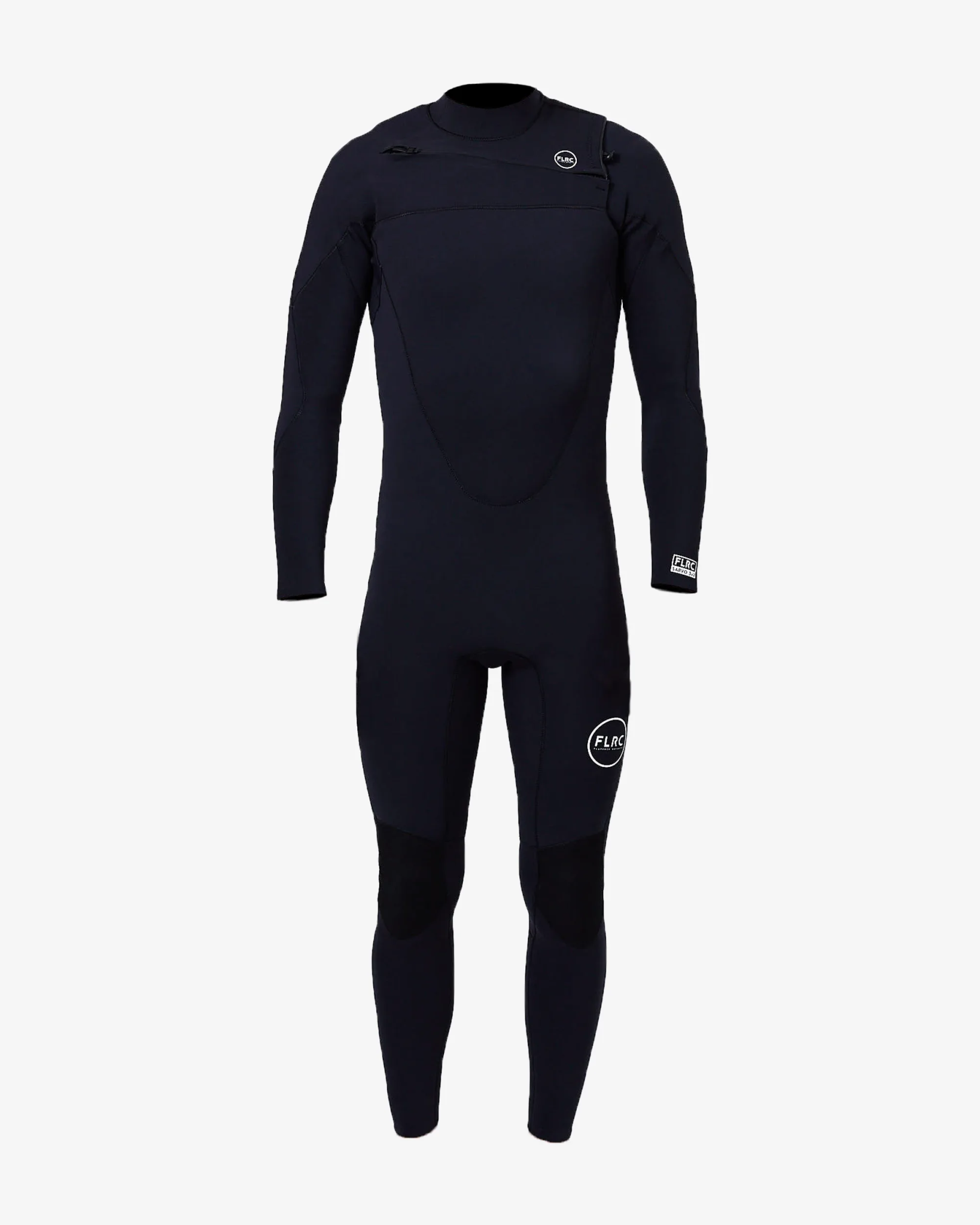
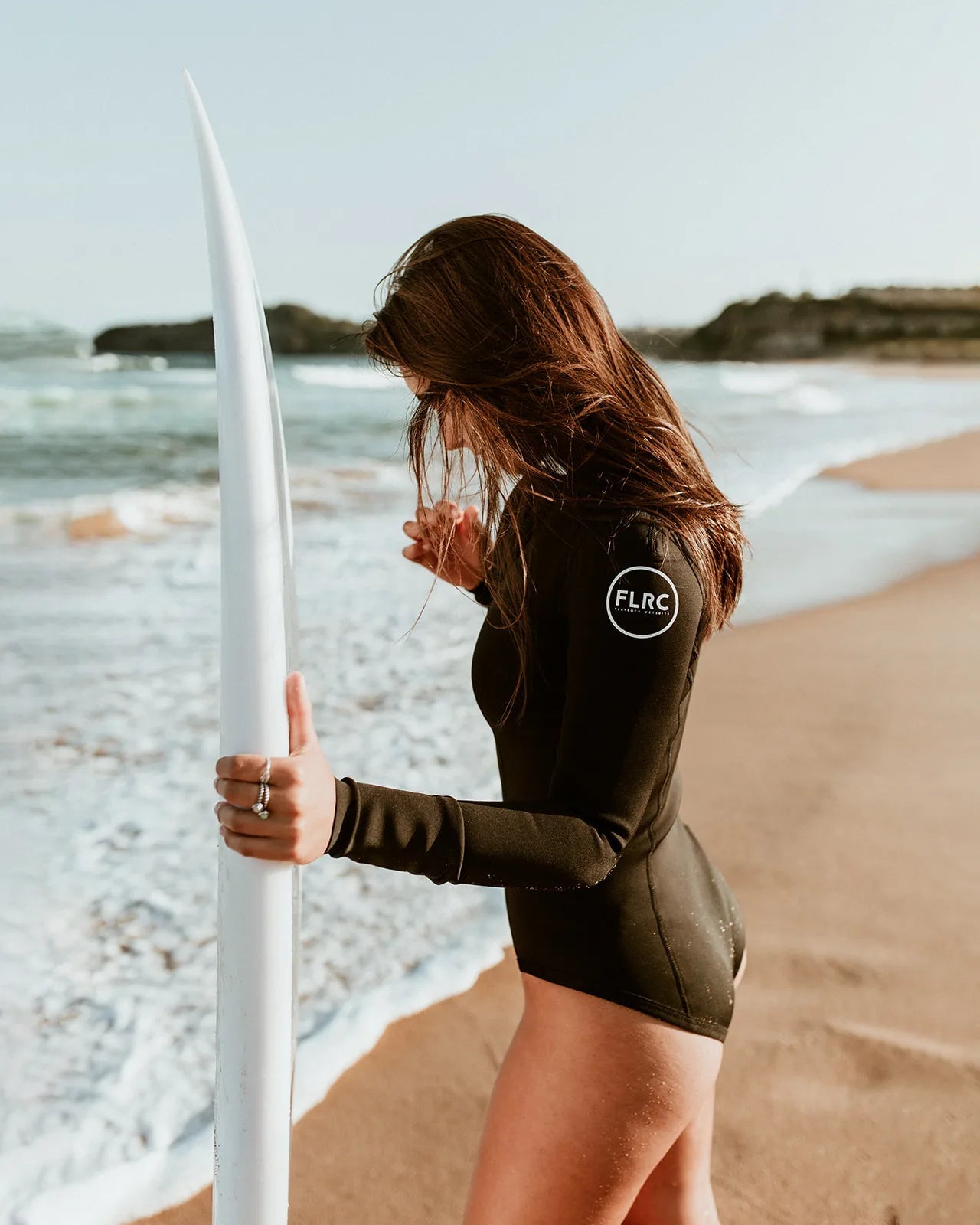
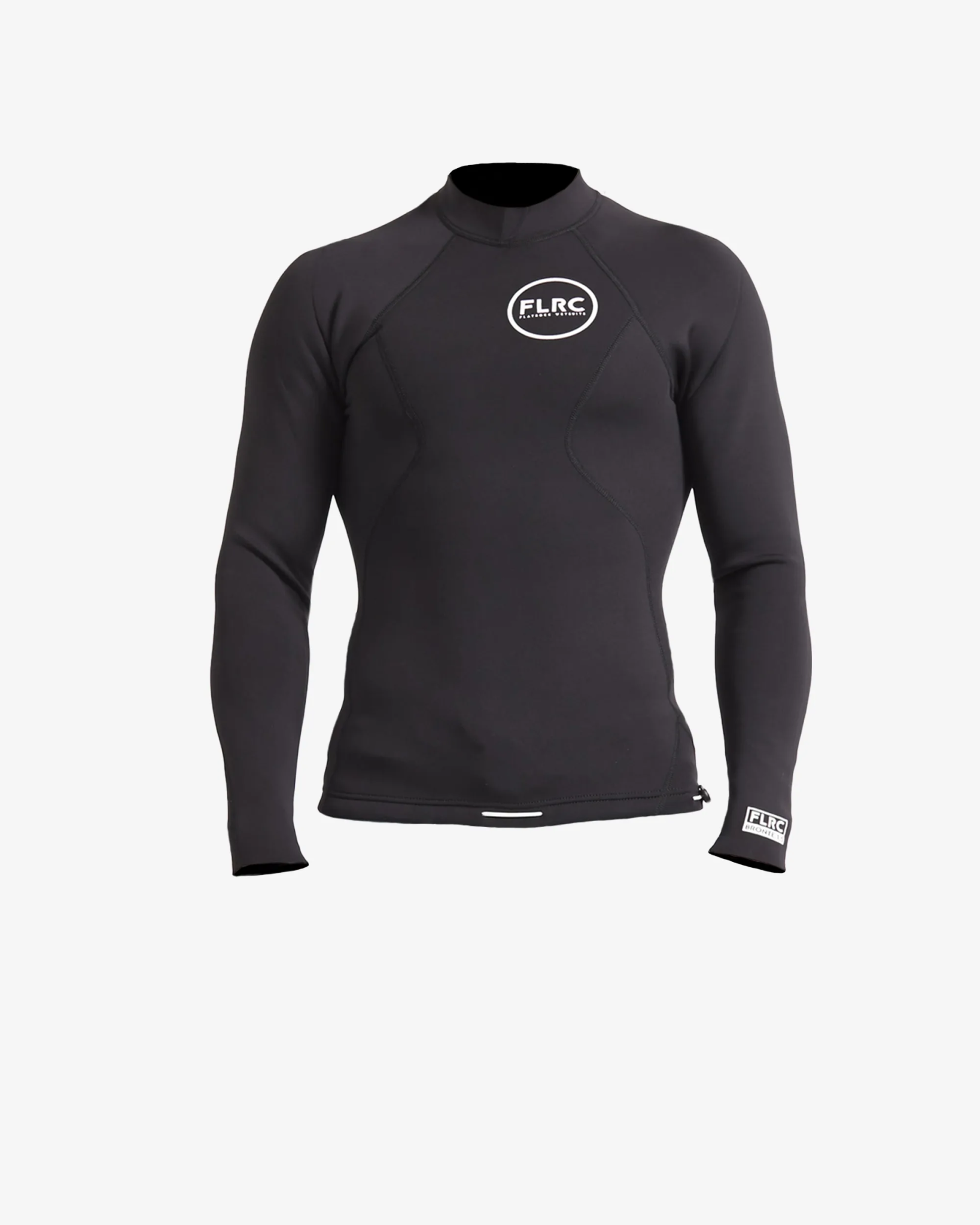
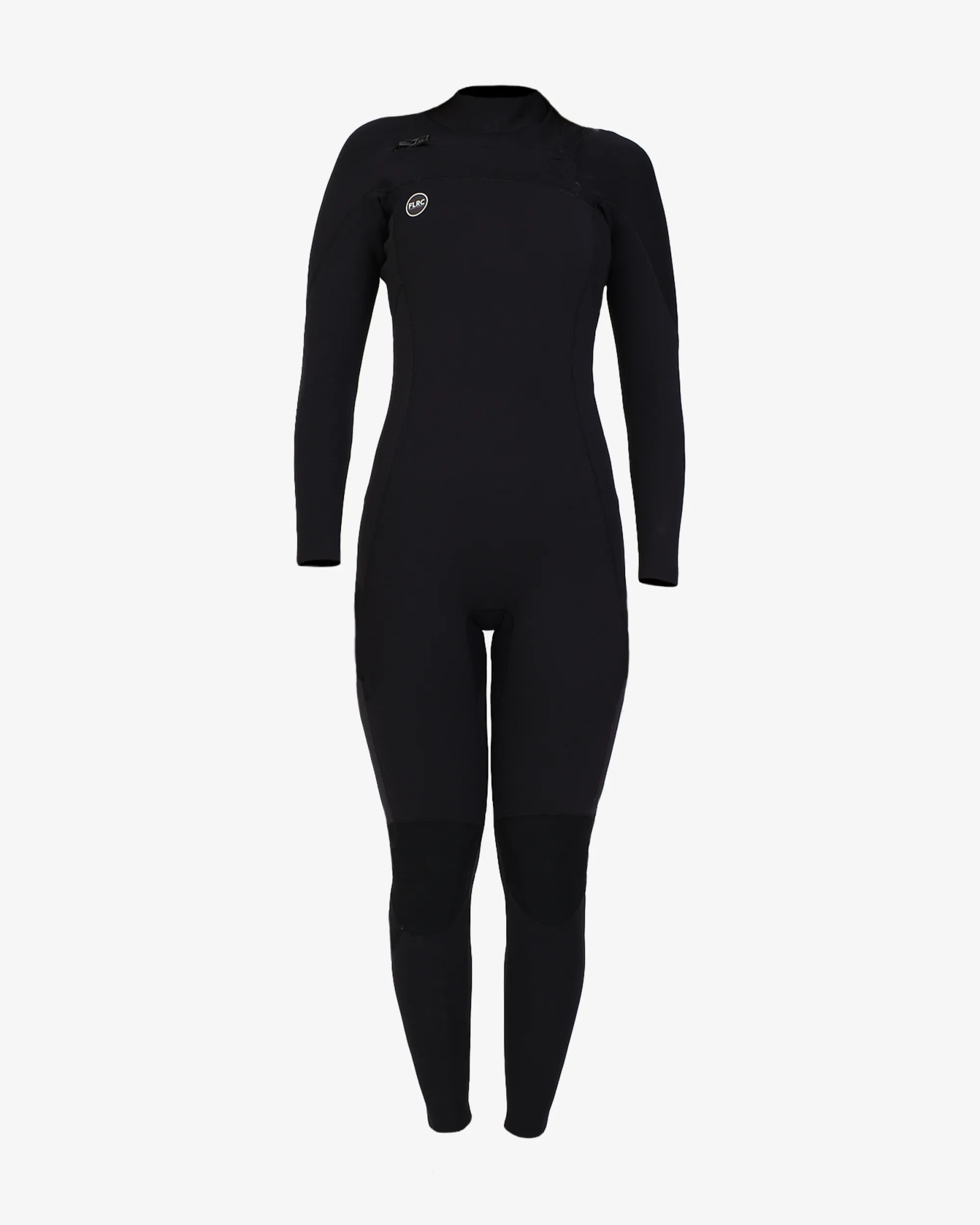
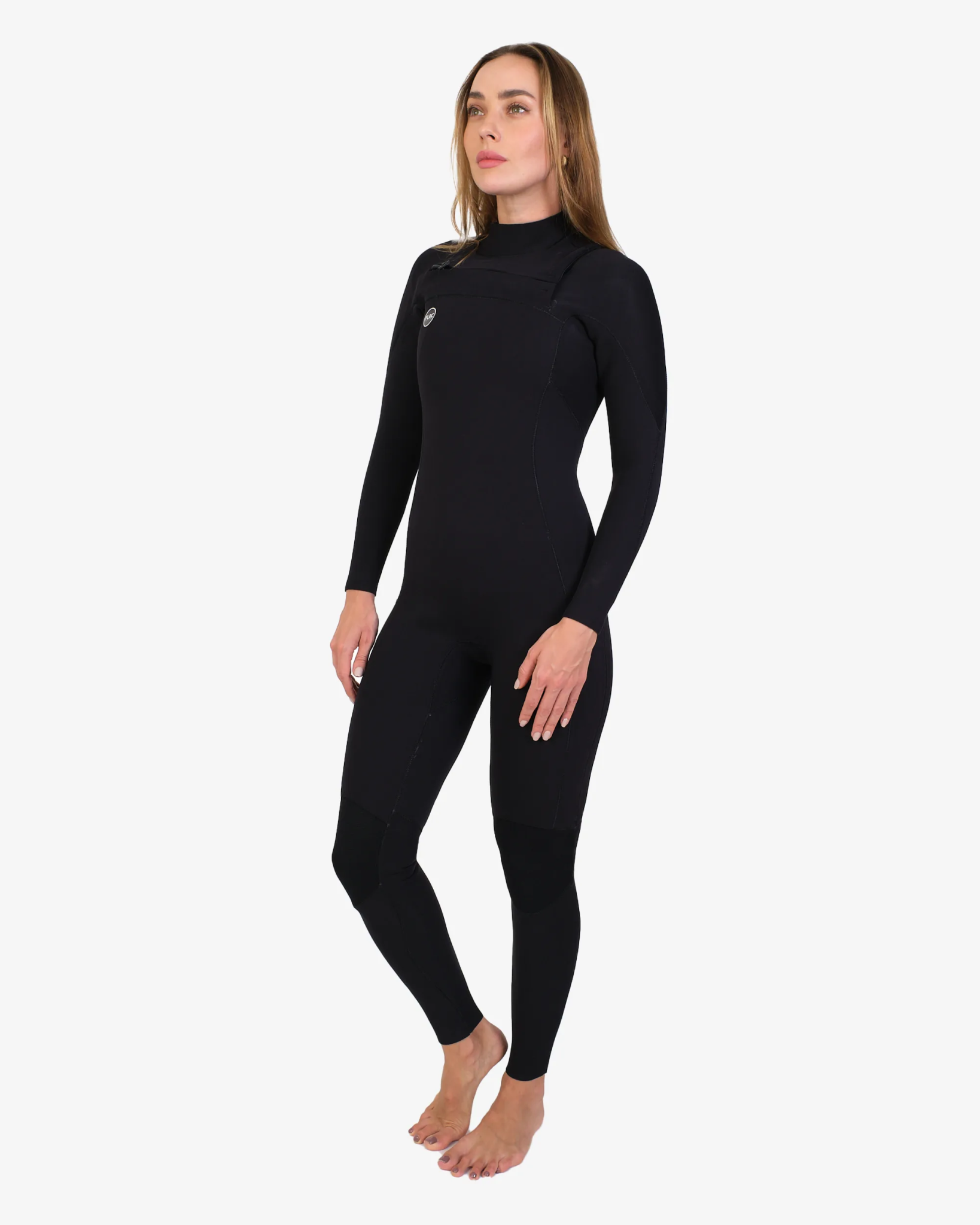
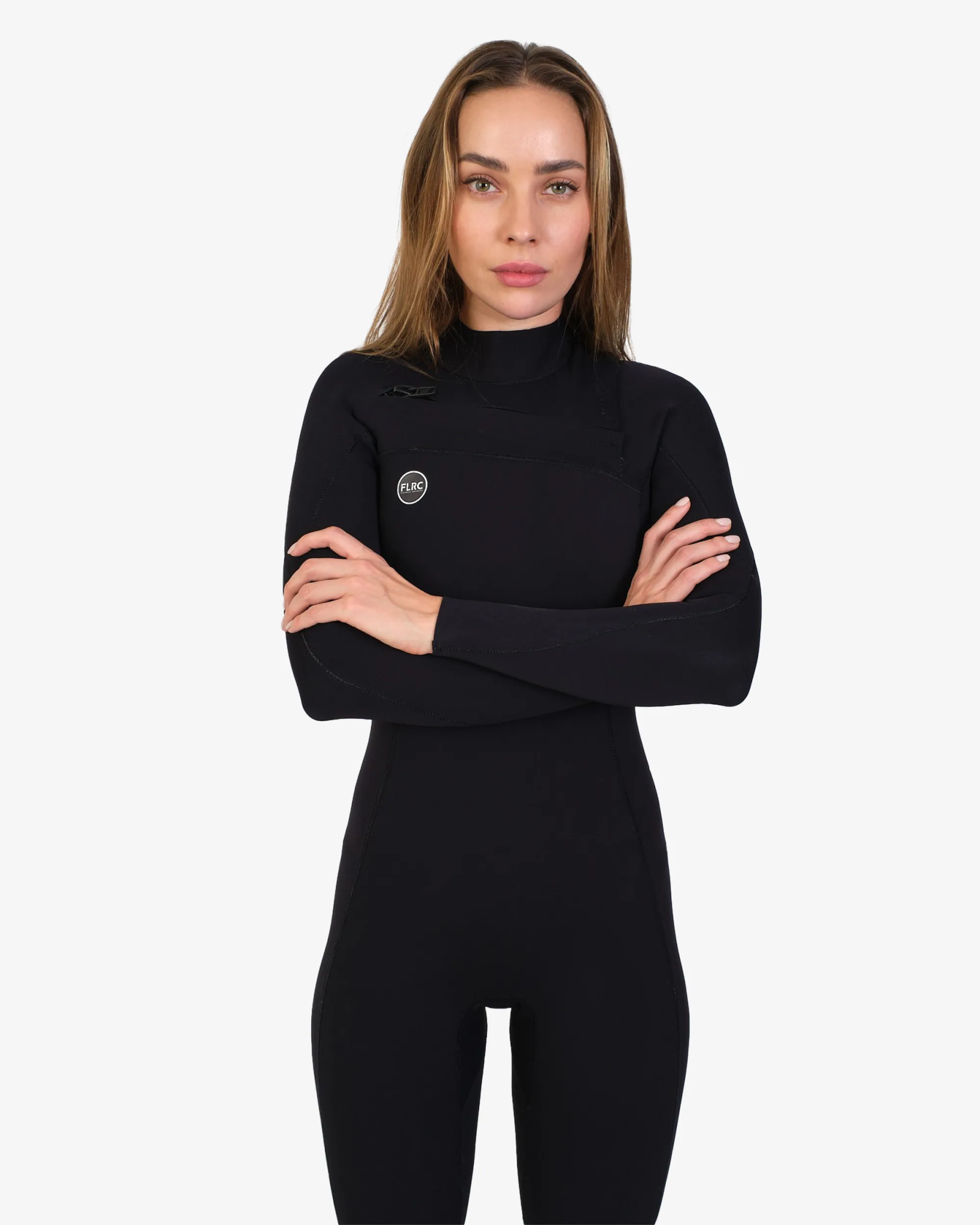
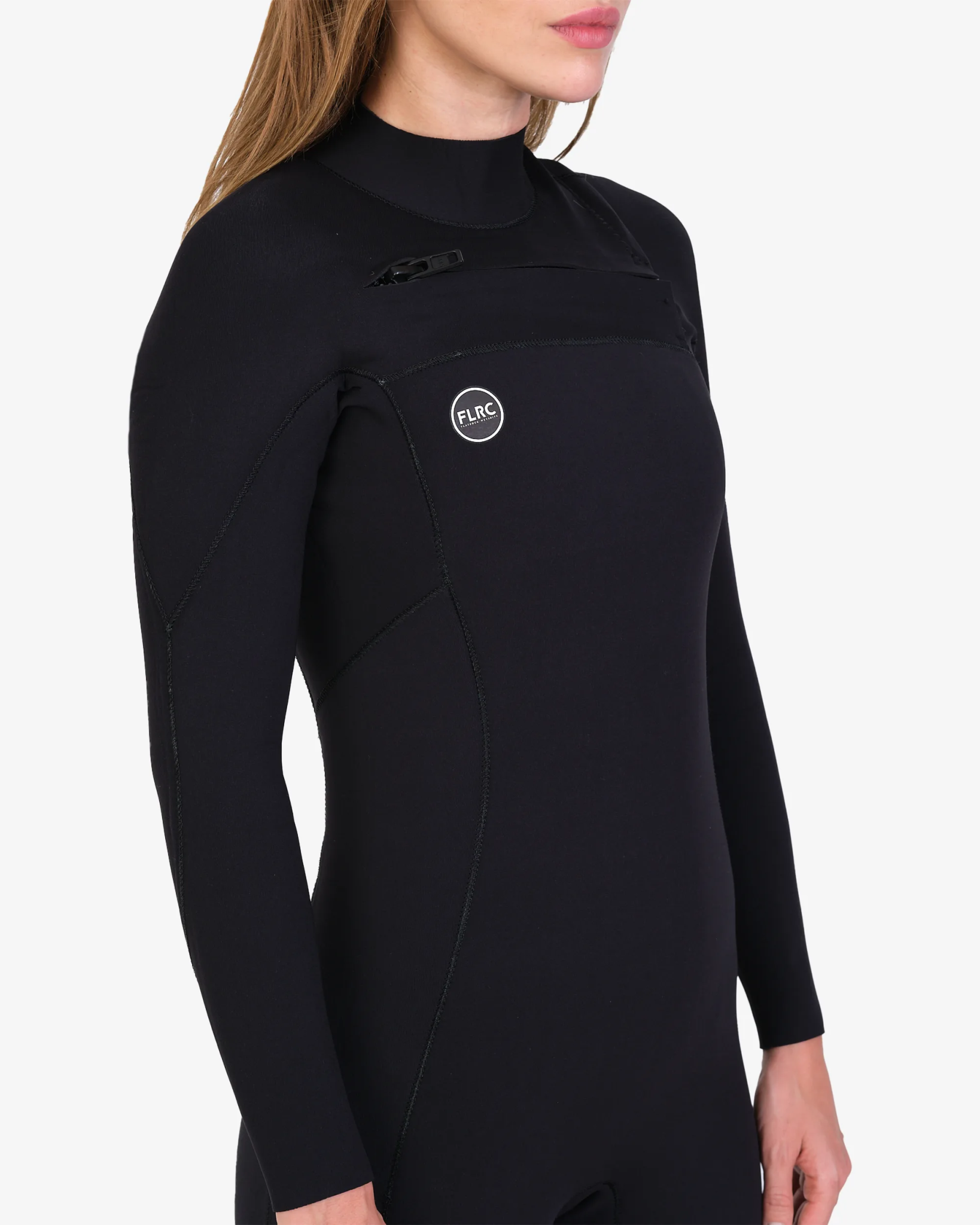
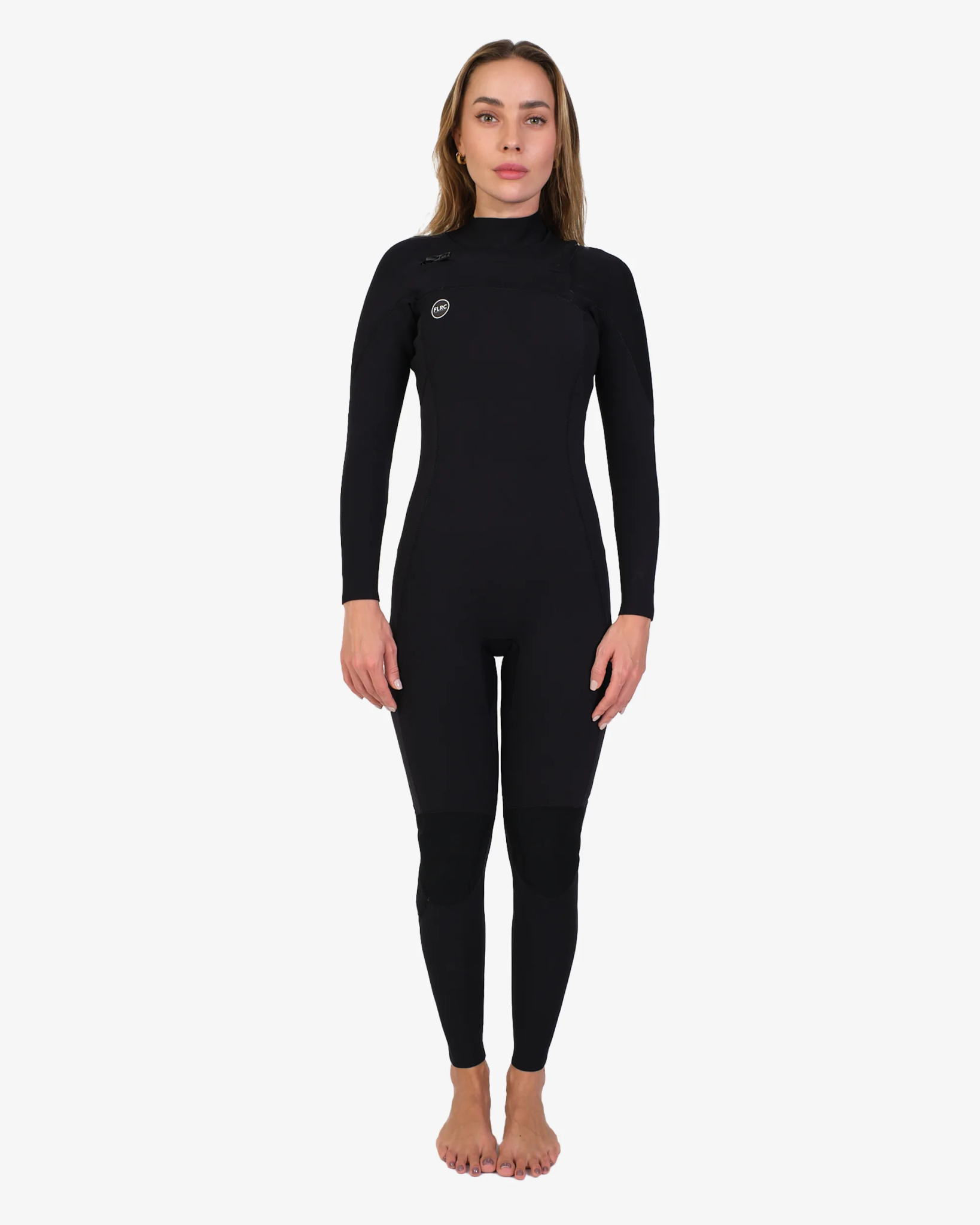
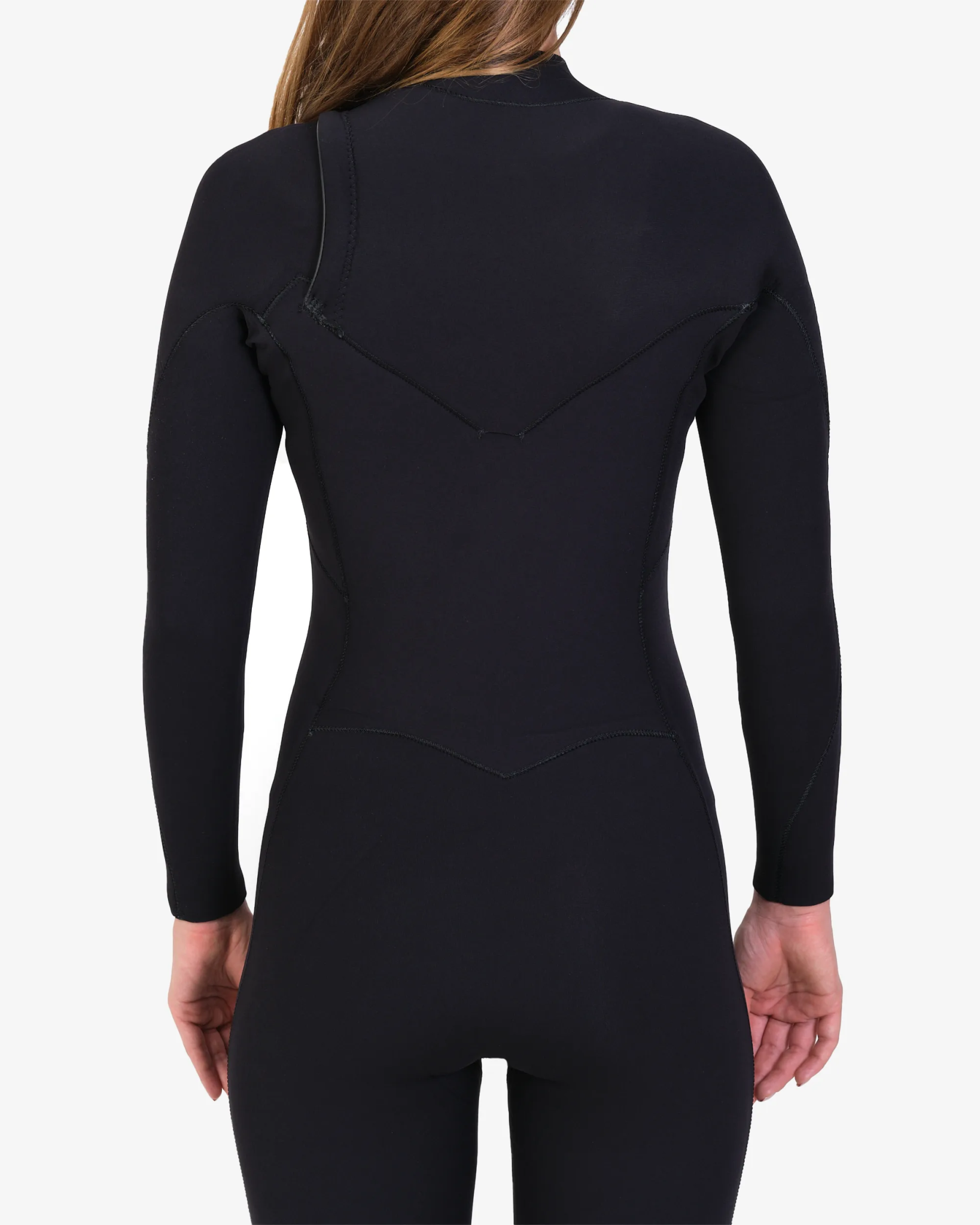
A 3/2mm steamer is the standard entry-level wetsuit for spring surfing around Sydney. Sydney's water sits in the 18-24°C range across the year, and early spring is generally on the cooler end of that band as it climbs out of winter, so a 3/2mm gives you enough warmth without the bulk of a full winter wetty. If you're feeling the chill on early dawn patrols, a thin pair of boots is an easy add without upgrading the whole suit. Our wetsuit thickness guide for Australia covers the full breakdown by region and season if you're chasing waves outside Sydney too, and you can browse our wetsuit range for entry-level options built for exactly this kind of spring sesh.
Frequently asked questions
What size surfboard should a beginner buy?
Buy based on volume, not just length. Our surfboard volume calculator guide walks you through matching litres to your bodyweight and fitness level, rather than picking a board because of its shape or length alone.
Should I start on a foamie or a mini-mal?
Start on a foamie if you can't yet stand up consistently in the whitewater. Move to a mini-mal once you're popping up reliably and ready to start catching unbroken waves further from shore.
How much volume does a beginner surfboard need?
Most adult beginners need somewhere between 50 and 100 litres, depending on bodyweight, with heavier riders and complete beginners sitting toward the higher end of that range.
What wetsuit thickness is best for a beginner surfing Sydney in spring?
A 3/2mm steamer suits most beginners surfing Sydney in spring, since water temperatures are climbing out of winter but haven't hit summer highs yet.
When should I move from a mini-mal to a fish or hybrid board?
Move to a fish or hybrid once you're comfortable turning on an open face and after more speed and manoeuvrability than a mini-mal can give you.