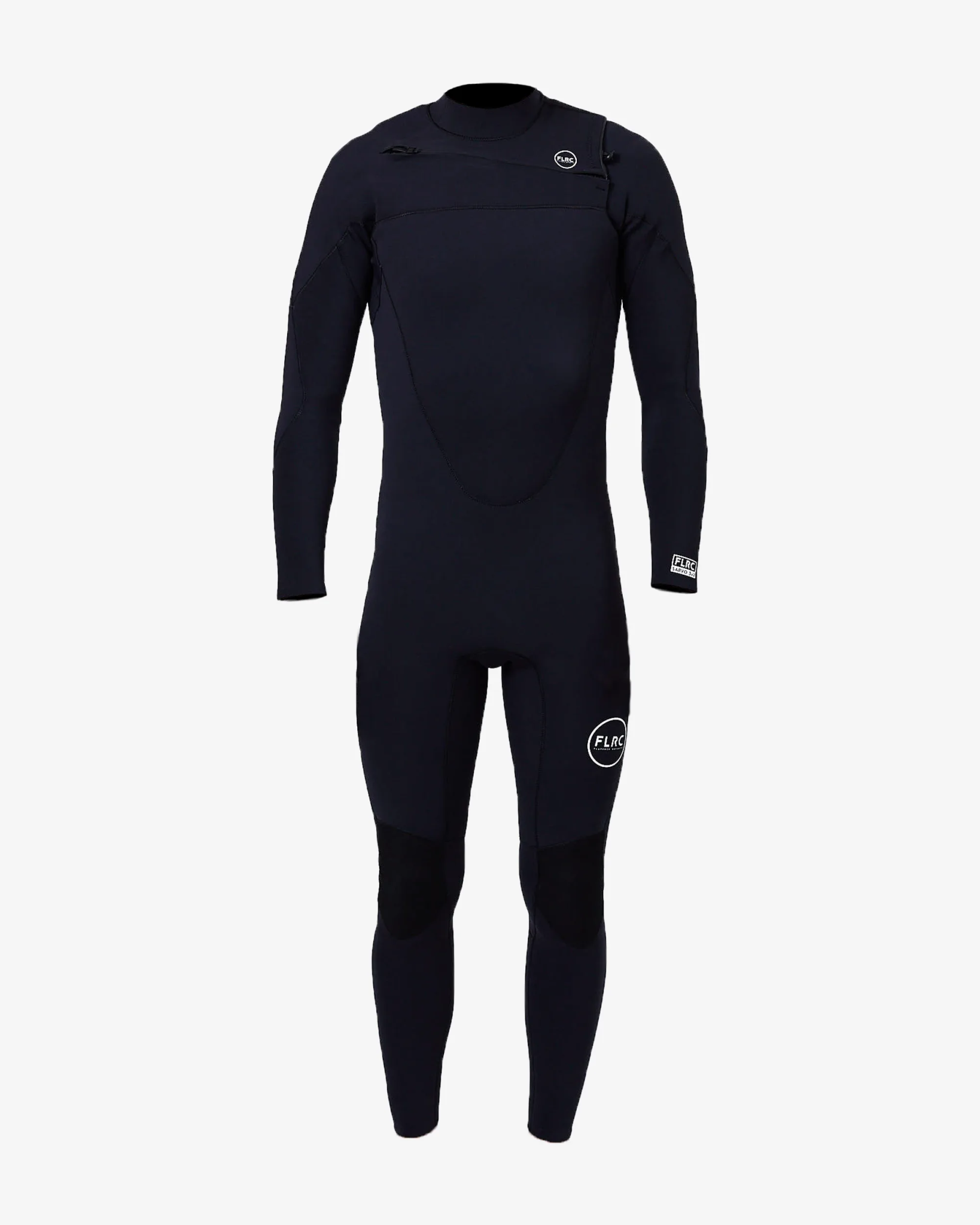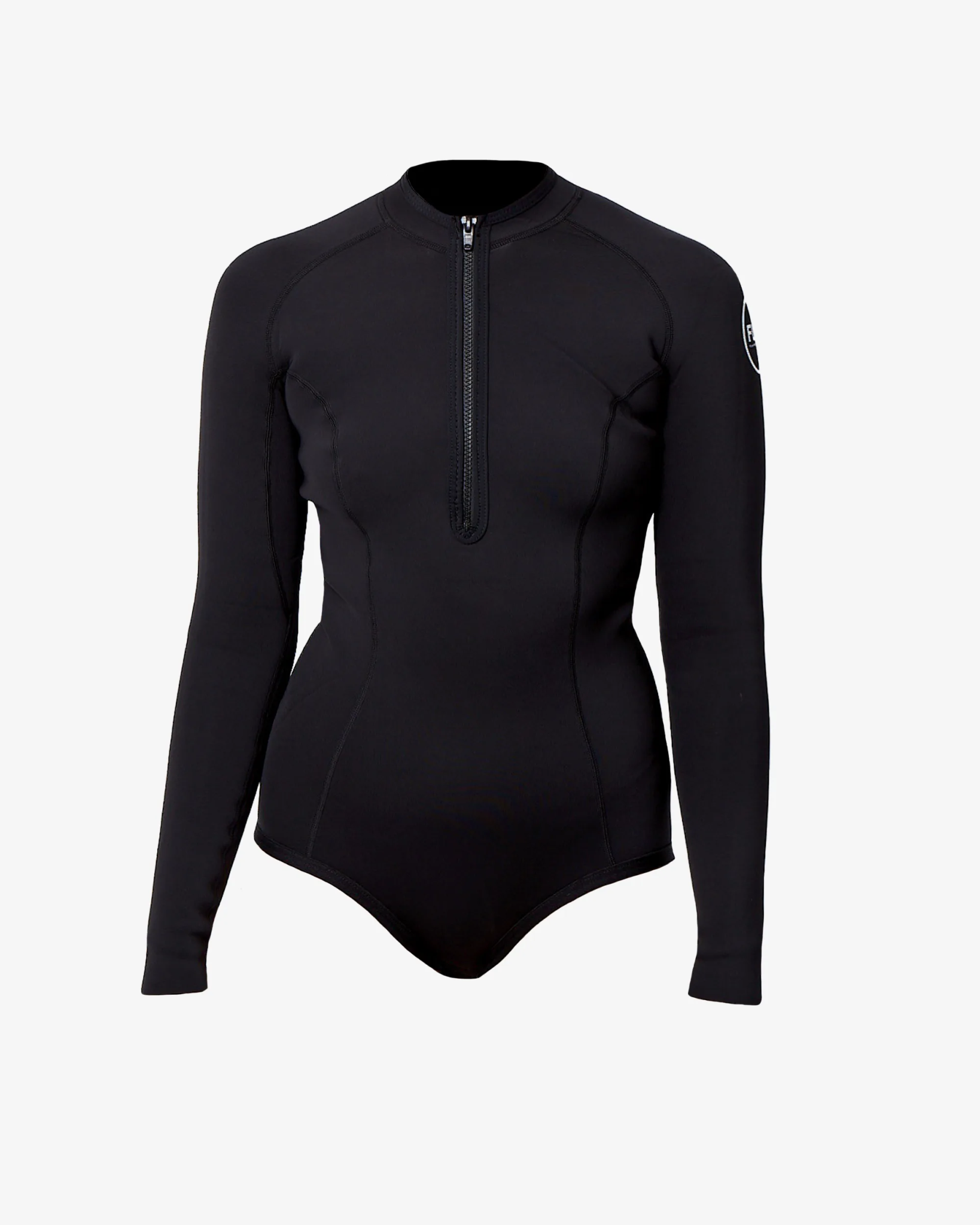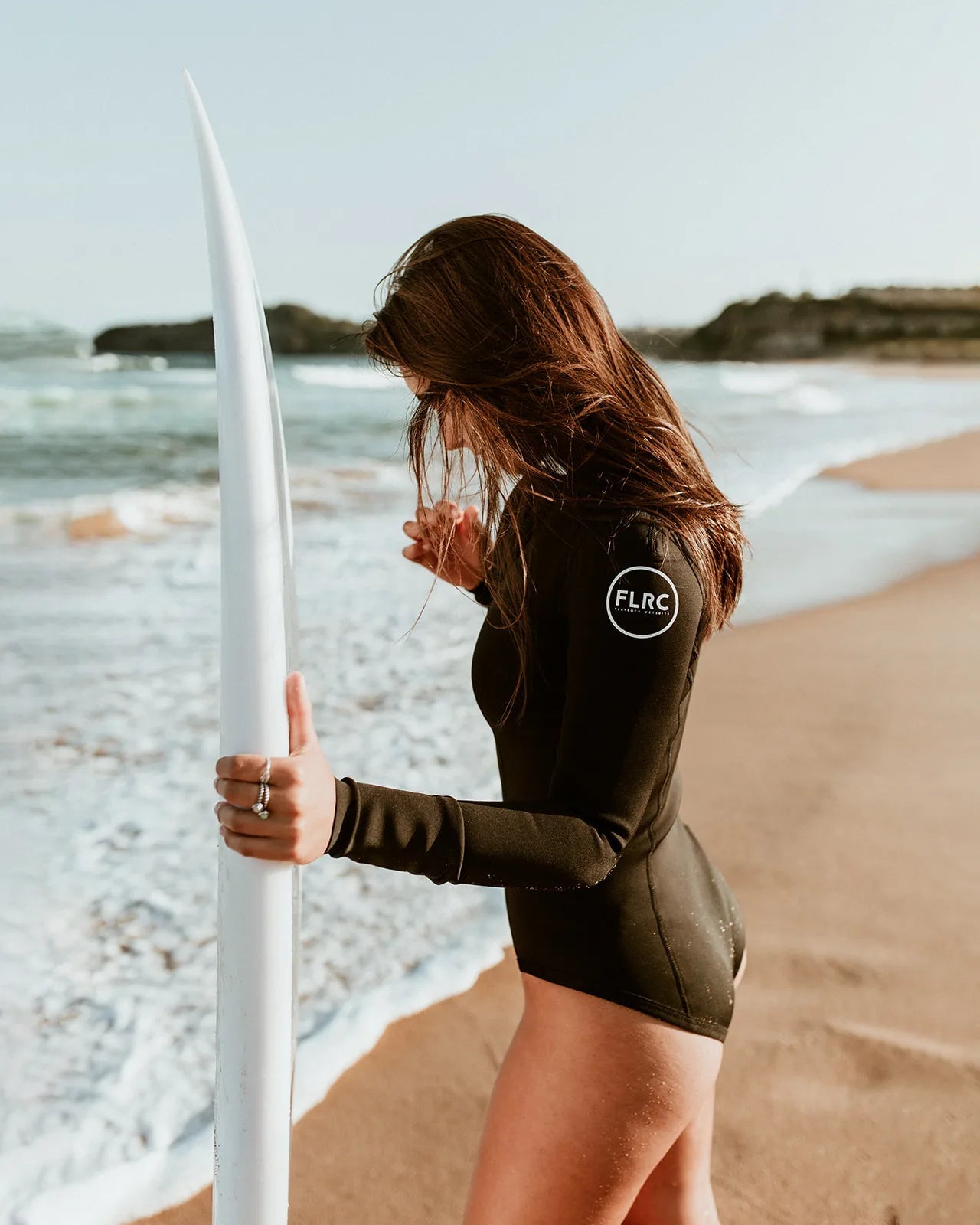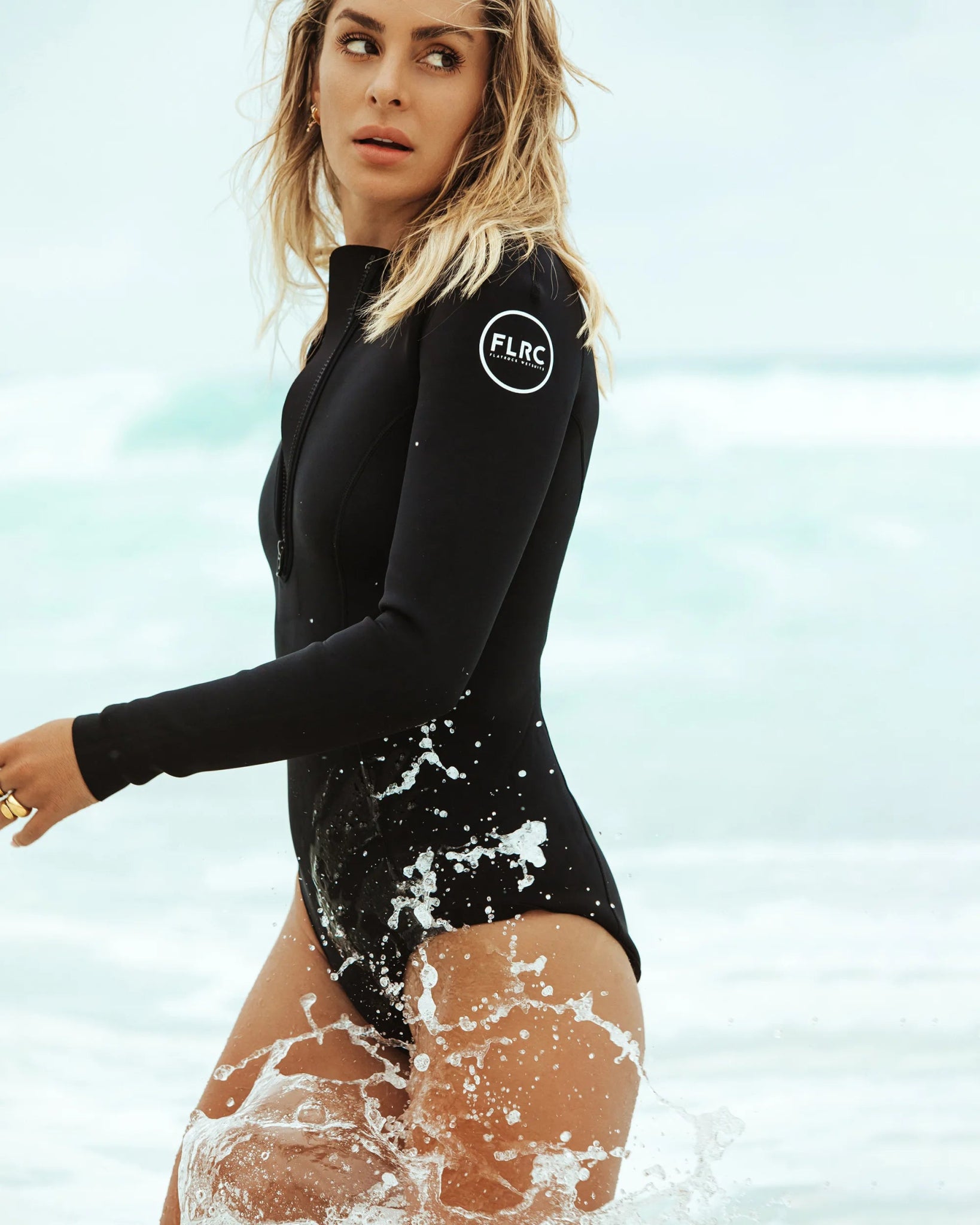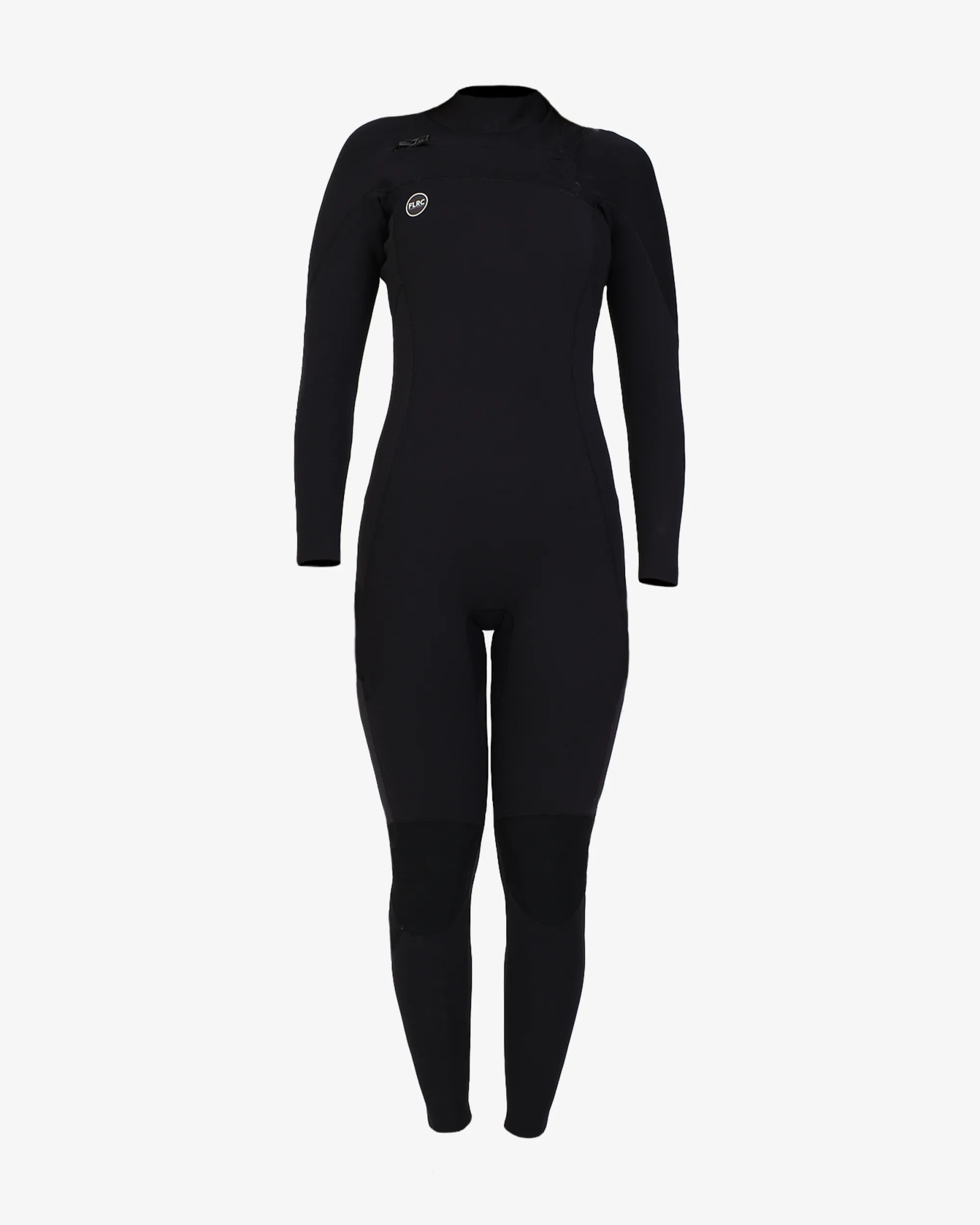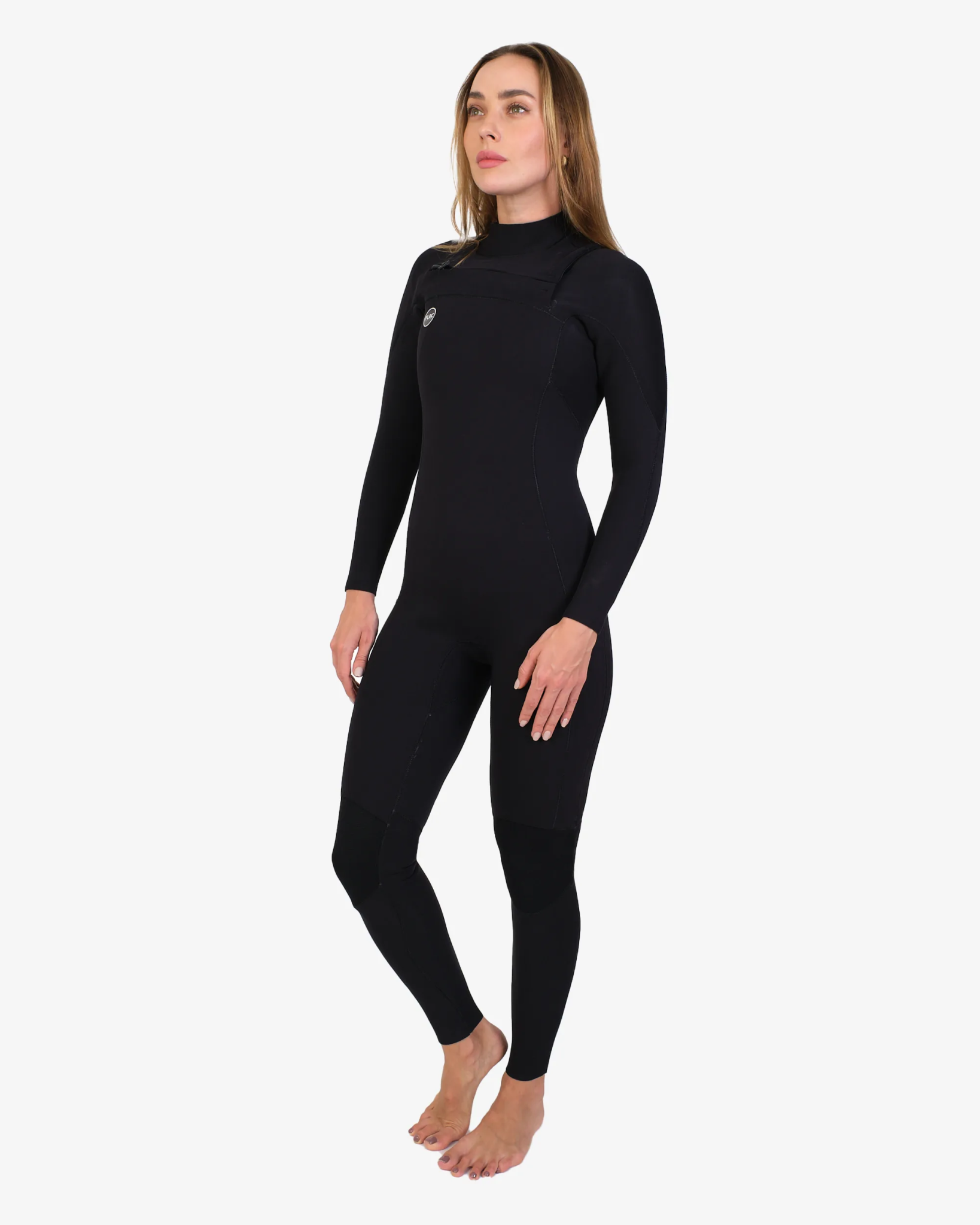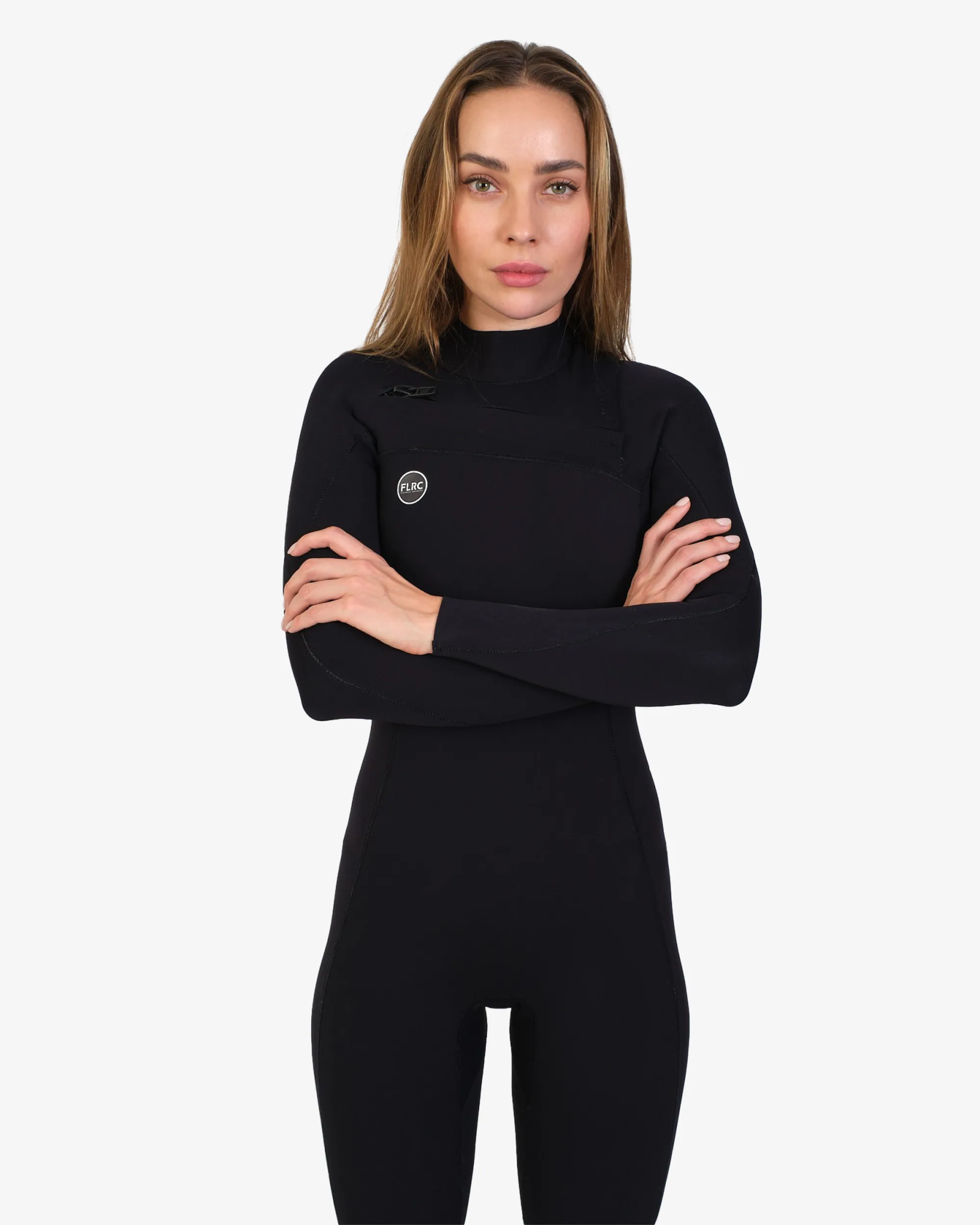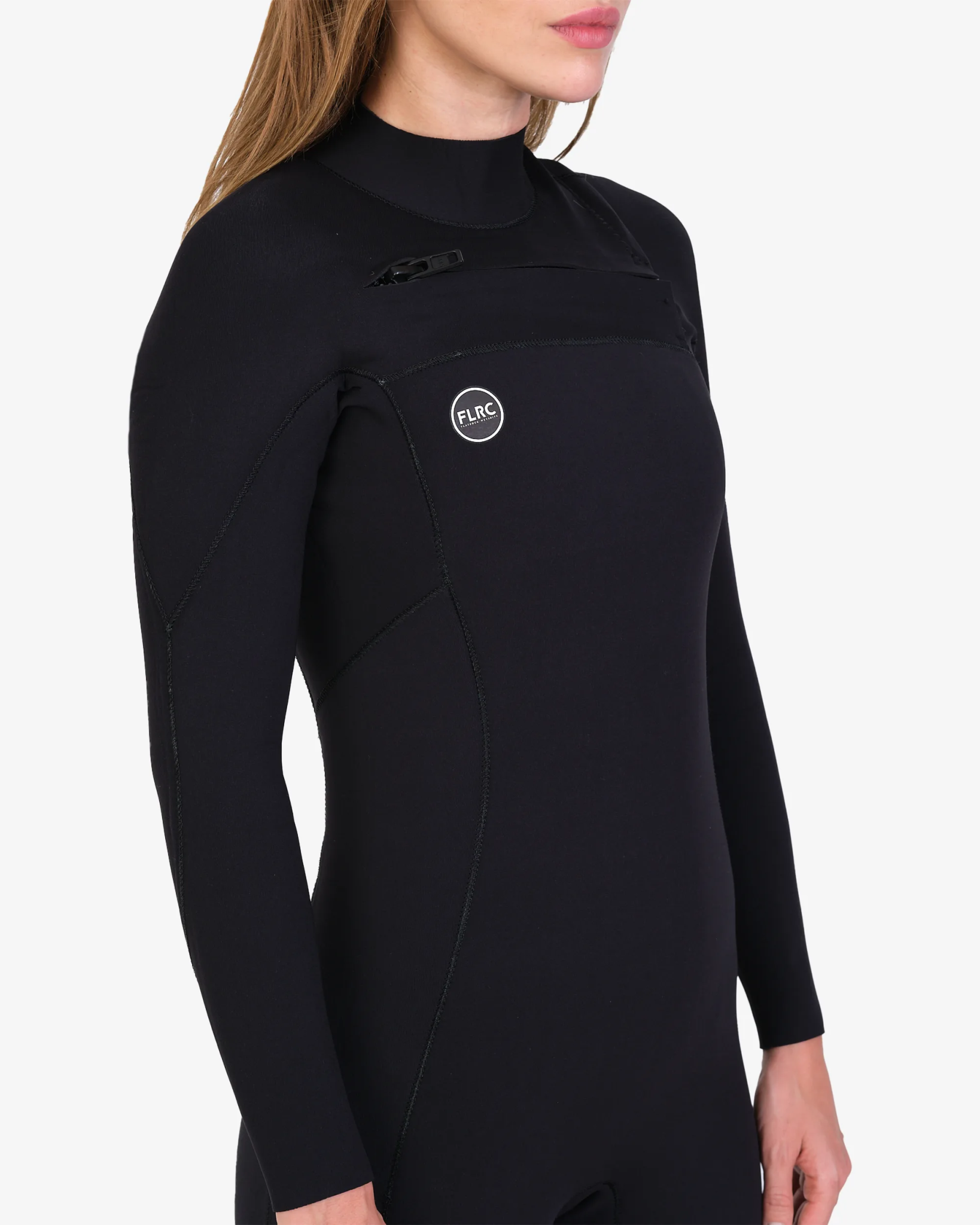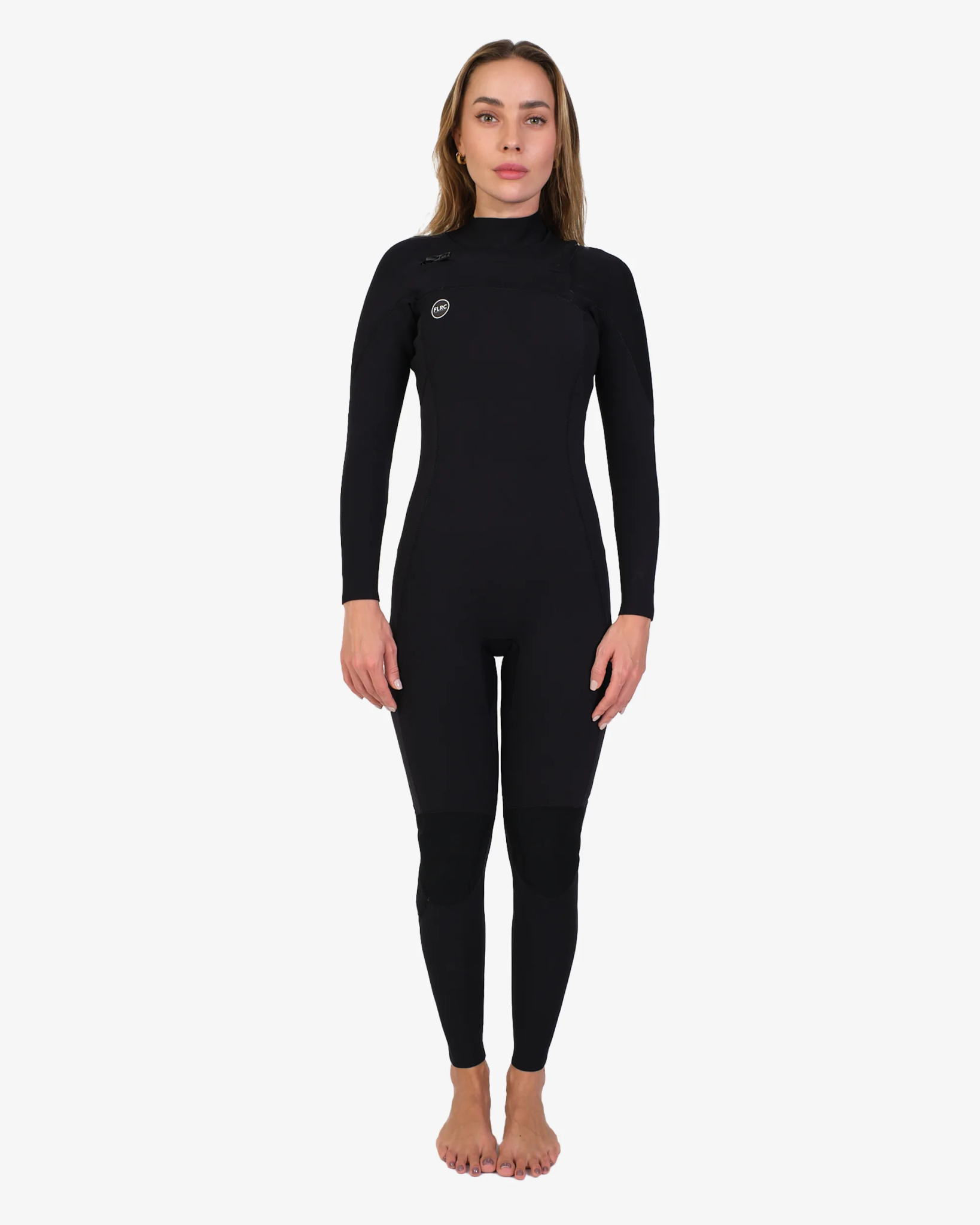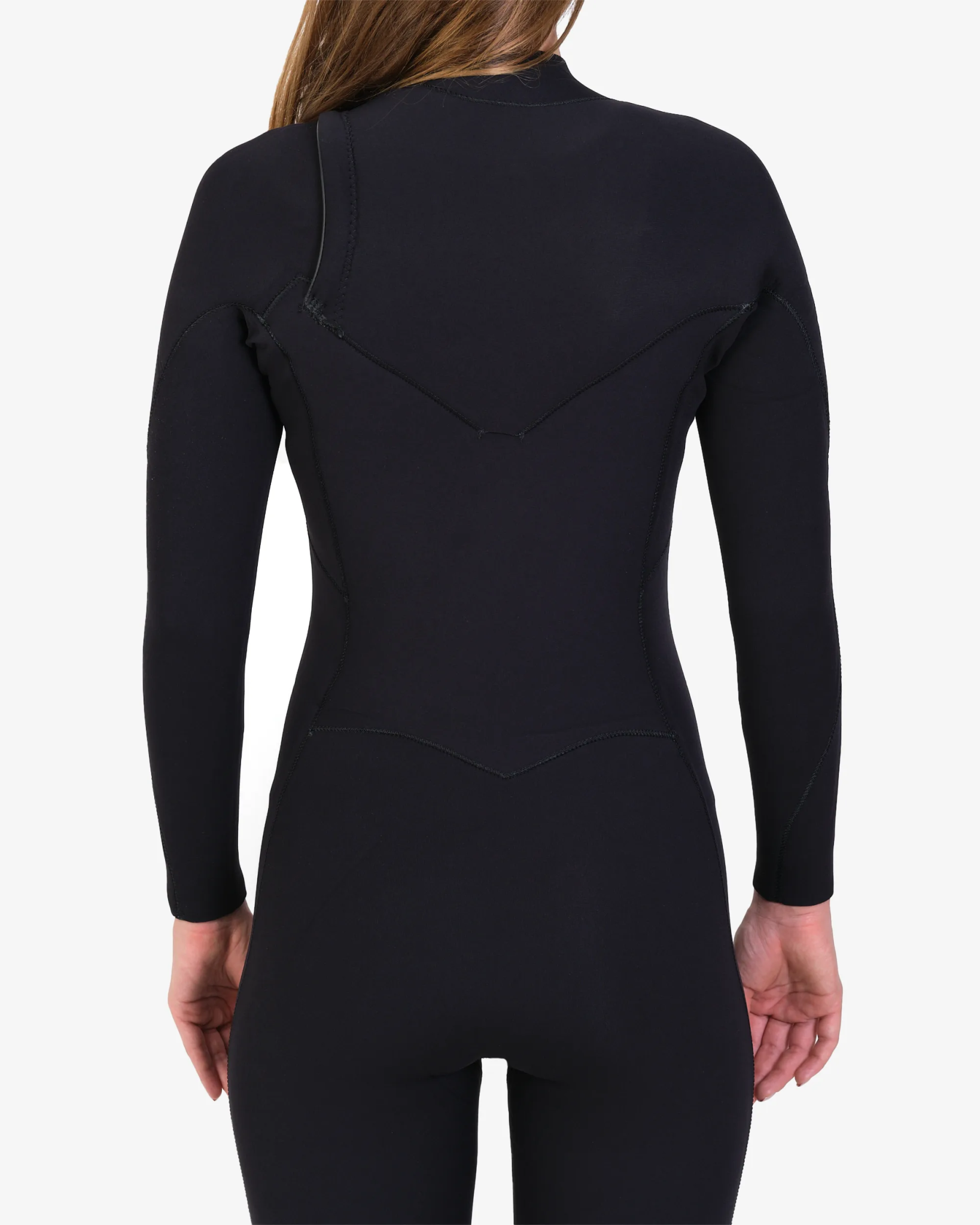


Here's the short version: as your wetsuit gets thinner through spring, your paddling gets stronger and your suit gives you less free buoyancy. So the shortboard volume that worked for you in July isn't necessarily the one you want in October. At Flatrock Surf, we treat wetsuit thickness and board volume as one decision, not two, because they both change how much work a board needs to do for you in the water.
How much volume do I need in a shortboard?
Volume, measured in litres, is what keeps a shortboard floating under you and helps you catch waves with less paddling effort. The right amount depends on your weight, your paddle fitness, your skill level and the waves you're riding, not on a single number that applies to everyone your height. A heavier or less experienced surfer generally needs more litres to paddle into waves comfortably and stay stable when getting to their feet, while a fitter, more experienced surfer can ride less volume and get more responsiveness out of a smaller board. Our surfboard buying guide and volume calculator walks through how to land on a starting figure based on your own weight and ability, which is the right place to start before you factor in the seasonal shift below.
How does dropping wetsuit thickness in spring change your paddle power and buoyancy?
Moving from a 4/3mm winter wetsuit into a 3/2mm or a spring suit gives you back the shoulder rotation and paddle reach that thicker neoprene restricts. You paddle more efficiently and catch waves earlier in the take-off. At the same time, you lose some of the passive buoyancy that thicker neoprene provides. Wetsuits float because the neoprene is a closed-cell foam full of tiny gas bubbles, and the more millimetres of that foam you're wearing, the more it helps hold you up in the water independent of your board. Thin it out for spring and that "free" flotation drops off.
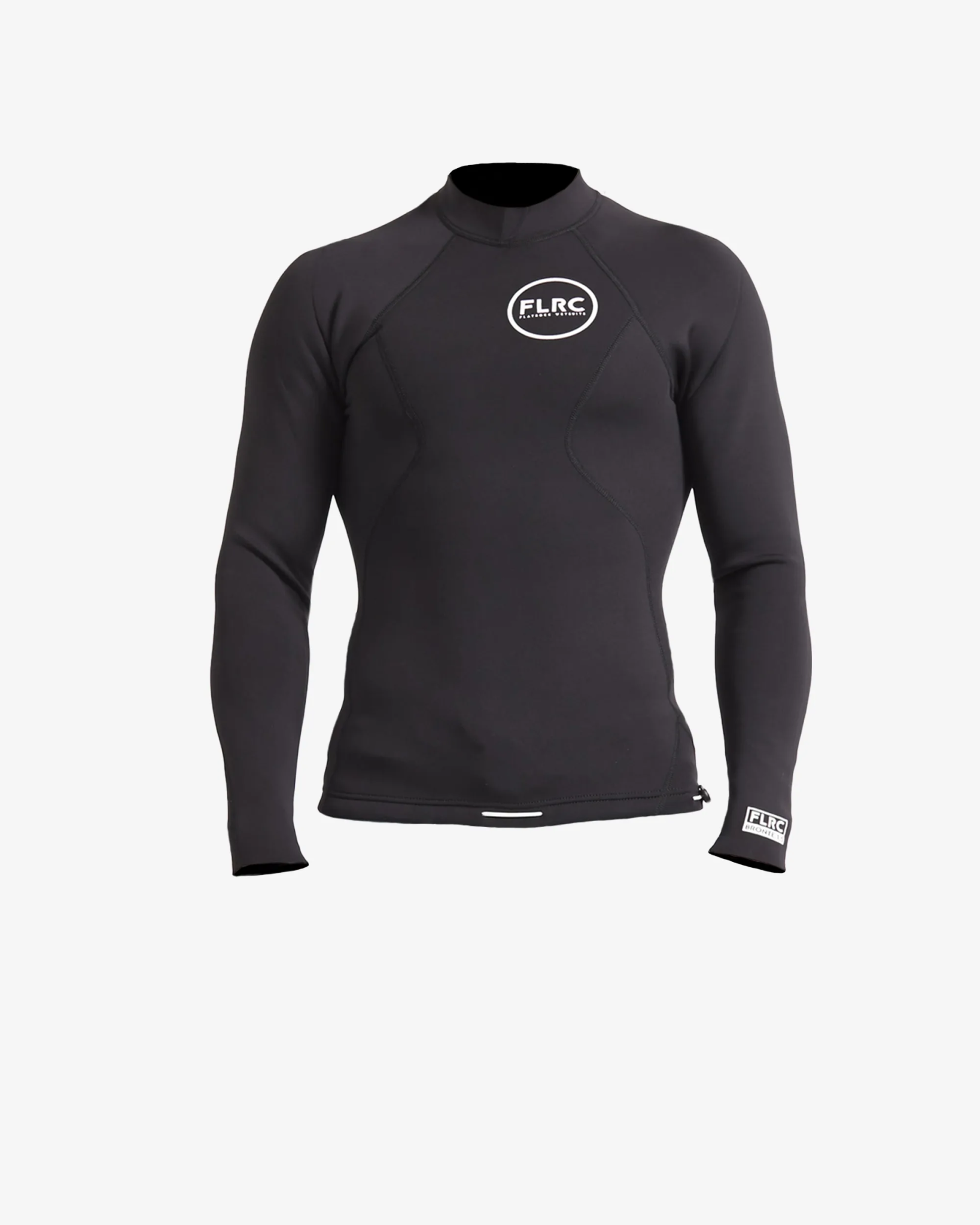
These two changes pull in different directions. Better paddle mobility means the board has to do less of the work getting you into waves, so it can make sense to ride slightly less volume than you'd want in the depths of winter. Less suit buoyancy means you've lost some of the flotation you were relying on, and that pulls the other way. For most surfers on the NSW coast, where water sits around 18 to 24°C and a 3/2mm covers the whole year and a 1.5mm top suits the warmest months, the mobility gain tends to matter more day to day than the small buoyancy loss. It's the mobility that decides how many waves you actually catch. Our wetsuit thickness guide covers when to make the switch by region.
How much rocker does a spring shortboard need?
Rocker is the curve running from nose to tail. Less of it means easier paddling and more down-the-line speed; more of it means tighter turns and better control in steeper, hollower waves. Spring swells on the east coast tend to run shorter-period and less powerful than the deep winter groundswells, with more wind-affected days mixed in as the cooler fronts ease off. A shortboard with a touch less rocker through the middle carries speed through these softer, punchier conditions better than a heavily curved board built for solid winter swell. It also rewards the extra paddle power you're getting back from a thinner suit instead of fighting it.
Which tail shape suits your skill level?
Beginner and improving surfers
Best for: building consistency while you're still learning to generate speed off the bottom turn.
A squash tail is the most forgiving option because the squared-off corners hold a wider platform through turns and release smoothly without feeling twitchy. It's the standard tail shape on most all-round shortboards for exactly this reason, and it pairs well with the extra volume a newer surfer needs while paddle fitness and wave reading are still developing.
Intermediate surfers
Best for: surfers who've outgrown a beginner board and want more drive off the tail without losing forgiveness.
A rounded squash or a full round tail adds hold through turns while keeping enough width to paddle and catch waves without a fight. If you're at this stage and unsure how far to drop your volume from your first board, our guide to moving up from a beginner surfboard is worth reading before you buy.
Advanced surfers in powerful waves
Best for: surfers riding steeper, more powerful waves who want maximum control through fast direction changes.
A round pin or full pintail narrows the tail area right down, trading paddle ease and looseness for hold and control when the waves get hollow or powerful. It's not the tail you want on a soft, small spring wind swell, which is part of why matching tail shape to the season matters as much as matching it to your ability.
Should you drop your board volume as the water warms up?
If you're already comfortable on your current board, you don't need to change anything just because it's spring. But if you were on the edge between two volumes when you bought your winter board, or you've noticed your paddling has improved since you dropped wetsuit thickness, that's the signal to size down slightly rather than replacing a board that's still working for you. Heading into spring 2026, the practical move is to demo or borrow a board a few litres below what you're used to on a smaller, cleaner day and see how it paddles before you commit to buying. Getting the wetsuit right is half of that equation. Have a look through our gear range for spring-weight wetsuits if you're still zipped into a 4/3mm wetty out of habit rather than necessity.
Frequently asked questions
What size shortboard should a beginner buy?
Flatrock Surf's volume calculator recommends starting from your weight and current paddle fitness, not a fixed board length, since two surfers of the same height can need very different litres.
How much should I drop board volume between winter and summer?
There's no fixed litre figure that applies to everyone. The right approach is to reassess once your paddle fitness and wetsuit thickness have both changed, not on a set date.
Does a thinner wetsuit really change what board I should ride?
Yes. A thinner wetsuit improves shoulder mobility and paddle power but removes some of the passive buoyancy thicker neoprene provides, so the balance between the two is worth reconsidering each season.
What tail shape works best for small spring waves?
A squash or rounded squash tail generally performs better than a narrow pintail in the smaller, softer waves common through spring, because it holds more speed and drive in weaker conditions.
Should I prioritise rocker for paddling or for turning?
Match rocker to the waves you're riding most often. Flatter rocker paddles easier and suits smaller spring conditions, while more curve helps in steeper, more powerful surf.