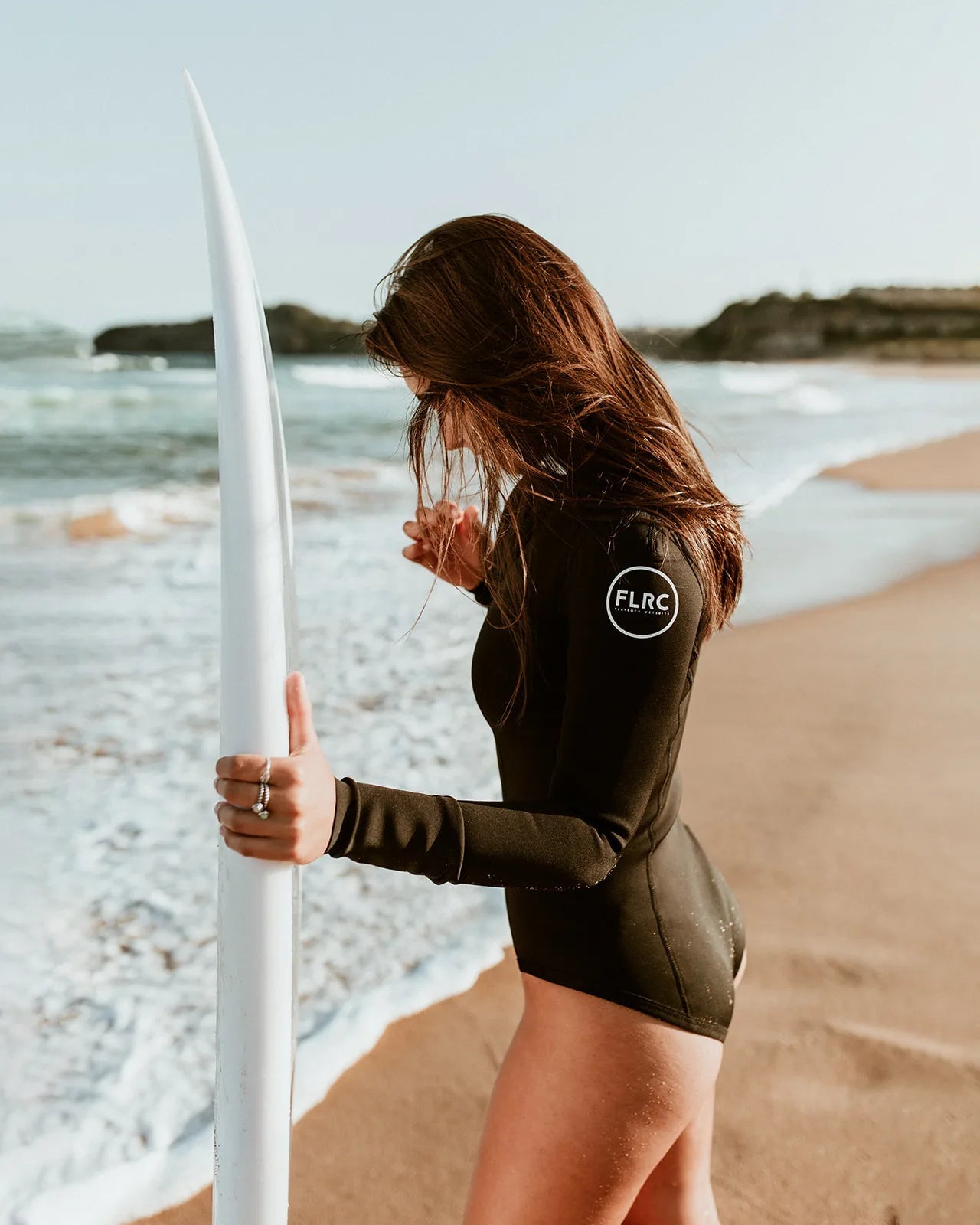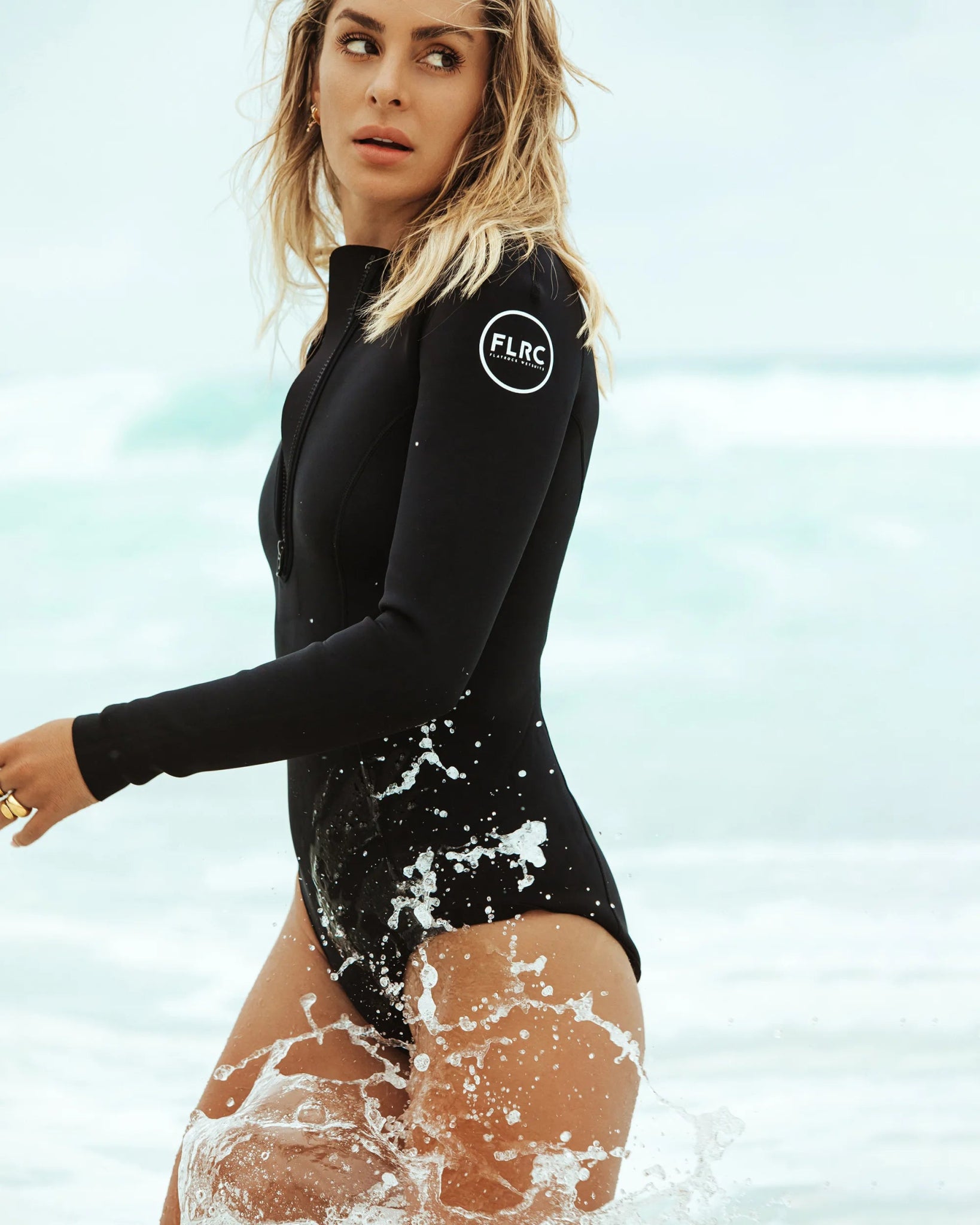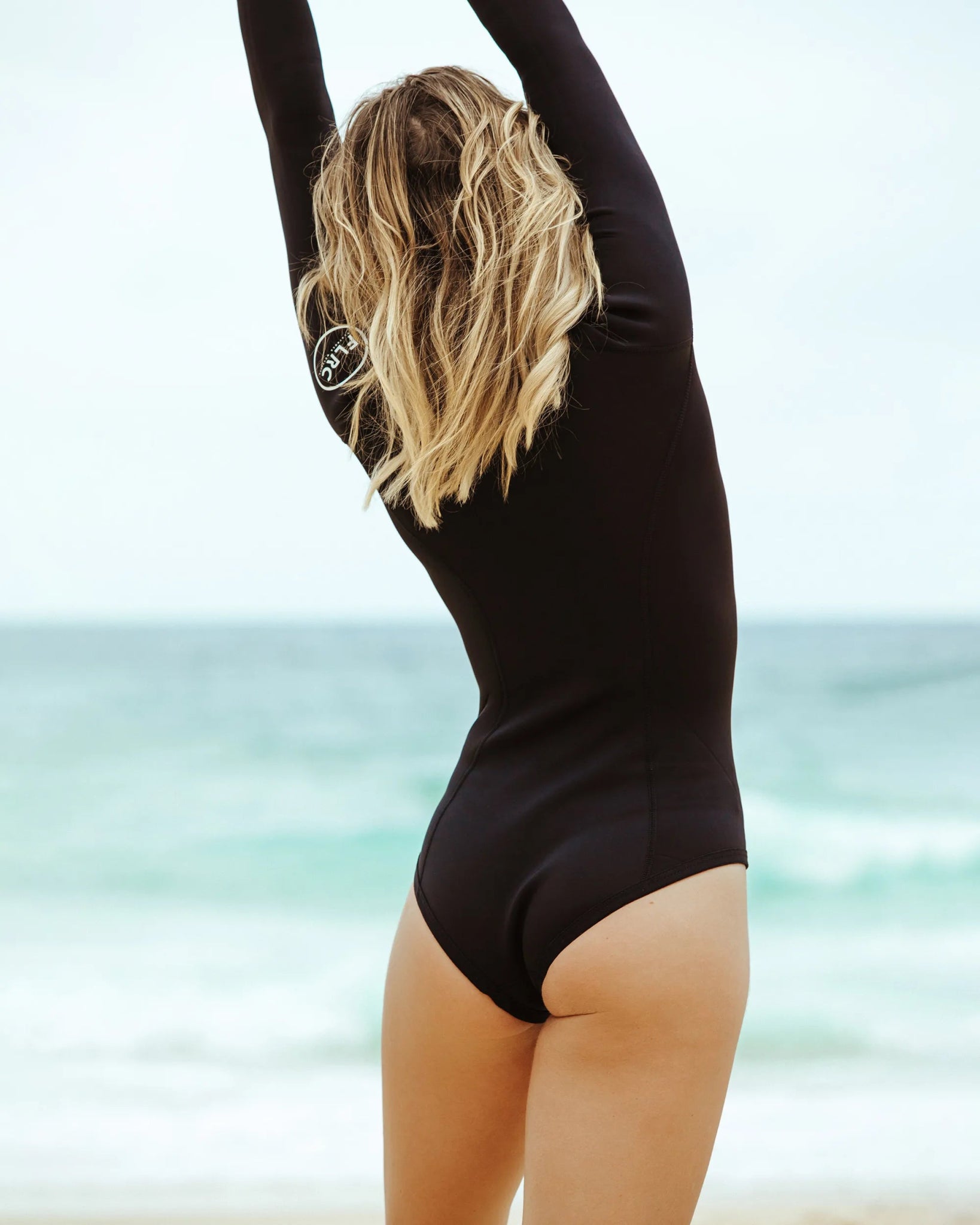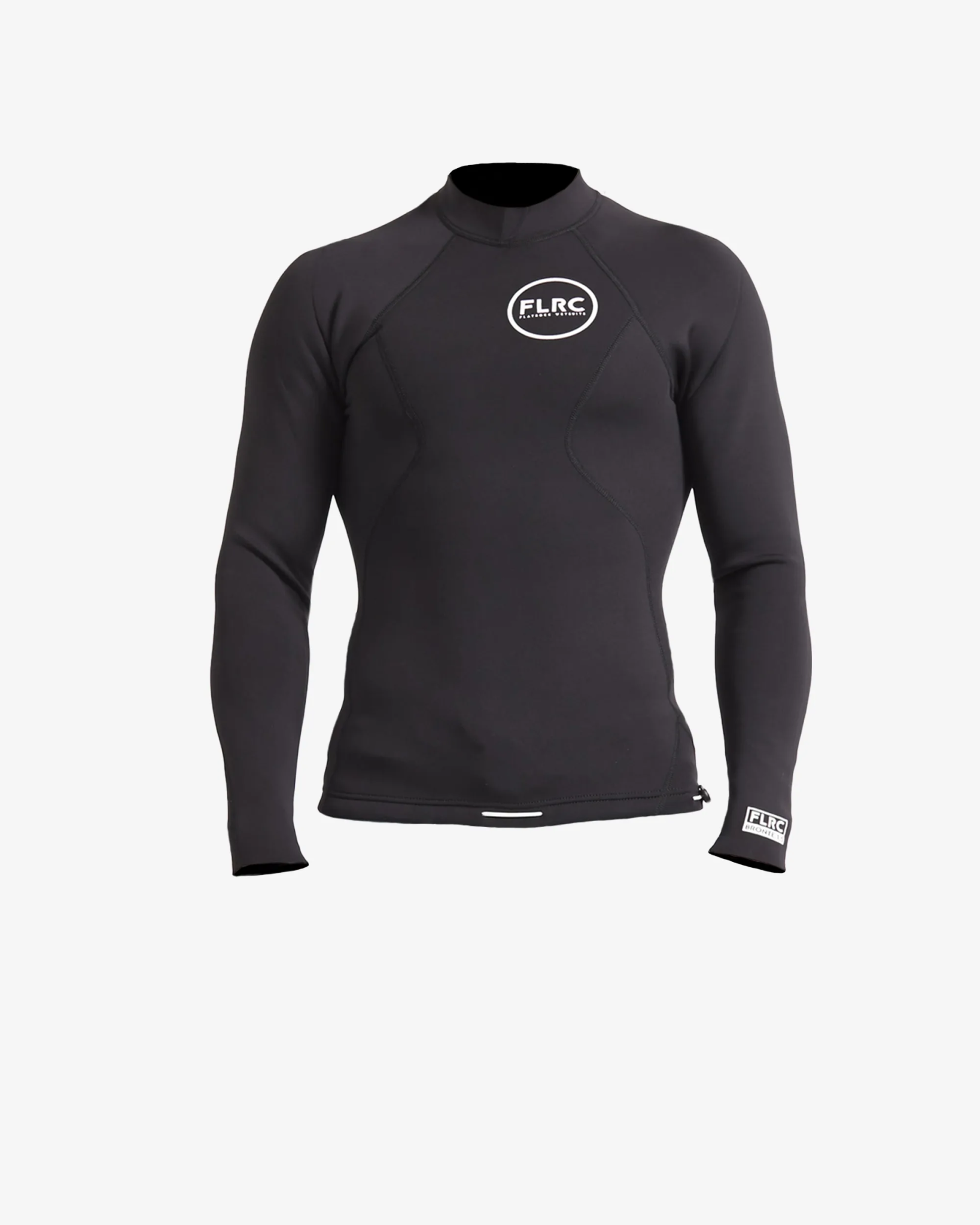


In water of 20°C and above, a springsuit or a 1.5mm wetsuit top is the right call, and a 3/2mm steamer is better saved for water between 14°C and 20°C. At Flatrock Surf, we use those bands to sort our own warm-weather wetty choices, and they hold up well from the Gold Coast through to a Sydney summer arvo.
If you've already worked out it's time to ditch the full winter rubber, this is what to switch to. Below we break down each option by who it suits, the pros, the cons and a straight verdict, as of spring 2026.
What should you wear surfing in 20°C+ water?
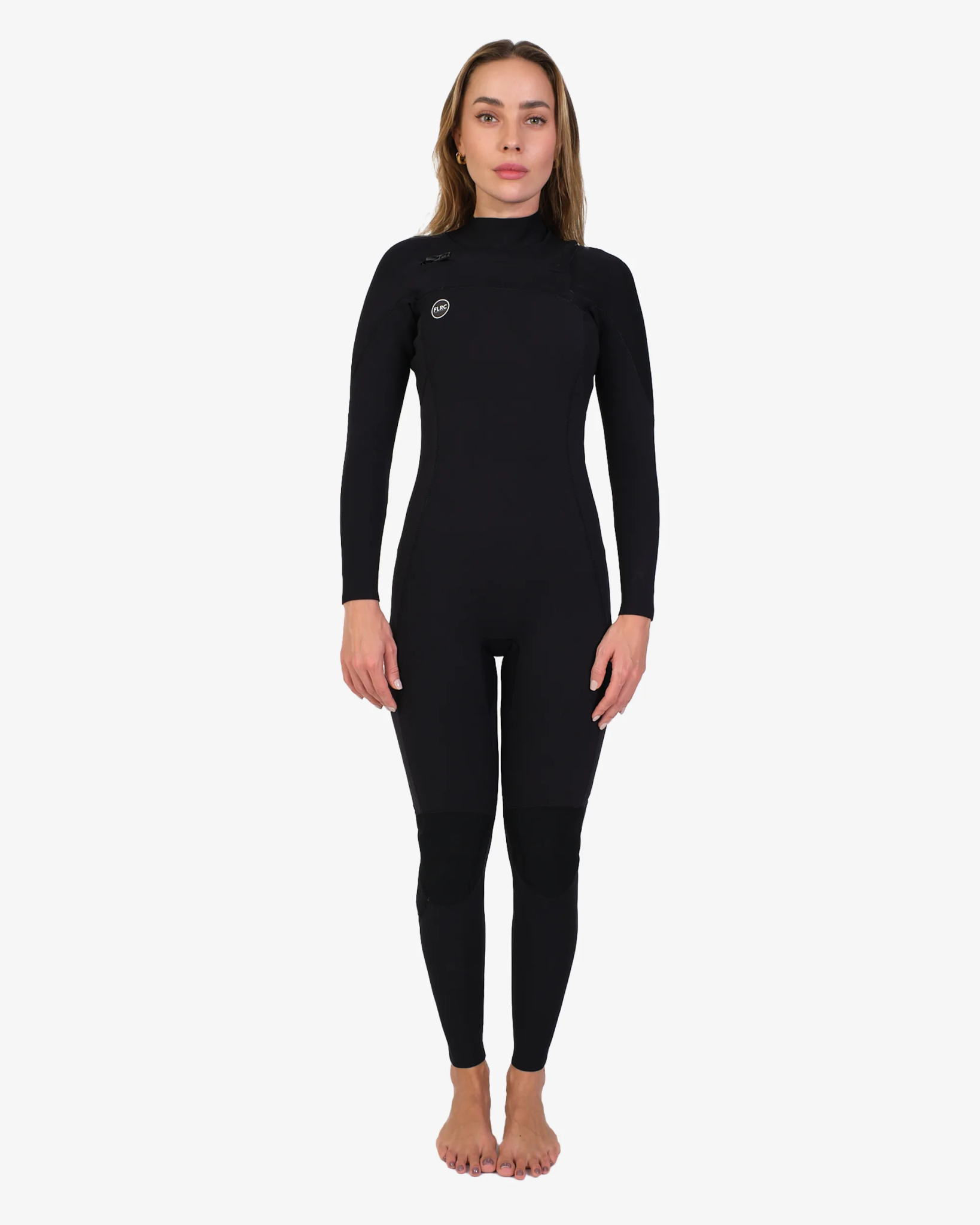
Pick for the coldest water you'll surf, not the best day of the year. Our thickness bands are simple:
- 20°C and above: a 1.5mm wetsuit top or a springsuit
- 14 to 20°C: a 3/2mm steamer
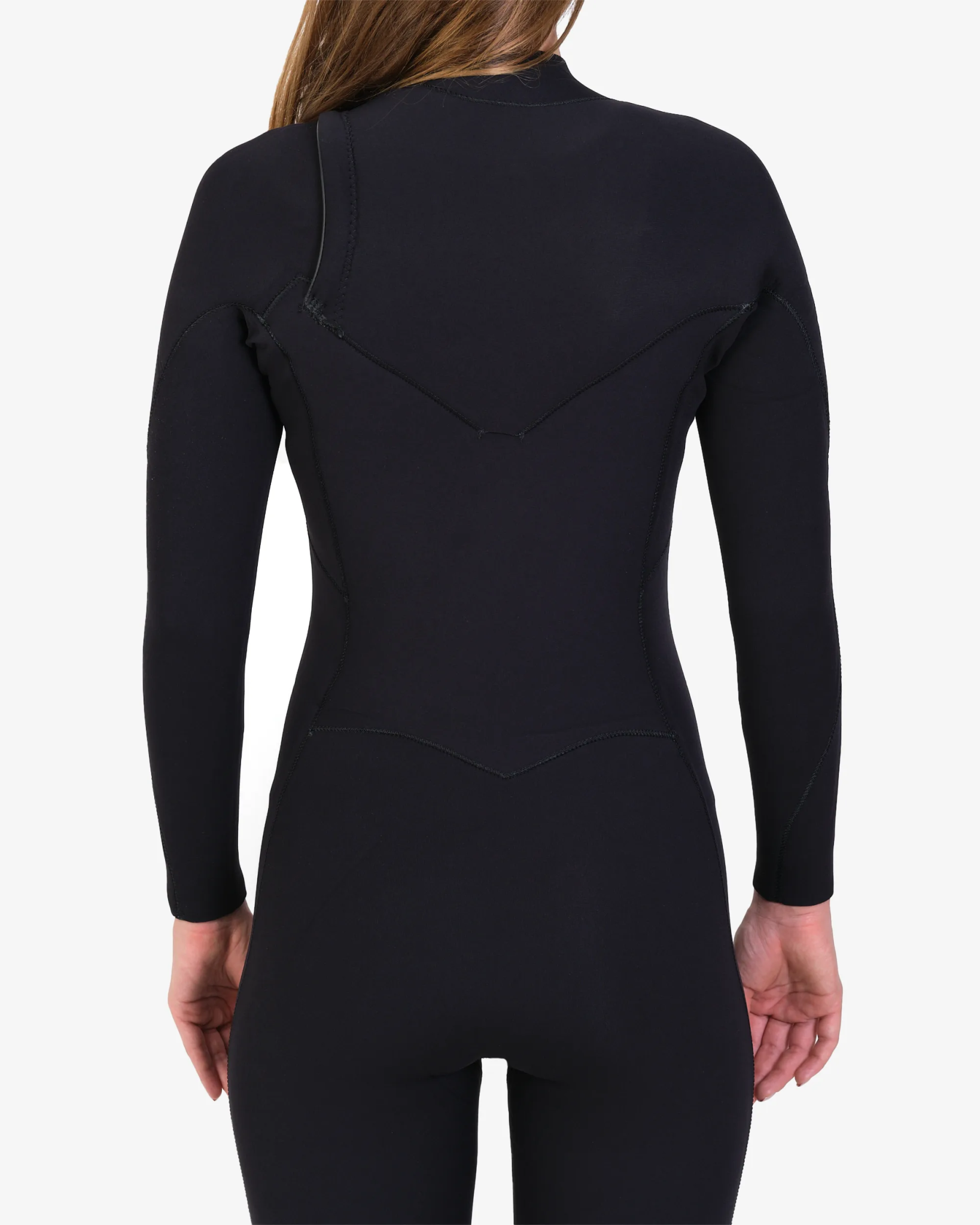
That second band matters here, because our 3/2mm steamers are rated for 14 to 20°C. Once the water sits reliably above 20°C, a full steamer starts to work against you. For the full picture across the country, see which wetsuit thickness is best for Australia.
Is a springsuit right for you?
Best for: surfers who want core warmth and some leg and arm coverage without a full suit.
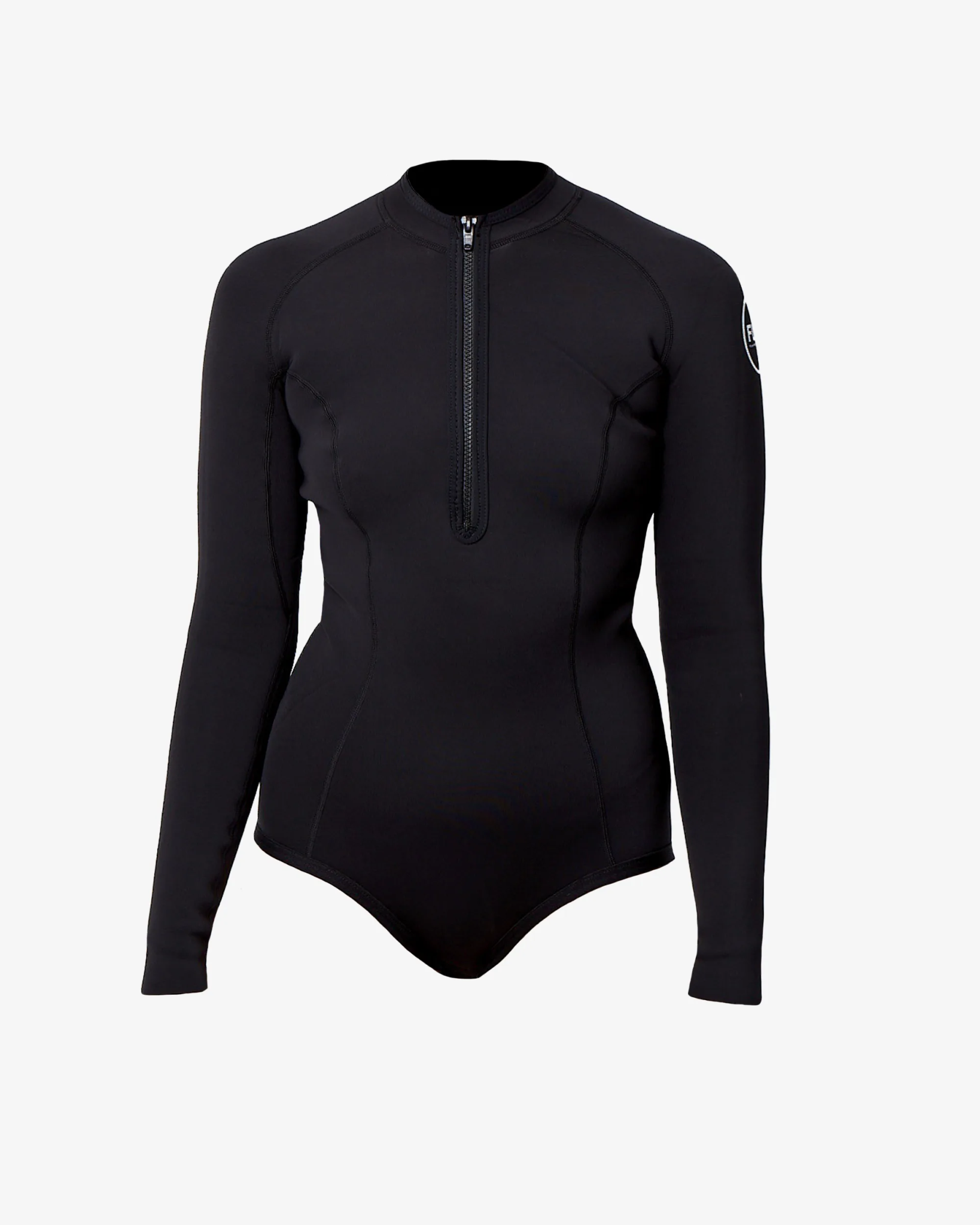
A springsuit is a short-sleeved, short-legged wetsuit. It covers your torso in one piece, which keeps the wind chill off your chest and back on a cool morning paddle.
Pros:
- One-piece torso coverage with no gap between top and bottom
- Arms and legs stay free for paddling and popping up
- Handy on dawn patrol, when the air is cooler than the water
Cons:
- Your legs and arms are still exposed to sun, wax and board rash
- Less flexible for layering than a separate top and boardies
Verdict: the best all-rounder for 20°C+ water if you feel the chill and like a single, simple piece of gear.

When does a 1.5mm wetsuit top make sense?
Best for: surfers who run warm, surf in boardies and want the lightest option that still takes the edge off.
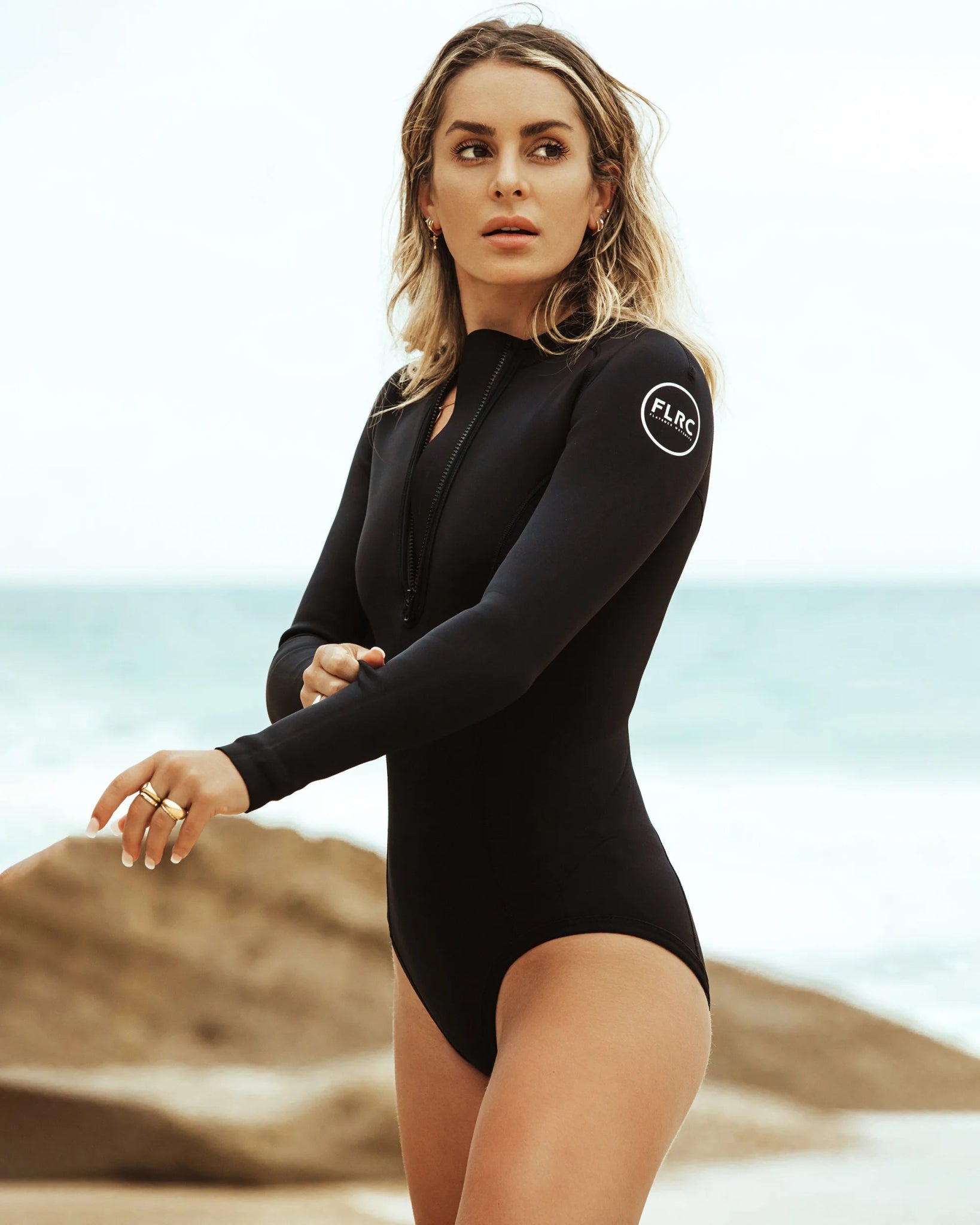
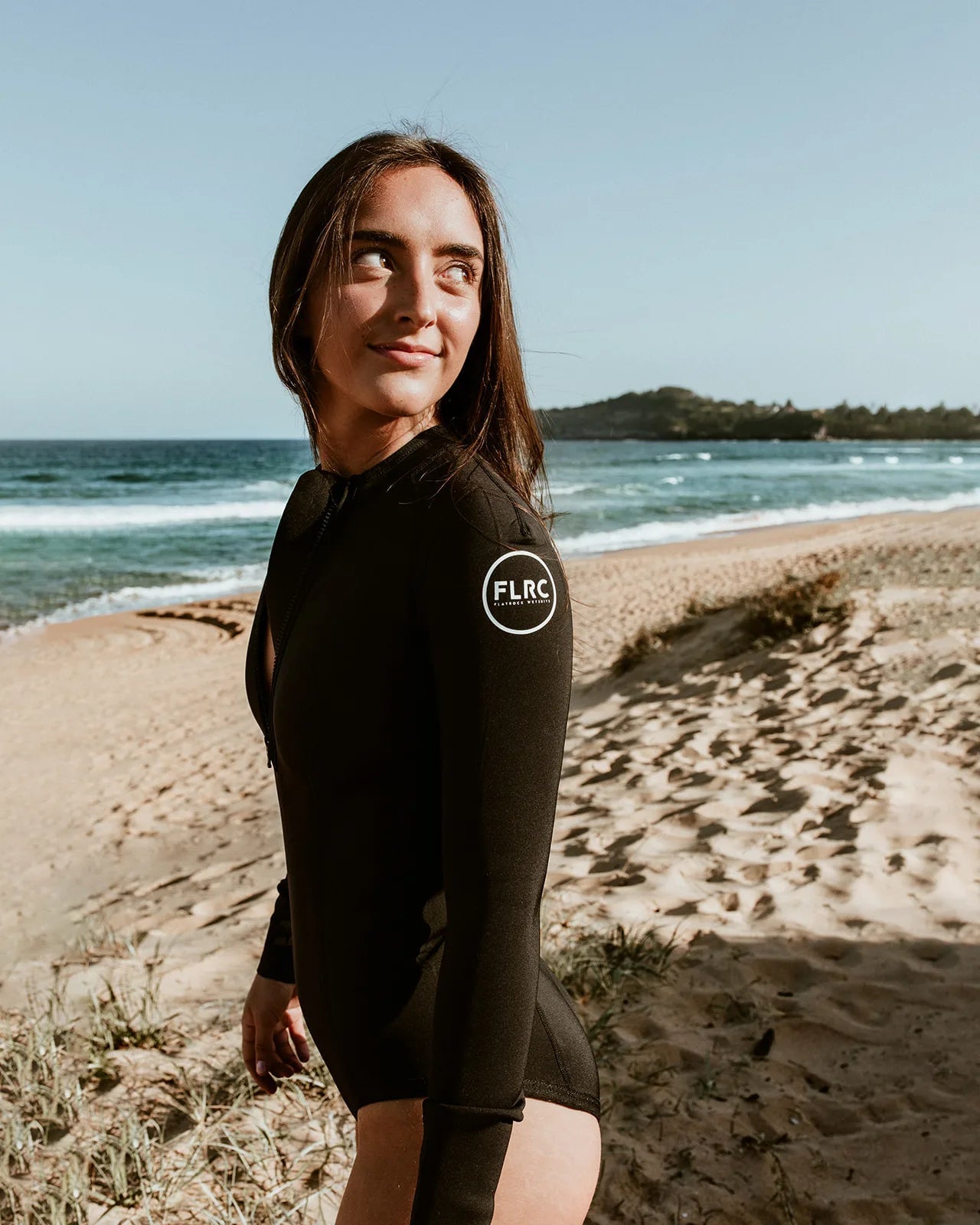
A 1.5mm wetsuit top sits at the thin end of our bands and is the pick for the warmest water. You wear it over boardies, so you choose your own leg coverage and keep the lower half completely free.
Pros:
- The lightest, least restrictive option on this list
- Pairs with boardies you already own
- Dries fast and packs small for a surf trip
Cons:
- No leg warmth at all
- Gets chilly on a windy, overcast session if the water is closer to 20°C
Verdict: the best choice for the warmest summer water, and for anyone who hates feeling restricted. If you're packing for a tropical trip, it's also an easy carry-on, and our Bali surf trip packing list covers more of what to bring.
Is a 3/2mm steamer too much for warm water?
Best for: surfers who feel the cold, or whose local water dips towards 14 to 20°C.
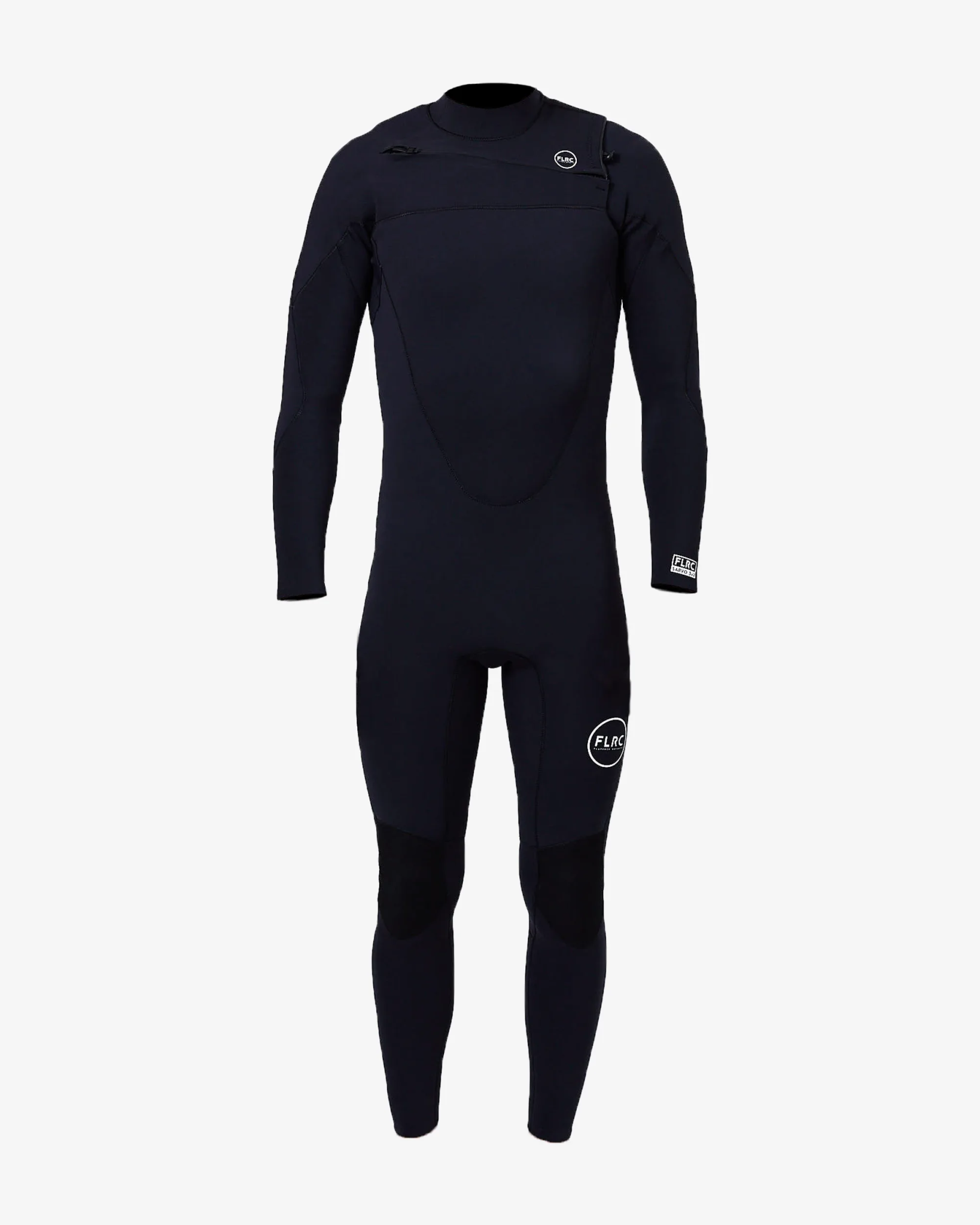
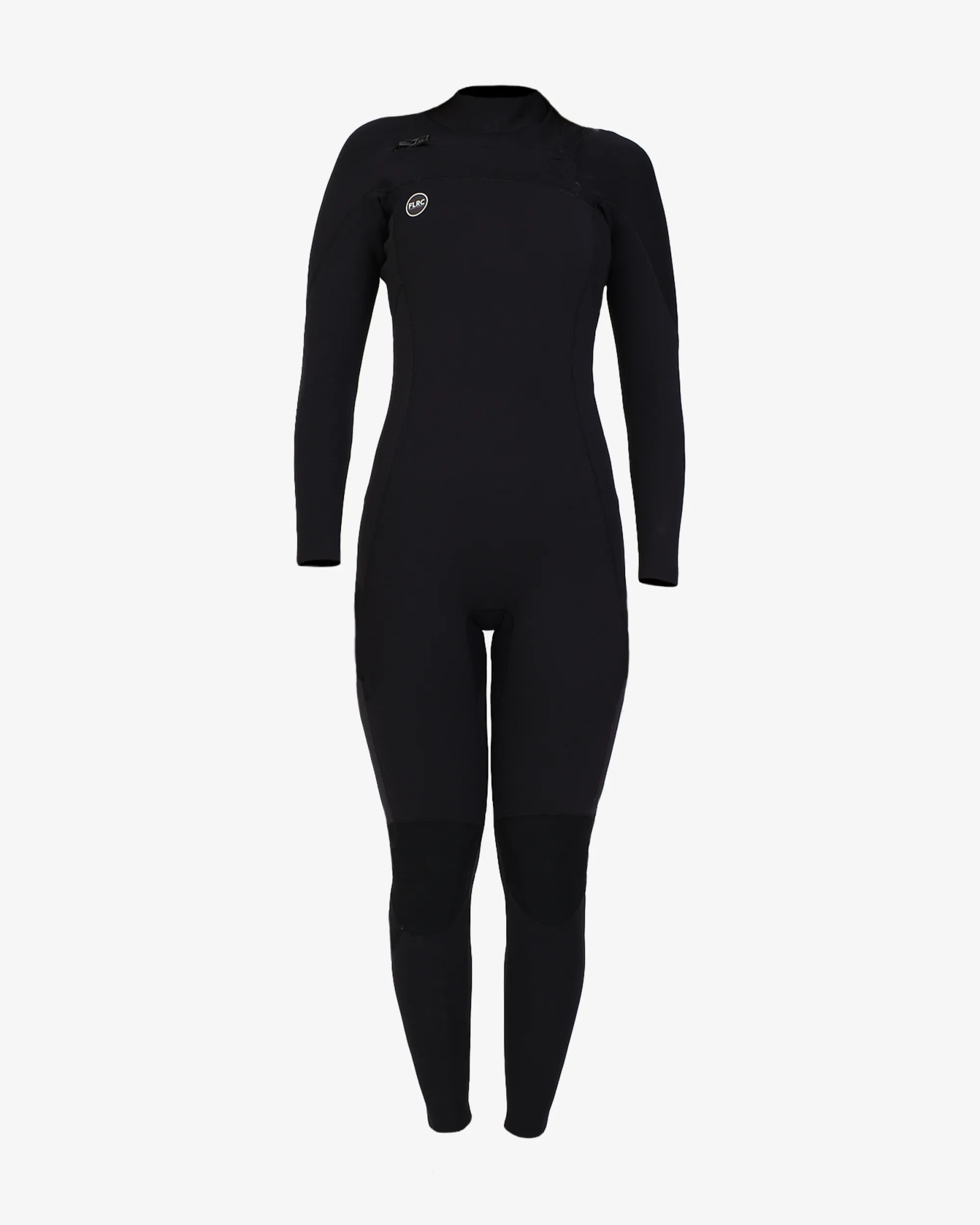
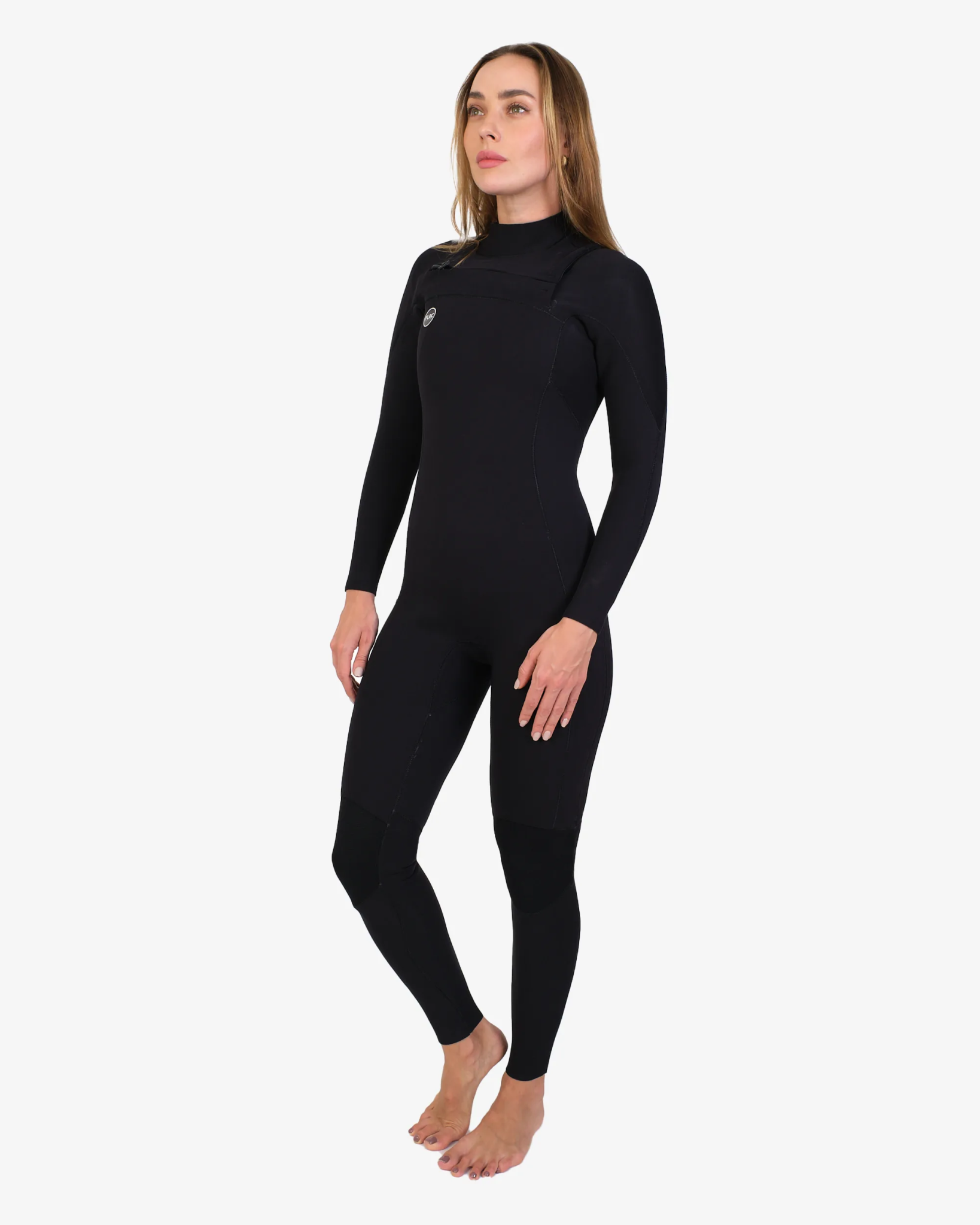
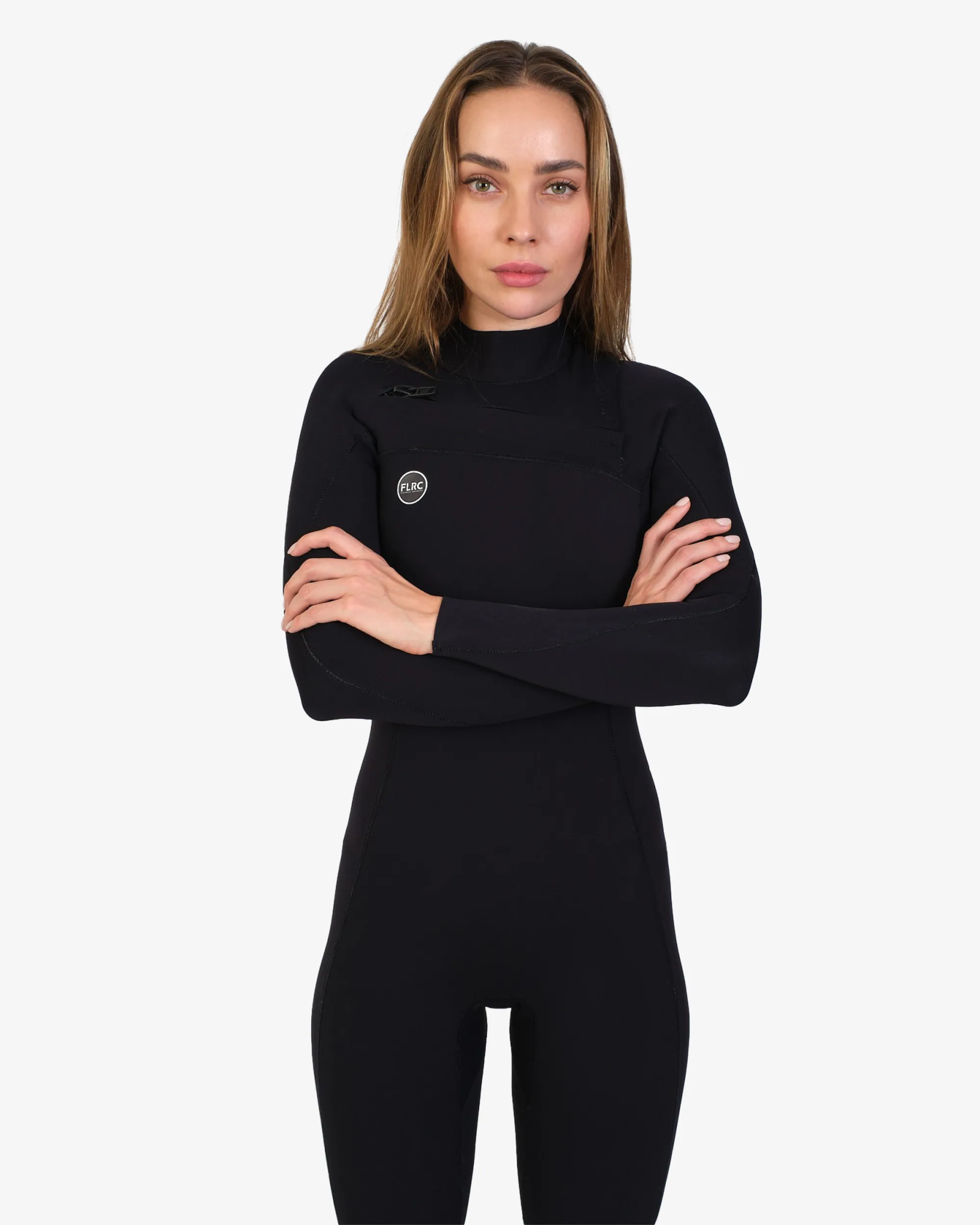
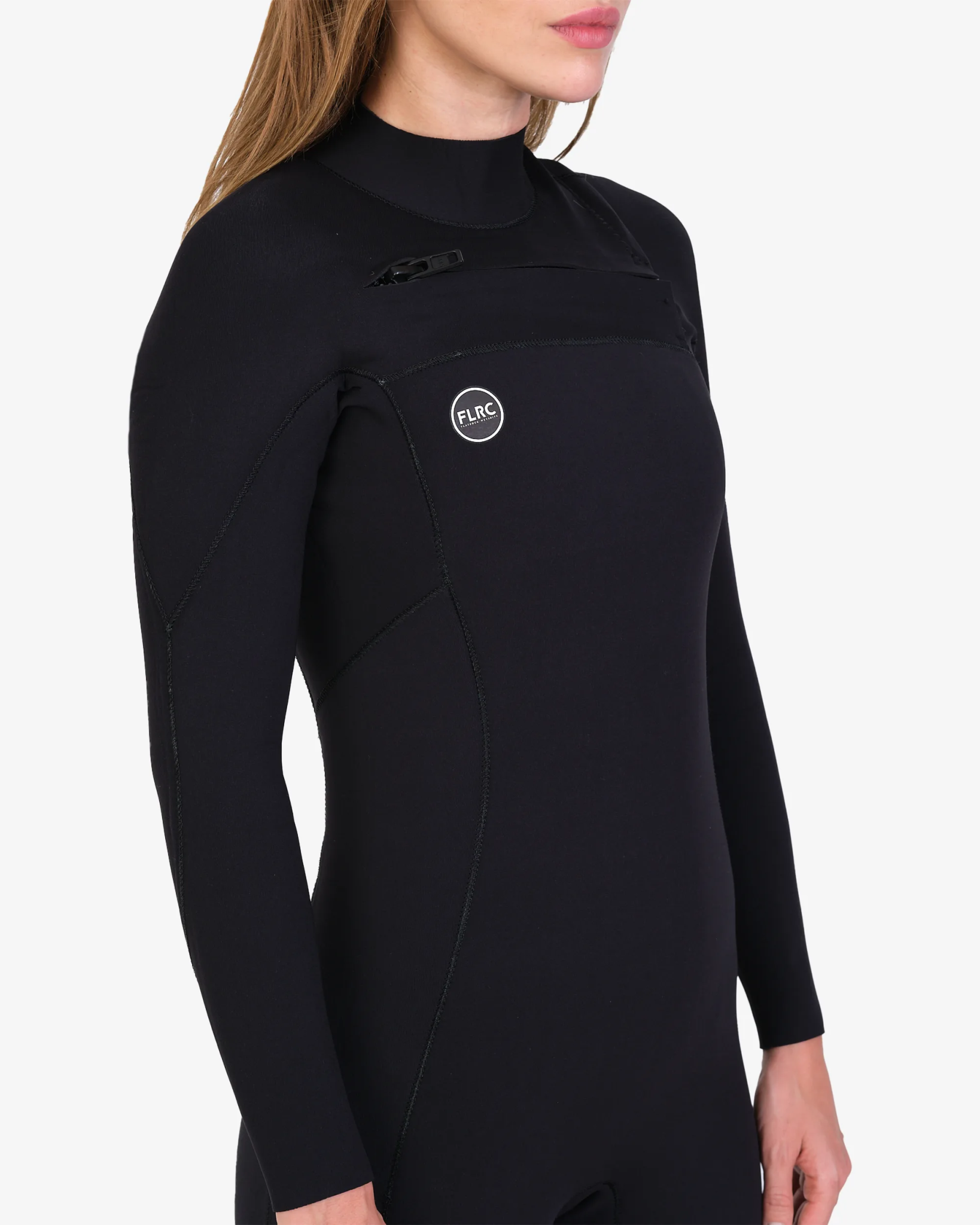
A 3/2mm steamer is a full-length suit with 3mm panels through the torso and 2mm through the arms and legs. It's our pick for the 14 to 20°C band, so in water above 20°C it's usually more suit than you need.
Pros:
- Full coverage for warmth and protection from sun and rash
- The most versatile suit if your water temperature swings through the year
- Rated for the 14 to 20°C band, which covers a big slice of the Australian coast
Cons:
- Can overheat you quickly in water well above 20°C
- Heavier and slower to dry than a top or springsuit
Verdict: a solid year-round workhorse if your local water drops under 20°C, but skip it for consistently warm water. If you run cold, stepping up to a 3/2mm is a fair call on a marginal day. Before you buy, read what to look for in a wetsuit.
How do you choose between the three?
Match the suit to the coldest water you'll realistically surf, then adjust for how you feel the cold.
- Water always 20°C or above, you run warm: 1.5mm wetsuit top
- Water 20°C or above, you want torso and extra coverage in one piece: springsuit
- Water dips into the 14 to 20°C range: 3/2mm steamer
Surf time matters too. A long session or a breezy dawn paddle will feel colder than a quick arvo dip, even at the same water temperature. If you're unsure, grab the slightly warmer option; you can always shed a layer on the beach, but you can't add one in the water.
You can browse our men'swomen's and kids' wetsuit collections, or check all gear for the rest of your kit. If you want the whole range laid out, our ultimate wetsuit guide for surfers is a good next read.
Frequently asked questions
What wetsuit do you wear in 20°C water?
In water of 20°C and above, we recommend a 1.5mm wetsuit top or a springsuit. A 3/2mm steamer is rated for 14 to 20°C, so it's usually warmer than you need.
Is a springsuit warmer than a wetsuit top?
Generally yes for your torso, because a springsuit is one piece and covers your legs partly. A wetsuit top is lighter and leaves your legs bare, so it suits the warmest water best.
Can you wear a 3/2mm steamer in warm water?
You can, but it's built for 14 to 20°C. In consistently warmer water it can overheat you, so a top or springsuit is the better fit.
Do you need a wetsuit in 20°C+ water?
Not always. Plenty of surfers wear only boardies on the warmest days, but a 1.5mm top or springsuit helps on windy, early or long sessions.
Should I size up or down for a lighter suit?
Choose the size that fits snugly with no gaps at the neck, armpits or back. A loose wetsuit flushes water through and feels colder, whatever the thickness.