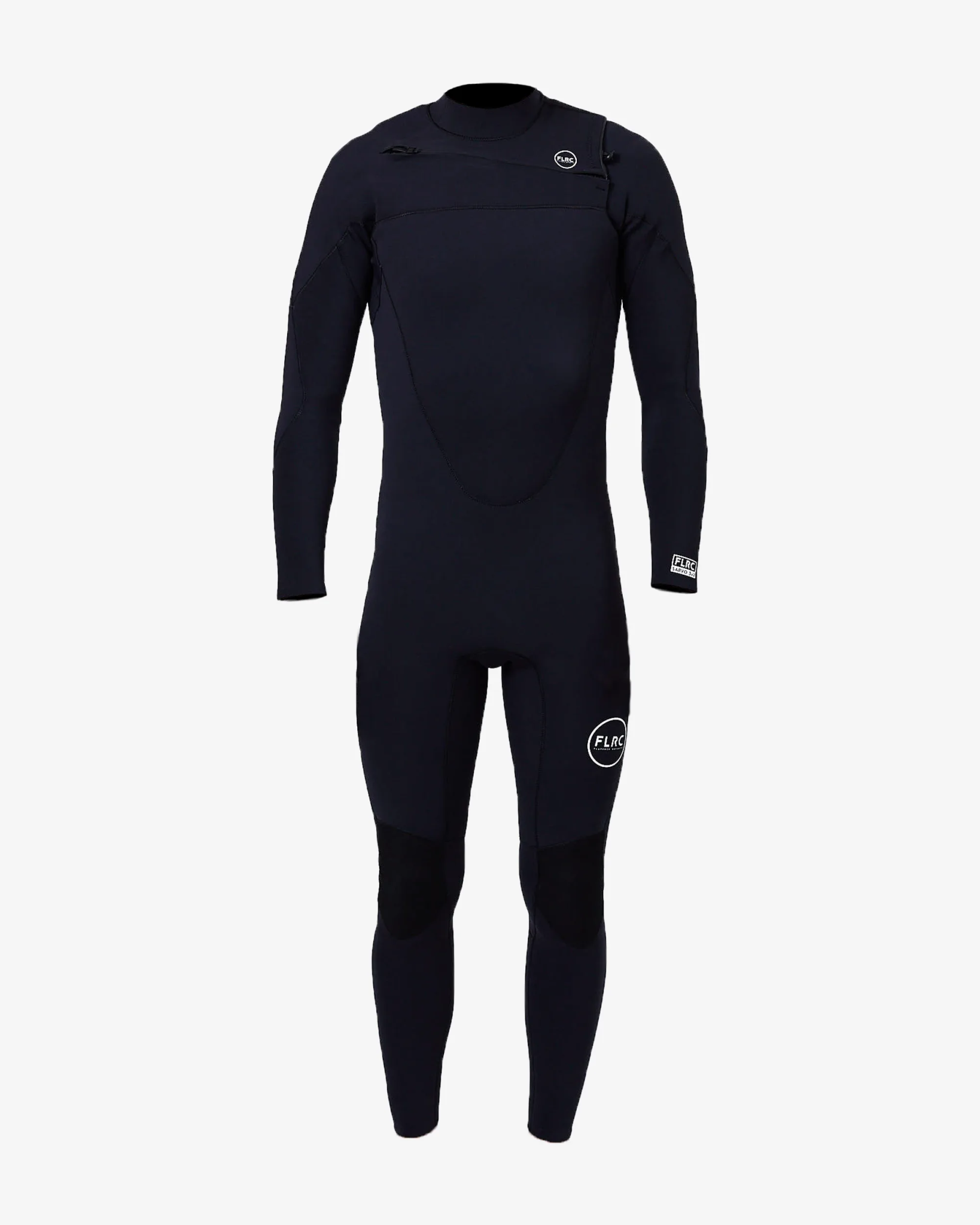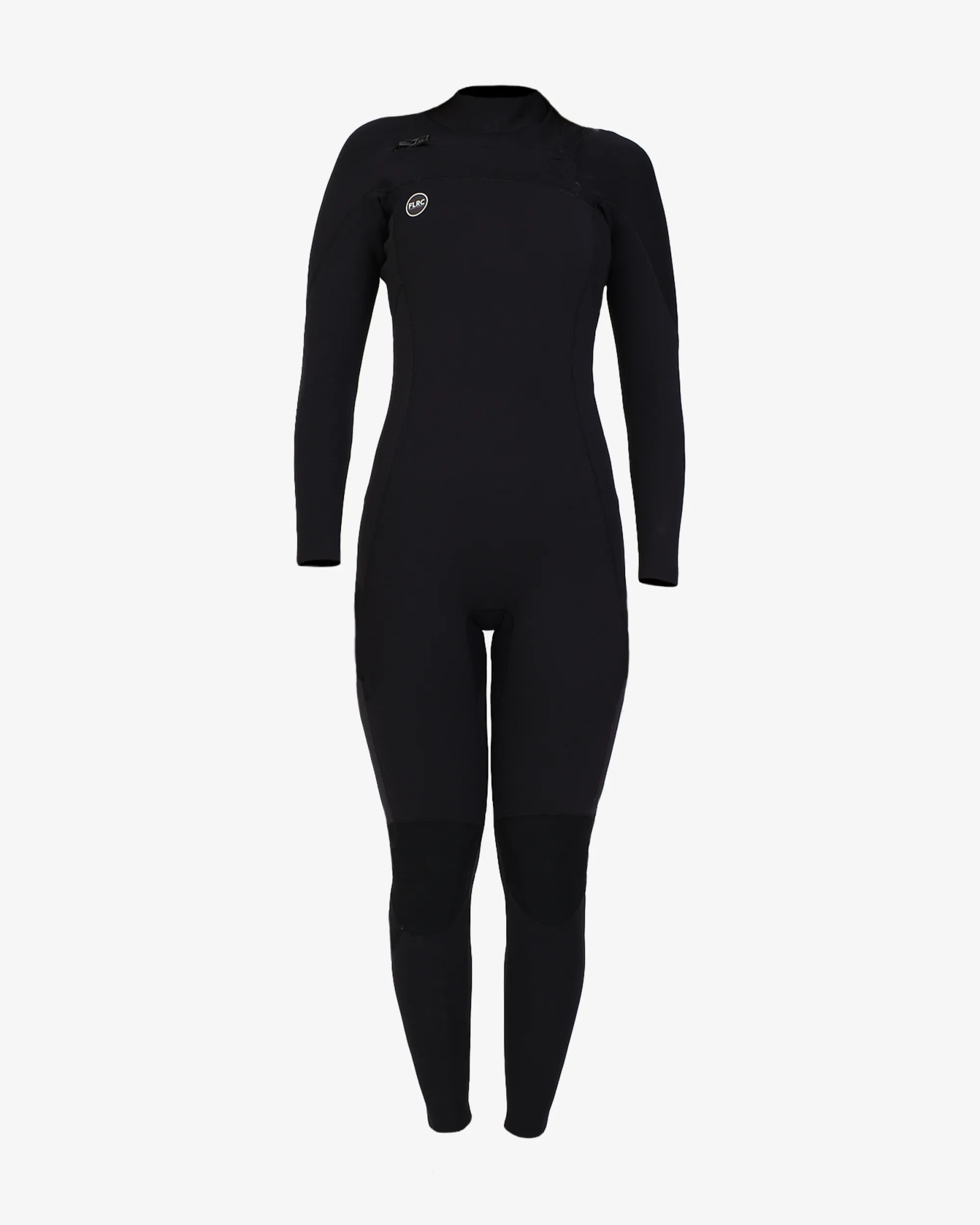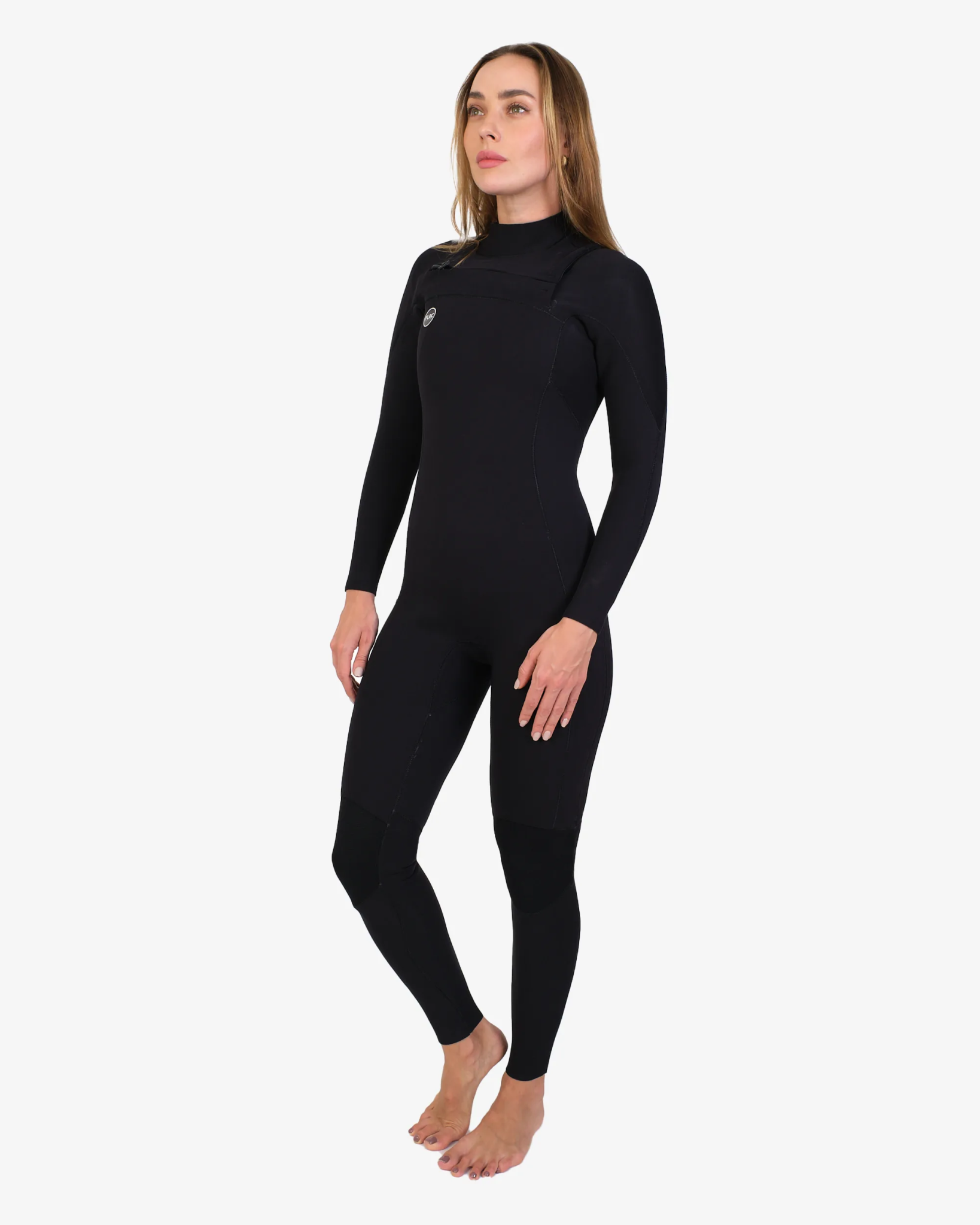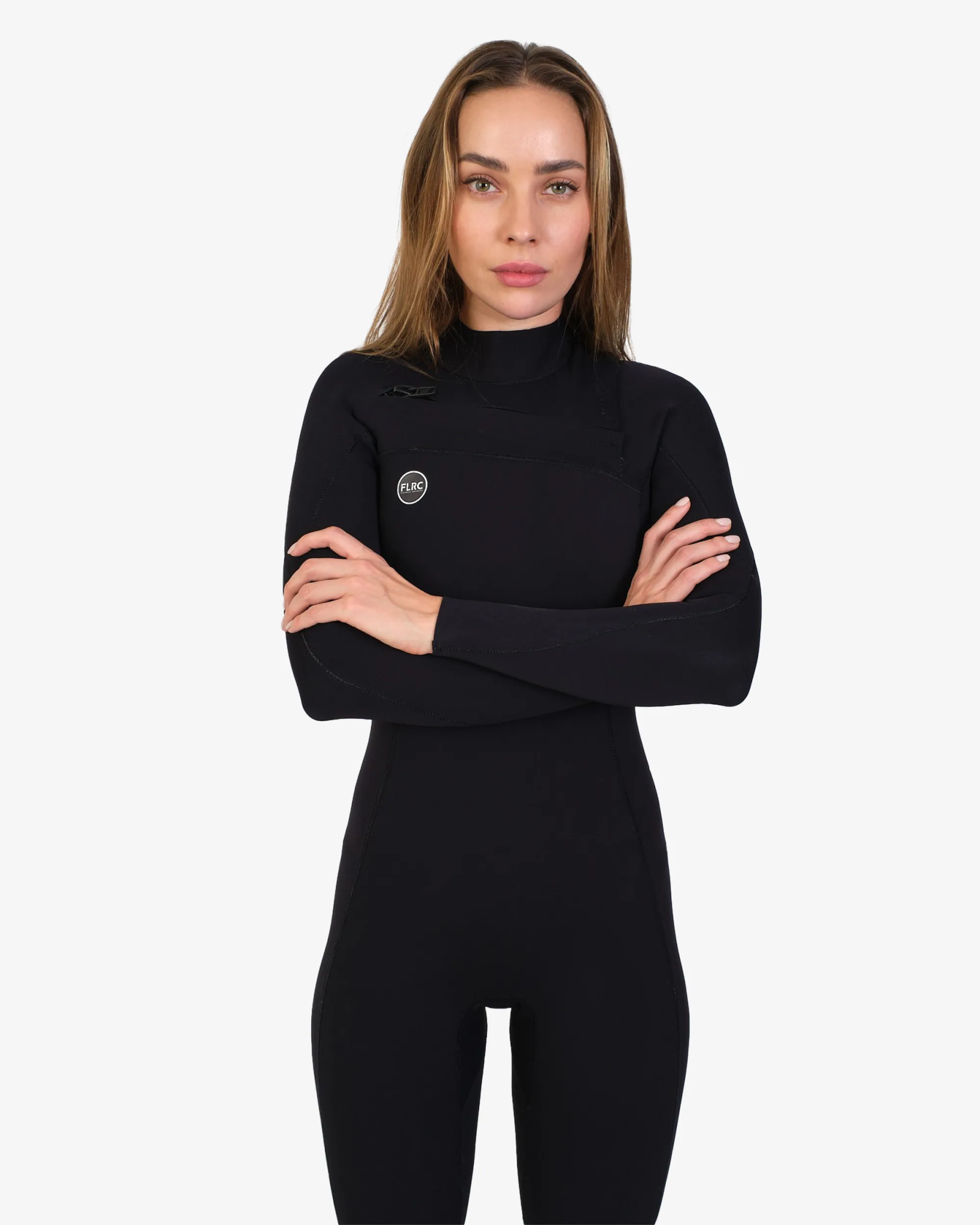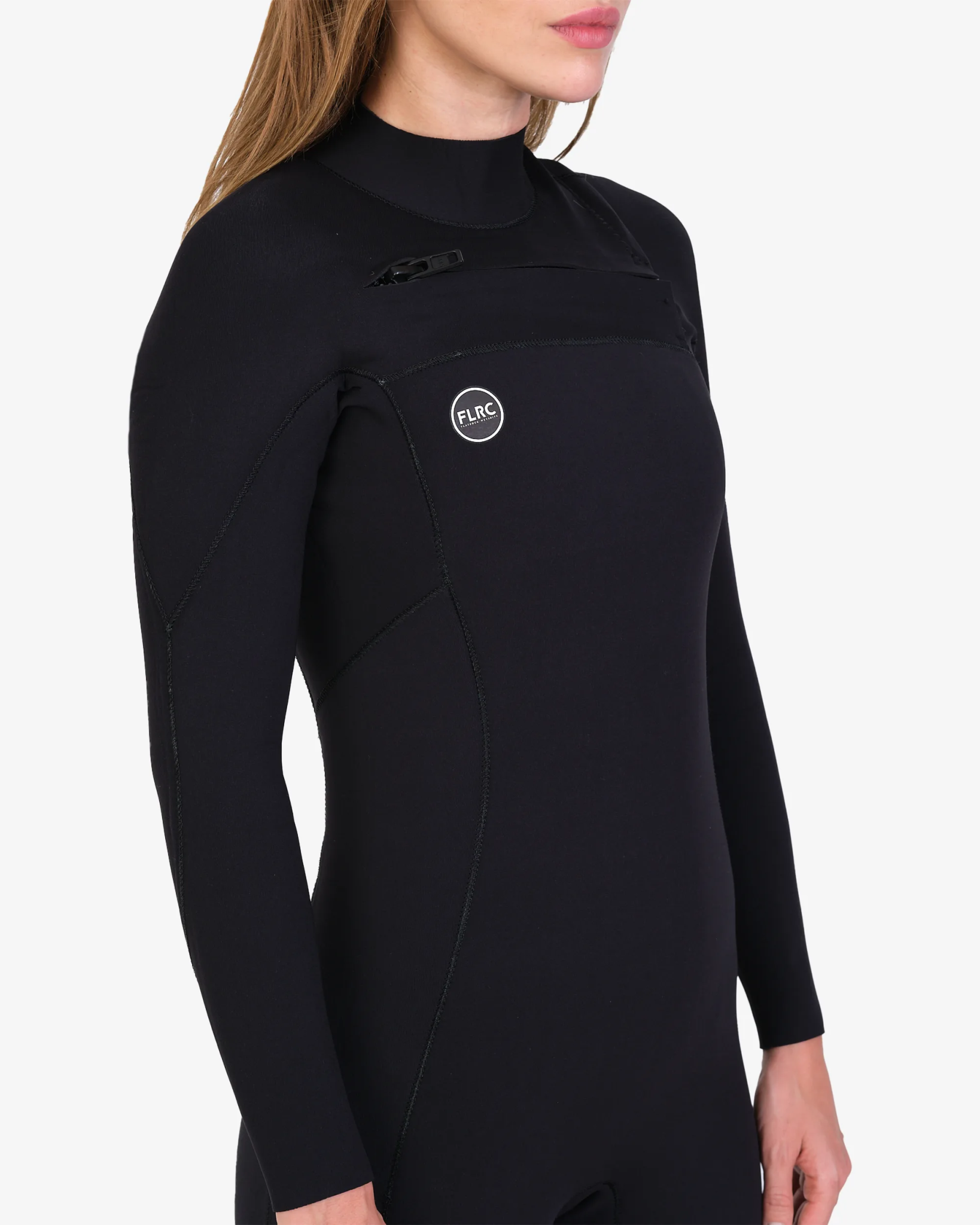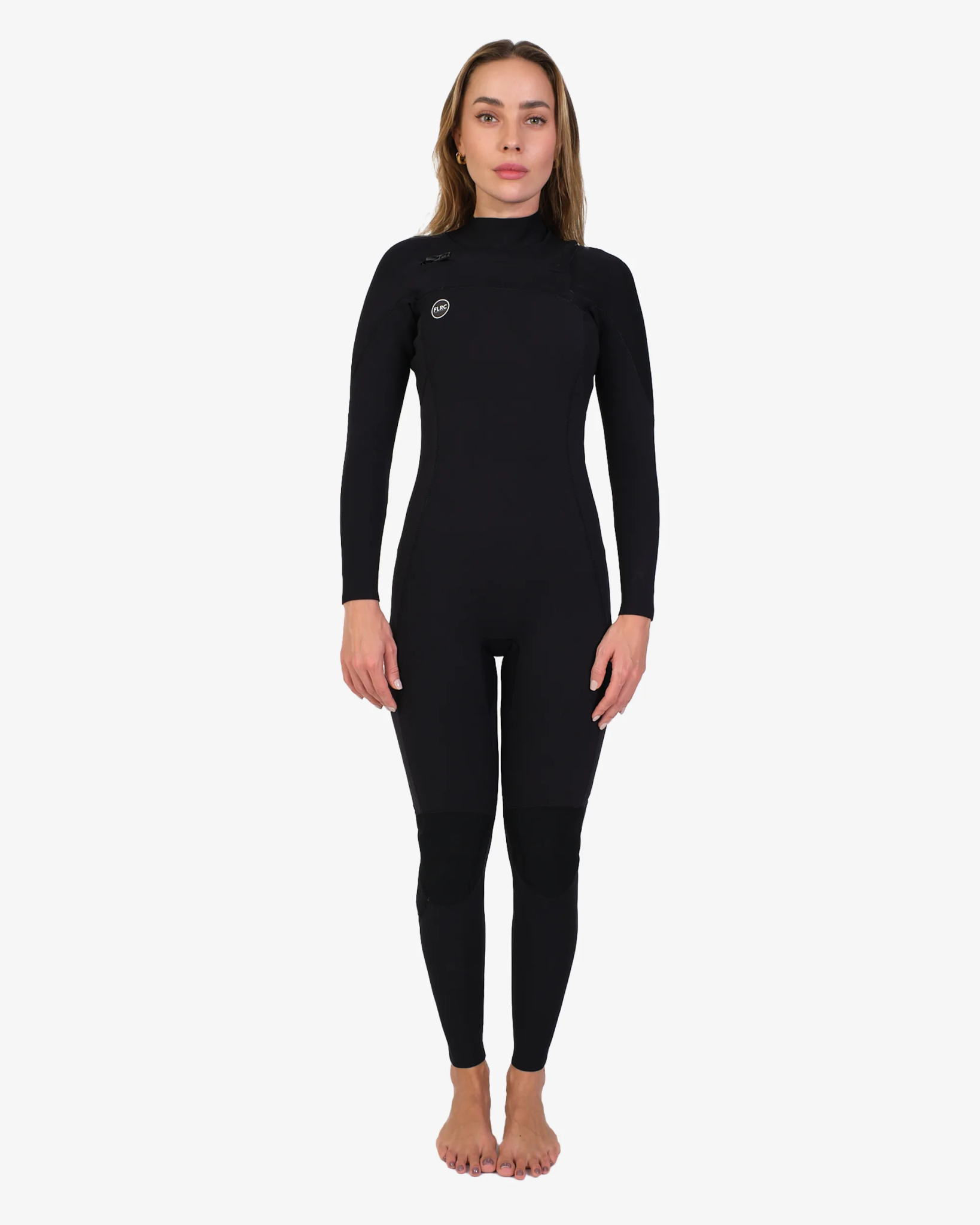


Switch to a lighter wetsuit once your local water temperature has actually climbed and held there, not when the calendar says spring's arrived. The biggest mistake surfers make every September is trusting the first warm arvo instead of checking a real reading. The ocean holds onto its winter chill for weeks after the air warms up, so an early heatwave doesn't mean the water under your board has caught up yet. This guide covers how to read the actual signal, what's happening region by region from Sydney to Tasmania through September, October and November, and when it's genuinely safe to drop from a 4/3mm to a 3/2mm, or leave the boots at home.
Why does water temperature lag behind air temperature in spring?
The ocean is far slower to change temperature than the air above it, and that gap shows up every spring. Air temperatures can jump ten degrees in an afternoon when a warm north-easterly rolls through, but the water underneath stays cold, it takes a lot more energy to shift the temperature of an entire ocean than a thin layer of air. That's why you get a run of warm, sunny days in September while the water's still sitting near its winter low. In Sydney and along the NSW coast, water temperature typically ranges from around 18°C to 24°C across the year, and spring mornings can still sit down near that floor even once the air feels like summer's arrived. Judging the water by how warm you feel walking to the car is exactly how surfers end up shivering through a session in gear that's too thin.
How do you check real water temperature instead of guessing?
Check an actual reading before you downsize, not a feeling. The Bureau of Meteorology publishes sea surface temperature data for the Australian coastline, and most surf forecasting sites and apps pull in live buoy or satellite readings for local breaks. Look for a trend across a week or two of readings rather than reacting to a single number. One session can feel warmer purely because the sun's out and there's less wind on your skin, not because the water's actually up. If you surf the same spot regularly, your own memory of how the last few sessions felt is one of the more reliable gauges you've got. Consistency across readings and sessions matters more than any single data point.
What are the spring water temperature trends across Australia's surf regions?
Spring plays out differently depending on where you paddle out. Here's what to actually expect as water climbs from its winter low toward summer through September, October and November.
Sydney and NSW
Sydney and the NSW coast run between roughly 18°C and 24°C across the year, with the coldest readings sitting in late winter and early spring. Most Sydney surfers stay in a 4/3mm through September and only look at a 3/2mm once the water's climbed clearly past the high teens on consistent readings, not just one warm week. Spots like Bondi, Manly, Cronulla and Maroubra tend to track together, so a check at one is a reasonable guide for the others nearby.
Victoria and the Surf Coast
Victorian water is a different conversation entirely. The Surf Coast, including Bells Beach, Torquay, Jan Juc and Lorne, sits in a 12°C to 18°C range across the year, and spring is a slow climb rather than a switch. A 4/3mm stays the baseline through most of spring, and it's worth keeping boots and gloves in the van until the water's genuinely shifted off its winter low. Don't read an early warm snap in Torquay as your cue to go thinner.
Queensland and the Gold Coast
The Gold Coast has the easiest spring transition in the country. Water around Snapper Rocks, Burleigh Heads and Kirra sits between 20°C and 27°C year-round, so the gap between winter and spring is small to begin with. Surfers here can often shift to a lighter steamer earlier than anywhere else, but it's still worth checking current readings before assuming the warmer months have fully arrived.
Western Australia and Margaret River
Margaret River and the WA South West run from around 16°C to 22°C. It's a powerful, remote stretch of coast where conditions change fast, and spring water temperature can lag well behind the warm, dry inland air that reaches the coast. Treat any early heat as a land signal, not a water one, and hold off downsizing until you've got a proper reading from the break itself.
Tasmania
Tasmania holds onto winter longer than anywhere else in the country, with water sitting between roughly 11°C and 17°C. Spots like Shipstern Bluff and Clifton Beach stay in full cold-water kit, thick wetsuit, boots, gloves and hood, well into what the calendar calls spring. If you're surfing in Tasmania this time of year, thickness isn't really up for debate yet.
When should you actually switch to a lighter wetsuit?
The safest rule is to wait for a trend, not a moment. If your local water temperature has held steady above the low end of your region's spring range for a week or two of readings, across different times of day, it's a reasonable time to consider stepping down a size. A single warm arvo sesh after a run of northerlies doesn't count. Dawn patrol is always going to feel colder than a midday paddle even on the same day, so check readings rather than relying on how one session felt.
It's also worth downsizing in stages. Going from a 4/3mm straight to a 2mm springsuit is a bigger jump than most bodies want to make in one go, even once the water's genuinely warmed up. Stepping down to a 3/2mm first, then reassessing boots and gloves separately, gives you more room to adjust if a cold snap rolls back through. For a fuller breakdown of what thickness suits which conditions, our guide on wetsuit thickness for Australian conditions is worth a read before you commit to a swap.
What happens if you switch too early?
Switching too early mostly costs you the session, not your safety, but it's still avoidable. Getting into water colder than you planned for cuts your session short, makes paddling harder as your body works to stay warm, and can turn a fun dawn patrol into a shivering paddle back to the car. It also tends to put people off getting back in the water for their next few sessions, which kind of defeats the whole point of switching to lighter gear.
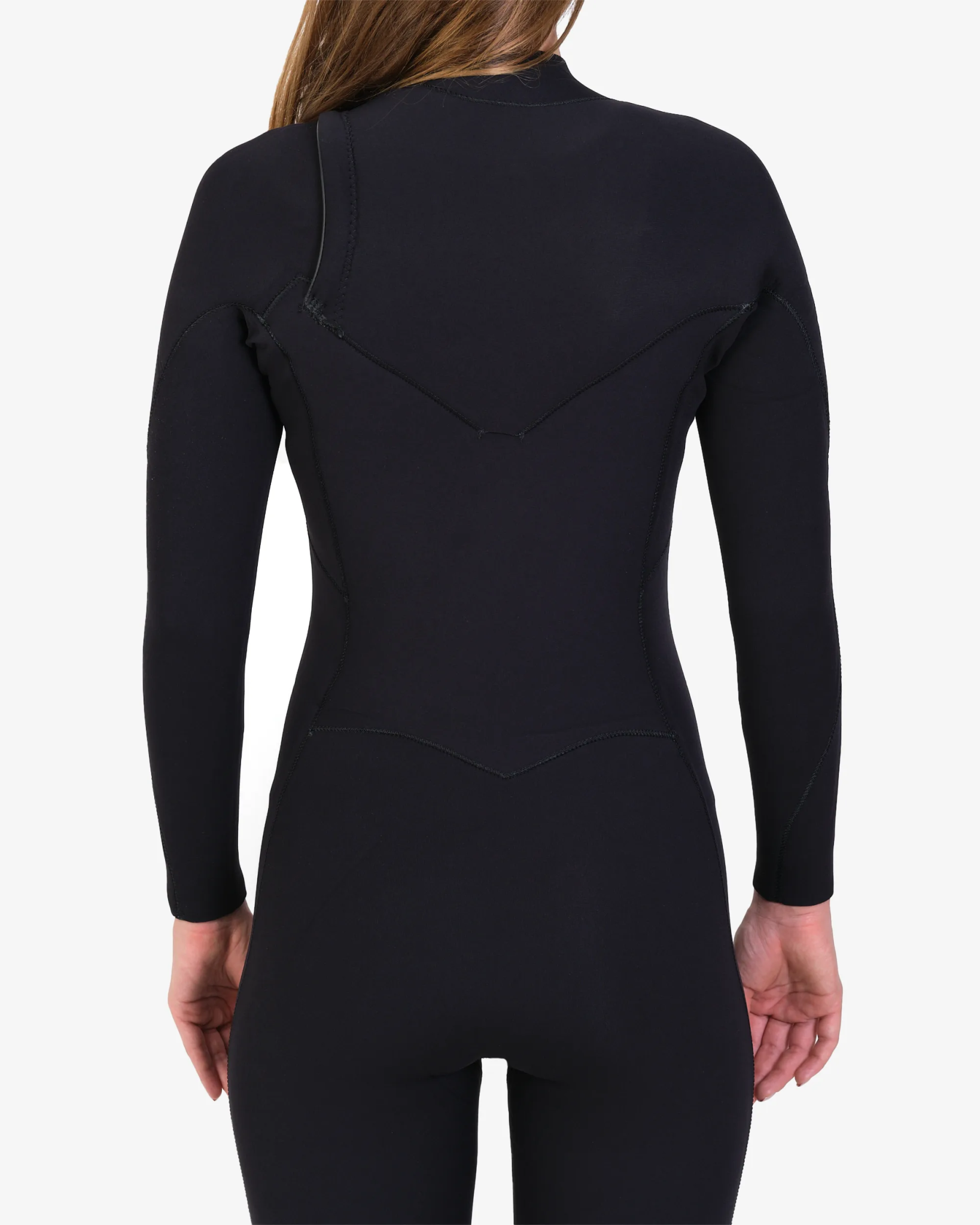
If you're on the fence, it's worth going through what actually matters in a wetsuit beyond thickness alone. Seam construction, panel placement and neck seal all affect how cold you'll feel in borderline conditions. Our guide on what to look for in a wetsuit covers the features worth checking before you buy your spring or summer suit.
As of spring 2026, the safest approach anywhere in the country is the same: check the actual number for your break before you change gear, not the date on the calendar. Once your local water's genuinely turned, our complete wetsuit guide can help you land on the right thickness, and you can browse our full range to find your next suit.
Frequently asked questions
What water temperature should trigger switching to a lighter wetsuit?
We'd rather you wait for at least a week of steady readings above your region's cooler spring range, rather than one warm session, before downsizing wetsuit thickness.
Why is the water still cold when the weather feels warm?
Water holds its temperature far longer than air, so the ocean stays close to its winter low for weeks after air temperatures start climbing in spring. Check an actual reading rather than trusting how warm the day feels.
Can I use a 3/2mm wetsuit in Sydney during spring?
Most Sydney surfers can move to a 3/2mm once water temperature has climbed consistently past the high teens, which typically happens later in spring rather than in early September. Check current readings before switching.
Do I still need boots and gloves once I switch to a lighter wetsuit?
Boots and gloves depend on water temperature, not overall wetsuit thickness, so keep them on for dawn patrols even after you've downsized your steamer. Drop them separately once mornings genuinely warm up too.
Is it ever safe to switch wetsuits based on the calendar alone?
No, calendar dates don't reflect water temperature, which varies by region and year. Always check a live reading for your local break before changing wetsuit thickness, especially in cooler regions like Victoria or Tasmania.